
French President Emmanuel Macron is leading his tenth and final Bastille Day military parade as head of state, with Ukrainian President Volodymyr Zelensky as guest of honor and a significant troop presence showing support for Kyiv amid the Russian invasion. The ceremony also included a tribute to the victims of the Nice terrorist attack, marking ten years since the attack that left 86 dead.
The traditional parade along the Champs-Élysées, commemorating the storming of the Bastille on July 14, 1789, began around 10:00 local time. The event will feature about 500 soldiers from the so-called Coalition of Volunteers—countries that back Ukraine—as well as roughly 25 Ukrainian service members who marched behind the troops of coalition member states.
The participation of Ukrainian and allied forces follows a meeting of coalition leaders in Paris the day before. France and the United Kingdom have promoted this group since last year as nations willing to take part in a possible Europe-led multinational force once a ceasefire is in place in Ukraine.
On the eve of the parade, Macron delivered his customary address to the armed forces and defended Europe’s commitment to continental security. “The message we send to the world is this: Yes, peace is our goal,” the president said.
He added: “Yes, we value freedom and the rule of law. And yes, we are prepared to fight to defend them. Always, and at the cost of blood if necessary.”

Officials at the Élysée Palace also highlighted the political meaning of the event. A member of the presidential office said the parade is “a powerful symbol of a Europe becoming aware of how dangerous the world is and that must take its destiny into its own hands.”
The ceremony is taking place amid an intense heatwave affecting much of France. Tens of thousands of people are expected to attend the central Paris celebrations while a wildfire advances near the capital, and authorities have banned fireworks in several areas because of the risk of new fires.
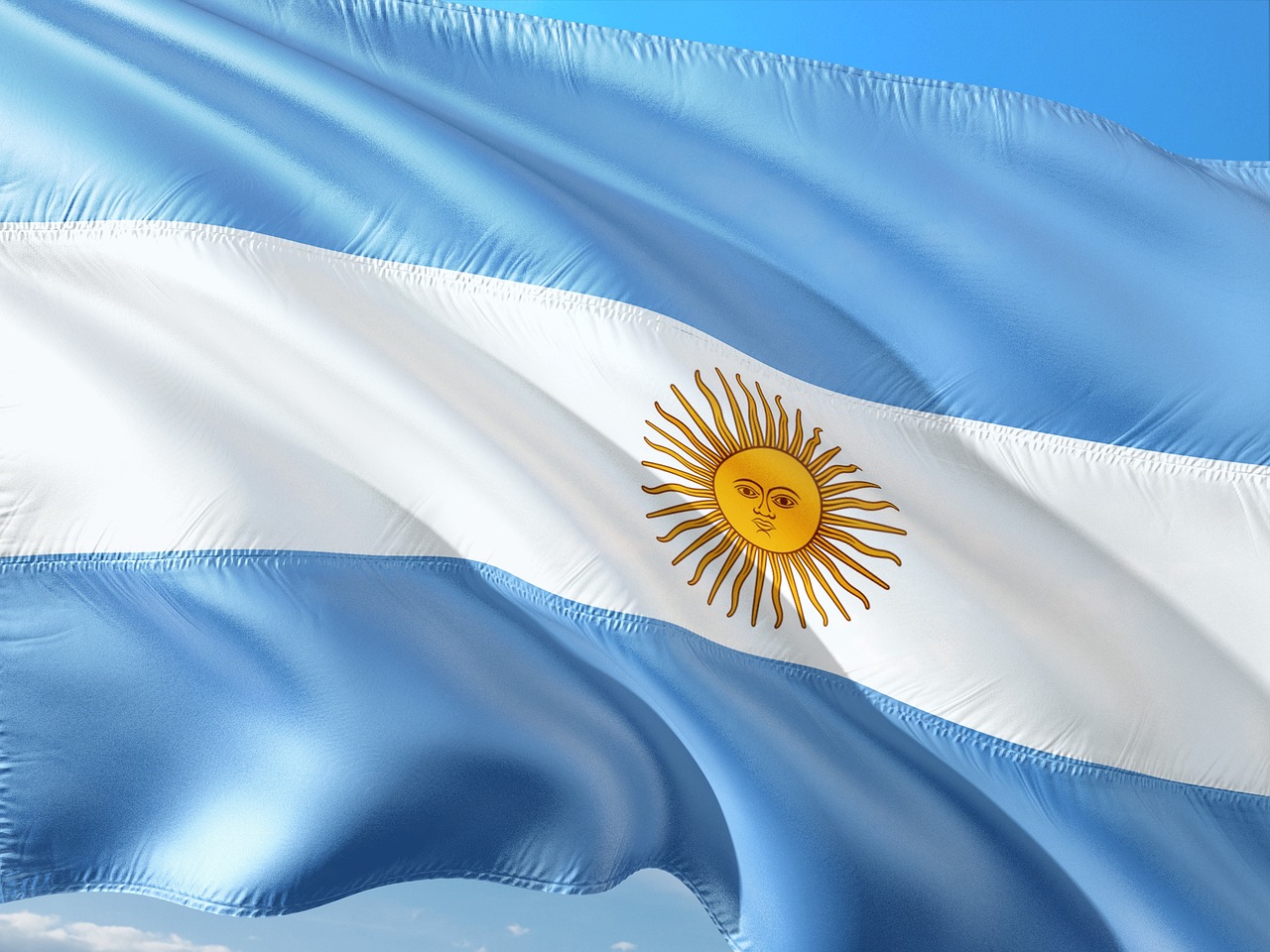
In addition to the military parade and the aerial display, the national day will conclude with another highly anticipated event: the World Cup semifinal match between France and Spain. The French team seeks to return to a final after winning the title in 2018 and losing the 2022 final to Argentina.
Before the sporting event, Macron ordered a minute of silence in memory of the victims of jihadist attacks that struck the country a decade ago.
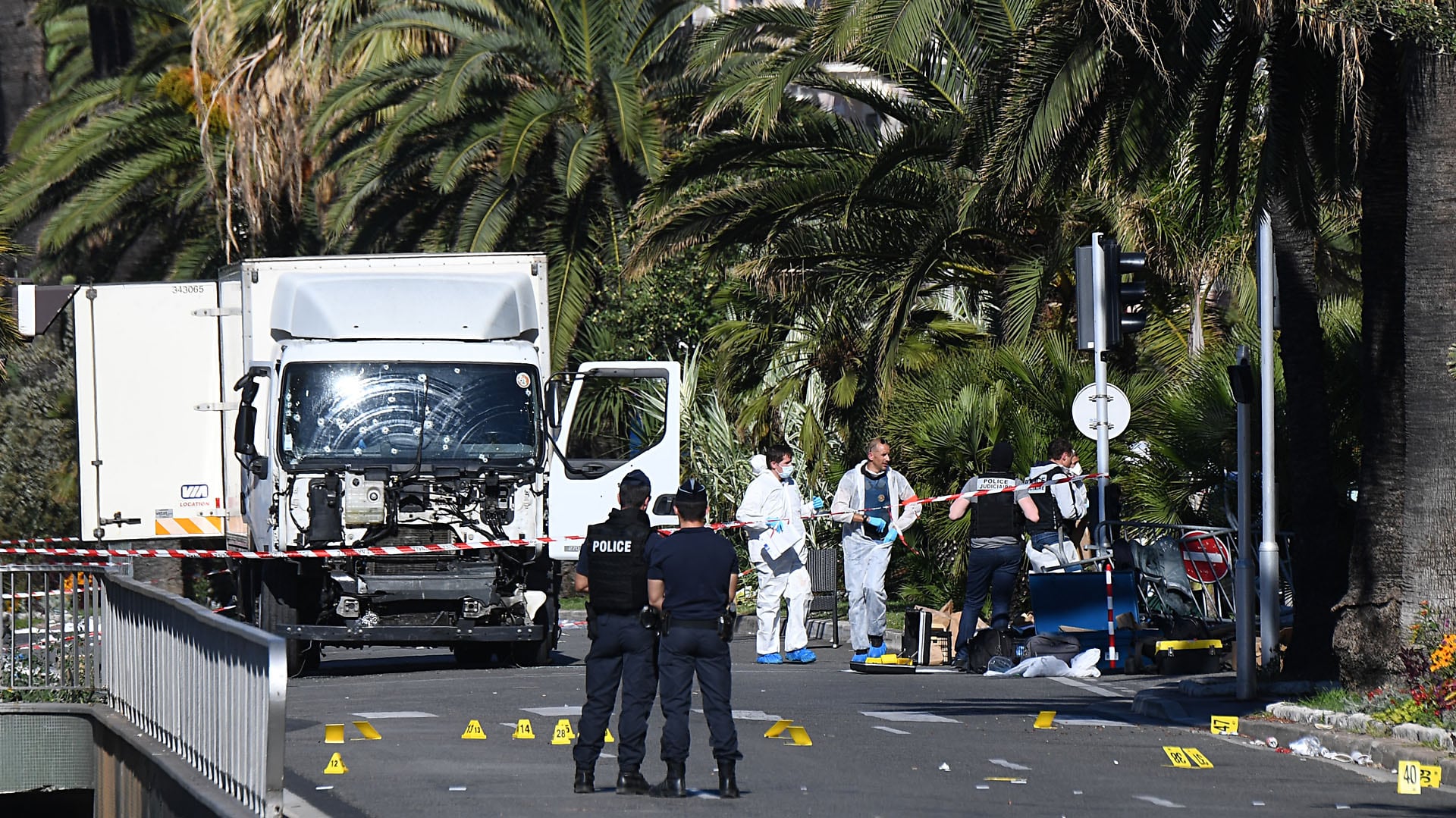
The tribute commemorates the July 14, 2016 attack in the Mediterranean city of Nice, when a driver rammed a truck into crowds leaving the Bastille Day fireworks display. The attack caused 86 deaths and more than 400 injuries.
The jihadist group Islamic State later claimed the attacker, identified as 31-year-old Tunisian Mohamed Lahouaiej-Bouhlel, who was shot dead by police at the scene.
The Nice attack took place less than a year after the coordinated November 13, 2015 attacks in Paris and its suburbs, which killed 130 people and were the deadliest peacetime terrorist attacks in France.
This year’s edition also marks Macron’s last July 14 parade before the end of his second consecutive term, the maximum allowed under the French Constitution. The president will leave office next year and the political scene is already focused on the upcoming presidential election.
In that context, far-right leader Marine Le Pen has said she intends to run for president for a fourth time, despite a conviction for misappropriation of funds.
(With information from AFP)