
Iran’s regime launched a new wave of missile attacks against Persian Gulf countries that host U.S. military facilities. Jordan, Kuwait and Iraq reported intercepting several projectiles and condemned the Iranian strikes in the early hours of Thursday.
Late Wednesday, the United States carried out another round of strikes on Iranian territory aimed at reducing Tehran’s capacity to “threaten innocent mariners aboard commercial vessels transiting the Strait of Hormuz.”
The new offensive came after Washington confirmed the reinstatement of a naval blockade of Iranian ports and coasts, and after two commercial vessels that, according to the Pentagon, tried to evade U.S.-imposed restrictions were diverted.
President Donald Trump hardened his stance toward Tehran and warned that the military campaign in the Middle East could expand in the coming days if the Iranian regime does not return to the negotiating table. “Next week the situation will be very bad for them,” he said.
Below, minute-by-minute coverage:
/america/mundo/2026/07/16/jd-vance-afirmo-que-eeuu-avanza-en-la-direccion-correcta-con-iran-y-sostuvo-que-una-solucion-duradera-requiere-un-acuerdo/
/america/mundo/2026/07/16/el-regimen-de-iran-amenazo-con-atacar-toda-la-infraestructura-de-la-region-si-estados-unidos-cumple-la-advertencia-de-trump/
Pakistan urged Iran and the U.S. to resume peace talks to halt the war in the Middle East
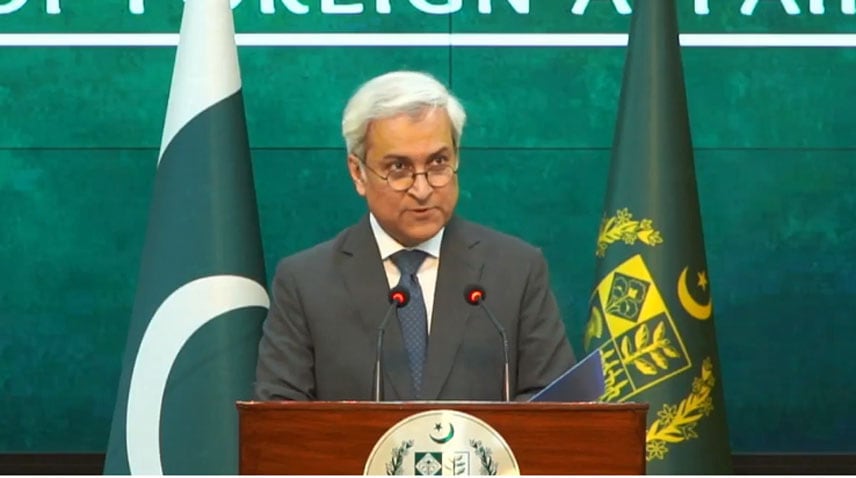
On Thursday Pakistan said it will encourage the United States and Iran to halt the violence and resume talks under the memorandum of understanding (MoU) that it helped mediate last month.
“While the implementation of the Memorandum of Understanding faces challenges, Pakistan will continue to encourage all parties to end the violence and resume technical-level talks in accordance with the Memorandum of Understanding,” Tahir Andrabi, spokesperson for the Ministry of Foreign Affairs, told reporters in Islamabad.
“We expressed our hope that the situation in the Strait of Hormuz will normalize soon and stressed the importance of ensuring the security and freedom of maritime navigation,” he added.
Oil prices fall
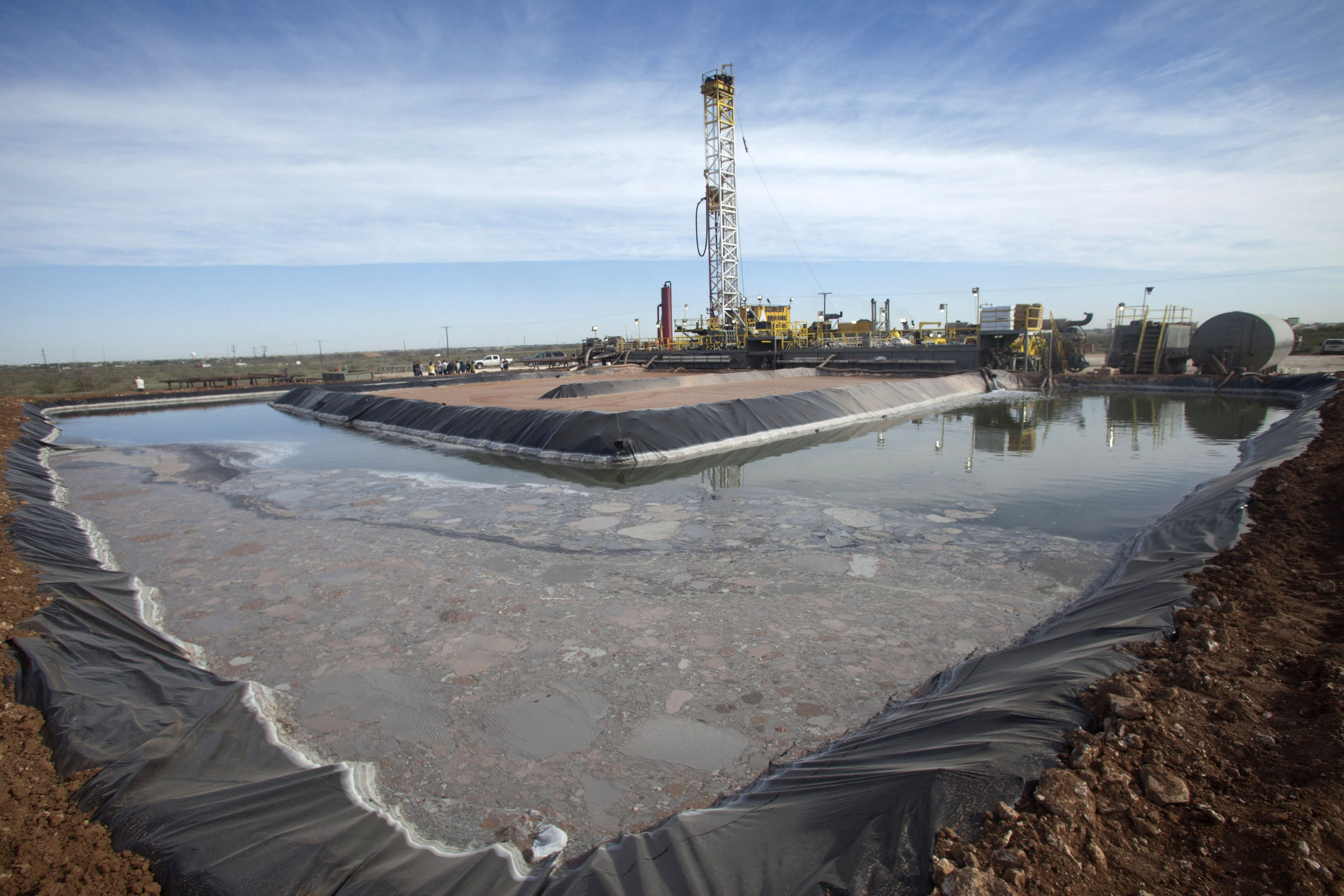
Oil prices fell in the early hours of Thursday, though they remain elevated amid intensifying U.S. strikes on Iran and Iranian missile and drone attacks on Kuwait and Bahrain.
Brent, the international benchmark, dropped 0.5% to $84.57 per barrel. In late February, before the start of the conflict, it traded near $72 per barrel. The U.S. benchmark fell 0.2% to $79.43 per barrel.
/america/mundo/2026/07/16/el-fmi-advirtio-que-la-oferta-de-petroleo-tardara-hasta-tres-meses-en-normalizarse-una-vez-que-ormuz-se-reabra-completamente/
Tehran threatened regional infrastructure if the United States attacks Iran
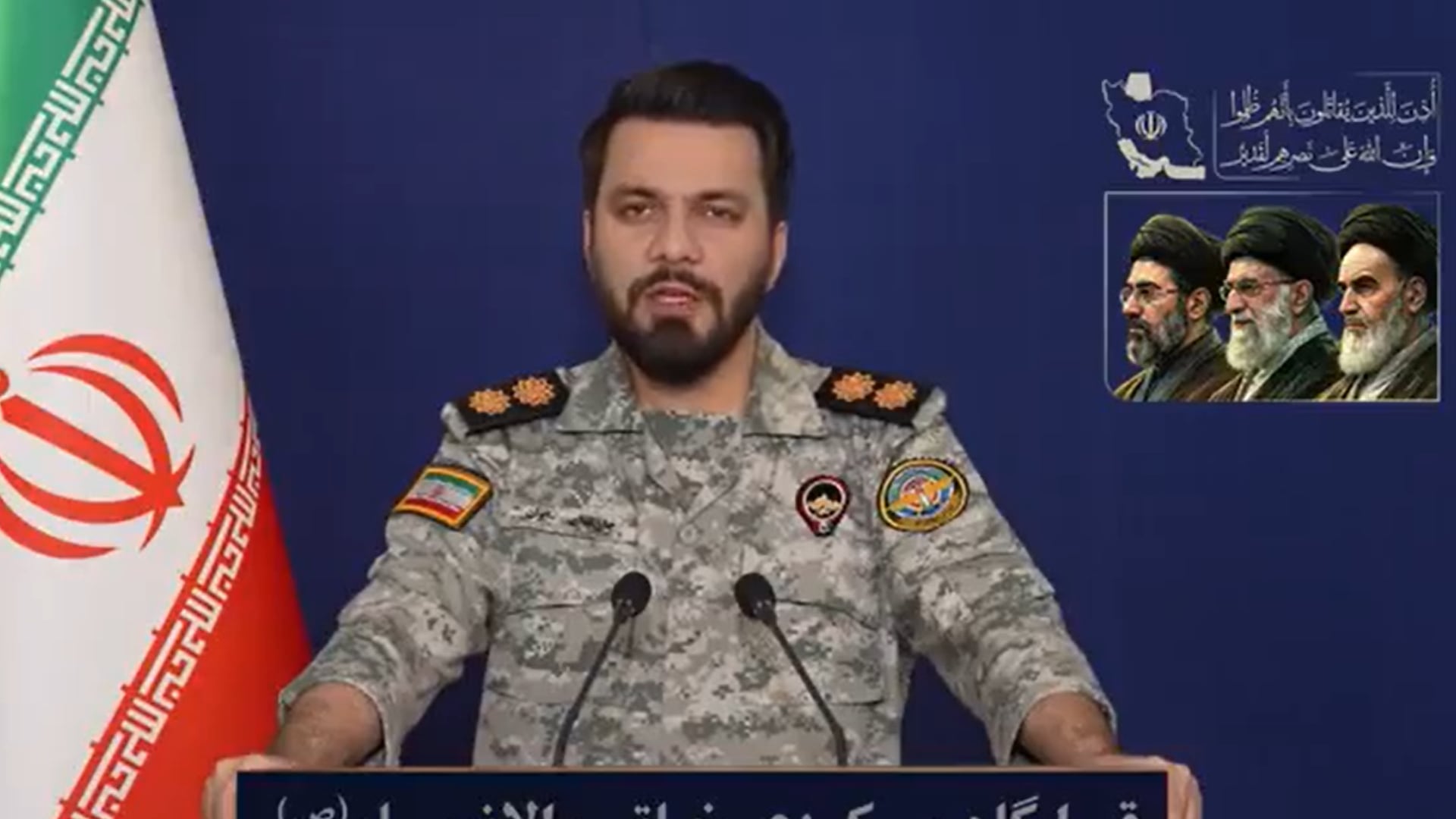
Tehran warned on Thursday that it would strike the regional infrastructure of countries allied with the United States if Washington follows through on threats to attack Iranian facilities.
The spokesman for Iran’s military headquarters said that if those warnings are carried out, “all infrastructure in the region would be crushed under the steel blows of the Iranian armed forces.”
Israel told the Pentagon it will keep troops in “security zones” in Lebanon, Syria and Gaza
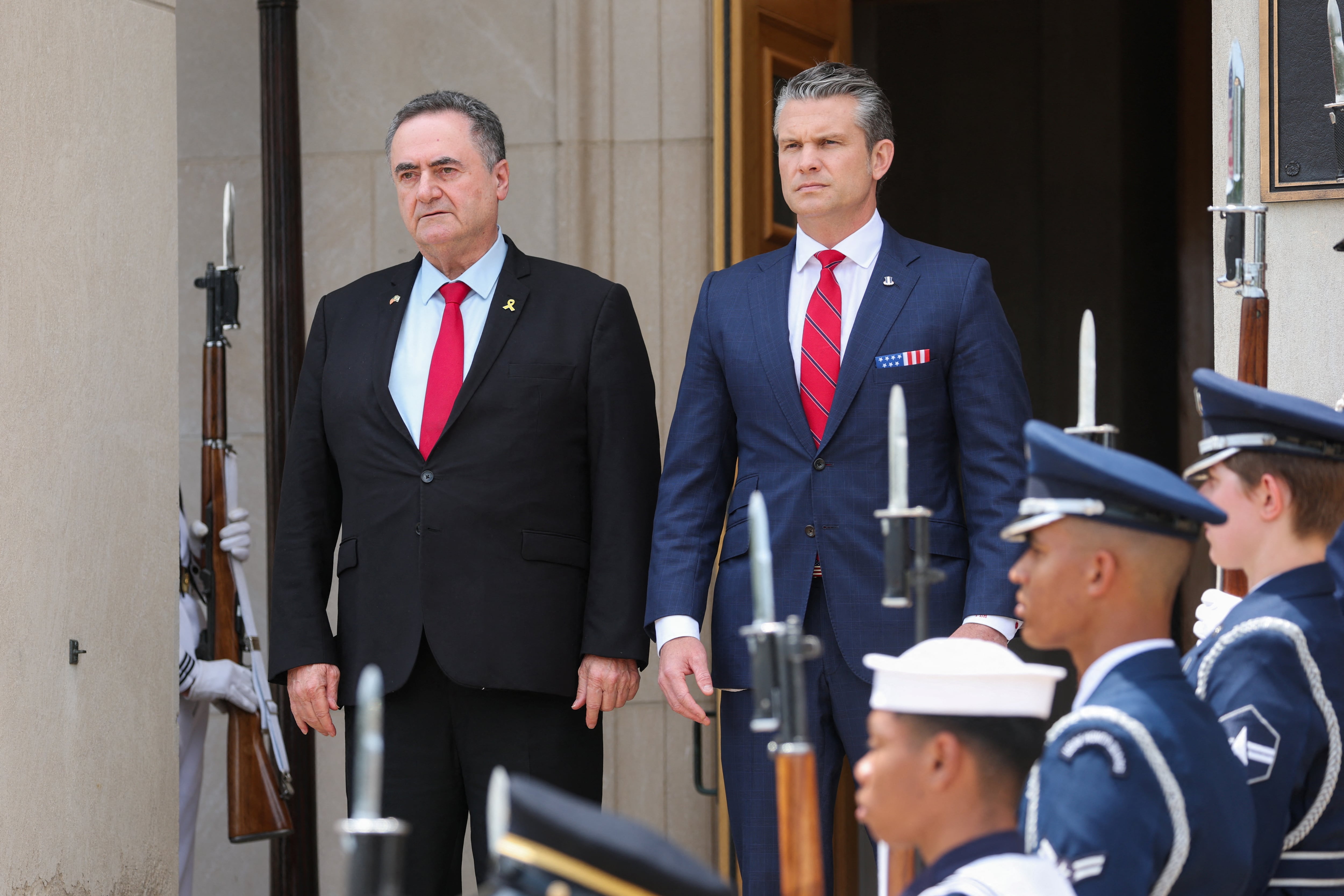
Israeli Defense Minister Israel Katz informed his U.S. counterpart, Pete Hegseth, that the Israeli military will keep its forces in the “security zones” established in Lebanon, Syria and the Gaza Strip.
According to a statement released on Thursday, the two officials spoke overnight and Katz “emphasized Israel’s determination to remain in the security zones in Syria, Gaza and Lebanon to protect its borders and nearby communities from threats posed by jihadist forces.”
Fire and smoke seen in Chabahar, Iran, after reports of an explosion
Jordan intercepted eight Iranian missiles during the night
Jordan’s air defense systems intercepted and destroyed eight Iranian missiles aimed at the country in the early hours of Thursday, the Jordanian military reported. No casualties or material damage were reported. Engineering teams secured the areas where debris fell, and the armed forces remain at high alert for possible further threats.
Meanwhile, the Iranian army said its drones struck communications systems, fuel depots and a fixed radar station at the Al Azraq airbase in Jordan, identified as a U.S. military base. The statement, carried by official Iranian media, said the offensive was the ninth phase of “Operation Saeqeh” (Lightning) and was launched in response to recent U.S. attacks on Iran, including a strike on a military garrison in Sistan and Baluchestan province that Tehran says killed seven service members.
/america/mundo/2026/07/16/el-regimen-de-iran-lanzo-ataques-contra-bases-e-instalaciones-militares-de-estados-unidos-en-jordania-kuwait-e-irak/
Iraq’s prime minister condemned the “drone attack” on Erbil this Thursday
Iraq’s prime minister, Ali al-Zaidi, condemned a “drone attack” that violated the airspace of Erbil in the Kurdistan region after several devices were shot down, his office reported.
Al-Zaidi said instructions have been given to security agencies, in coordination with regional forces, to take all necessary measures to prevent similar attacks and to protect the security of Iraqi society.
Iranian media reported explosions in Tehran, Iran’s capital
Iranian state media reported that air defense alerts were triggered in several areas of Tehran on Thursday morning and that explosions were heard in the north and west of the country.
The state news agency IRNA said that, so far, no casualties have been reported in Tehran. Additional explosions were heard in the western province of Lorestan and in Semnan, to the north of the country, according to IRNA and the Mehr agency.