
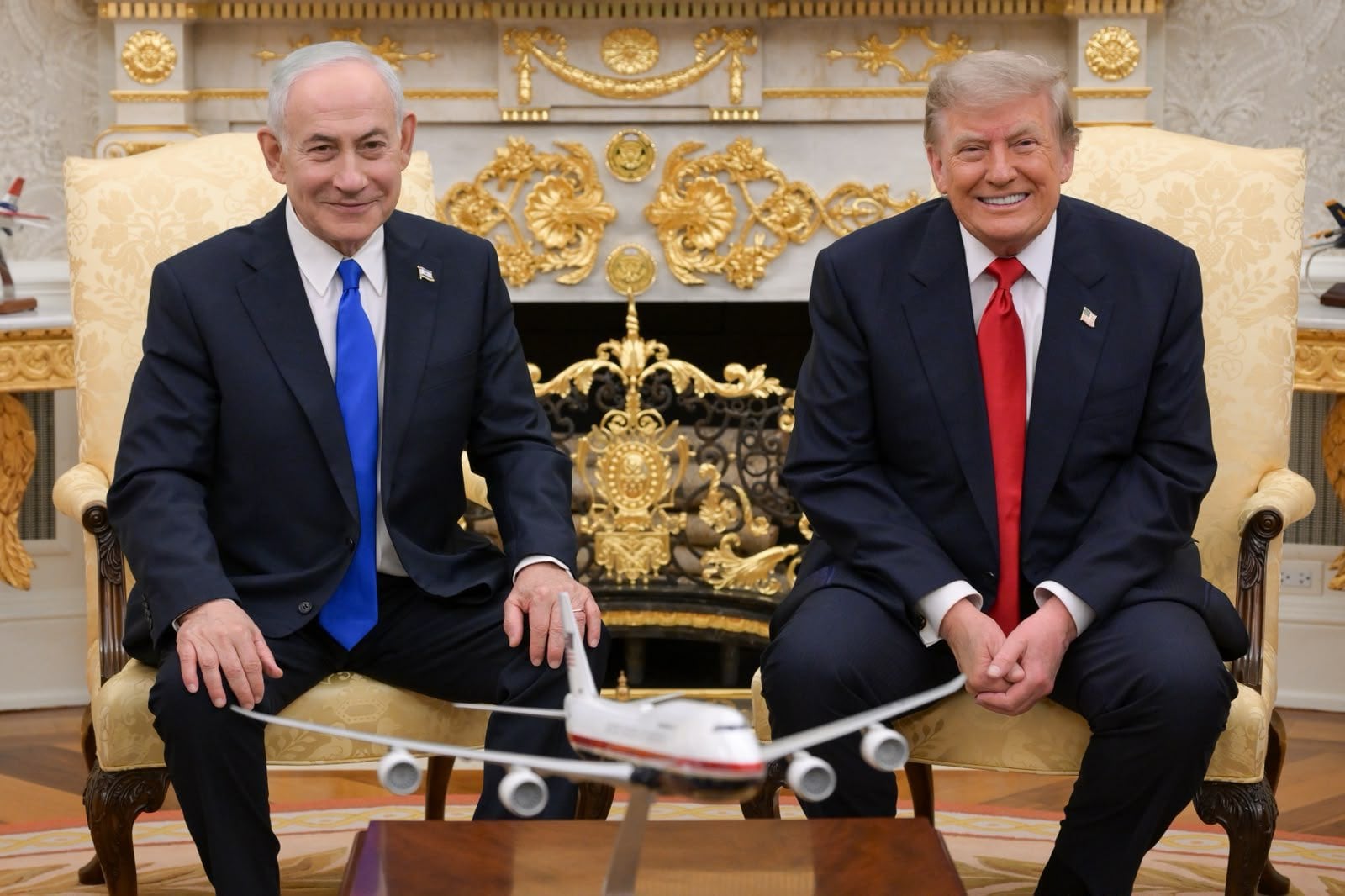
Israeli Prime Minister Benjamin Netanyahu said his government did not accept the plan presented by U.S. President Donald Trump to move toward disarming Hamas in Gaza, and stated that Israeli forces will not leave their current positions until the terrorist group has completely lost its military capability.
The Israeli leader’s remarks raised new doubts about implementing the U.S.-backed agreement, which proposes that Hamas hand over its weapons in exchange for a gradual withdrawal of the Israeli military and the establishment of a new political and security phase in the Palestinian territory.
“Trump and his team believe they can get Hamas to disarm and demilitarize Gaza. They sent us a draft, but we have not accepted it,” Netanyahu said in a message shared on his social media accounts. He explained that Jerusalem submitted its comments on the U.S. proposal and emphasized that this response was conveyed before the plan’s contents sparked public debate.
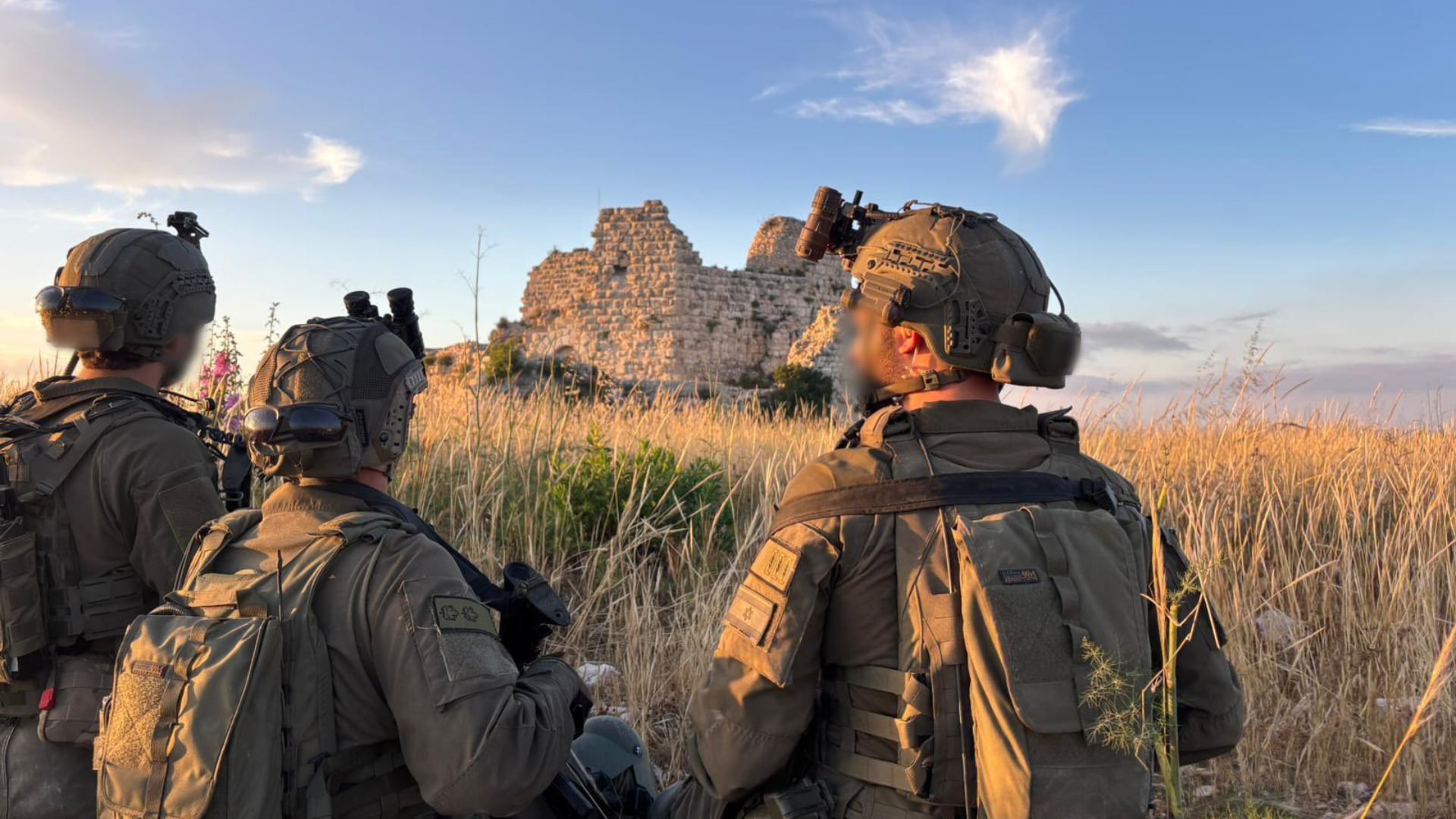
Netanyahu insisted that Israel will maintain its position that the Islamist movement must be disarmed before any significant withdrawal.
“We will do whatever is necessary to protect ourselves, our territory and our citizens,” he said.
The agreement supported by Trump aims to build on commitments reached during the ceasefire that halted major military operations and secured the release of the last Israeli hostages held in Gaza. However, differences between Israel and Hamas over the order of remaining steps have stalled its progress.
While Jerusalem demands that Hamas hand over its weapons as a precondition for moving forward, the terrorist group calls for an end to Israeli military operations and a complete withdrawal of troops from the Strip. Both sides have accused each other of failing to comply with established commitments.
Netanyahu’s comments came after a meeting in Jerusalem with Nicolai Mladenov, the official responsible for the Gaza Peace Board, who urged progress toward implementing the agreement and stopping military actions to facilitate negotiations. After the meeting, Mladenov described the conversation as “constructive and comprehensive” and said the next phase of the process will be particularly complex.
The official also said that the withdrawal of Israeli troops will depend on Hamas completing its disarmament, a condition that aligns with Netanyahu’s stance.
Alongside the diplomatic disputes, Gaza continues to face the humanitarian consequences of more than two years of war. Recovering bodies from the rubble has become one of the most visible tasks since the ceasefire took effect, as many areas were destroyed by fighting.
In recent days, rescue teams recovered more than a hundred bodies from a residential area of the Sabra neighborhood in Gaza City, where an attack in November 2023 left hundreds dead. Many of the remains had been buried for months under collapsed structures.
Gaza health authorities reported that thousands of people remain missing under the rubble, though there is no definitive figure because in some cases entire families died with no survivors to report their names.
The conflict began after Hamas’s attack on Israel on October 7, 2023, which left around 1,200 dead and 251 people abducted. The subsequent Israeli military offensive caused tens of thousands of deaths in Gaza and widespread destruction of civilian infrastructure.
With the future of the agreement still under discussion, Netanyahu maintains that eliminating Hamas’s military threat will be the central point of any final arrangement, while the United States seeks to promote a transition that would allow reconstruction and a new administration for Gaza.