
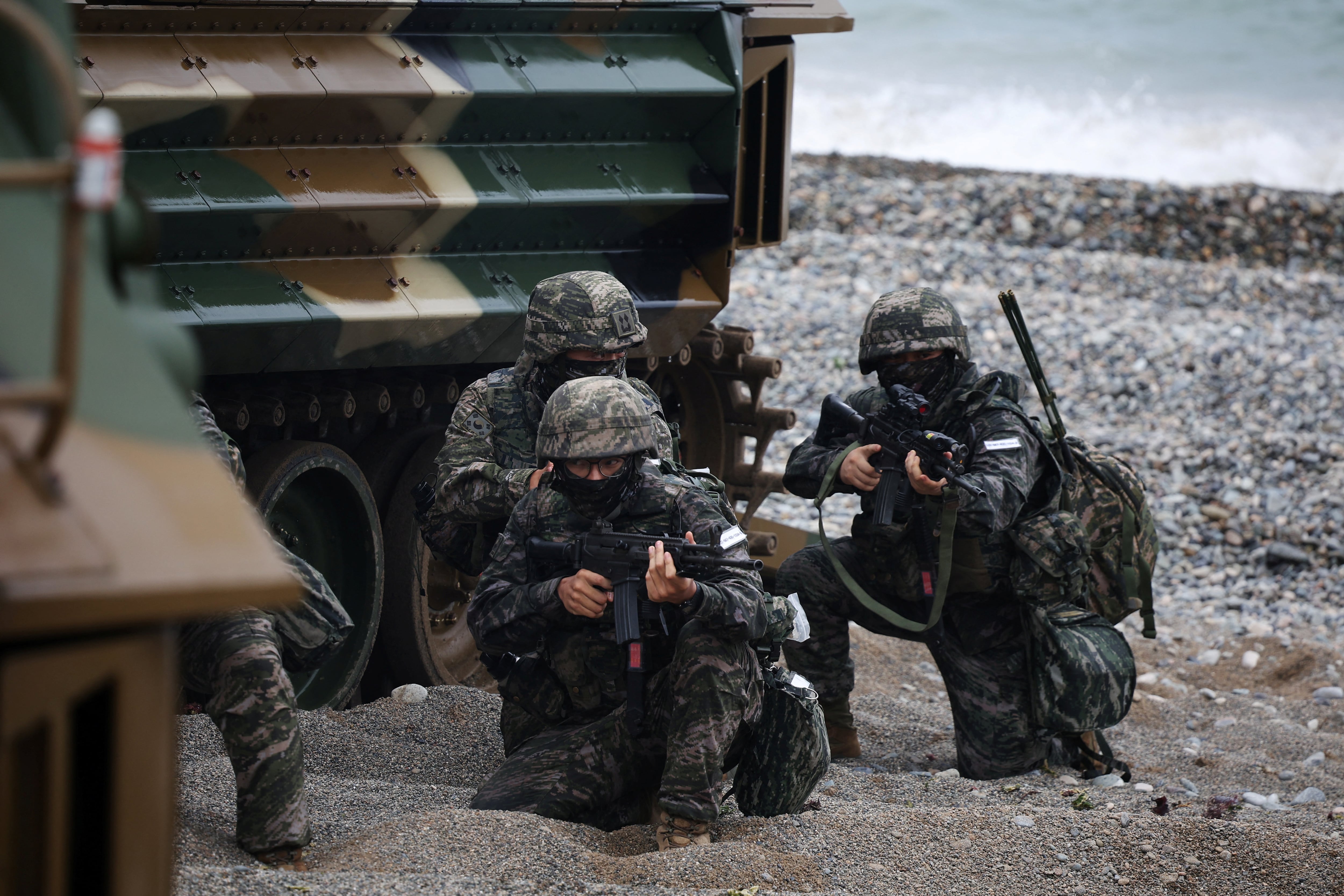
The armed forces of the United States and South Korea conducted this week their largest joint military and logistical exercises to date on the Korean Peninsula; the drills are scheduled to conclude on Thursday.
The Combined Forces Command (CFC) of both countries reported that the Combined Joint Support Training (CJST) took place from July 13 to 16 near Pohang in North Gyeongsang Province and in Hongcheon County, Gangwon Province.
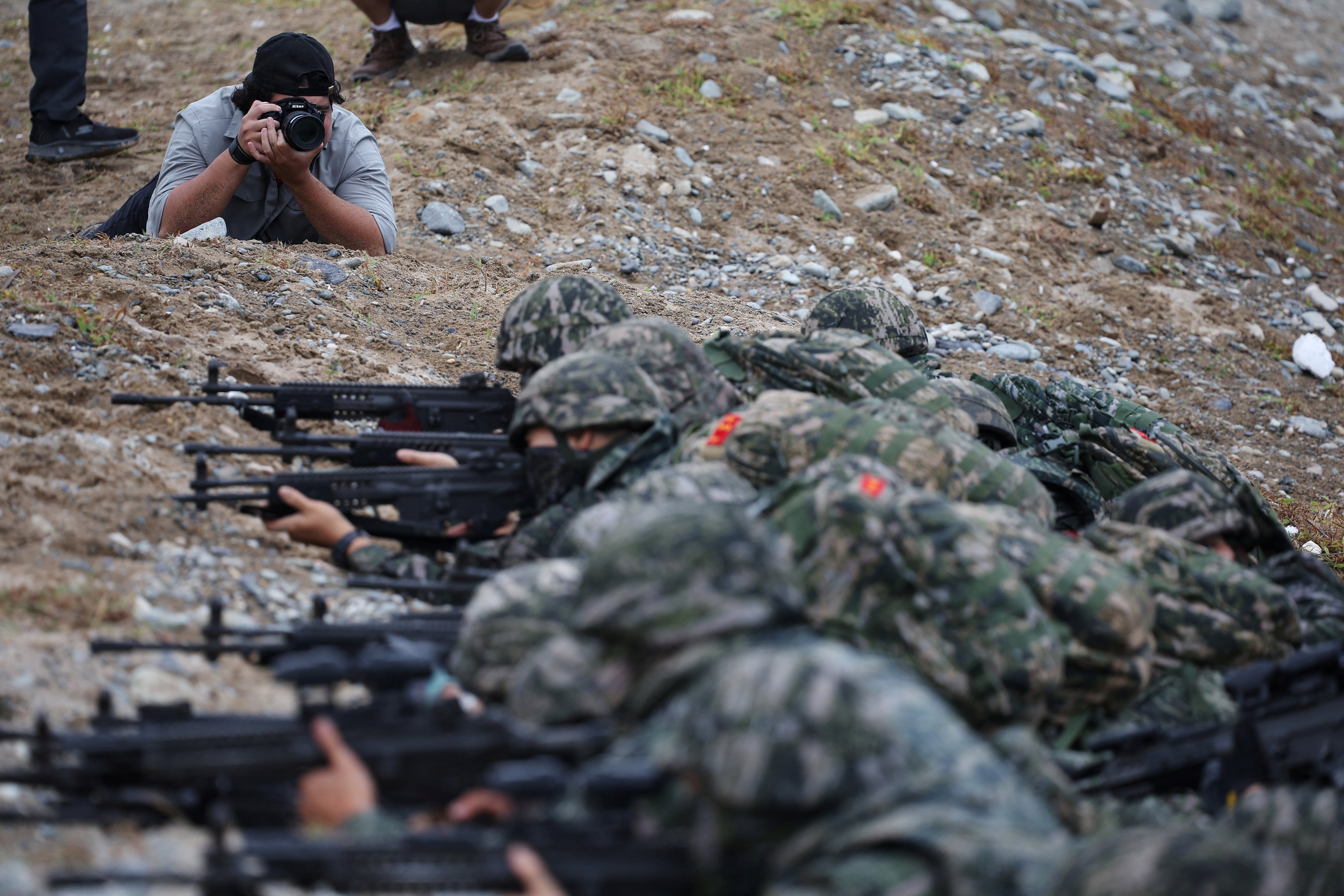
The CJST aimed to strengthen both militaries’ ability to sustain operations during contingencies on the peninsula. The record-scale exercises involved 4,400 personnel—2,400 South Korean and 2,000 U.S.—and the deployment of about 600 pieces of equipment, including ships and aircraft, according to South Korea’s Yonhap news agency.
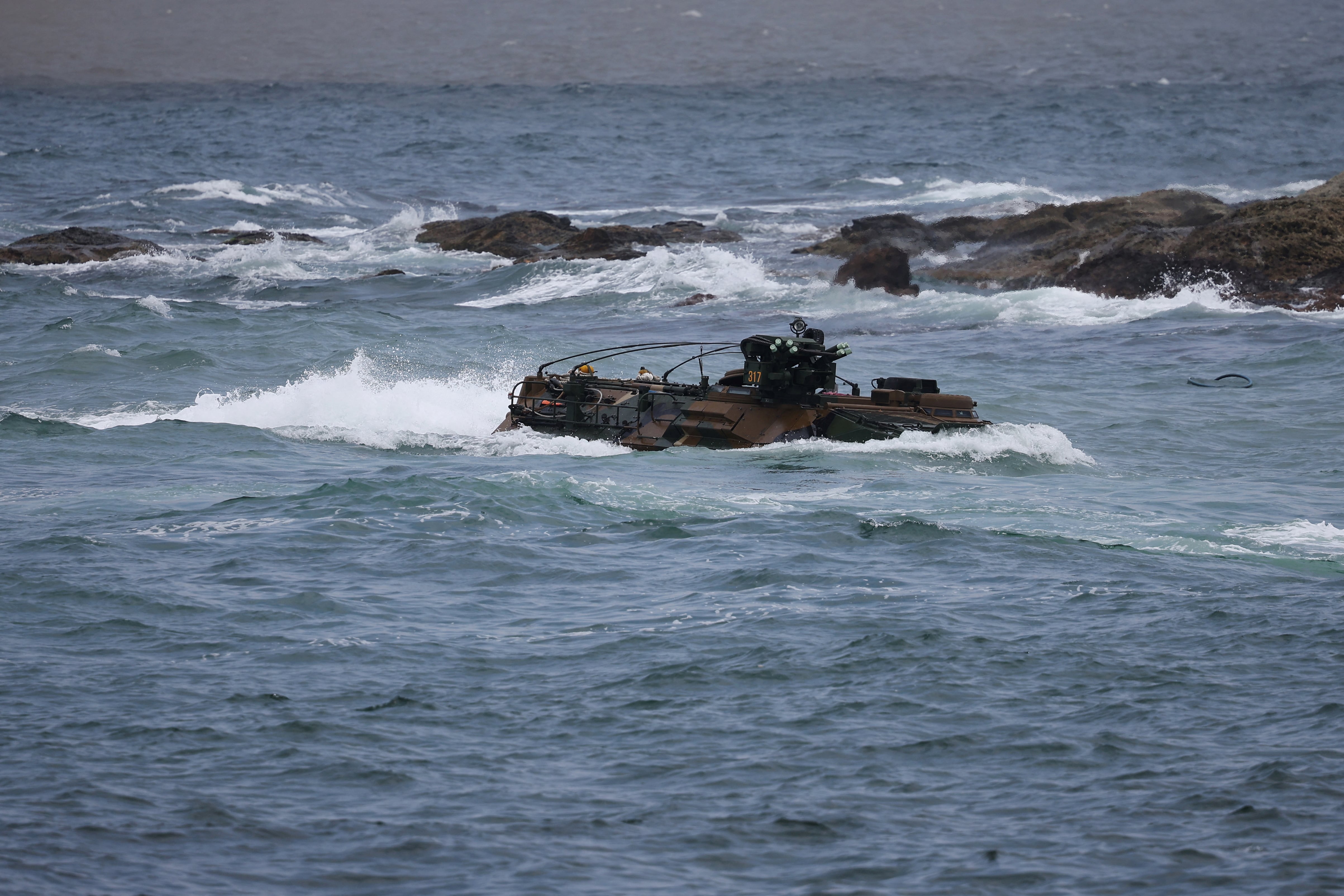
The drills included an interoperability check with a simulated joint landing, as well as medical assistance and casualty evacuation exercises using South Korean KUH-1M medevac helicopters and U.S. C-130 Hercules transport aircraft.
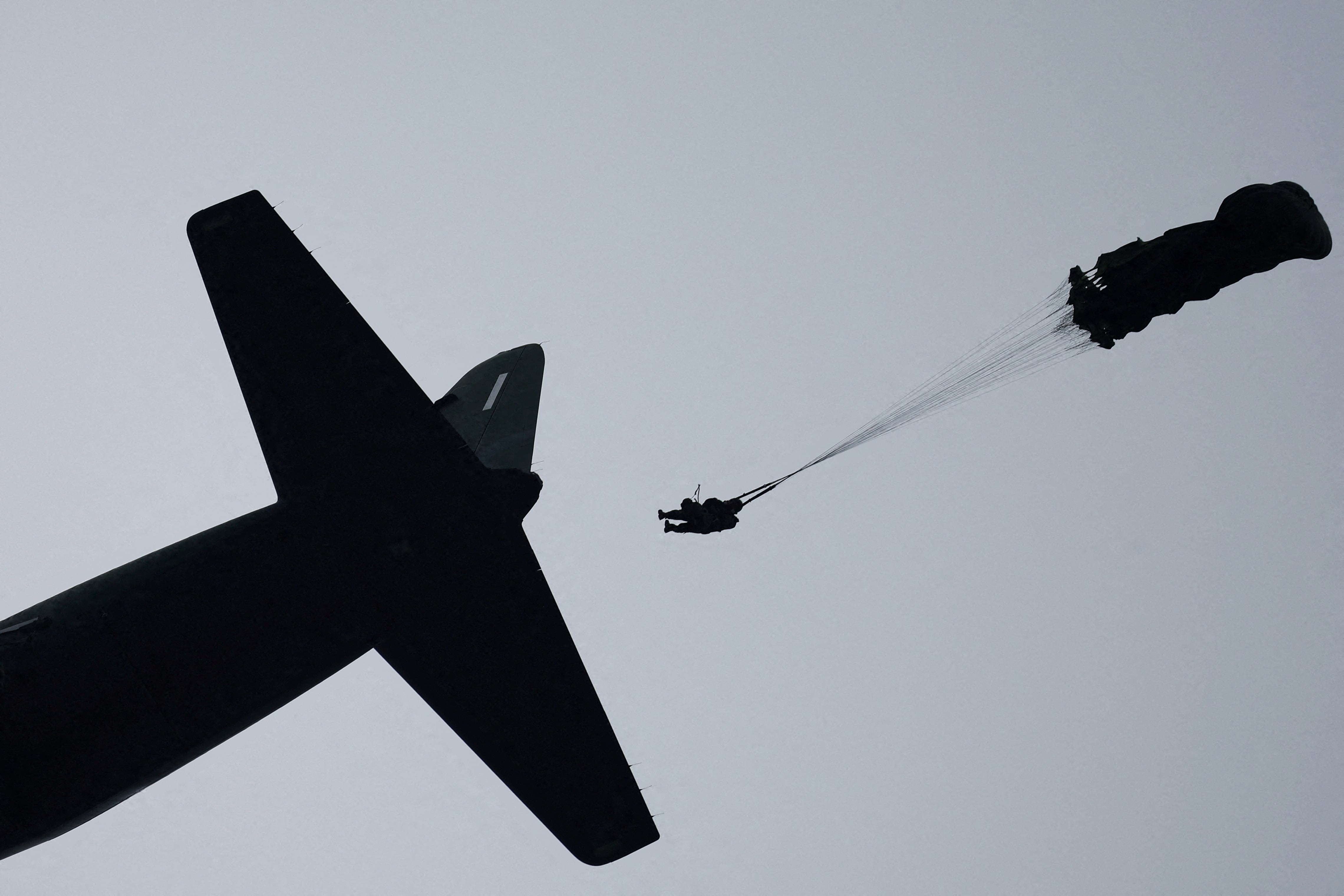
These exercises, conducted regularly since 2017, are part of training designed to improve the efficiency of military logistical distribution, covering personnel, fuel, and equipment destined for combat units.
The drills follow Seoul’s statement two weeks ago that it is maintaining “close coordination” with the United States after North Korea’s recent projectile launches.
Lee Kyung Ho, deputy spokesperson for South Korea’s Ministry of Defense, said that “South Korea and the United States detected and tracked, in real time, the multiple projectiles launched by North Korea (…) maintaining close coordination for all contingencies.”
Lee added that the projectiles were classified as “tactical weapon systems” and affirmed that the bilateral mechanism for information exchange and coordination with the United States “continues to operate perfectly,” according to Yonhap.
“Our Armed Forces maintain a round-the-clock state of alert,” Lee emphasized, urging confidence in the commitment of South Korean and U.S. forces to the country’s defense and public safety.

North Korean leader Kim Jong Un oversaw the tests, which coincided with the 76th anniversary of the Korean War (1950–1953) and involved the use of new artillery systems and missiles. Kim reiterated an intention to instill “fear” and “unease” in “the enemy,” referring to Seoul.
South Korean President Lee Jae-myung has advocated since June 2025 for diplomatic engagement with Pyongyang, but no formal talks have taken place so far. The two Koreas remain technically at war because the 1953 conflict ended with an armistice rather than a peace treaty.
North Korea announced last Friday that it will strengthen its nuclear forces in both quality and quantity as part of its military modernization. The decision was made during a plenary meeting of the ruling party’s central military commission.
State news agency KCNA reported that the regime agreed to “strengthen the nuclear force in both quality and quantity and proceed with plans to standardize, specialize, and modernize military bases.” The report added that the technical infrastructure of combat systems will be modernized and the construction of “modern naval bases” will be accelerated.
(With information from Europa Press)