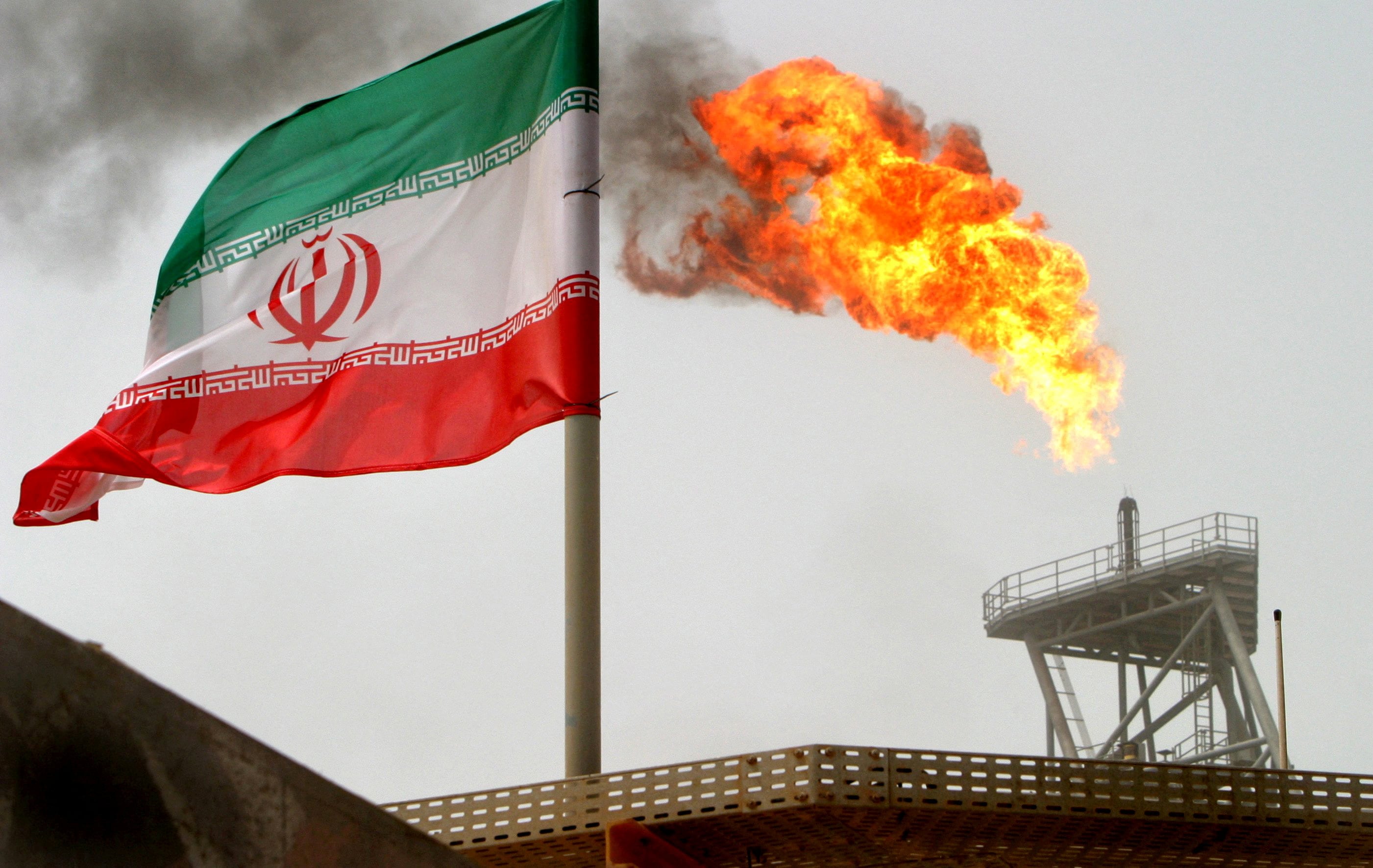

The International Monetary Fund (IMF) warned that global oil flows could take two to three months to normalize after the Strait of Hormuz fully reopens to navigation, following the blockade announced days earlier by the Iranian regime amid a new escalation of the conflict in the Middle East.
The institution expressed concern about possible permanent losses in crude supply. According to the IMF, “industry estimates suggest it will take between two and three months before a significant portion of oil flows can resume after a full reopening of the strait.”
The IMF highlighted worries about the effects of prolonged production disruptions, particularly in cases where a lack of financing hinders the restart of oil wells. It noted that the provisional peace agreement between the United States and Iran contributed to lower oil prices because of the volume of crude stored on ships waiting at sea, but warned that the recent rise in tensions is putting renewed pressure on supply.
“Many uncertainties remain, including when freedom of navigation through the world’s most critical oil chokepoint will be effectively restored and how quickly shipping companies, insurers and operators will regain confidence,” the IMF stressed in its latest publication.

The energy crisis stemming from the conflict with Iran affected crude supply in an unprecedented way, although reduced demand due to higher prices, increased production outside the Middle East and existing reserves helped offset part of the impact. The IMF urged policymakers to restore reserve levels to their pre-conflict state, calling this “essential to prepare for future crises.”
The institution also warned that reliance on a single critical chokepoint leaves the global economy exposed and emphasized the importance of diversifying energy sources, including renewables. “Market flexibility and rapid policy measures gave the global economy some relief. A durable agreement between the United States and Iran would open the door to supply recovery. However, significant efforts are still needed to increase resilience and diversify energy supply to prevent oil crises from destabilizing the world economy,” the IMF concluded.
On Tuesday, prior to the trade forecast published by the IMF, the U.S. Department of the Treasury announced sanctions on more than 50 people, entities and vessels linked to an alleged illicit maritime transportation and sanctions-evasion network, in response to the recent escalation of hostilities in the Middle East. The action aimed to increase economic pressure on Tehran and dismantle the network associated with Mohamad Hosein Shamjani.
The Office of Foreign Assets Control (OFAC) seeks “to disrupt and degrade Mohamad Hosein Shamjani’s illicit maritime transport and sanctions-evasion network,” the Iranian oil magnate, and to reinforce pressure on Iran following the resumption of its “destabilizing attacks in the Strait of Hormuz.”
The measure raises to more than 200 the number of people, entities and vessels sanctioned in connection with this network. Those targeted include Hoseín Qorbani Zahed and Mohamad Reza Rahbar Madani, accused of providing currency-exchange services to shell companies, and Ali Rajbarmadani, an individual with Iranian and Russian nationality identified as a close business associate of Shamjani. Also highlighted is the company Sea Lead Shipping PTE. Ltd. (Sea Lead), based in Singapore, and its subsidiaries in Dubai, the Marshall Islands and India, which are considered key to the network’s container shipping operations. As a result, all property and interests in property of the designated persons and entities that are located in the United States or are under U.S. jurisdiction are blocked and must be reported to OFAC. In addition, all transactions by U.S. persons or from the United States involving the property of the sanctioned parties are prohibited unless expressly authorized. (With information from Europa Press)