

The U.S. Department of the Treasury on Wednesday imposed sanctions on an international network of Iranian and Russian nationals, as well as on entities based in Iran, Russia and Nigeria, accused of helping Tehran acquire weaponry. The move adds to sustained economic and military pressure that Washington has stepped up in recent weeks following the collapse of negotiations with Iran.
According to the Treasury, Wednesday’s targets “illustrate how Iran uses foreign aviation and transport companies, financial conduits and travel coordinators to conceal the Islamic Revolutionary Guard Corps’ (IRGC) role in the illicit procurement of material and the global movement of personnel.”
Wednesday’s actions are part of a series of consecutive economic strikes. On Tuesday, the Treasury announced penalties against the shipping network of Hossein Shamkhani, described as the Iranian leader of a business network that, according to Washington, manages strategic oil and arms operations for Tehran and Moscow. That same day more than 50 entities were sanctioned, including shipping companies, vessels, digital wallets and individuals linked to Shamkhani.
Treasury Secretary Scott Bessent also reported the freezing of more than USD 130 million in digital asset wallets allegedly tied to the Central Bank of Iran. “The Treasury is dismantling the financial infrastructure that allows the regime to continue threatening the national security of the United States and global navigation,” he said.
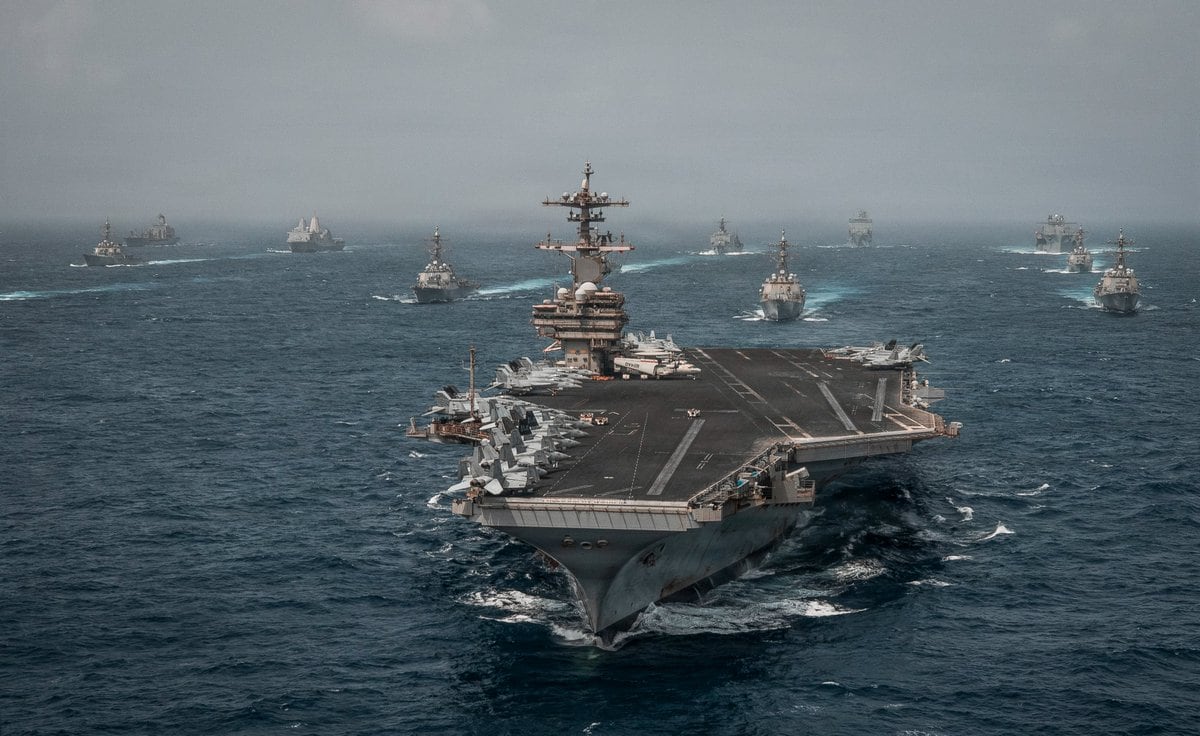
Alongside Tuesday’s sanctions, President Donald Trump reactivated a naval blockade on vessels transiting to or from Iranian ports or coastal areas. U.S. Central Command (CENTCOM) confirmed the measure took effect at 4:00 p.m. New York time that day.
The resumption of the blockade follows the failure of talks launched under a provisional peace agreement signed on June 17 by Trump and Iranian President Masoud Pezeshkian. Tensions over control of the Strait of Hormuz, a vital route for global energy flows, led to renewed attacks and the suspension of negotiations.
This week’s sanctions mark an abrupt turn from the initial plan to reintegrate Iran into the global economy through licenses conditioned on compliance in various areas. After the memorandum of understanding was signed, Bessent had indicated that Iran would begin invoicing its oil sales in U.S. dollars.
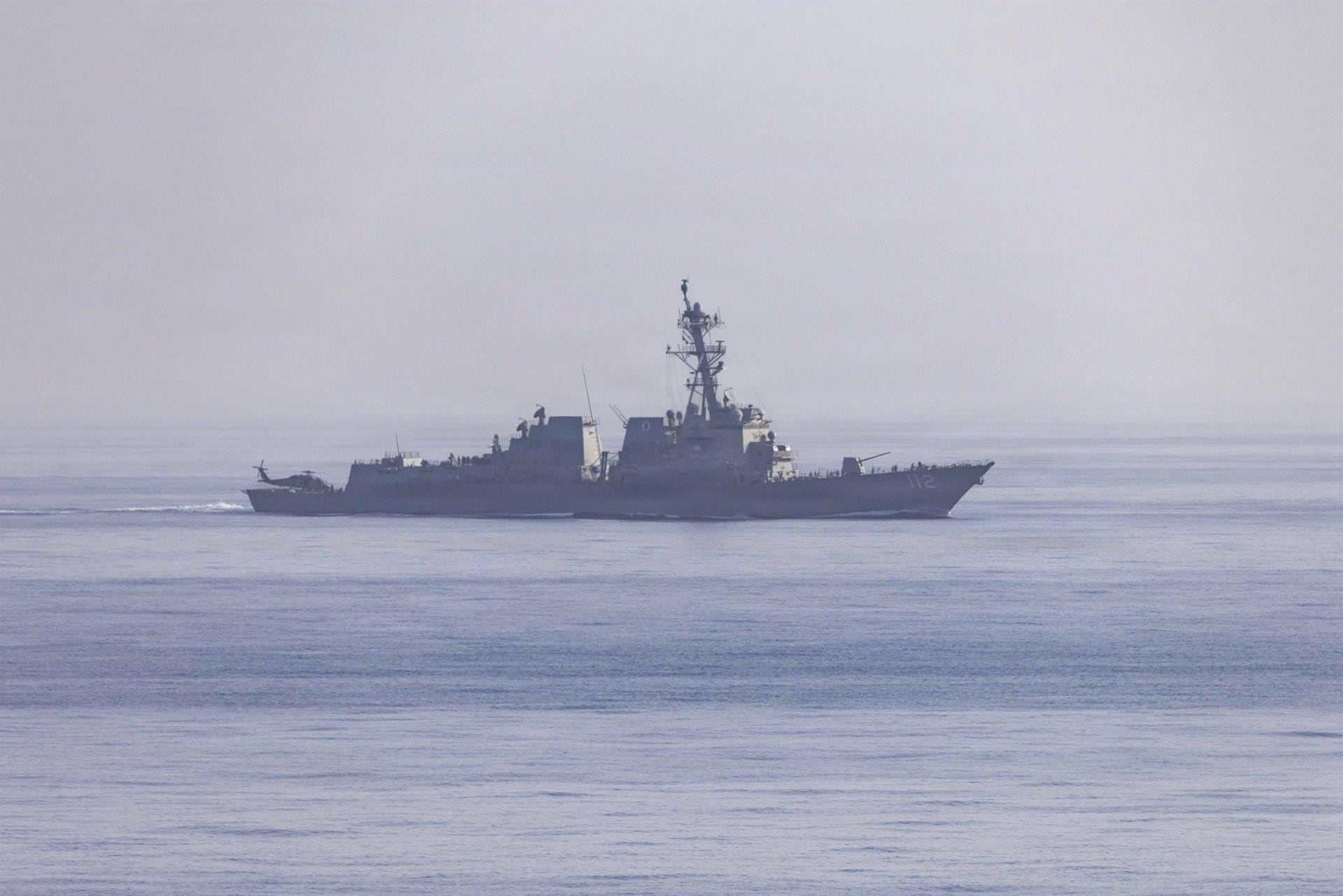
On July 8, Washington revoked the waiver that had permitted new sales of Iranian crude, following a series of attacks on vessels in the Strait of Hormuz attributed to Tehran. Two days later, on July 10, it imposed additional sanctions on the financing network of Supreme Leader Mojtaba Jamenei.
Wednesday’s measures add to earlier actions in May against individuals and companies in China and Hong Kong accused of supporting Iran’s weapons sector, and to June sanctions targeting 11 people and entities for assisting the IRGC and Iran’s military forces in obtaining armaments.
(With information from Reuters and Bloomberg)