
U.S. forces fired missiles at a commercial tanker that was attempting to proceed to an Iranian port after ignoring multiple warnings, as part of the resumption of a naval blockade on vessels bound to or from Iran, the U.S. Central Command (CENTCOM) reported on Wednesday.
According to a statement published by CENTCOM on the social platform X, U.S. forces detected the M/T Belma, an oil tanker flying the Curaçao flag, while it was sailing in international waters heading toward Kharg Island, one of Iran’s main oil export terminals.
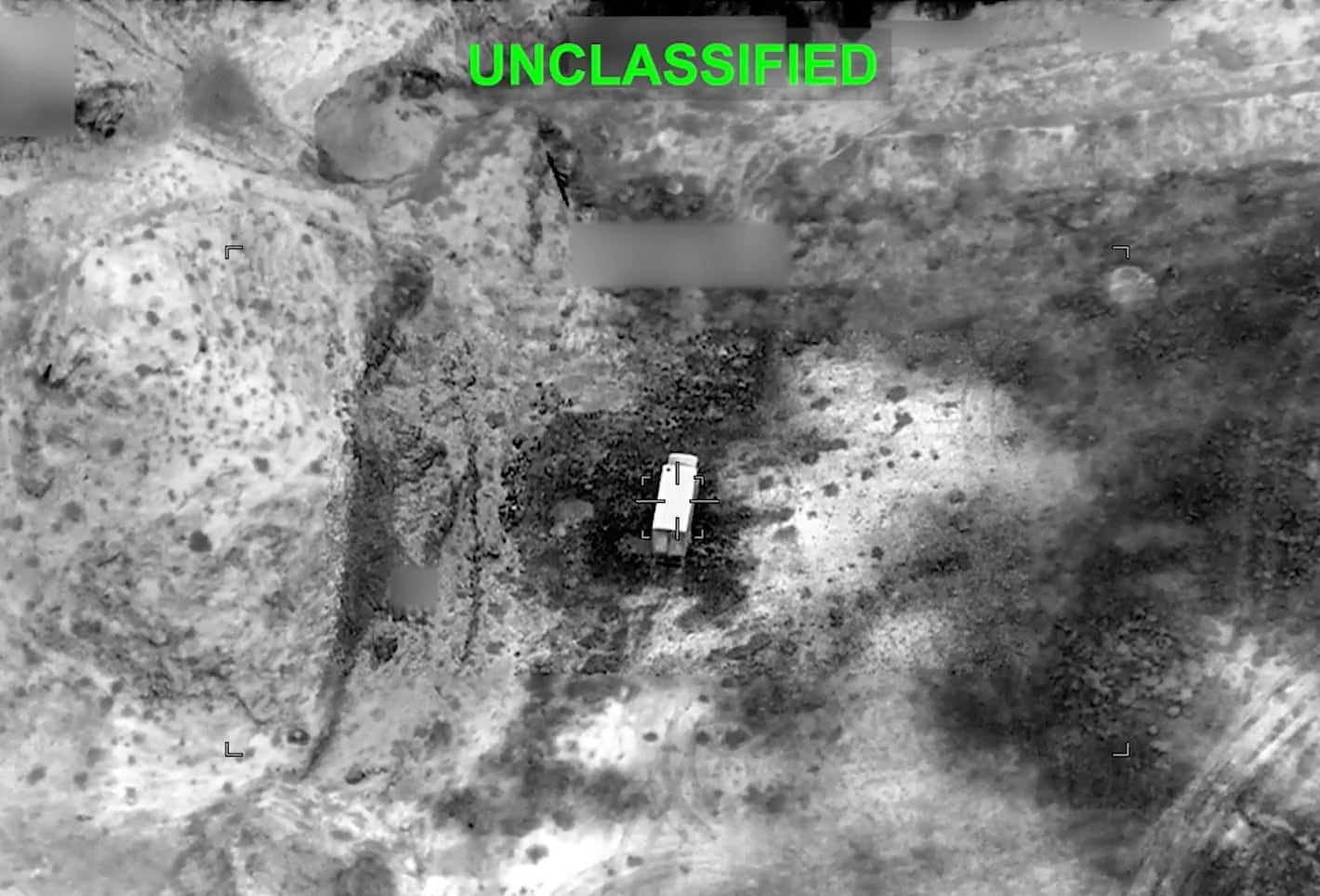
“The commercial vessel ignored multiple warnings while attempting to violate the U.S. blockade,” the military body said. In response, a U.S. aircraft fired Hellfire missiles at the ship’s funnel, disabling it and preventing it from continuing toward Iran.
The tanker “is no longer en route to Iran,” CENTCOM stated, confirming that its forces have reinstated naval blockade measures against vessels transiting to or from Iranian ports and coastal areas.

The operation took place in the early hours of a new phase of increased U.S. military pressure on Tehran. CENTCOM reported that the blockade was reactivated at 16:00 Eastern Time on July 14 and that, within the first 24 hours, its forces diverted two commercial vessels that complied with orders and neutralized one that did not comply.
The incident followed a second wave of U.S. strikes against Iran aimed at military capabilities Washington says have been used to threaten ships transiting the Strait of Hormuz, one of the world’s most important energy shipping routes.
The U.S. offensive began at 15:00 Eastern (19:00 GMT) and targeted assets intended to “degrade Iran’s ability to threaten navigation” in that strategic Gulf shipping corridor, CENTCOM said.
During those strikes, U.S. forces used precision munitions against coastal defense systems, storage facilities and cruise missile launch platforms located on Greater Tunb Island in the Persian Gulf.
The new military escalation follows U.S. President Donald Trump’s declaration that a truce with Tehran has ended and his directive to resume a pressure campaign against the Iranian regime. The recent U.S. strikes add to earlier operations against Iranian military targets that Washington says further degraded Tehran’s offensive capabilities.
At the same time, the Gulf Cooperation Council (GCC) accused Iran of pushing the Middle East toward a new crisis through attacks on Arab member states of the organization, as well as actions against Jordan.
Tehran, for its part, accused the United States of having “shattered” the memorandum of understanding intended to end the conflict and reported more than 30 civilian deaths from recent U.S. strikes.
Trump said this week that he is not seeking negotiations with Iran for now, although he acknowledged that representatives of both countries have held contacts while Tehran continues to seek an agreement with Washington.

Tensions are concentrated in the Persian Gulf, where the Strait of Hormuz is a strategic chokepoint for global oil transport. Any prolonged disruption to that route could affect international energy markets.