
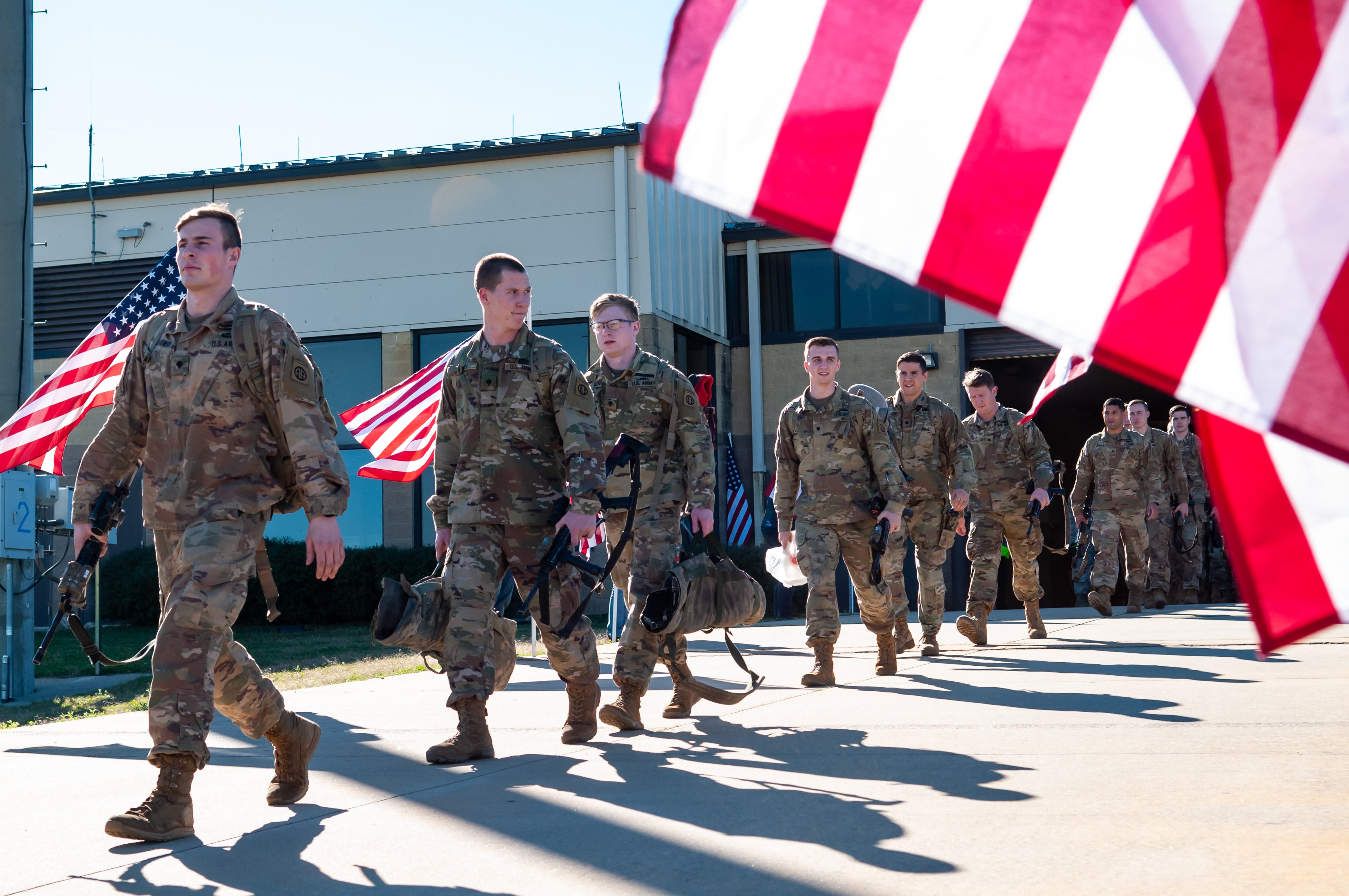
The United States will withdraw all its military forces from Iraq before September 30, U.S. and Iraqi officials confirmed on Tuesday, ending a 23-year military presence that began with the 2003 invasion aimed at toppling Saddam Hussein and that in recent years had been reduced to advisory and support operations against the Islamic State.
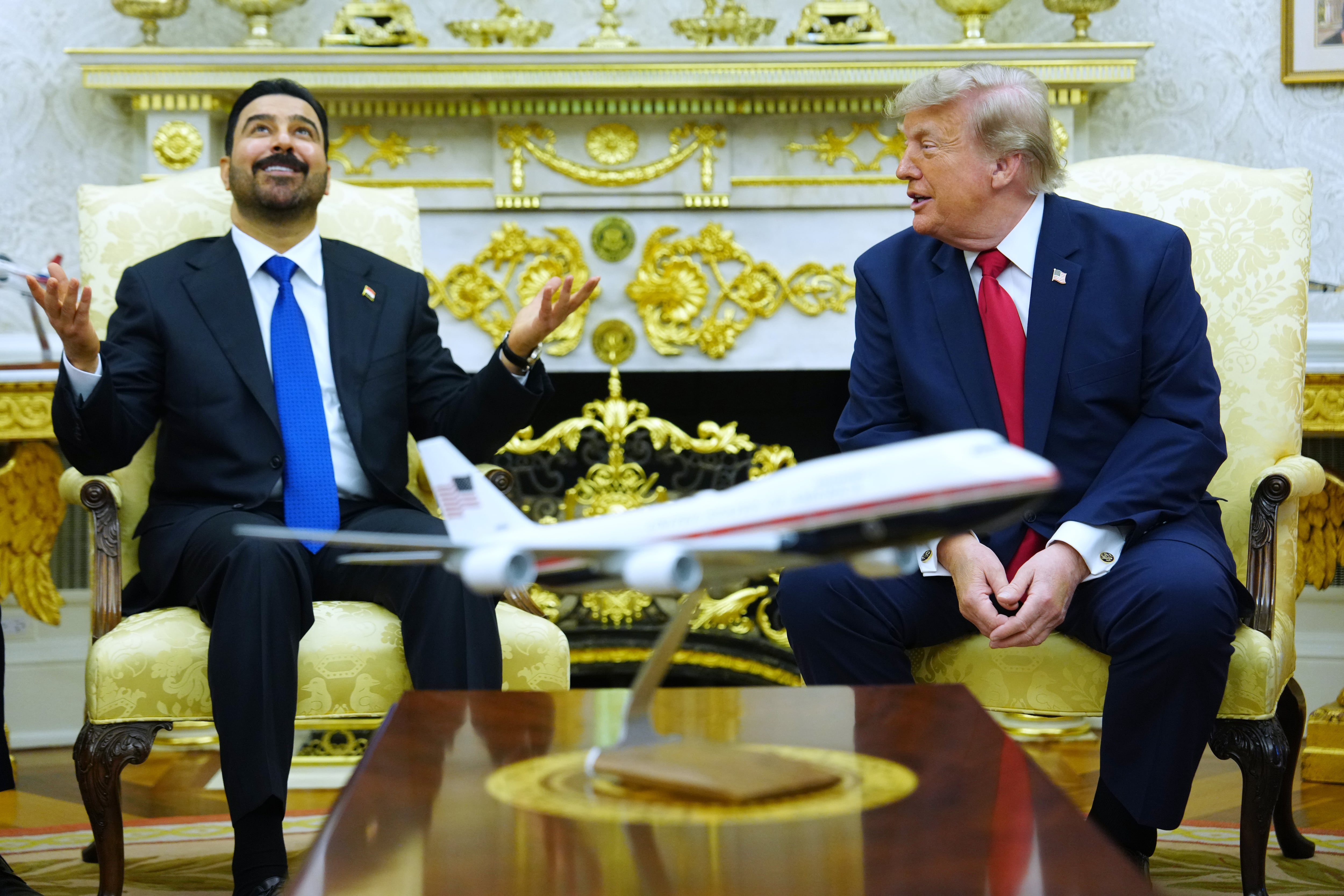
The announcement was made during a meeting at the White House between U.S. President Donald Trump and Iraqi Prime Minister Ali al-Zaidi. The U.S. president said the military presence is no longer necessary given the evolution of the bilateral relationship.
“We don’t believe we need the military there anymore,” Trump said. He added, “The relationship is much broader and we no longer need the military. We are there to help them. We are there to protect them if necessary. But we don’t believe that will be necessary.”
For his part, Ali al-Zaidi, speaking through an interpreter, confirmed the agreed timetable for the withdrawal. “U.S. forces will be out of Iraq by September 30, while U.S. companies will remain in Iraq,” the Iraqi prime minister said.
Shortly after the meeting, the Pentagon affirmed the commitment made between the two countries in 2024, during the administration of then–President Joe Biden, to end the U.S. military mission against Islamic State fighters. Since that agreement, a significant portion of U.S. personnel has already left Iraqi territory.
In recent years, the United States gradually transferred responsibility for fighting the Islamic State to Iraqi security forces, which received training and assistance from the U.S. military. At the same time, American troops reduced their on-the-ground presence, abandoned various positions, and concentrated their forces in an increasingly smaller number of bases.
The U.S. military presence in Iraq began in March 2003, when the United States launched an invasion intended to overthrow Saddam Hussein’s regime. The offensive started with an intense bombing campaign known as “shock and awe,” which paved the way for ground forces to advance toward Baghdad.
The invasion was justified by allegations that the Iraqi regime was concealing weapons of mass destruction. Those weapons were never found, a central controversy of a war that reshaped the political and security landscape of the Middle East.
At the height of the counterinsurgency campaign, in 2007, the U.S. military deployment exceeded 170,000 troops. Later, the administration of President Barack Obama negotiated a gradual reduction of deployed forces.
In December 2011, the last U.S. combat soldiers left Iraq. From that point on, only a small contingent remained to provide security assistance and a Marine detachment was assigned to protect the U.S. embassy.
The situation changed in 2014, when the advance of the Islamic State allowed the group to control large areas of Iraq and Syria. In that context, the Iraqi government again requested assistance from the United States and allied countries to rebuild and train police and military forces that had collapsed in the face of the jihadist offensive.
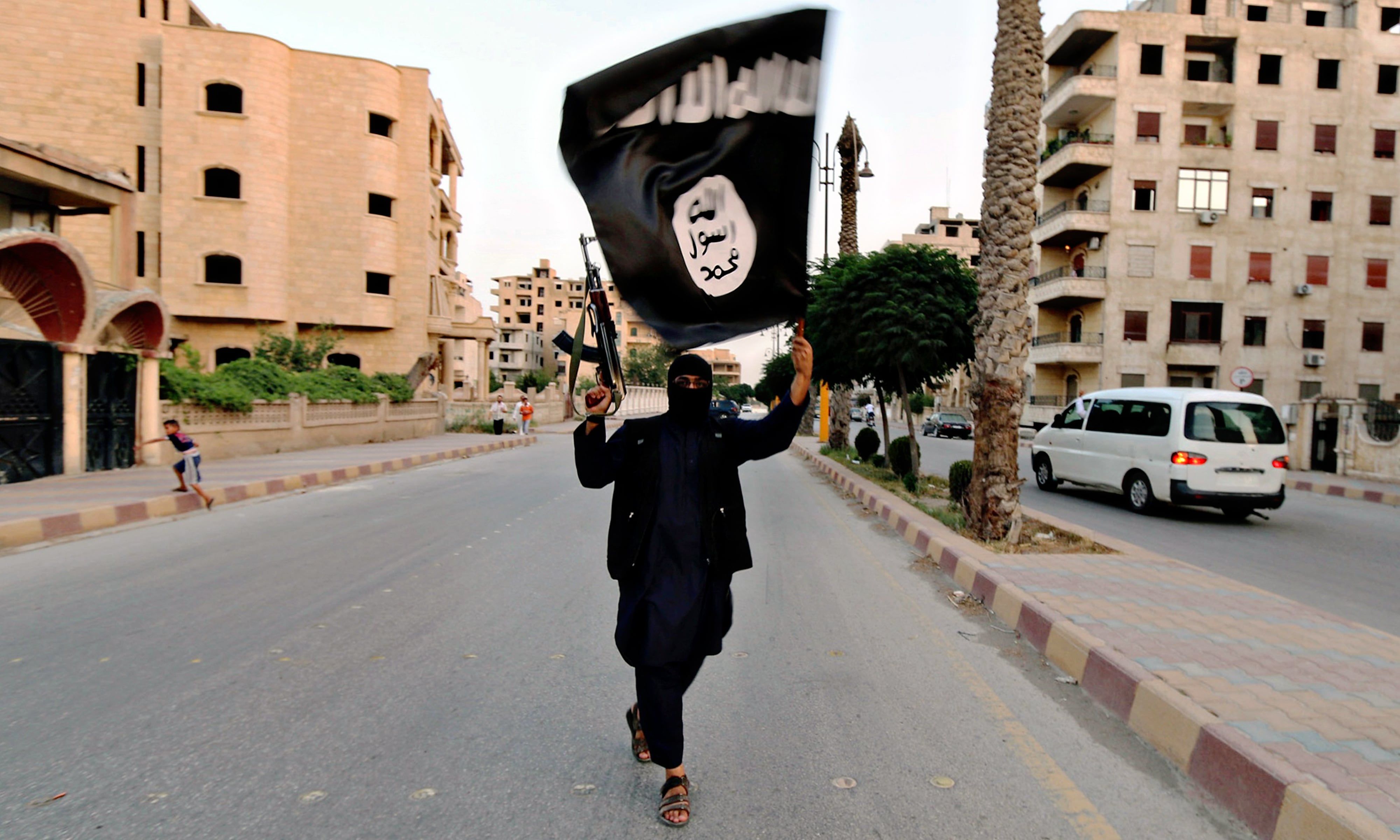
After the Islamic State lost control of the territory it had occupied, international coalition operations concluded in 2021. Nevertheless, the United States continued to maintain around 2,500 troops in Iraq to carry out training duties and to join Iraqi forces in operations against remnants of the extremist group.
(With reporting from the Associated Press)