
The United States Central Command (CENTCOM) carried out a third consecutive wave of strikes against Iran in the early hours of Tuesday on orders from President Donald Trump, after the president warned Iran would be struck “very hard” and said: “There is nothing they can do about it. They have nothing.” Hours later, the U.S. military command reported the offensive targeted Iranian military capabilities linked to the Strait of Hormuz.
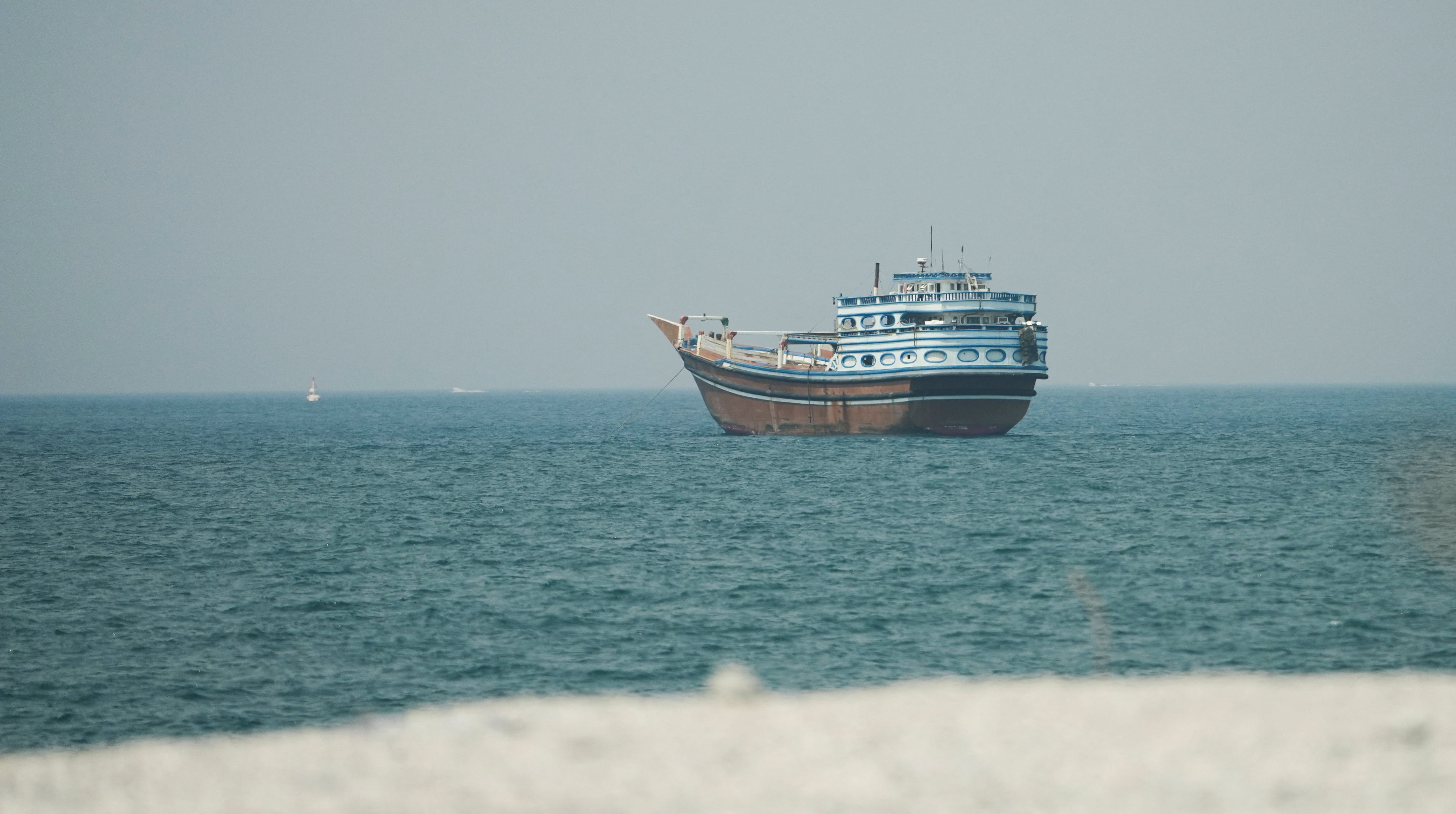
Soon after the bombings, the United Arab Emirates reported that Iranian cruise missiles hit two Emirati oil tankers transiting the southern lane of the Strait of Hormuz, in Omani territorial waters. The attack left one crew member dead and eight people injured.
Following the overnight strikes, Iran’s Islamic Revolutionary Guard Corps (IRGC) claimed on Tuesday morning to have conducted additional missile and drone attacks against the Juffair naval base in Bahrain, home to the U.S. Fifth Fleet, and said it also struck an air base in Jordan used by U.S. forces.
After the memorandum of understanding between the United States and Iran collapsed and hostilities resumed last week, Trump said the strait would remain open “with or without Iran” and announced that the United States will charge a 20% fee to ships transiting the waterway to cover security costs. In response, Iran’s senior military leadership said Washington has no authority over the strait’s future, while Foreign Minister Abbas Araqchi wrote on X: “Tehran will always be the guardian of the strait.”
Below is minute-by-minute coverage:
Netanyahu warned Iranian leaders that Israel will respond if attacked
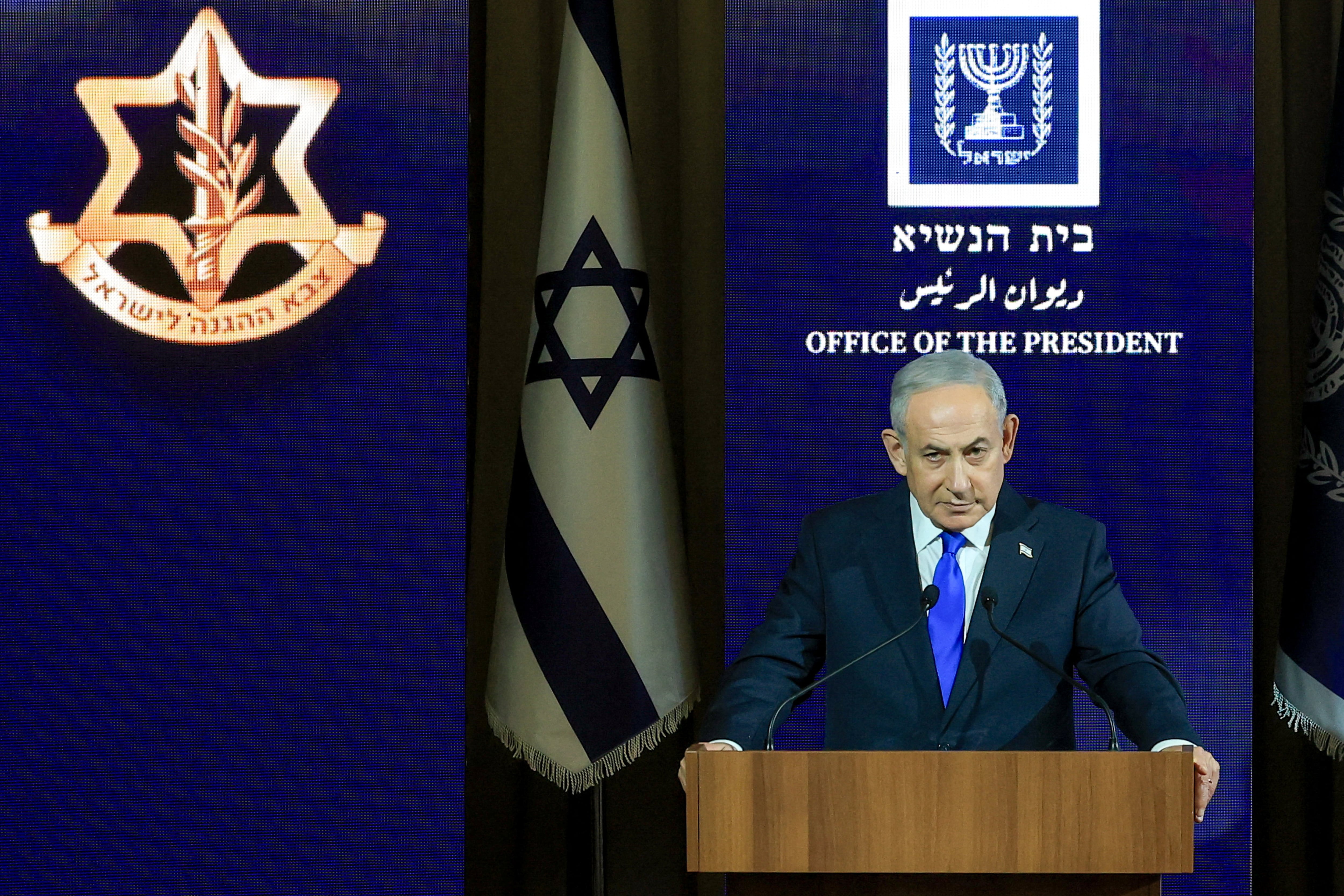
Israeli Prime Minister Benjamin Netanyahu pledged a forceful response against Iran if Tehran carries out another attack against Israel.
“I tell the Iranian leaders: do not expect the situation to remain calm if they attack us,” Netanyahu said at a conference. He added: “The days when someone attacked us and we did not answer with a decisive strike are over.”
Israel said it is willing to withdraw from two areas in southern Lebanon
Israel said it expects its talks in Rome with Beirut to help implement an agreement on two “pilot zones” in southern Lebanon, from which Israeli troops would withdraw.
Both countries, technically at war for decades, are negotiating under U.S. auspices amid a regional escalation between Washington and Tehran.
On June 26 they reached a framework agreement intended to end the war between Israel and the pro-Iranian militant group Hezbollah and to open a path toward peace.
But Hezbollah rejects the deal, which requires the group’s disarmament and whose implementation would begin with the Israeli withdrawal from two “pilot zones” in southern Lebanon.
The Lebanese presidency warned on Monday that it will demand this withdrawal as a condition for further negotiations. Israel’s foreign minister, Gideon Saar, said his country is “willing to move forward with the implementation of those two pilot zones.”
“I hope and want to believe that this round of talks in Rome will facilitate that,” Saar told reporters in Jerusalem.
Oman reaffirmed its cooperation to restore navigation in Hormuz after attacks on vessels
Oman’s Ministry of Foreign Affairs reaffirmed that Muscat maintains “transparent and neutral cooperation with all parties” to restore navigation in the Strait of Hormuz, following the attack that caused significant damage to two Emirati tankers.
“The Ministry of Foreign Affairs of the Sultanate of Oman reaffirms that Oman maintains its transparent and neutral cooperation with all parties to restore freedom of navigation in the strait, in full compliance with international law,” the ministry said in a brief statement.
It also confirmed its “firm commitment to its obligations as a signatory state to the United Nations Convention on the Law of the Sea” and urged “all parties,” implicitly referring to Iran, to “respect and adhere to international law.”
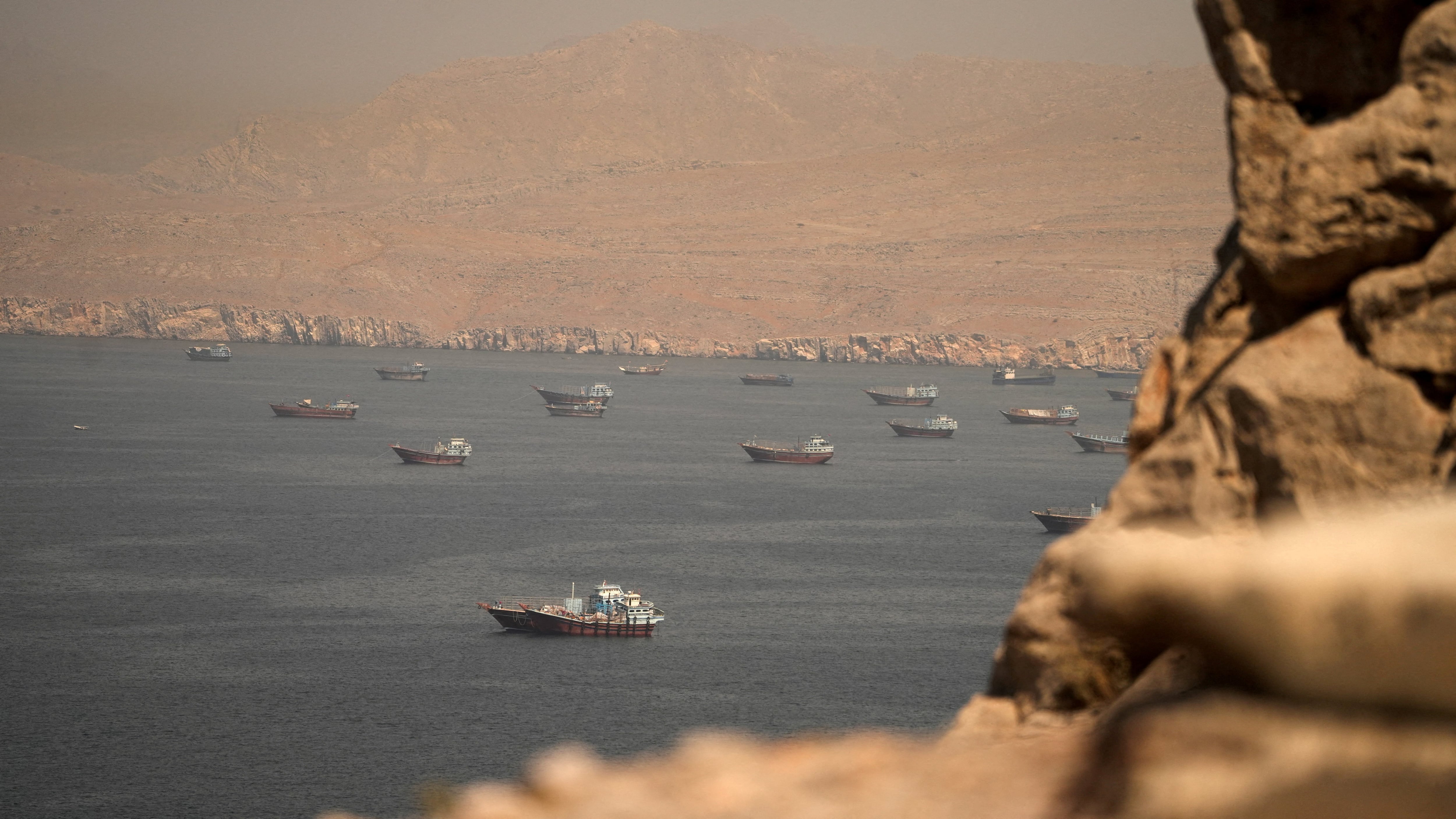
The Strait of Hormuz lies between Iran and Oman, two countries that have held talks in recent months about managing this natural maritime passage. Tehran has proposed imposing a transit fee while Muscat opposes such a levy.
A Norwegian tanker exploded off the coast of Oman
A Norwegian tanker was struck by an explosion caused by an unidentified device off the coast of Oman in the early hours of Tuesday, with no casualties reported, MTI Network, a crisis management firm, said citing the shipowner.
Around 00:40 local time the Stolt Magnesium, sailing in the Arabian Sea off Oman, “was hit by the explosion of an external unidentified device,” MTI Network said in a statement citing information from Stolt Tankers.
The blast sparked a fire in the ship’s engine room but, according to the same source, the crew is “fortunately safe and accounted for.”
The U.K. Maritime Trade Operations (UKMTO) agency said a tanker reported being “struck by an unknown projectile in the engine room” about 40 nautical miles northeast of Qalhat, Oman.
U.S. sailors conduct flight operations aboard the USS George H.W. Bush
The United States Central Command (CENTCOM) posted images on its X account showing U.S. sailors conducting flight operations aboard the aircraft carrier USS George H.W. Bush.
“U.S. sailors conduct flight operations aboard the USS George H.W. Bush,” CENTCOM wrote in a short post accompanying a video.
The head of the Gulf Cooperation Council denounced Iran’s “terrorist” attacks
Jasim Mohamed al Budaiui, secretary general of the Gulf Cooperation Council (GCC), condemned Iran’s “terrorist” attacks on Emirati tankers in the Strait of Hormuz, saying they represent a “blatant violation” and a “serious breach” of international law and norms governing maritime navigation.
“He expressed his strongest condemnation and denunciation of the Iranian attack on the tankers ‘Mombasa’ and ‘Al Bahia,’ owned by the United Arab Emirates, which caused the death of a crew member and injuries to several others,” Al Budaiui said in a statement.
He added that the “terrorist attack” on Emirati vessels “constitutes a blatant violation and a serious breach of the principles of international law and rules concerning freedom of maritime navigation,” and also contravenes United Nations Security Council resolutions.
“The GCC stands united with the United Arab Emirates and supports all measures it takes to protect its security, sovereignty, facilities and vital interests,” the GCC secretary general said, calling on the international community to “assume its legal and moral responsibilities and adopt a firm and deterrent stance in the face of these serious and repeated Iranian attacks.”
Three Bahrainis sentenced to life for spying for Iran
Bahrain’s Supreme Criminal Court on Tuesday sentenced three Bahraini nationals to life imprisonment after finding them guilty of spying for Iran’s Revolutionary Guard and collaborating with that “terrorist group” to carry out “hostile actions” against the small Gulf kingdom.
The Terrorism Crimes Prosecutor’s Office said in a statement that the cases were separate, but the sentences were handed down in a single hearing today in Manama as part of a series of trials in recent weeks against dozens of Bahrainis accused of spying for or sympathizing with Iran.
The three convicted individuals, one tried in absentia, were accused “of espionage for the Iranian Revolutionary Guard and its collaborators, with the aim of assisting them in hostile and terrorist acts against the Kingdom of Bahrain and harming its interests. The court sentenced them to life imprisonment and ordered the confiscation of seized items,” the statement said.
It detailed that charges included “providing to an electronic account managed by the terrorist group the Revolutionary Guard videos of Iranian missile attacks against Bahrain,” as well as supplying “locations and coordinates of vital places within the country for attack by the enemy.”
Iran reported U.S. strikes in a border area near Iraq and Kuwait
U.S. strikes hit an Iranian border area close to Iraq and Kuwait on Tuesday, local authorities reported, amid heavy fighting between the two countries.
The cities of Abadan, home to the oldest oil refinery in the Middle East, and the port city of Mahshahr were targeted, Valiollah Hayati, deputy governor of Khuzestan province, told the official IRNA news agency.
Iran said the U.S. attacked the port city of Bushehr
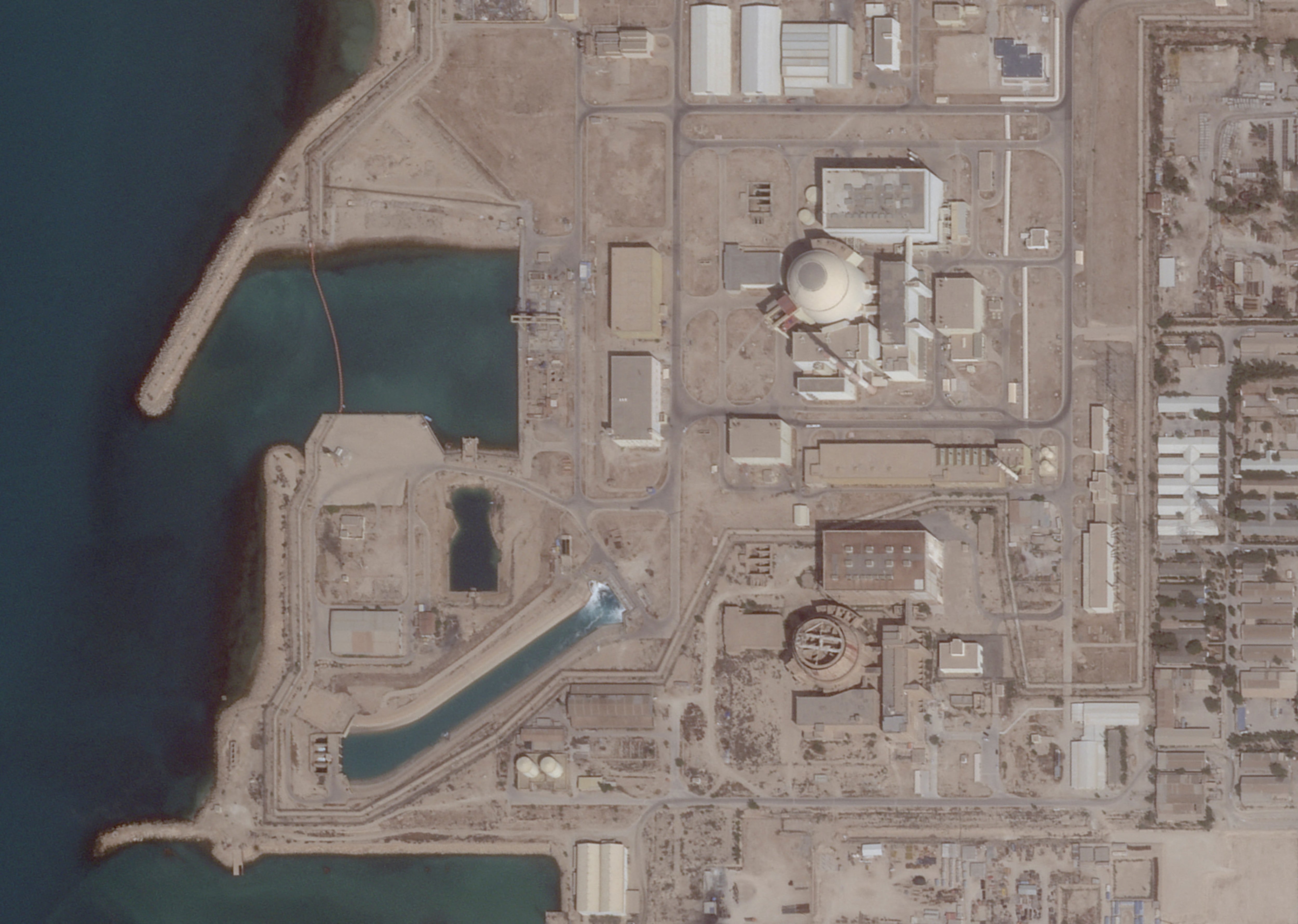
U.S. strikes hit the port city of Bushehr on Tuesday, where Iran’s only civilian nuclear power plant is located, local authorities said amid the escalation between Tehran and Washington.
“Four points in the city of Bushehr were hit by hostile projectiles at midday (08:30 GMT),” deputy provincial governor Ehsan Jahanian told the official IRNA news agency, attributing the attacks to the United States.
/america/mundo/2026/07/14/estados-unidos-suspendio-la-retirada-de-aviones-cisterna-militares-del-aeropuerto-de-tel-aviv/
The Iranian army said it will not yield “an inch” over the Strait of Hormuz
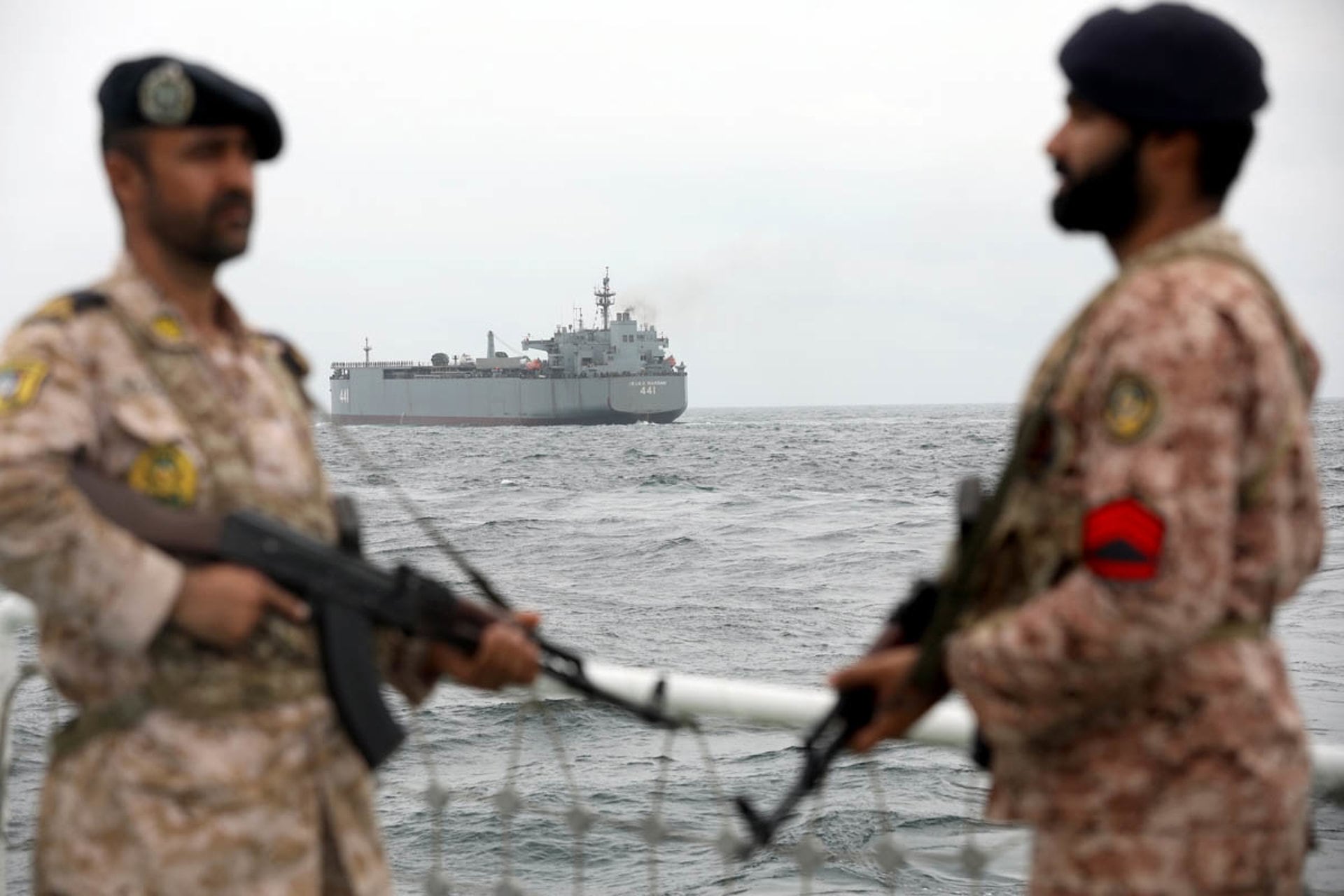
The Iranian Army said the Armed Forces will not yield “an inch” over the Strait of Hormuz after U.S. President Donald Trump announced the reestablishment of a naval blockade against Iran and said the United States would act as the “guardian” of the passage.
“The Armed Forces will not yield an inch over the Strait of Hormuz,” Army spokesman Brigadier General Mohammad Akraminia said, according to Tasnim news agency.
The military spokesman said “the Strait of Hormuz will never be reopened through war, aggression or U.S. attacks” and added that respect for the rights of the Iranian people is the only way to reopen one of the world’s most important routes for energy trade.
The IRGC declared a renewed closure of the Strait of Hormuz on Sunday “until the end of U.S. interference in the region” and warned that any attempt to reopen the waterway would receive a military response.
In recent days Iran has attacked several vessels near that strategic maritime passage. The most recent of those attacks occurred early this morning against two United Arab Emirates tankers, causing one death and eight injuries.
/america/mundo/2026/07/14/emiratos-arabes-unidos-condeno-los-actos-de-pirateria-del-regimen-irani-en-ormuz-tras-el-ataque-contra-petroleros/
India summoned an Iranian diplomat after an attack in Hormuz that killed a seafarer
The Government of India summoned the deputy head of Iran’s embassy in New Delhi, Mustafa Goharifar, after an attack on two tankers in the Strait of Hormuz killed an Indian seafarer and injured ten others, a diplomat from the Iranian mission confirmed to EFE news agency.
The Indian Ministry of External Affairs later said in a statement that it lodged a “strong protest” with the Iranian diplomat over the attacks on the vessels MT Al Bahiyah and MT Mombasa, which were transiting that strategic waterway.
“We strongly condemn these attacks and acts of violence directed at seafarers and that hinder free and safe navigation through international waterways such as the Strait of Hormuz,” the Indian Foreign Ministry said.
According to New Delhi, the two vessels were carrying a total of 30 Indian seafarers out of 46 crew members.
Of the 12 Indian citizens on board the MT Al Bahiyah, one died and another was injured. On the MT Mombasa there were 18 Indians, nine of whom were wounded, two seriously, the Foreign Ministry said.
/america/mundo/2026/07/14/un-buque-cisterna-fue-alcanzado-por-un-misil-frente-a-la-costa-de-oman/
/america/mundo/2026/07/14/trump-aseguro-que-eeuu-controla-el-estrecho-de-ormuz-y-defendio-el-bloqueo-vamos-a-dejar-pasar-a-todos-excepto-si-haces-negocios-con-iran/
Iran introduced a bill to manage the Strait of Hormuz and warned it will defend its “red lines”
Iran submitted a bill to parliament for the management of the Strait of Hormuz and warned it will defend its “red lines,” Ebrahim Azizi, chairman of the legislature’s National Security Commission, said.
In a message posted on X, Azizi reported that “last night, coinciding with the downing of U.S. drones, the bill ‘Strategic Action for the Security and Sustainable Progress of the Strait of Hormuz and the Persian Gulf’ was formally submitted to the Iranian Parliament.”
The lawmaker said, “We remain firm in defending our red lines, especially regarding the management of the Strait of Hormuz.” He also warned of further measures: “This is the first step; subsequent measures will follow.”
/america/mundo/2026/07/14/el-precio-del-petroleo-continua-subiendo-por-la-guerra-en-medio-oriente-y-agrava-la-incertidumbre-sobre-la-economia-mundial/
/america/mundo/2026/07/14/iran-reivindico-nuevos-ataques-contra-bases-estadounidenses-en-bahrein-y-jordania-tras-los-bombardeos-de-washington/
U.S. diplomatic missions in the United Arab Emirates cancel appointments
The U.S. Embassy in Abu Dhabi and the U.S. Consulate General in Dubai have canceled consular appointments through Wednesday due to the regional security situation, the embassy said in a security alert.
The announcement came after the United Arab Emirates reported that two Emirati-flagged tankers were struck by Iranian missiles in the Strait of Hormuz, causing the death of a seafarer.
Jordan shot down four missiles originating from Iran
Jordan said it intercepted and shot down four missiles that entered Jordanian airspace from Iranian territory, the state news agency reported.
Iran said it launched attacks against the U.S. Fifth Fleet in Bahrain
The IRGC said it launched missile and drone strikes against the U.S. Fifth Fleet in Bahrain.
It reported that the attacks caused a fire in fuel depots at the base and destroyed a Patriot radar, the fleet’s air control radar, a C-RAM early warning radar system, and the control and monitoring center for unmanned surface vessels (USVs).
“The retaliatory operation continues,” the statement added.
/estados-unidos/2026/07/13/estados-unidos-lanzo-una-nueva-ronda-de-ataques-contra-iran-para-degradar-su-capacidad-militar-en-estrecho-de-ormuz/