
U.S. Central Command (CENTCOM) reported in the early hours of Wednesday the end of its fourth wave of strikes against Iran and announced the resumption of a naval blockade of Iranian ports and coasts, a measure that had been suspended during the negotiations that led to the signing of the Islamabad Memorandum of Understanding. U.S. President Donald Trump declared that agreement terminated.
In response, Iran launched new attacks against U.S. military bases in Jordan, Bahrain and Kuwait. The Jordanian Army reported that its air defense systems intercepted and shot down three Iranian ballistic missiles, while Bahrain and Kuwait announced response operations.
Before the latest escalation, Trump warned that he would order attacks against Iran’s strategic infrastructure if Tehran did not agree to negotiate a ceasefire. “We will put all their power plants out of operation. We will put all their bridges out of operation, unless they sit at the table and negotiate,” he said.
The Islamic Revolutionary Guard Corps (IRGC) said the Strait of Hormuz, through which about 20% of the world’s traded oil and gas passes, will remain closed until U.S. military actions cease.
Below is the minute-by-minute coverage:
Oil rises again amid military escalation in the Middle East
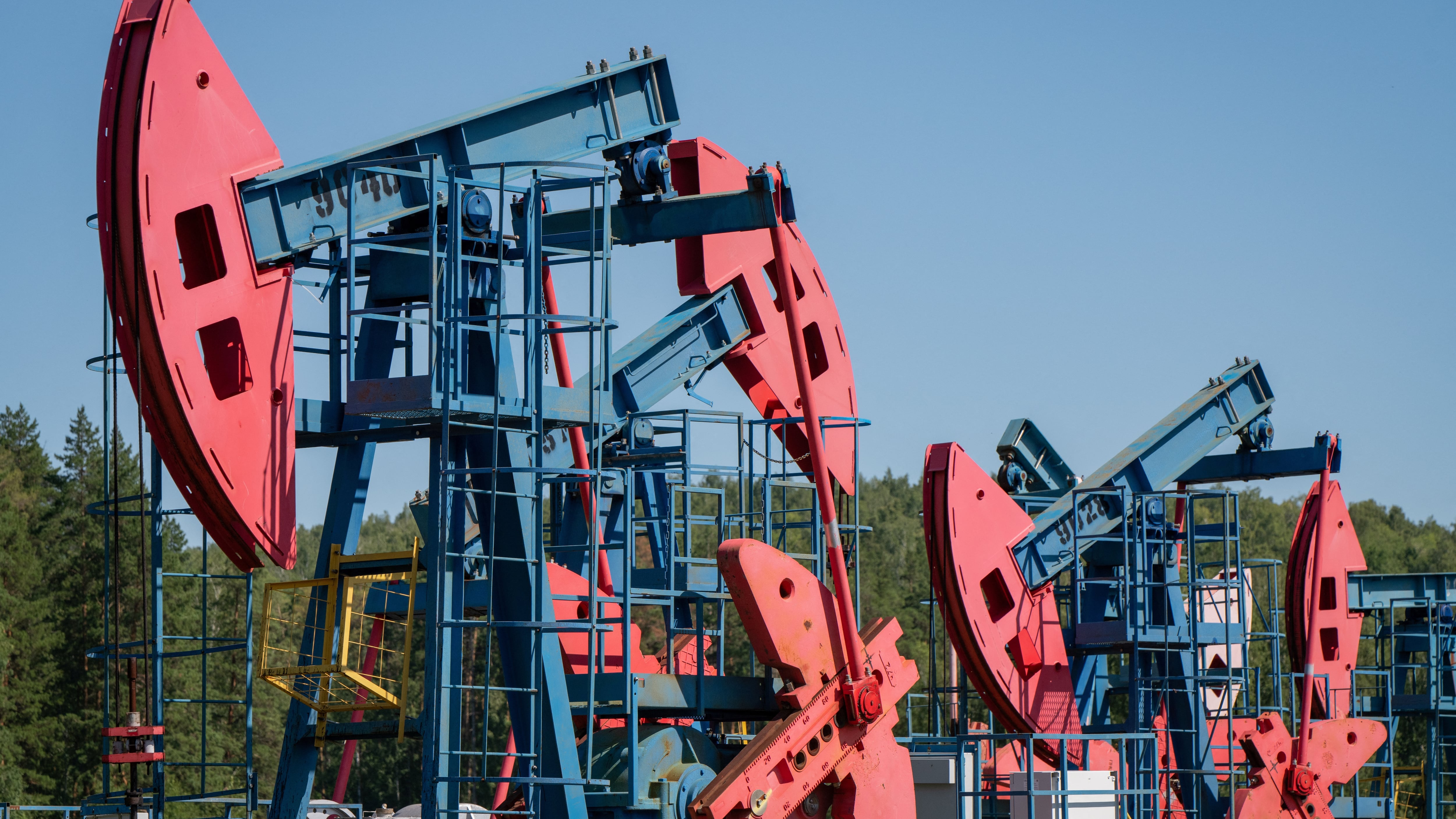
U.S. benchmark crude (WTI) rose $0.86 to $80.20 per barrel, while Brent, the international benchmark, advanced $1.15 to $85.88 per barrel.
On Tuesday, oil closed up 2% and reached a one-month high, driven by attacks that worsened supply problems in the Strait of Hormuz.
“Brent and WTI have made upward corrections in line with the escalation of attacks, but the size of the move will likely moderate now as the market waits to see any shift in posture from the U.S. and Iran,” said June Goh, senior oil market analyst at Sparta Commodities, in an interview with Reuters.
/america/mundo/2026/07/15/iran-amenazo-con-cerrar-los-corredores-de-exportacion-que-benefician-a-eeuu-y-sus-aliados-tras-el-bloqueo-de-washington-en-ormuz/
U.S. killed seven military personnel in attacks in southeastern Iran
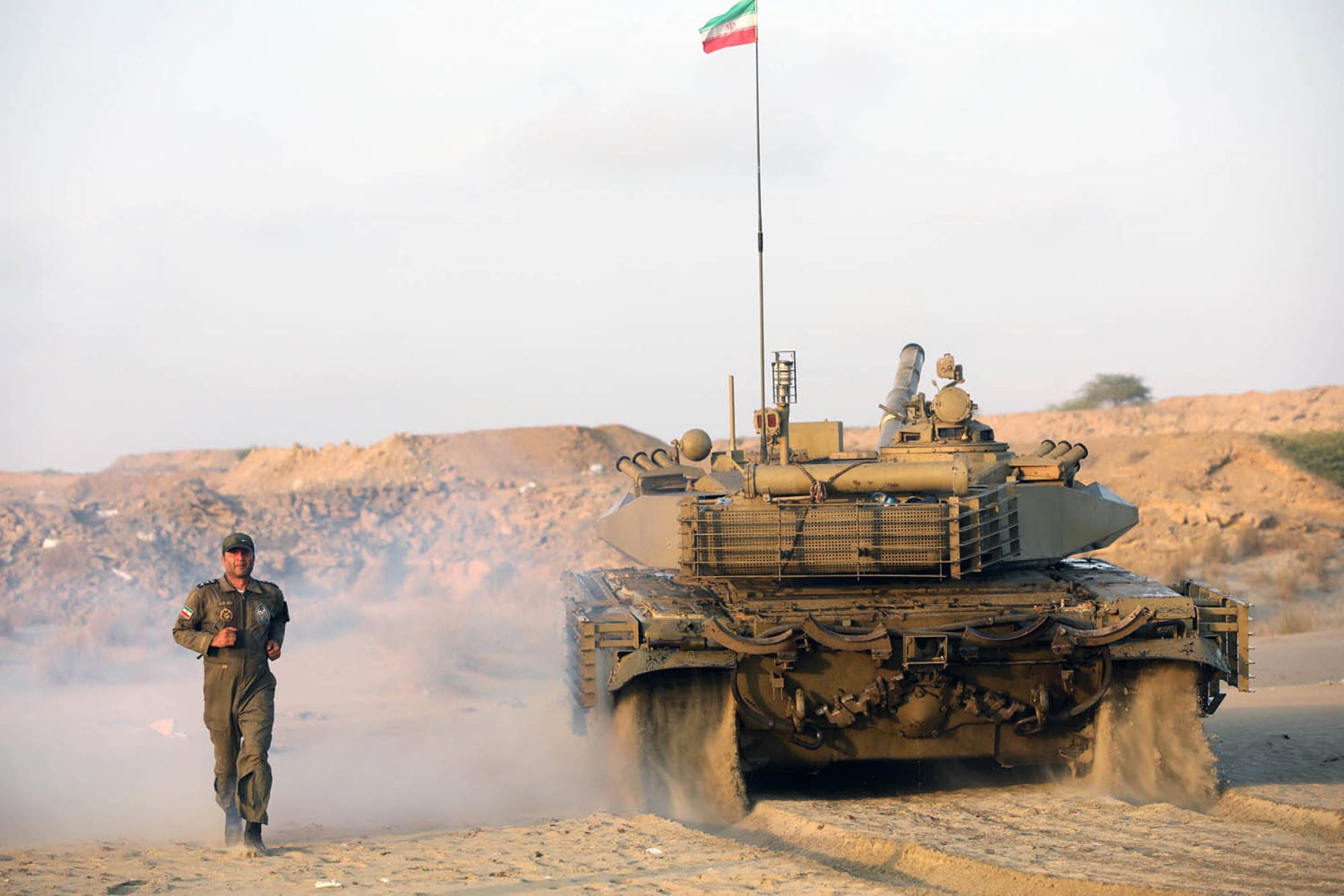
The Iranian Army announced it will respond to the attack on the Bambour barracks in Iranshahr, calling it “a cowardly aggression.” “A decisive response will be given to this crime at the appropriate time,” the statement cited by Tasnim agency said.
According to the military’s information, 13 U.S. missiles struck facilities in the Bambour barracks, killing seven members of the 388th Brigade and leaving several wounded. The Army said “passive defense measures” limited the number of casualties.
The statement claimed the U.S. strikes “aimed to cause as many casualties as possible,” targeting a guesthouse, guard posts and accommodation areas on the base.
Death confirmed of an Indian sailor missing after an attack off Oman
An Indian national who had been missing after the attack on the merchant vessel GFS Galaxy off the coast of Oman died, his father-in-law confirmed on Wednesday, according to Reuters. Of the 11 Indian crew members aboard, 10 were rescued, the Indian Ministry of External Affairs said on Sunday.
Former Iranian foreign minister urged a ground attack on a U.S. base and taking hostages
Former Iranian Foreign Minister Manouchehr Mottaki proposed launching a ground offensive against a U.S. military base in the Middle East and taking hostages to bring them to Iranian territory.
“My proposal is to launch a ground attack against one of the U.S. bases in the region, capture 100 Americans and take them to Iran,” Mottaki said. He is currently a member of the Iranian parliament.
Marco Rubio and the Jordanian foreign minister discussed Iranian attacks on vessels in the Middle East
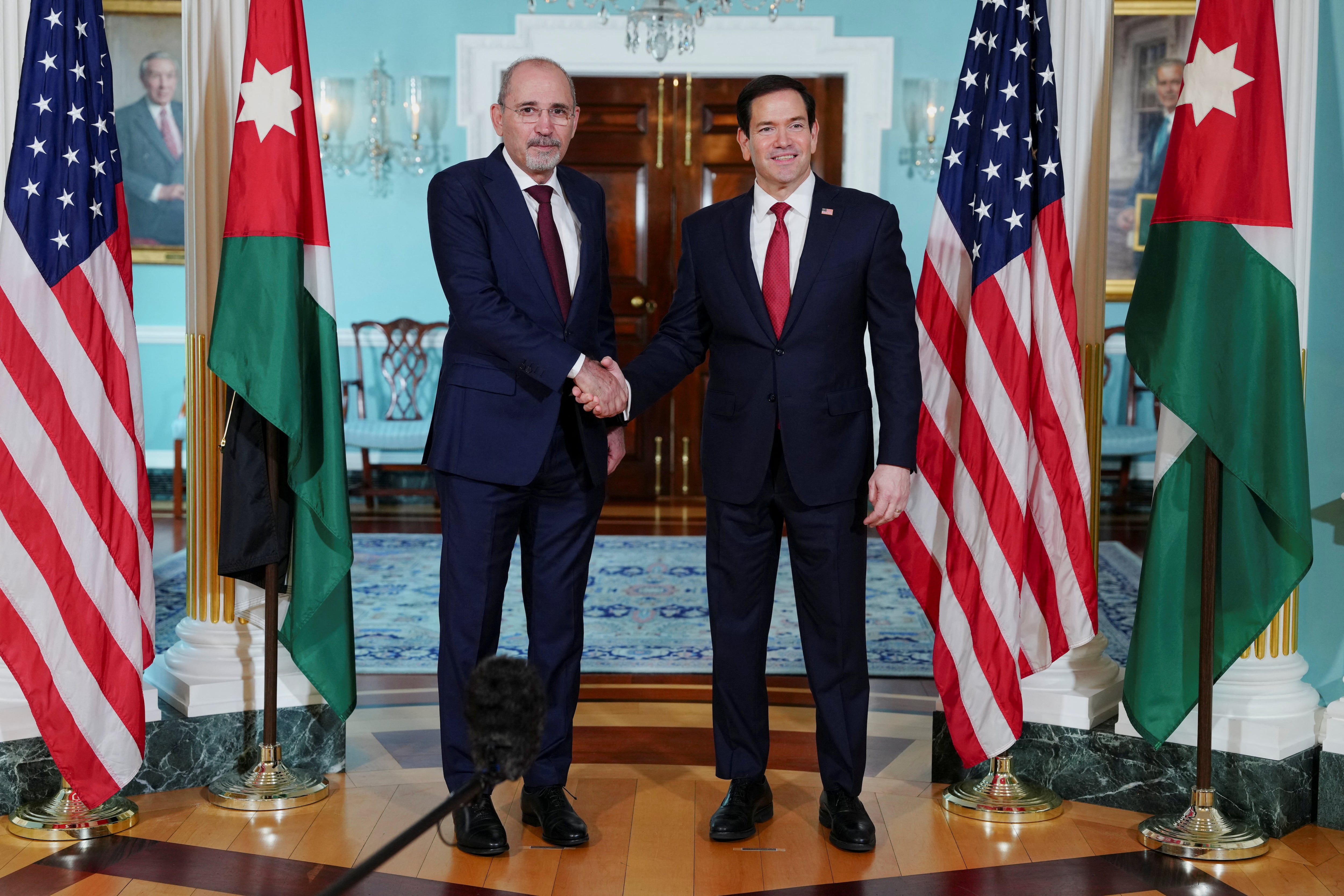
U.S. Secretary of State Marco Rubio said he met with Jordan’s Foreign Minister Ayman Safadi to address regional security issues, including “the ongoing attacks by Iran against vessels and countries in the region.”
UN Security Council voted to continue monitoring Houthi attacks in the Red Sea
The UN Security Council approved a resolution extending UN monitoring of Houthi attacks in the Red Sea for six months.
The measure, supported by thirteen votes in favor with China and Russia abstaining, requires the UN Secretary-General to present monthly reports to the Council on the situation.
The Yemeni Houthi rebel group began its attacks on vessels in the Red Sea at the end of 2023, saying it targeted ships linked to Israel in response to the conflict in Gaza.
/america/mundo/2026/07/15/el-regimen-de-iran-lanzo-nuevos-ataques-contra-bases-militares-de-estados-unidos-en-jordania-bahrein-y-kuwait/
Ships linked to Iran left the Strait of Hormuz before the U.S. blockade
On Tuesday there was an increase in the number of ships transiting the Strait of Hormuz, most linked to Iran’s trade, ahead of the U.S. blockade set to take effect on Wednesday, according to shipping data. Kpler records indicate that nine of the eleven ships that crossed the route that day used the Iranian route.
Among the vessels entering the strait were three empty tankers: one Aframax and two very large crude carriers. For departures, the data show that a VLCC carried 2 million barrels of crude oil, while a medium tanker transported refined products and two additional ships moved liquefied petroleum gas.
The commercial flow also included a methanol tanker and a bulk carrier with iron ore, both departing the Gulf on Tuesday.
Jordanian Army said it shot down three missiles launched by Iran
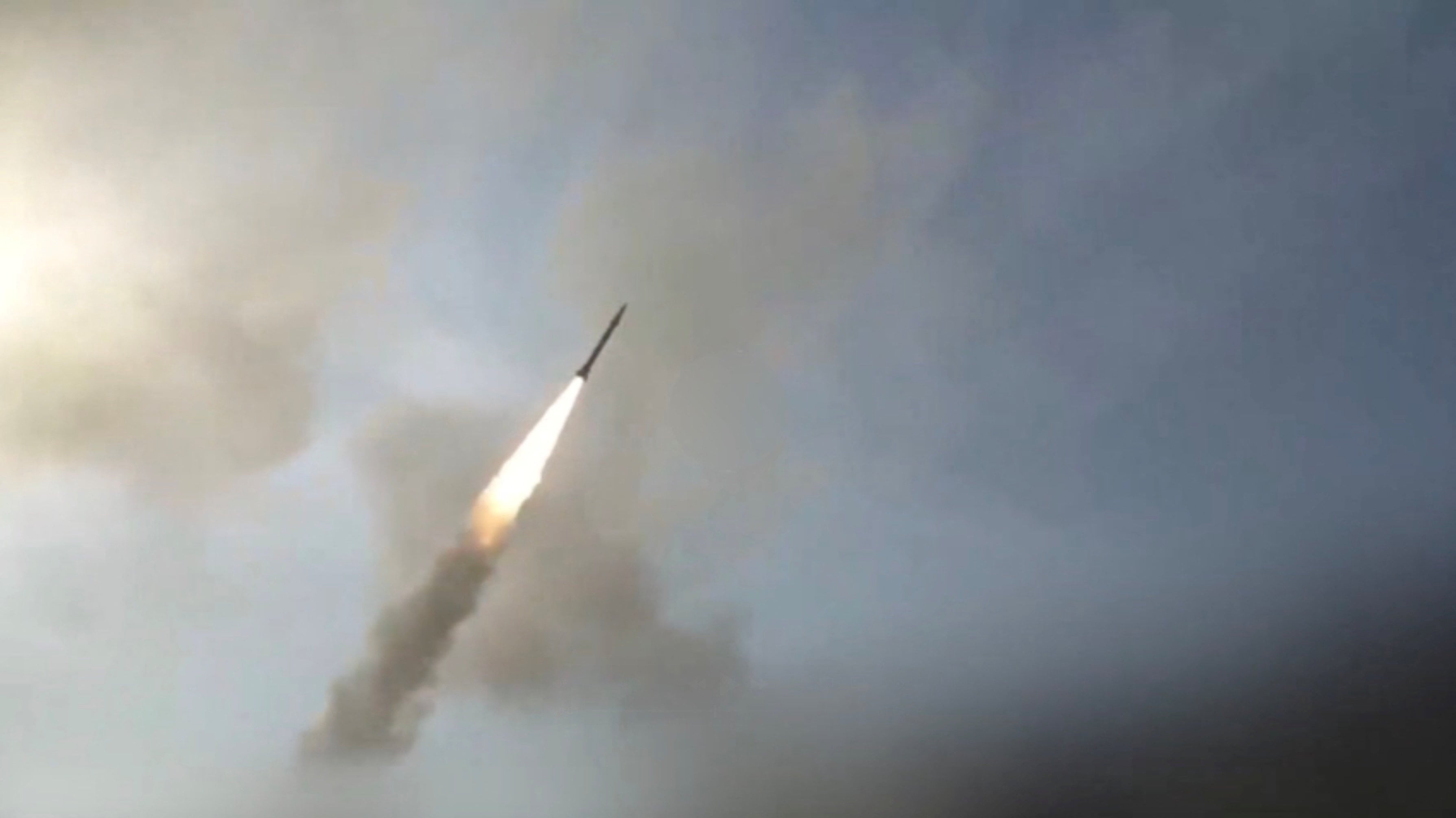
The Jordanian Army reported that its air defense systems intercepted and shot down three ballistic missiles that entered Jordanian airspace from Iranian territory. In an official statement, authorities detailed that teams from the Royal Engineering Corps managed the debris from the fallen missiles at different locations, following established technical and safety protocols, and secured the affected areas to protect the population and property.
“The Jordanian Armed Forces reject any violation of the Kingdom’s sovereignty or the use of its airspace to threaten its security and stability,” the military authorities said, stressing that they maintain air surveillance at the highest level of readiness.
/estados-unidos/2026/07/14/estados-unidos-lanzo-la-cuarta-ola-de-ataques-contra-iran-y-prepara-el-bloqueo-naval-sobre-sus-puertos-y-costas/
Iran’s Revolutionary Guard attacked Gulf countries after the CENTCOM operation
The Iranian Army announced in the early hours of Wednesday new drone strikes against U.S. military facilities in the Middle East amid the latest military escalation between Tehran and Washington. According to a statement released by Tasnim, an agency linked to the Revolutionary Guard, the Al Azraq airbase in Jordan, which housed F-18 fighters, accommodations and U.S. equipment storage, was attacked with drones.
The military defended the operation called “Lightning” and stated that “the era of the slap in the face is over and any action against the land, waters and skies of this historic country will not go unanswered or without a proportional cost.”
In addition, the Revolutionary Guard reported attacks by its Navy and Aerospace Force against a U.S. depot at the Shaikh Isa base in Bahrain and against U.S. drones at the Ali al Salem base in Kuwait. The statement said, “In a simultaneous operation with missiles and drones, fighters from the Navy and Aerospace Force of the Revolutionary Guard destroyed several warehouses of weapons and spare parts for enemy ships and aircraft at the Shaikh Isa base in Bahrain a few hours ago.”
The military report also noted that “they also attacked the ramp where enemy MQ-9 drones were deployed at the Ali al Salem base in Kuwait, destroying or damaging several of them.”
Iran: the Strait of Hormuz will remain closed until “America’s evils end”
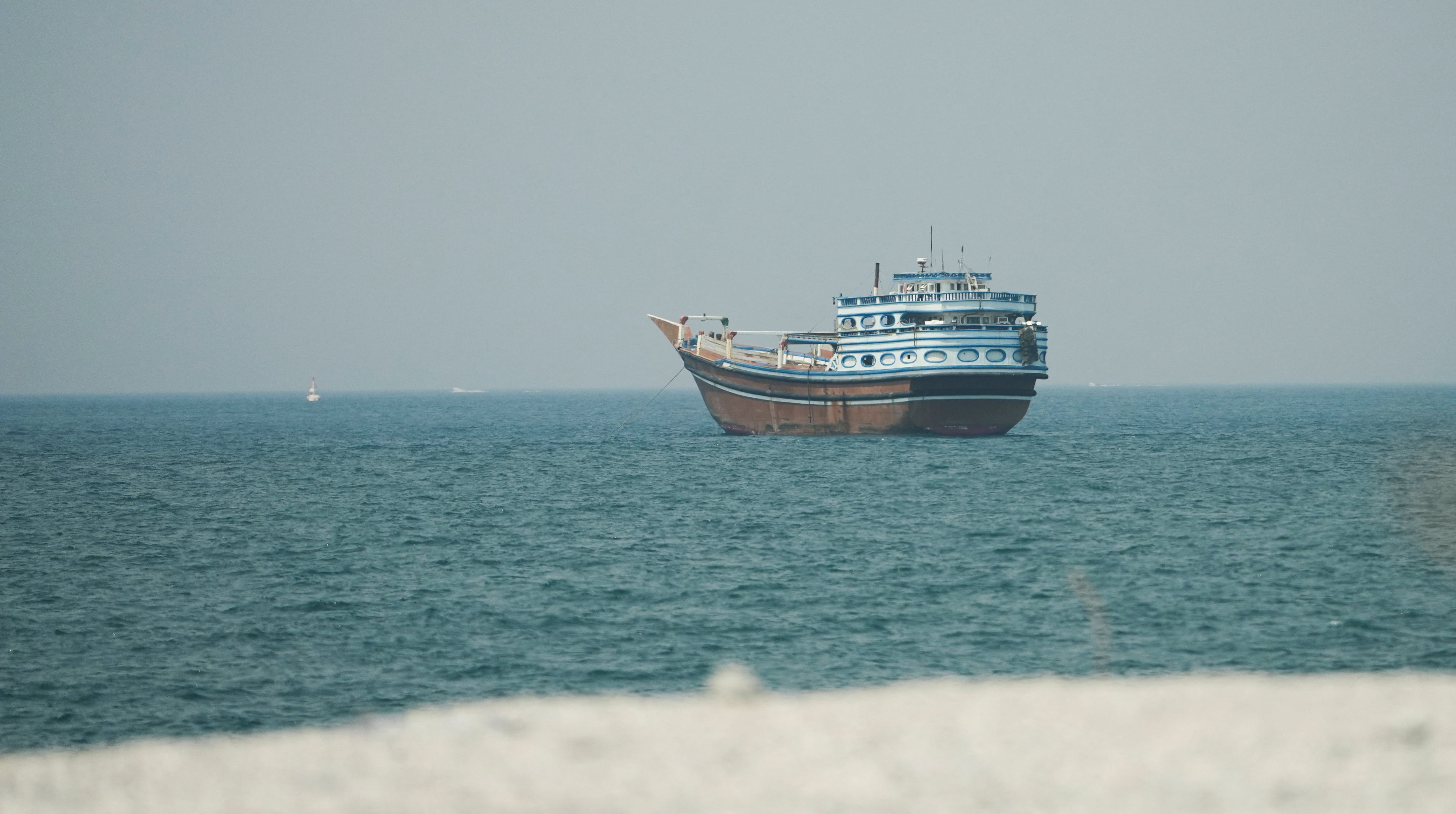
The Revolutionary Guard of Iran announced that the strategic waterway will remain closed until U.S. actions cease, according to a statement released on Tuesday. The military organization said the U.S. Army attacked Iranian bases “under the pretext of striking offending ships” attempting to transit the strait, “to hide its defeat and incapacity.”
The statement emphasized that “no ship dared to violate [the Iranian blockade] or to accompany the United States,” and added that, as a result, “there were naturally no impacts” during the operation.
White House: “Divisions in Iran demonstrate the success of Trump’s policy”
White House Deputy Chief of Staff Stephen Miller said that internal divisions among Iran’s regime leaders reflect the success of President Donald Trump’s policy toward Tehran. Miller made the remarks in an interview with Fox News.
According to the U.S. official, Iran’s leadership currently faces “huge fissures the size of cannons” after decades of unity. Miller insisted that the United States urges Iran to support a peace program and abandon its nuclear ambitions.
Pezeshkian said he will defend “every inch” of Iran amid new escalation with the U.S.
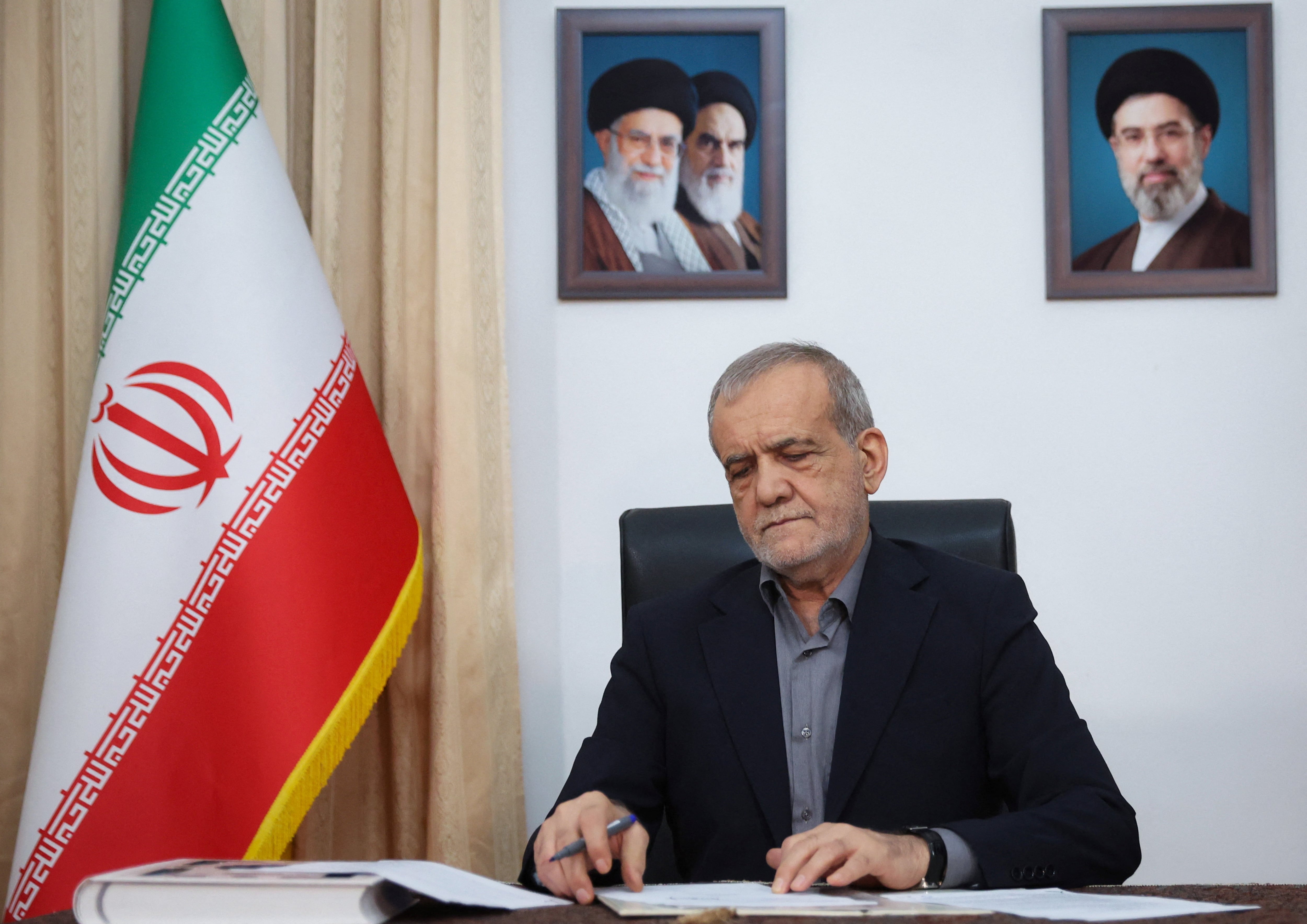
Iranian President Masoud Pezeshkian said his country will defend “every inch” of its territory amid rising tensions with the United States, after U.S. President Donald Trump said he had eliminated most of Iran’s military capabilities. “We will defend every inch of our homeland with our actions,” Pezeshkian said in an interview with state television.
The statements by the Iranian head of state came in a context of growing hostilities, after the United States launched strikes in southern Iran following Tehran’s attacks on commercial ships in the Strait of Hormuz. In response, Iran launched missiles and drones against U.S. targets in the region.
“His rhetoric continues, but the question is: have they achieved their objectives on the battlefield?” Pezeshkian challenged, referring to Trump’s statements and U.S. military actions.
/estados-unidos/2026/07/15/estados-unidos-amplio-las-sanciones-contra-el-sector-petrolero-de-iran-y-apunto-a-una-red-vinculada-al-regimen/