With the semifinals between France and Spain and Argentina and England, and the World Cup final scheduled for the weekend, the United States has strengthened the security deployment at the tournament venues. The plan, which involves federal, state and local forces, was discussed on Infobae al Mediodía by specialist Andrei Serbin Pont, who explained how an architecture designed to minimize risks both inside and outside the stadiums operates.
Using the operation implemented in Kansas during recent matches as an example, Serbin Pont said the deployment reflects the same logic used at all venues. “The security deployment will have at least 1,600 agents positioned in the area,” he explained, adding that the goal is not only to guard the stadiums but also to protect hotels, delegations, fan fests and other public gathering points.
A security architecture that extends well beyond the stadiums
According to the specialist, the operation begins long before entering the pitch. “Hotels have perimeter areas to protect them from any drone activity nearby. A drone is not necessarily a lethal threat to someone, but it is also a matter of privacy, protection and operational security,” he said.
Escorted convoys are added to that plan for team transfers, and screens are installed to limit visibility of the areas where squads are located. “The United States will be deploying those perimeters around hotels and protecting security with different mechanisms, including screens that try to obscure visibility of the areas where both teams are kept,” he explained.
Serbin Pont also noted that one of the main investments for the World Cup was the introduction of anti-drone systems and emphasized that the deployment goes well beyond the stadium perimeter. “This not only applies around the hotel or the stadium. It also applies to fan fests, which have a designated drone perimeter and their own arrangement with rapid reaction forces,” he said.
More than 400 agencies coordinated and a response prepared for any scenario
The analyst highlighted that the scale of the operation lies in coordination among agencies with very different functions. “There are 400 agencies in total coordinating. That is why we are talking about an investment of approximately one billion dollars,” he said.
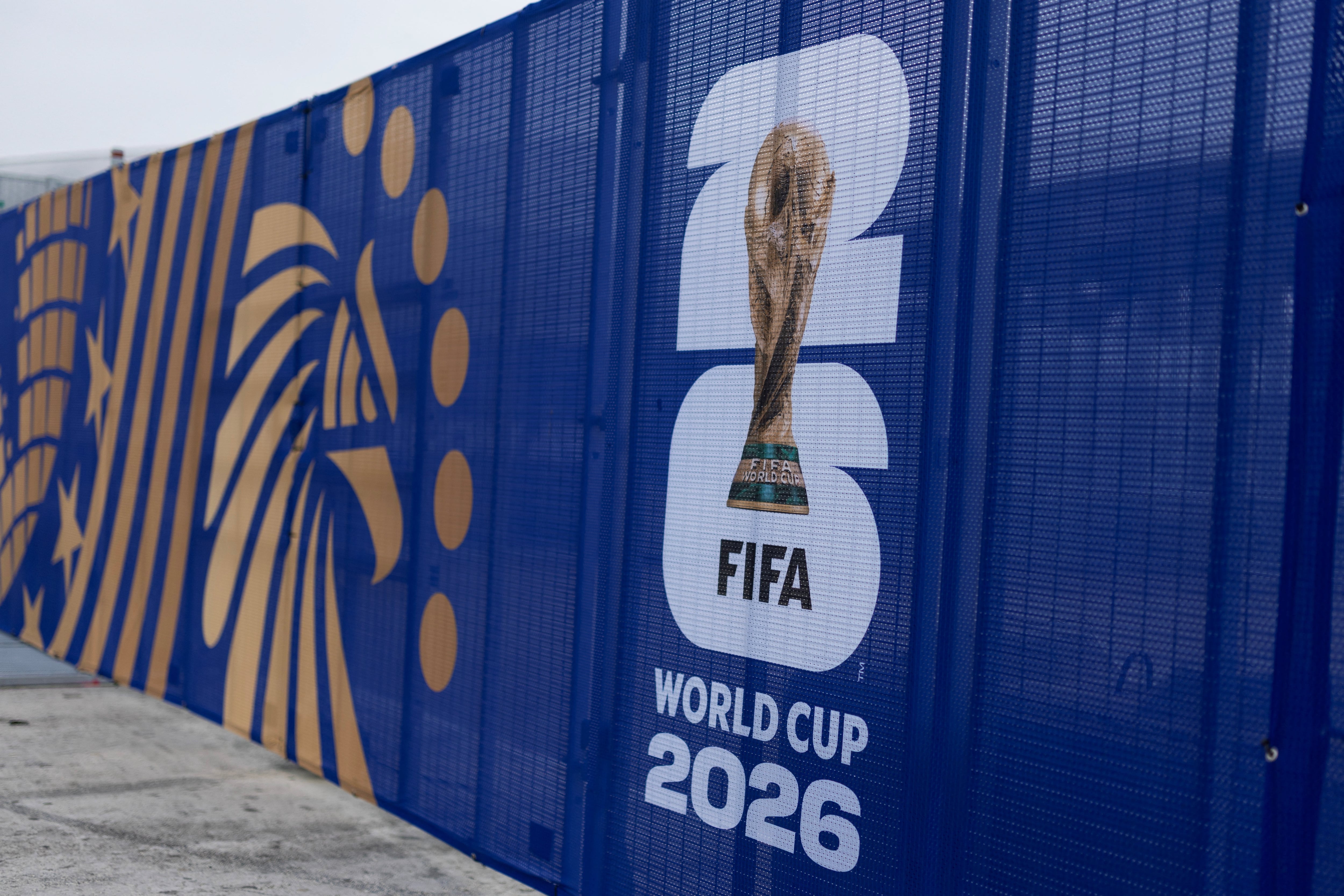
The plan integrates local and state police with federal agencies such as the FBI, the Department of Homeland Security and specialized units of U.S. Immigration and Customs Enforcement (ICE). Regarding the latter, he explained that Homeland Security Investigations (HSI) tactical groups were included to expand response capacity for high-complexity situations.
“What they need is to have the largest possible amount of resources and personnel available in case of an emergency,” he said. Among the scenarios contemplated is the possibility of an active shooter, a type of attack that, he indicated, “has probably been one of the situations causing the most concern during this World Cup.” In response to that scenario, he added, “the idea is to have multiple rapid response teams that can act immediately.”
Snipers, deterrence and continuous surveillance
The deployment also includes snipers positioned strategically within stadiums, a common practice at major sporting events held in the United States.
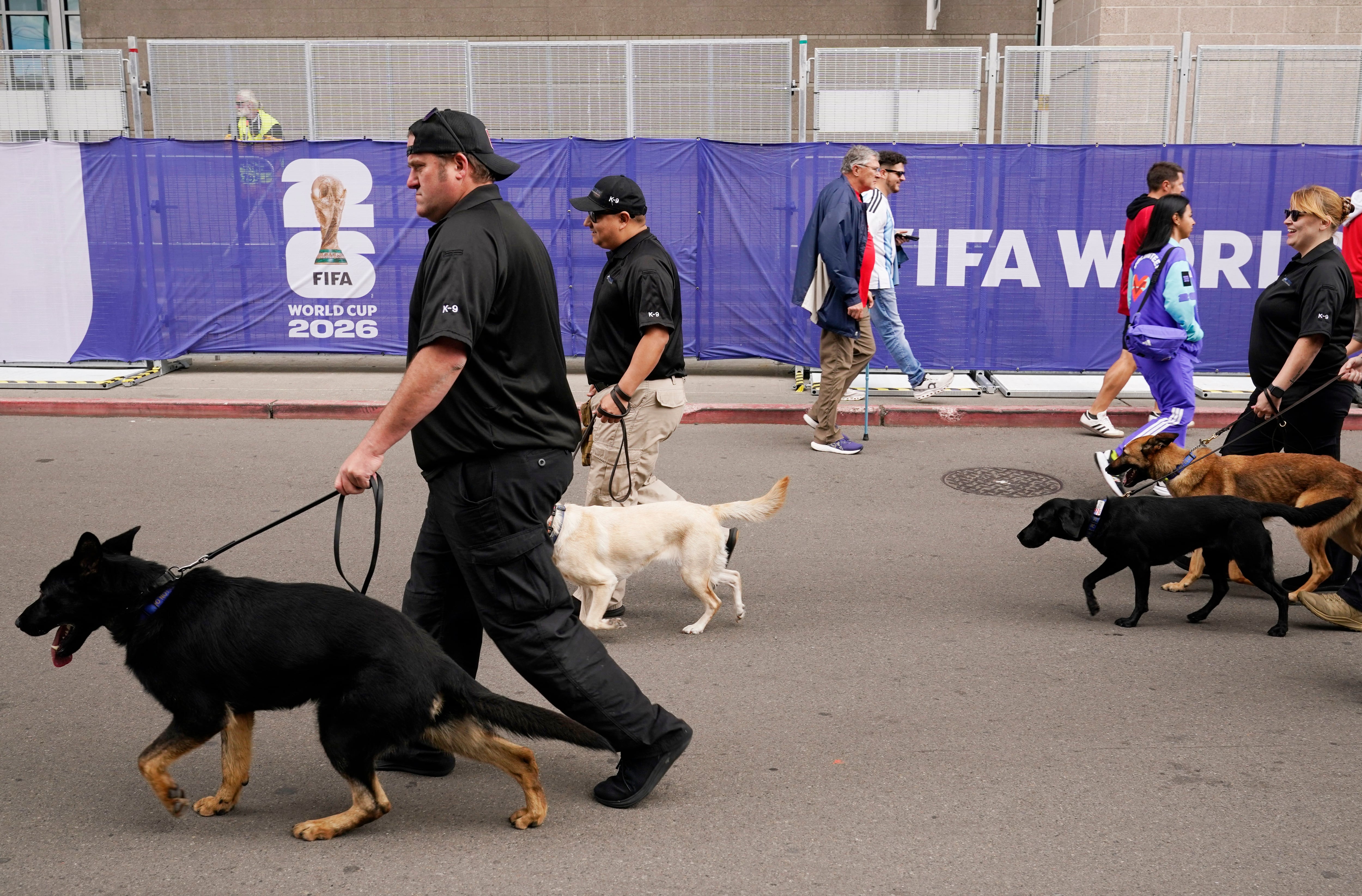
“Sniper nests are already customary. Most stadiums have a designated space so they can monitor everything happening in the stands and on the field,” Serbin Pont explained. He said these teams operate in pairs made up of a shooter and an observer, while others remain concealed to broaden surveillance capabilities.
He offered a remark that summarizes the logic of the operation: “The sniper they find is usually the one they want you to think you find.” For the specialist, the visible part of the deployment also serves a preventive purpose. “In these situations, presence contributes to deterrence,” he said, explaining why most personnel work fully identified.
The challenge of controlling mixed supporter groups and preventing incidents
Beyond extraordinary threats, Serbin Pont warned that one of the main challenges is coexistence among fans of different teams within the same stadium. Unlike in other countries, in the United States there is no strict physical separation between rival supporters.
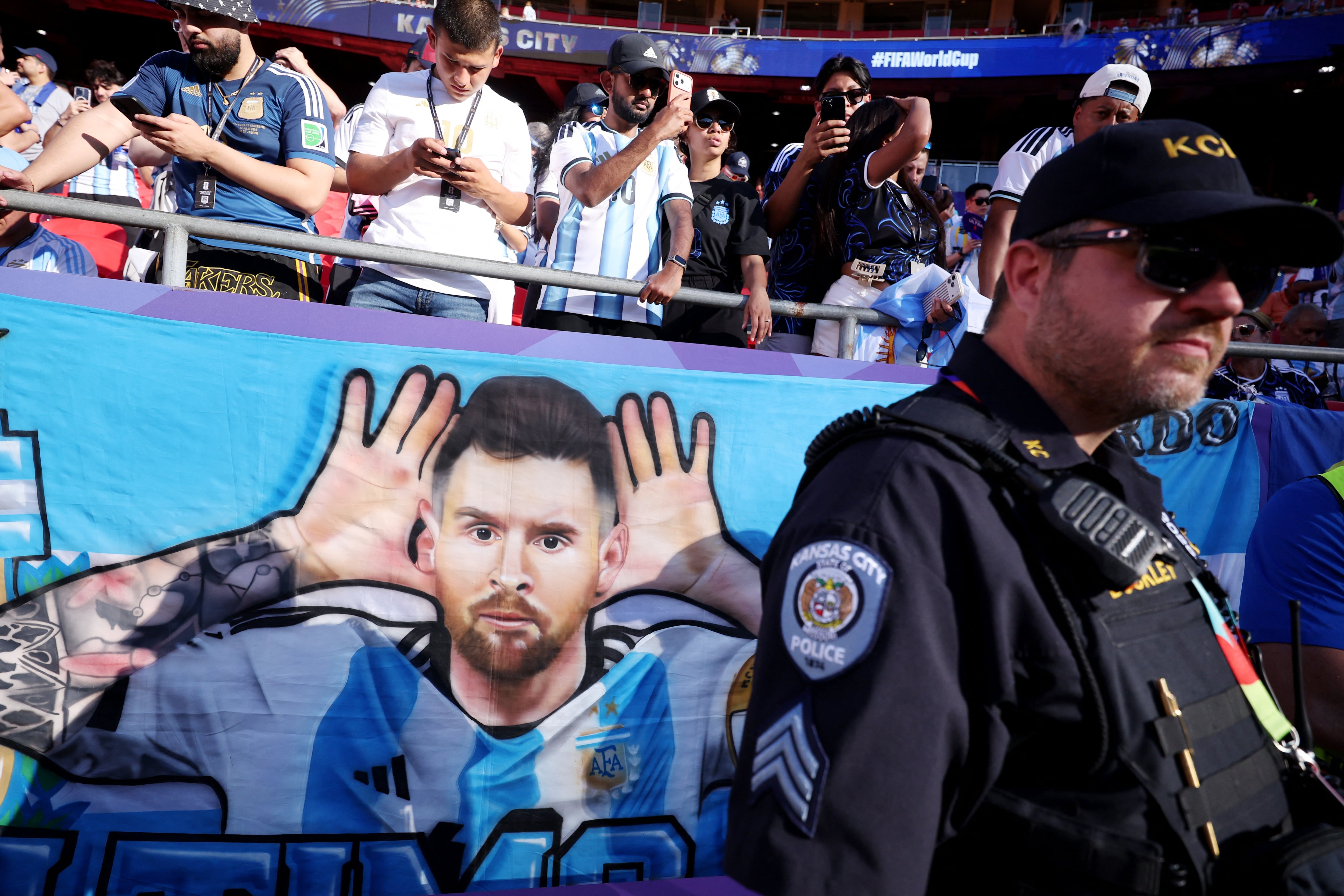
“You can have several hotspots and they are hard to control precisely because they are hotspots. You don’t need a broadly violent group: a few individuals are enough to generate tense situations,” he explained.
He believes the increase in the number of officers also responds to that reality. “The rise in agents assigned to event security, I think, is intended to ensure sufficient human resources to handle a tense situation or something larger,” he added.
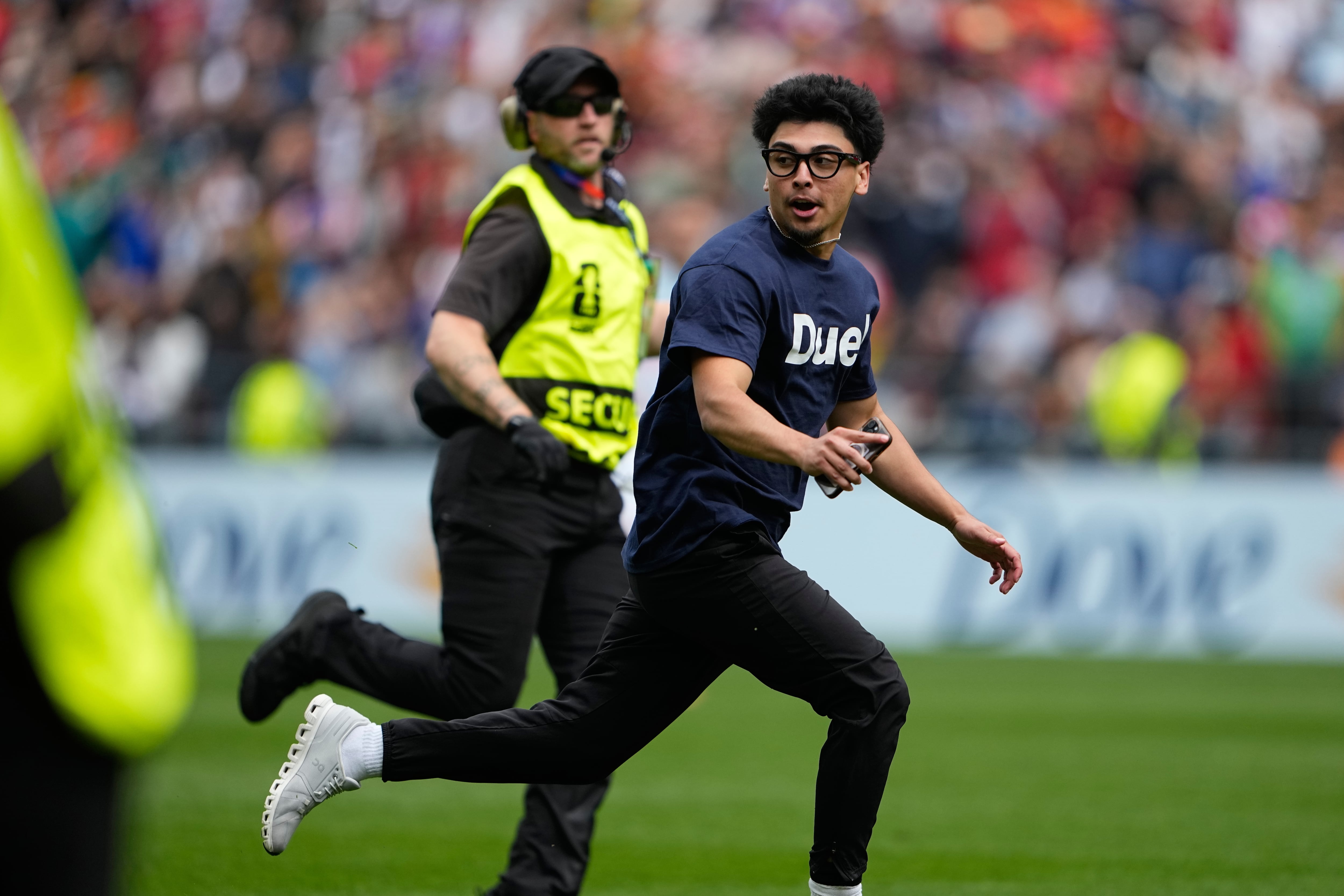
During the program, journalist Flavia Pittella also described the level of control observed in the stands. She reported that each section had security personnel continuously monitoring crowd behavior and that any flag was inspected before being allowed in. In that context, Serbin Pont confirmed that for the match between Argentina and England the ban on flags referencing the Falkland Islands was reinforced and recalled that the measure had been confirmed by the Minister of Security.
A plan designed to minimize the margin of error
Although he acknowledged that the main alerts related to potential terrorist attacks have decreased as the tournament has progressed, Serbin Pont said U.S. authorities are maintaining the same level of preparedness because the goal is to minimize any possibility of incident.
“I don’t think we’re in an alert situation. But when you host an event like this you want to make sure from every angle that there is no margin for error,” he said. For that reason, he explained, at decisive matches one can expect a greater presence of police, private security staff and tactical units deployed near stadiums and fan areas.
The specialist also recalled that the preventive plan began even before the competition started. “It was already known before the World Cup began the list of 33,000 people who would not be allowed into any of the stadiums,” he said. For Serbin Pont, that prior planning—together with coordination among hundreds of agencies and intensive use of technology—explains why the United States mounted one of the most ambitious protection efforts ever deployed for a World Cup.
–
Infobae accompanies you every day on YouTube with interviews, analysis and the most important news, presented in a close and dynamic format.
• From 7 to 9 AM: Infobae at Dawn: Nacho Giron, Luciana Rubinska and Belén Escobar.
• From 9 AM to 12 PM: Infobae at Nine: Gonzalo Sánchez, Tatiana Schapiro, Ramón Indart and Cecilia Boufflet.
• From 12 to 3 PM: Infobae at Midday: Maru Duffard, Andrei Serbin Pont, Jimena Grandinetti, Fede Mayol and Facundo Kablan.
• From 3 to 6 PM: Infobae in the Afternoon: Manu Jove, Maia Jastreblansky and Paula Guardia Bourdin; Marcos Shaw, Lara López Calvo and Tomás Trapé rotate during the week.
• From 6 to 9 PM: Infobae at Return: Gonzalo Aziz, Diego Iglesias, Malena de los Ríos and Matías Barbería; Gustavo Lazzari, Martín Tetaz and Mica Mendelevich rotate during the week.
Follow us on our YouTube channel @infobae.