

The United States carried out a new series of strikes against targets in Iran on Tuesday as part of an offensive intended to degrade the military capabilities Washington associates with attacks on maritime traffic in the Strait of Hormuz. The operation was announced by the U.S. Central Command (CENTCOM), which also confirmed preparations for a renewed naval blockade of Iranian ports and coastal areas.
“U.S. Central Command forces have begun an additional round of strikes against Iran to continue degrading Iranian capabilities used to attack commercial traffic in the Strait of Hormuz,” CENTCOM said in a statement posted on its social media channels.
According to the U.S. announcement, the military actions began in the afternoon and coincided with preparations to reactivate naval restrictions against Iranian maritime facilities. The blockade, the statement said, will take effect hours after the start of the bombardments.
Explosions were reported in various locations across Iran. The state news agency IRNA reported detonations in the port city of Bandar Abbas, a strategic area near the Strait of Hormuz. Explosions were also reported in Ahvaz in the southwest of the country, according to the Fars agency.

Tehran responded through the deputy foreign minister, who rejected the notion that U.S. military pressure could force the Iranian regime to return to negotiations under such conditions.
“If the United States thinks its military strikes and blockade will force us to seek negotiations, it is mistaken,” the official said.
The diplomat also defended Iran’s stance on the Strait of Hormuz, one of the world’s main energy routes, saying that the area is part of Iran’s national security.
“We will exercise our sovereignty over the Strait of Hormuz, regardless of the cost,” he said.
The Islamic Revolutionary Guard Corps (IRGC), Iran’s elite military force, also reacted to the U.S. strikes, saying Washington’s actions will not prevent its objectives. In a statement, they said the U.S. “aggressions” will only delay the reopening of the maritime passage.
The new escalation follows a series of clashes between the two countries over naval traffic in the Persian Gulf. Iran had restricted movement through the Strait of Hormuz after hostilities began, while the United States responded with military measures intended to ensure the passage of commercial vessels.
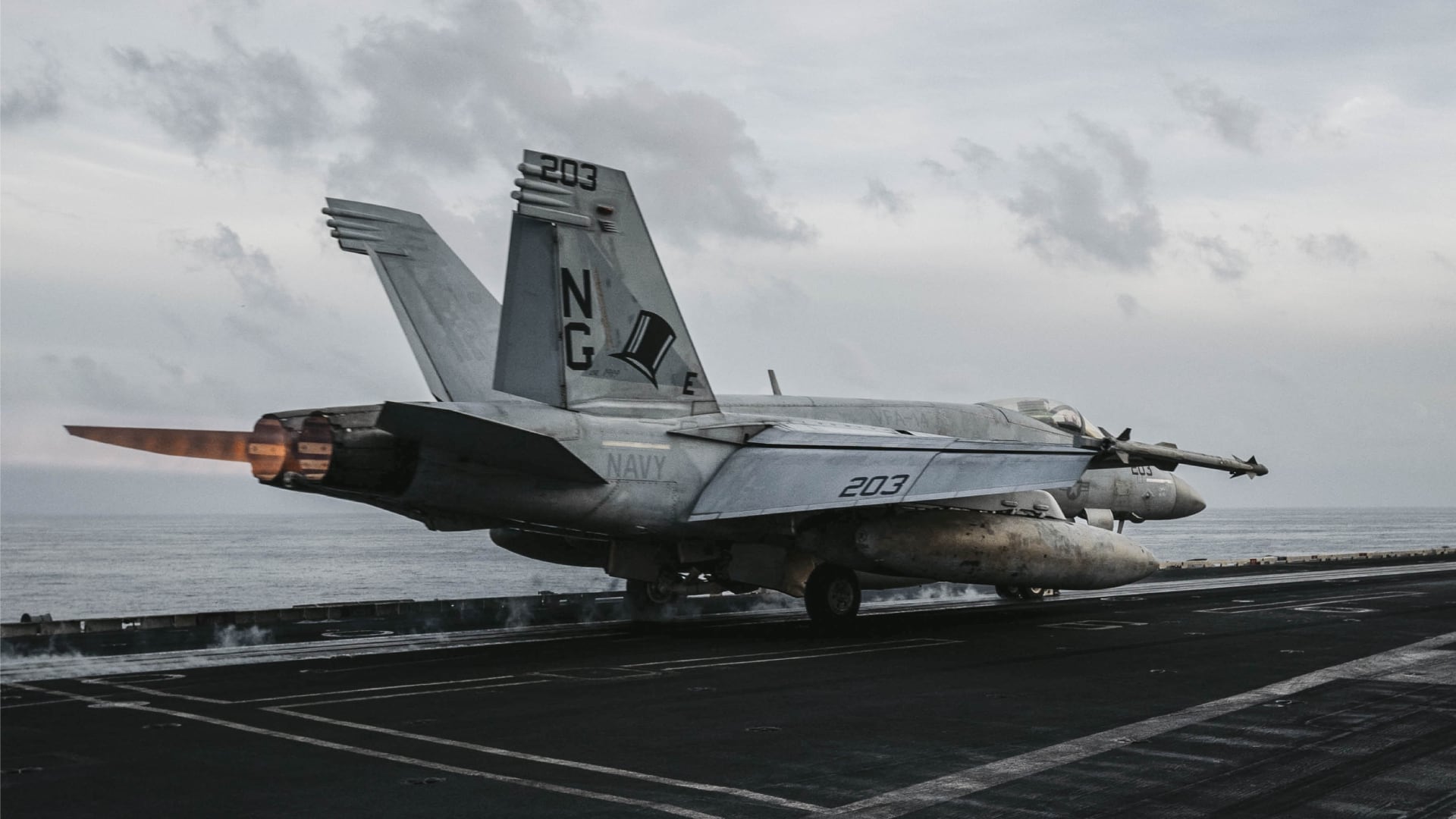
U.S. President Donald Trump had earlier announced the reinstatement of a naval blockade of Iranian ports, while also saying that a deal with Tehran remained possible.
“A deal remains possible,” he told reporters at the White House.
During the day, Trump also revised a previous proposal to impose a 20% charge on ships transiting the Strait of Hormuz. The president said that measure would be replaced by trade and investment agreements with Gulf countries.
The situation raised international concern about the impact on maritime trade and energy supplies. U.N. High Commissioner for Human Rights Volker Türk warned that a prolonged disruption of traffic through the Strait of Hormuz could cause “serious socioeconomic and humanitarian consequences.”
Fighting has also heightened tensions in other parts of the region. The IRGC claimed responsibility for attacks on positions linked to the United States in Bahrain and Jordan, while authorities in those countries reported intercepting projectiles.
At the same time, the International Maritime Organization reported deaths related to incidents against commercial vessels in the Gulf of Oman. A Norwegian tanker also suffered an explosion off the coast of Oman caused by an unidentified device.

The escalation leaves open a potential confrontation between Washington and Tehran as diplomatic contacts continue through international intermediaries and pressure mounts on one of the world’s most important maritime routes for trade.