
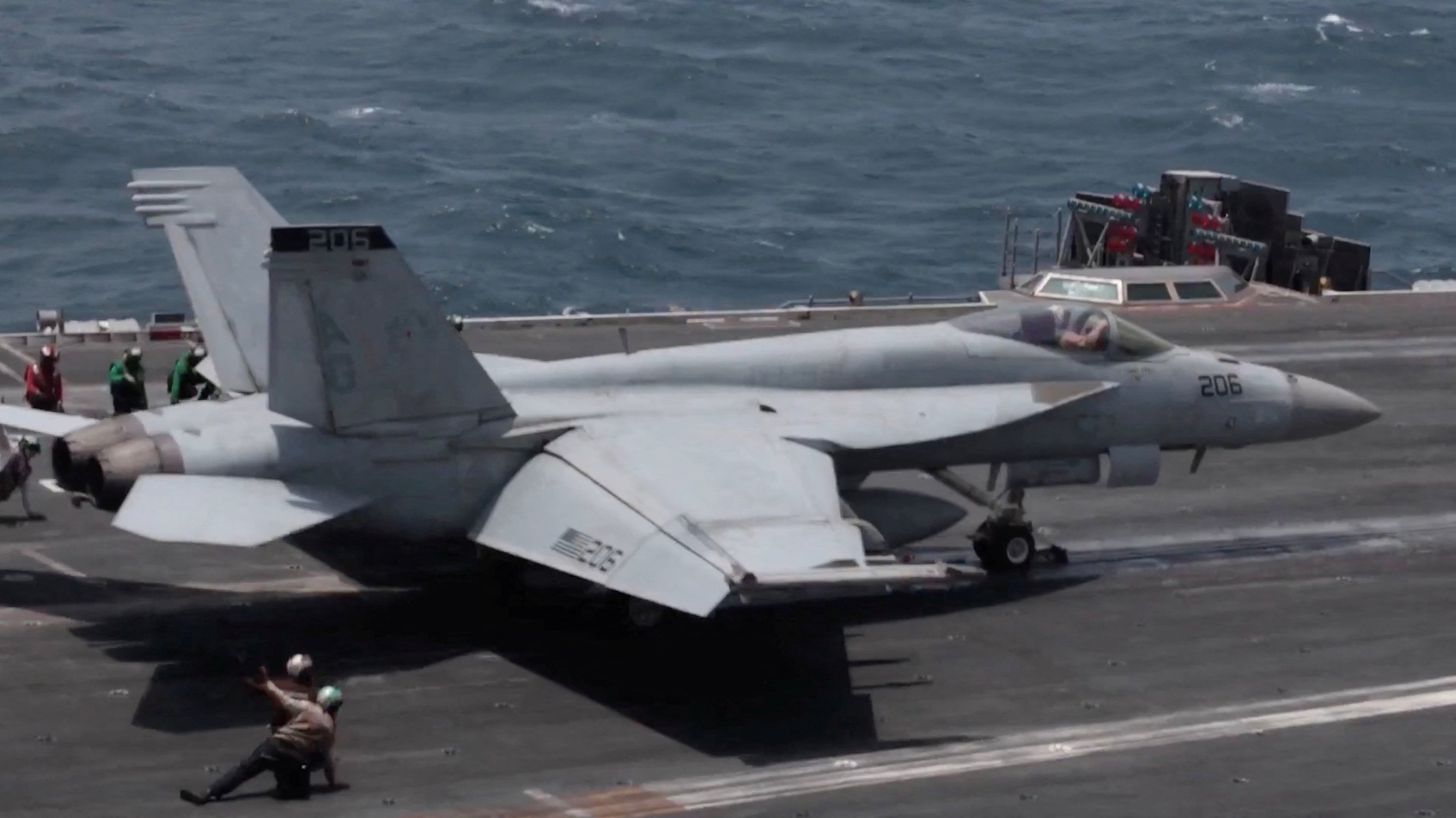
The United States Armed Forces launched a new wave of attacks against Iran on Wednesday, CENTCOM confirmed, saying the operation was ordered by President Donald Trump.
In a statement posted on X, CENTCOM said that “at 3:00 p.m. ET, U.S. forces launched operations for a second wave of attacks today against Iran.”
The military command explained that the strikes “are directed at Iranian military capabilities used to threaten vessels transiting freely through the Strait of Hormuz, an international waterway vital to global trade.”
CENTCOM also said that “the United States military is holding Iran accountable at the direction of the commander in chief,” referring to President Donald Trump.
The new offensive comes hours after Washington confirmed the reinstatement of a naval blockade on Iranian ports and coasts and announced the diversion of two commercial vessels that, the Pentagon said, attempted to evade U.S. restrictions.

Since the resumption of military operations, the conflict has spread across multiple fronts in the region. Iran’s Revolutionary Guard said it had struck U.S. Fifth Fleet positions in Bahrain, while Bahraini authorities reported intercepting projectiles aimed at civilian targets. Jordan also confirmed that its air defenses shot down three missiles launched by Iran toward its territory.
Tensions also reached northern Iraq, where explosions were reported overnight near the U.S. consulate in Erbil, the capital of Iraq’s autonomous Kurdistan region. So far authorities have not reported casualties or detailed the extent of those incidents.
Meanwhile, President Donald Trump hardened his rhetoric toward Tehran and warned that the military campaign could expand in coming days if the Iranian regime does not agree to resume negotiations. “Next week things will be very bad for them,” he said in an interview with Fox News.
Despite the escalation of fighting, diplomatic channels have not been completely closed. However, the speaker of Iran’s parliament and the regime’s chief negotiator, Mohammad Bagher Ghalibaf, said that the memorandum signed with Washington was voided after the U.S. decision to reinstate the naval blockade.
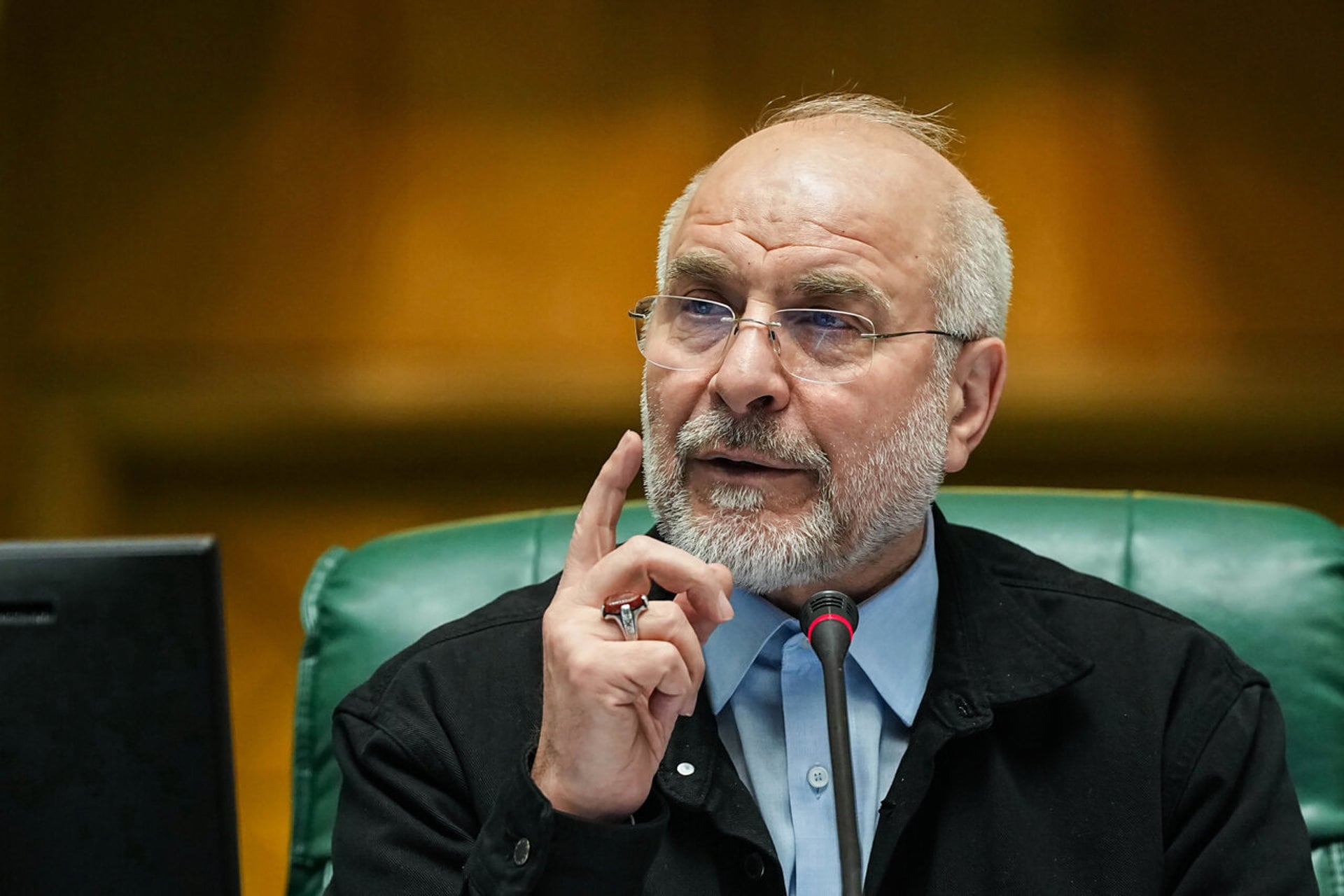
“A memorandum of understanding only makes sense when its clauses are valid and are upheld. If Iran does not obtain any benefit from the agreement, we have no reason to honor it,” he said.
The focal point of the confrontation remains the Strait of Hormuz, a strategic passage through which a significant portion of the world’s oil and gas trade transits. Iran again restricted transit through the strait after accusing the United States of failing to honor agreed commitments, while Washington responded with new military operations and the reinstatement of maritime restrictions on Iranian ports.
CENTCOM said the attacks aim to degrade the regime’s military capacity to threaten commercial navigation. In recent hours, Iranian state media reported explosions in Bandar Abbas, Qeshm Island, Bandar Imam Khomeini and later in Bushehr, the city that hosts the country’s only civilian nuclear power plant.
The conflict has also begun to affect civilians and maritime transport in the region. A Norwegian tanker suffered an explosion off the coast of Oman caused by an undetermined device, while Kuwait reported that one of its naval vessels was struck during an Iranian missile and drone attack, an incident that left four crew members injured.

Trump also announced that he had decided not to impose a 20% levy on ships transiting the Strait of Hormuz, a measure proposed days earlier. Instead, he said he would pursue trade and investment agreements with Gulf countries allied with Washington.
According to the Iranian regime, the U.S. strikes resumed last week have killed at least 30 civilians, while the country’s armed forces reported that seven additional military personnel were killed during attacks carried out on Wednesday. Meanwhile, Israeli Prime Minister Benjamin Netanyahu warned that his country would respond “harshly” if Iran chose to extend attacks into Israeli territory.