
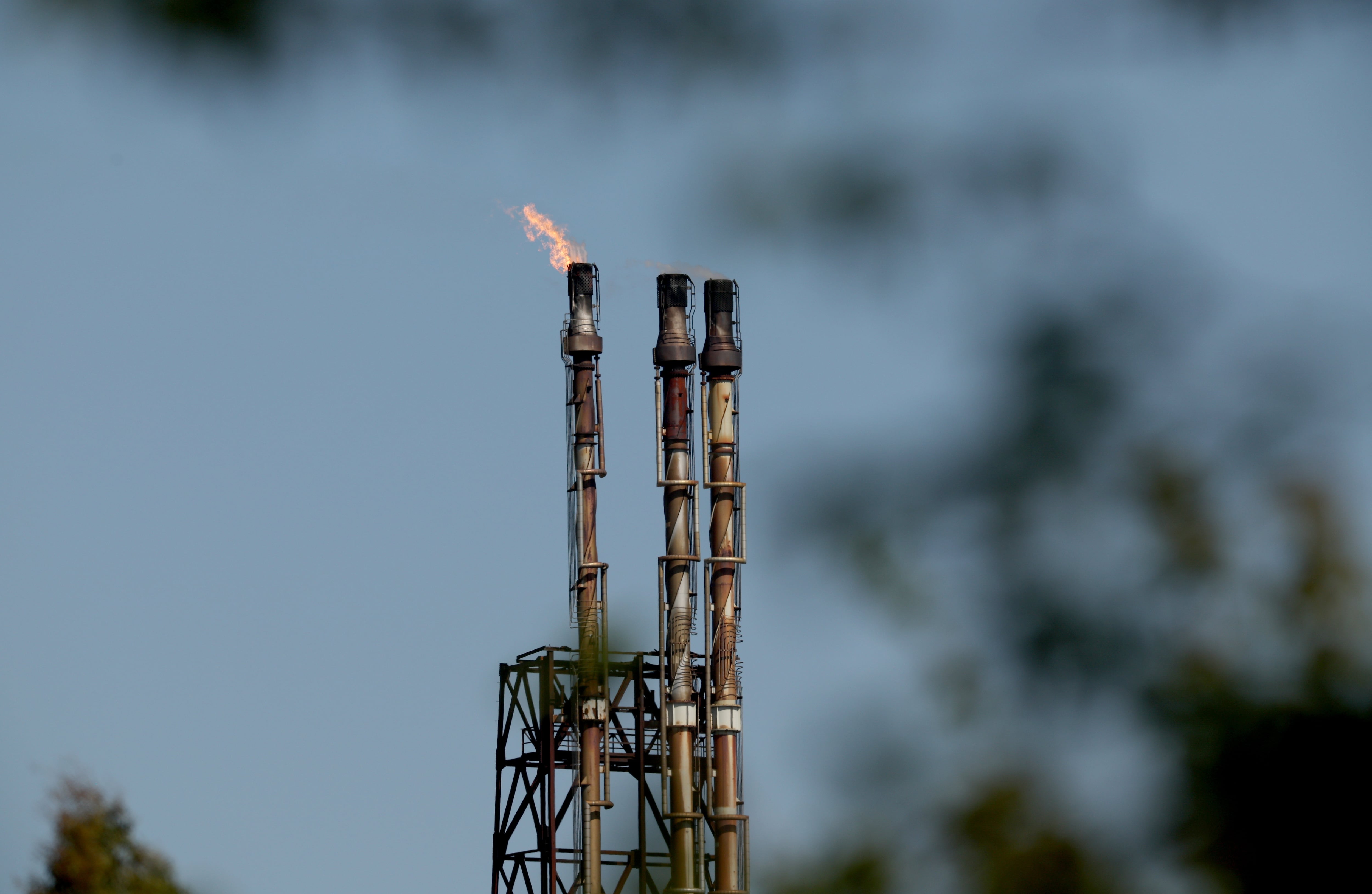
International oil prices rose again on Wednesday amid escalating military tensions between the United States and Iran and the risk of new disruptions to crude shipments through the Strait of Hormuz, while financial markets weighed the conflict’s impact against a better-than-expected US inflation reading.
US benchmark crude (WTI) gained $0.86 to trade at $80.20 per barrel, while Brent, the international reference, advanced $1.15 to $85.88 per barrel, driven by fears of further restrictions on one of the world’s main energy routes.
The renewed military escalation increased investor concern after reciprocal attacks between Washington and Tehran, raising the risk of additional interruptions to oil and gas transport through the Strait of Hormuz.
“The Memorandum of Understanding between the United States and Iran signed last month turned out to be anything but that. Both sides are again exchanging military attacks and hold completely different positions on the situation in the Strait of Hormuz,” said Tim Waterer, chief markets analyst at KCM Trade.
The analyst added that “with navigation in the Gulf increasingly dangerous, transport flows are once again declining,” referring to the crisis’s effect on international maritime trade.
Tensions were reactivated after new attacks in the region, which heightened uncertainty about global energy supply and put further upward pressure on oil prices.

Despite that backdrop, Asian stock markets mostly closed higher, following Tuesday’s gains on Wall Street after a US inflation reading came in below market expectations.
South Korea’s Kospi led the advances, rising 7.1% to 7,343.37 points, supported by a rebound in semiconductor stocks after sharp losses in recent sessions.
In Japan, the Nikkei 225 rose 0.9% to 68,353.91 points, while Australia’s S&P/ASX 200 added 0.2% to finish the session at 8,830 points.
In China, Hong Kong’s Hang Seng gained 1.6% to 24,721.10 points, while the Shanghai Composite slipped 0.4% to 3,952.04 points.
In the United States, major stock indexes also closed higher. The S&P 500 rose 0.4% to 7,543.59 points, recovering part of the 0.8% decline from the previous session. The Dow Jones Industrial Average added less than 0.1% to finish at 52,508.27 points, while the tech-heavy Nasdaq Composite gained 0.9% to 26,107.01 points.
Markets found support after the release of the US inflation index, which showed consumer prices rose 3.5% over the past 12 months, a figure that was less adverse than analysts had expected.
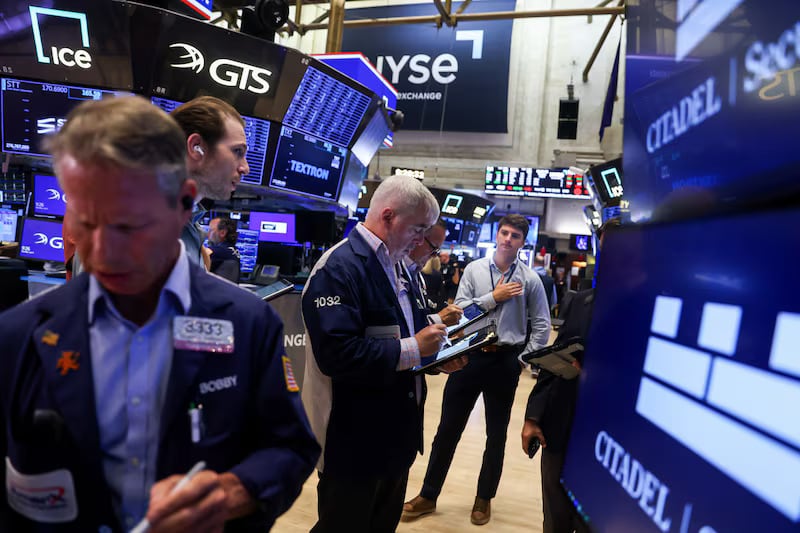
That report reduced expectations for an additional interest-rate increase by the Federal Reserve (Fed) at its next meeting.
After the data was published, traders assigned less than a 17% probability to another hike in the policy rate at the meeting scheduled for the coming weeks.
(With information from Associated Press)