

Iran warned on Wednesday that it would close “all other export corridors that benefit the United States and its allies” following the closure of the Strait of Hormuz and the reinstatement of a U.S. naval blockade on Iranian ports. The statement came amid a new military escalation between Washington and Tehran, cross-border attacks in the region, and another rise in international oil prices.
The warning was issued in a statement from the Islamic Revolutionary Guard Corps, published by state news agency IRNA, saying that “regional energy exports will either be shared among all or denied to all.”
The threat widened the crisis after the closure of the Strait of Hormuz, a key route for global oil and gas shipments. Analysts cited by Reuters said Tehran signaled it might use its Houthi allies in Yemen to also block the Bab el-Mandeb Strait, which connects the Red Sea to the Gulf of Aden and carries Saudi oil exports and a substantial portion of global maritime trade.
A senior Houthi official had already warned on Monday that the group was prepared to close Bab el-Mandeb if Saudi Arabia continued attacks on Yemen. According to a report by Iran’s Press TV, the leader said such a move could push oil prices up to $200 per barrel.
Tensions rose after the Houthis launched missiles at Saudi Arabia, accusing the kingdom of bombing an airport under their control; that incident broke a four-year truce between the two sides.
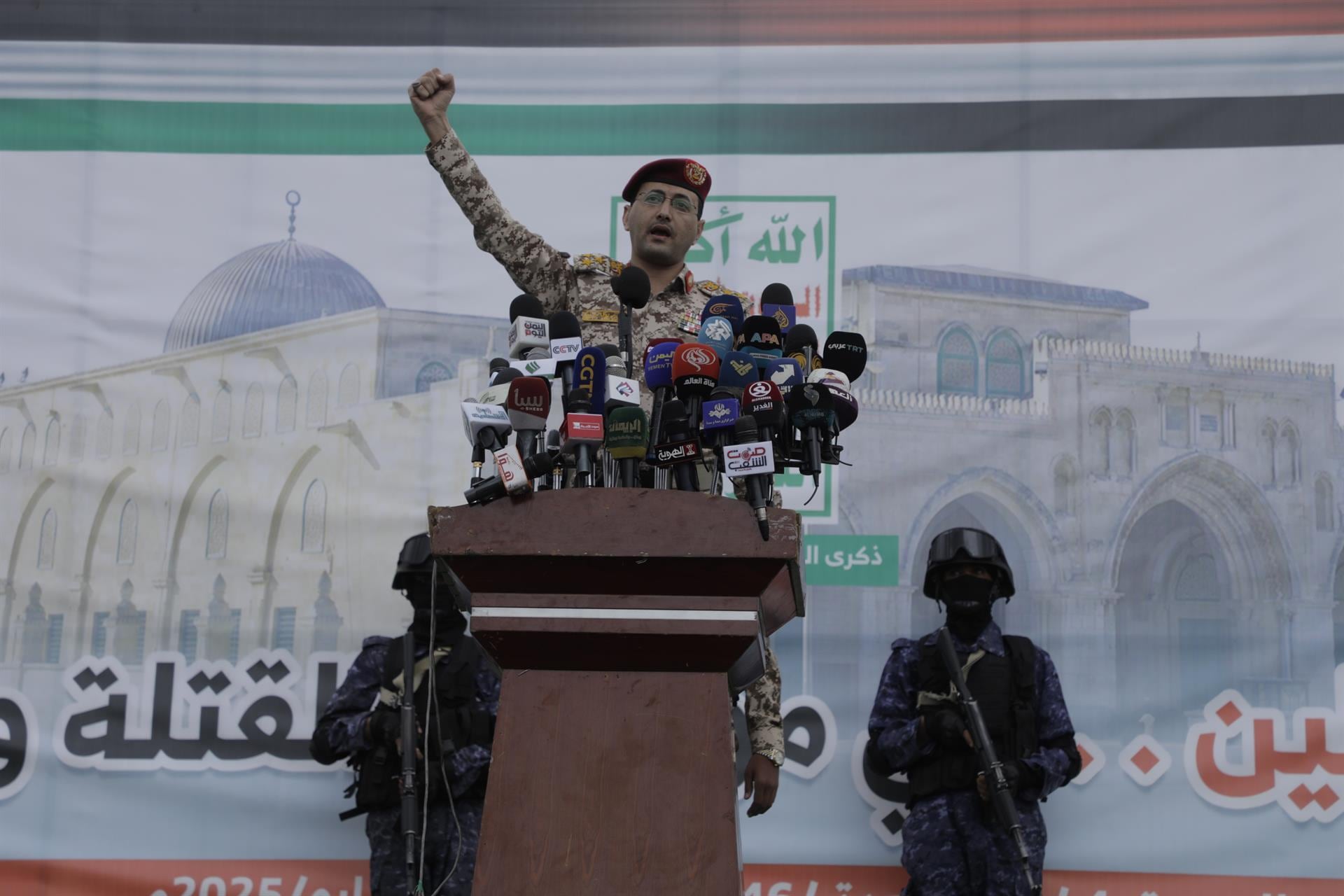
The Houthis have already demonstrated their ability to disrupt international trade. After the outbreak of the Gaza war in October 2023, the group attacked commercial vessels in the Red Sea, saying it was targeting ships linked to Israel in support of the Palestinian cause.
The new threat to Bab el-Mandeb came a day after the U.S. military announced another round of strikes “to further degrade Iranian capabilities used to attack commercial shipping in the Strait of Hormuz.”
The United States said Iran attacked seven merchant vessels during the past week, resulting in nearly a dozen crew members killed, wounded, or missing.
U.S. Central Command (CENTCOM) also reported striking dozens of military targets near the Strait of Hormuz and along Iranian coastal areas, saying the operation lasted seven hours.
The Revolutionary Guard said the Strait of Hormuz would remain closed “until the end of America’s evils.” Before the war began in February, roughly one-fifth of the world’s daily oil and gas shipments transited that waterway.
The Iranian military body also said it struck command, control, logistics, fuel, and military equipment sites belonging to the U.S. Fifth Fleet in Bahrain in response to U.S. bombings.
It added that it set fire to and destroyed a U.S. logistics facility in Mina Abdullah, Kuwait, and that its air force attacked a U.S. base in Azraq, Jordan, aiming to hit aircraft hangars. The Revolutionary Guard claimed some U.S. strikes originated from bases in Jordanian territory.
Kuwait’s state news agency reported Wednesday morning that a fire at a site struck by Iran was under control, but it did not specify whether that location matched the facility named by the Revolutionary Guard.
Jordanian authorities said their air defenses intercepted and shot down three ballistic missiles that entered the country’s airspace from Iranian territory during the early hours.
Hostilities between Iran and the United States intensified last week, undermining a ceasefire reached in June after months of clashes that left thousands dead.
In that context, U.S. President Donald Trump warned he would order strikes on Iran’s strategic infrastructure if Tehran did not return to negotiations. “I’ll leave the energy targets for last, but in the end we will get them,” Trump said in an interview with Fox News.
The president added that U.S. negotiators had delivered a direct message to Iranian authorities: “They had better reach a deal.”
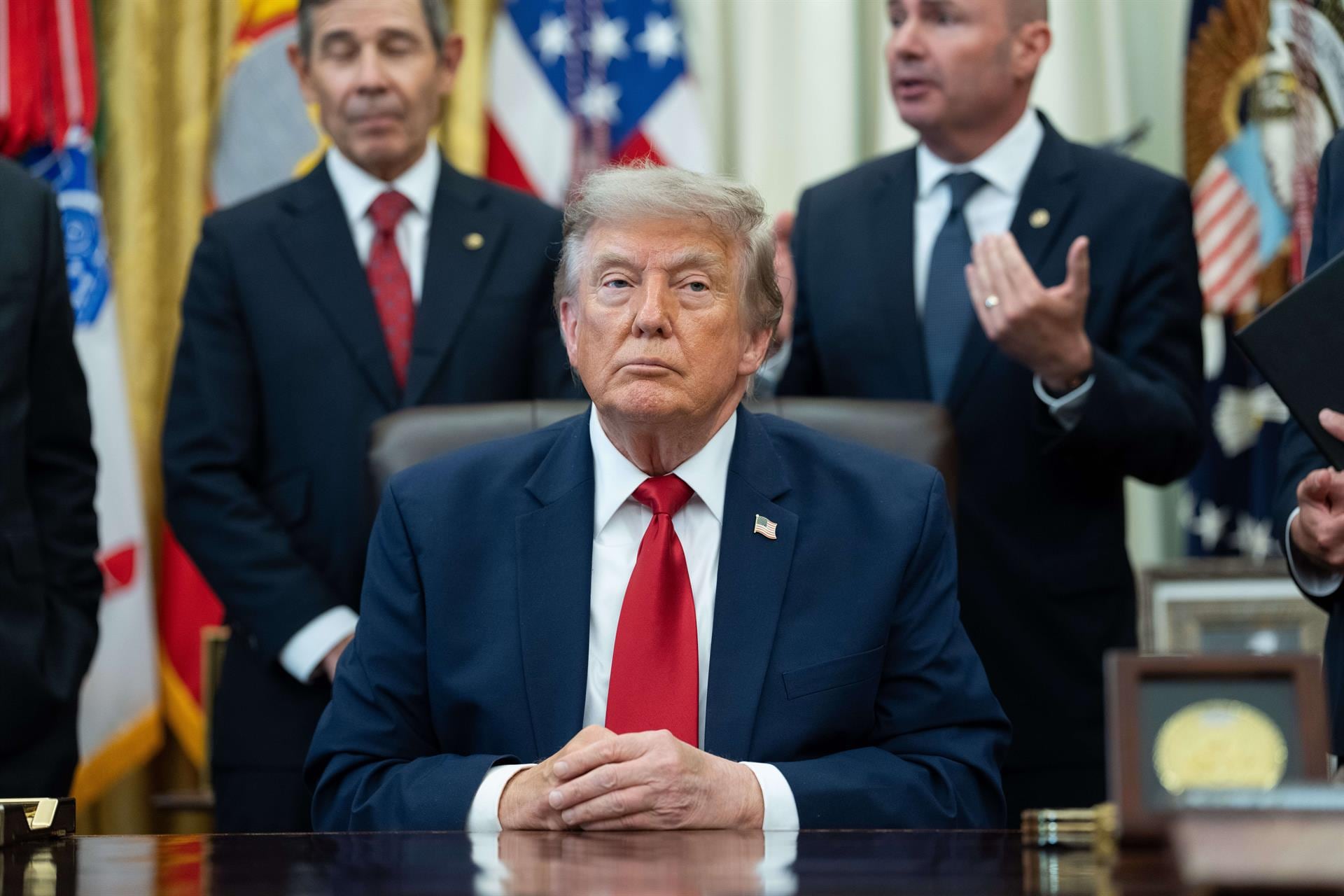
Trump also dropped a proposal announced on Monday to impose a 20% tariff on shipping that passes through the Strait of Hormuz. The idea drew criticism from the U.N. maritime agency and various shipping industry stakeholders. On Tuesday he said he would pursue investment agreements with Gulf countries instead of implementing that levy.
The military escalation once again affected energy markets. Oil prices rose on Wednesday after closing the previous session up about 2%, driven by supply disruptions in the Strait of Hormuz.
Brent crude ended Tuesday at its highest level since June 12, while West Texas Intermediate (WTI) reached its strongest price since June 15. Both contracts extended gains at the start of trading on Wednesday.