

The United States launched a new wave of strikes against Iran on Wednesday, the U.S. Central Command (CENTCOM) reported, hours after Washington reimposed a naval blockade on Iranian ports in a clear return to open confrontation between the two countries.
U.S. forces “began launching a wave of strikes… designed to further degrade the military capabilities Iranian forces have used to attack commercial shipping in the Strait of Hormuz,” CENTCOM said in a post on X.
At 6 a.m. ET today, U.S. Central Command forces began launching a wave of strikes against Iran. The strikes are designed to further degrade military capabilities Iranian forces have used to attack commercial shipping in the Strait of Hormuz.
— U.S. Central Command (@CENTCOM) July 15, 2026
The offensive followed an earlier round of bombardments carried out hours before, when fighter jets, drones and U.S. ships fired precision munitions during a seven-hour nighttime operation against dozens of Iranian military targets. One strike hit the barracks of the Iranian army’s 388th Mechanized Infantry Brigade in Sistan and Baluchestan province, killing at least seven soldiers and leaving more than 260 injured across the country, according to Iranian officials. Washington also resumed daytime strikes, an uncommon move that underscores the accelerating pace of the escalation.
Blockade and reciprocal threats
The United States first imposed the blockade in April and lifted it last month after a provisional agreement that paused fighting and set a 60-day period to negotiate issues such as Iran’s nuclear program. Those talks stalled as the dispute over the Strait of Hormuz intensified, and the reinstatement of the blockade this week effectively marked the collapse of the truce.
In response, Iran’s Islamic Revolutionary Guard Corps threatened to halt all energy exports from the Middle East. “The export of oil and gas from the region will be for everyone or for no one,” the paramilitary force warned.
Iran also claimed responsibility for missile and drone attacks against Bahrain, Kuwait and Jordan, all countries hosting U.S. forces. Bahrain and Kuwait issued incoming-fire alerts in the early hours of Wednesday, while Jordan said it had shot down three Iranian missiles.
Trump’s role and the price of oil
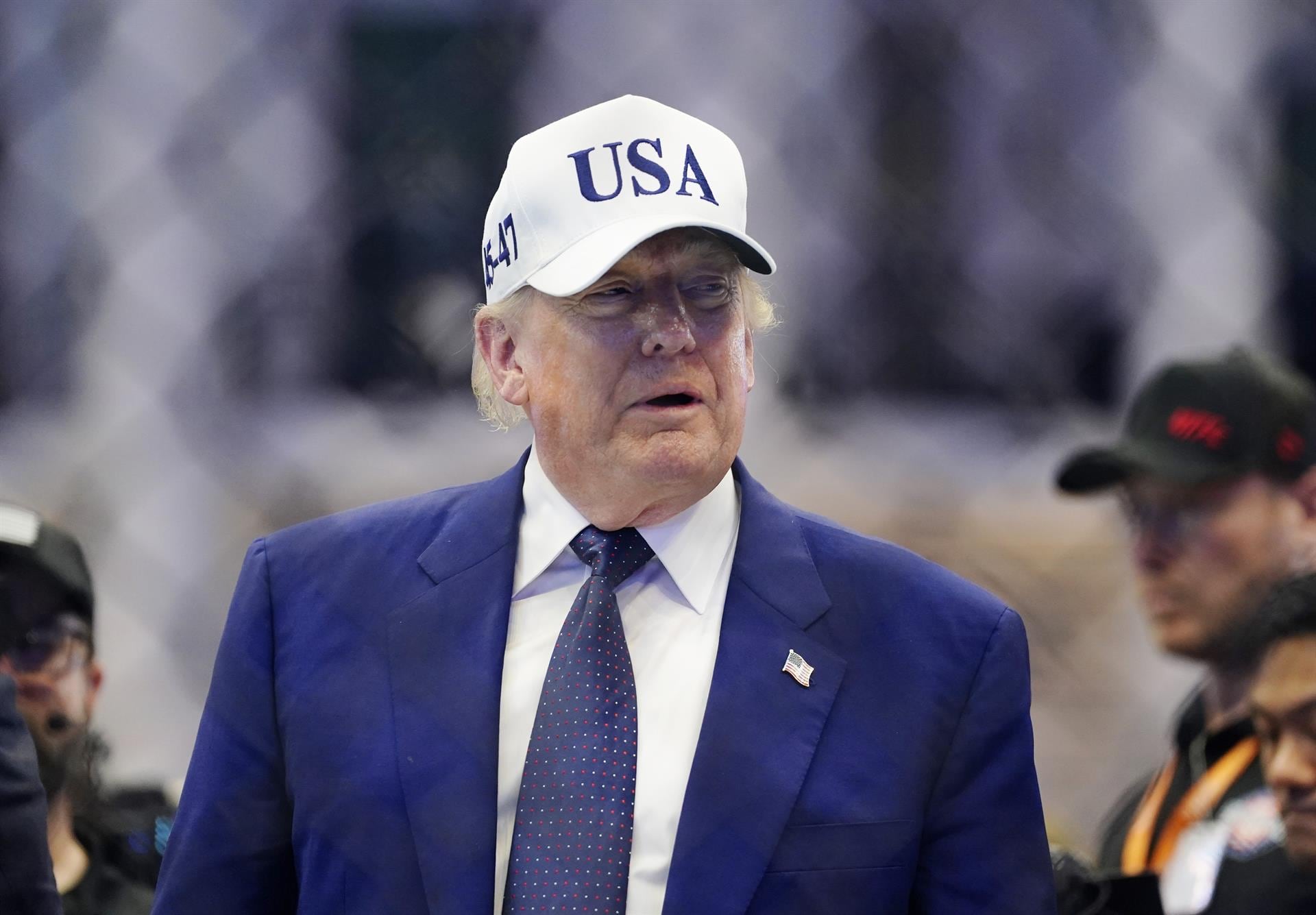
President Donald Trump said in a Fox News interview Tuesday night that strikes against Iran would continue over the next two days and that bridges and power plants could be targeted if negotiations do not resume. The United States had already attacked at least one bridge.
“They better reach an agreement, or they will be left with nothing,” Trump said.
Brent crude, the international benchmark, traded above $85 per barrel on Wednesday — more than 15% higher than before the war, though still below the nearly $120 reached at the conflict’s peak.
On Monday, alongside the reinstatement of the blockade, Trump announced a 20% tariff on ships transiting the strait, but he later dropped the plan, citing requests from Gulf allies interested in investing billions of dollars in the United States.
Hormuz, the flashpoint
The Strait of Hormuz, through which about one-fifth of the world’s traded oil and natural gas passes in peacetime, remains the epicenter of the conflict. During the provisional agreement, some ships had resumed transit along a route near Oman supervised by U.S. forces and outside Tehran’s control, but recent reciprocal attacks have again disrupted that passage.
Washington has threatened to reopen the strait by force, though analysts say doing so would require a far larger navy and possibly tens of thousands of ground troops. Regional mediators continue efforts to bring the United States and Iran back to the negotiating table.