
Iranian attacks intercepted against targets linked to the United States in Kuwait and Bahrain marked a new escalation between Washington and Tehran on Wednesday, nearly a month after the memorandum of understanding signed by both parties aimed at bringing an end to the war that began in February.
Iran said it struck U.S. targets in Kuwait and the U.S. Fifth Fleet in Bahrain, but both countries reported that they intercepted those offensives. Tehran also argued that the renewed U.S. naval blockade has, in some respect, nullified the Islamabad memorandum signed last month.
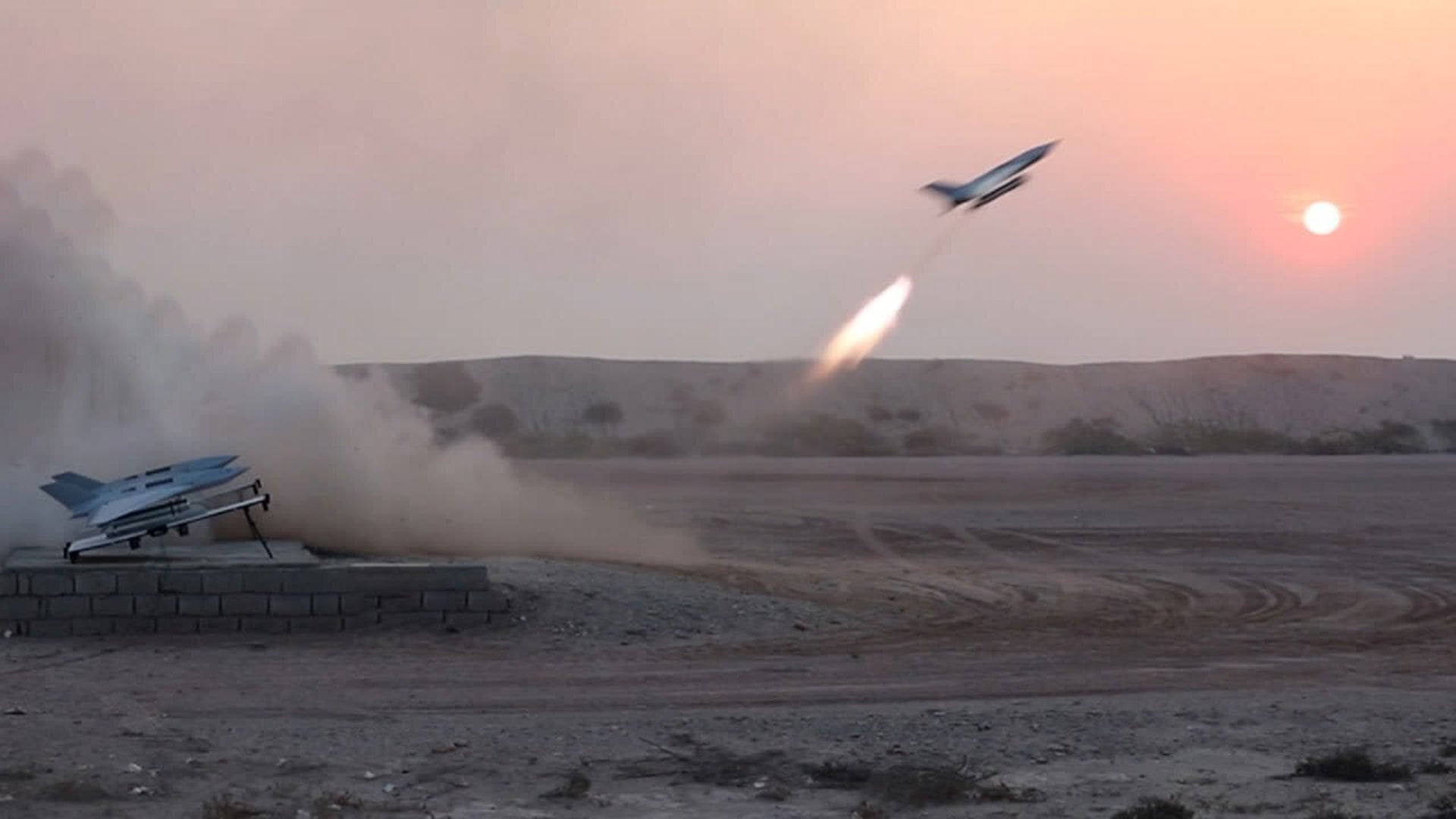
Kuwait’s Armed Forces said they intercepted attack drones and attributed the offensive to Iranian aggression. Later, Bahrain’s army said it intercepted and destroyed several Iranian aerial attacks.
In the early morning, Bahrain’s Interior Ministry sounded alert sirens and asked citizens and residents to remain calm and go to the nearest safe location. Iranian state media reported that Tehran had launched separate attacks on U.S. targets in Kuwait and on the Fifth Fleet in Bahrain.
The Islamic Revolutionary Guard Corps said its target in Bahrain was that U.S. naval force. Bahraini authorities, however, said their interceptors acted against attacks aimed at civilian targets.
Jordan’s Armed Forces also reported that they shot down three Iranian missiles.
Threats after failed attacks
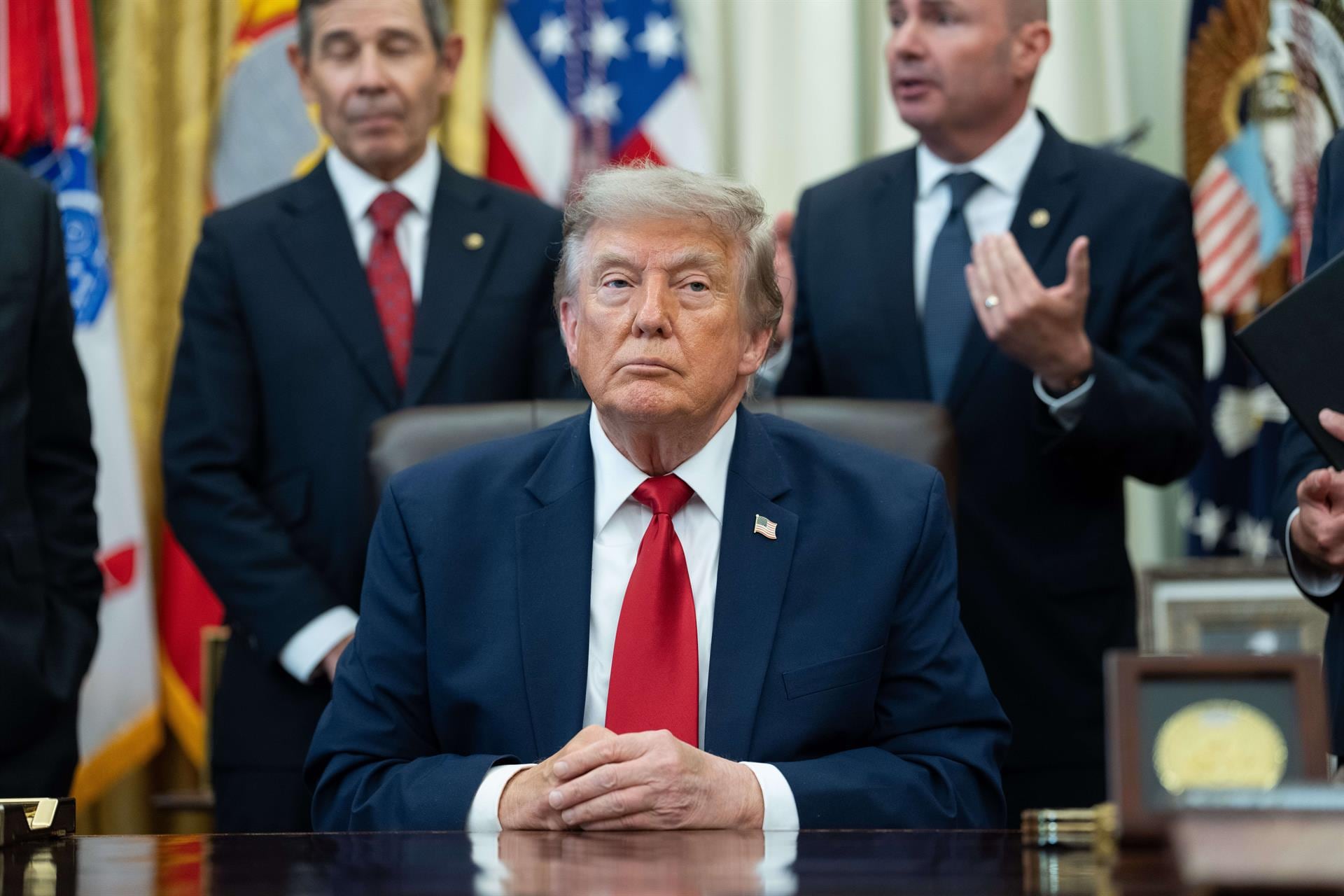
The escalation continued with warnings from both sides about expanding operations. President Donald Trump warned he would extend the offensive next week to target power plants and bridges if Tehran does not return to the negotiating table.
“Next week will be very tough for them,” Trump told Fox News. Despite the return of hostilities, mediated talks between the parties have not formally ended.
The confrontation centers largely on the Strait of Hormuz, a key route for the global flow of oil and gas. Since the start of the war, Iran has asserted control over the passage and has fired on ships it considers to be using unauthorized routes.
The Revolutionary Guard made clear it will maintain retaliatory operations and that the Strait of Hormuz will remain closed while the United States does not cease what it describes as acts of aggression.

Dispute over the memorandum and the Strait of Hormuz
Iran blocked Hormuz after the U.S. and Israeli attack on February 28 and used it for months as a pressure tool before briefly reopening it. It later vowed again to keep it closed until U.S. aggression stops.
The United States in turn reinstated its blockade of Iranian ports. Trump also withdrew a planned 20% surcharge for ships crossing the strait and said it would be replaced by trade and investment agreements with Gulf allies.
Iranian Deputy Foreign Minister Kazem Gharibabadi said that the renewed blockade “has, in some way, dismantled the Islamabad memorandum.” He was referring to the interim agreement reached last month to curb hostilities and open peace talks.
Consequences of the new escalation
Five days after the return to war, U.S. Central Command (CENTCOM) said it struck dozens of Iranian military targets near the strait and along the coast. According to the command, the strikes aimed to reduce Iran’s ability to threaten commercial shipping and civilian crews.
Iranian state media reported explosions near Bandar Abbas, on Qeshm Island, and in Bandar Imam Khomeini. They later reported new U.S. strikes on Bushehr, a southern port city that hosts the country’s only civilian nuclear power plant.
Admiral Brad Cooper, head of CENTCOM, said Tuesday that over the past week Iran attacked seven commercial vessels and left nearly a dozen civilian crew members dead, missing, or injured. The U.S. command added that its forces were holding Iran accountable for aggression that continued to put civilian lives at risk.
The new phase of the conflict also reached Kuwait, a repeated target during the war. Kuwaiti authorities said one of their naval vessels was hit during an Iranian barrage of missiles and drones, leaving four crew members wounded.
In Iran, renewed U.S. attacks have caused at least 30 deaths since last week, according to government spokeswoman Fatemeh Mohajerani. The Iranian military separately said seven of its personnel were killed in Wednesday’s bombings in the southeast.
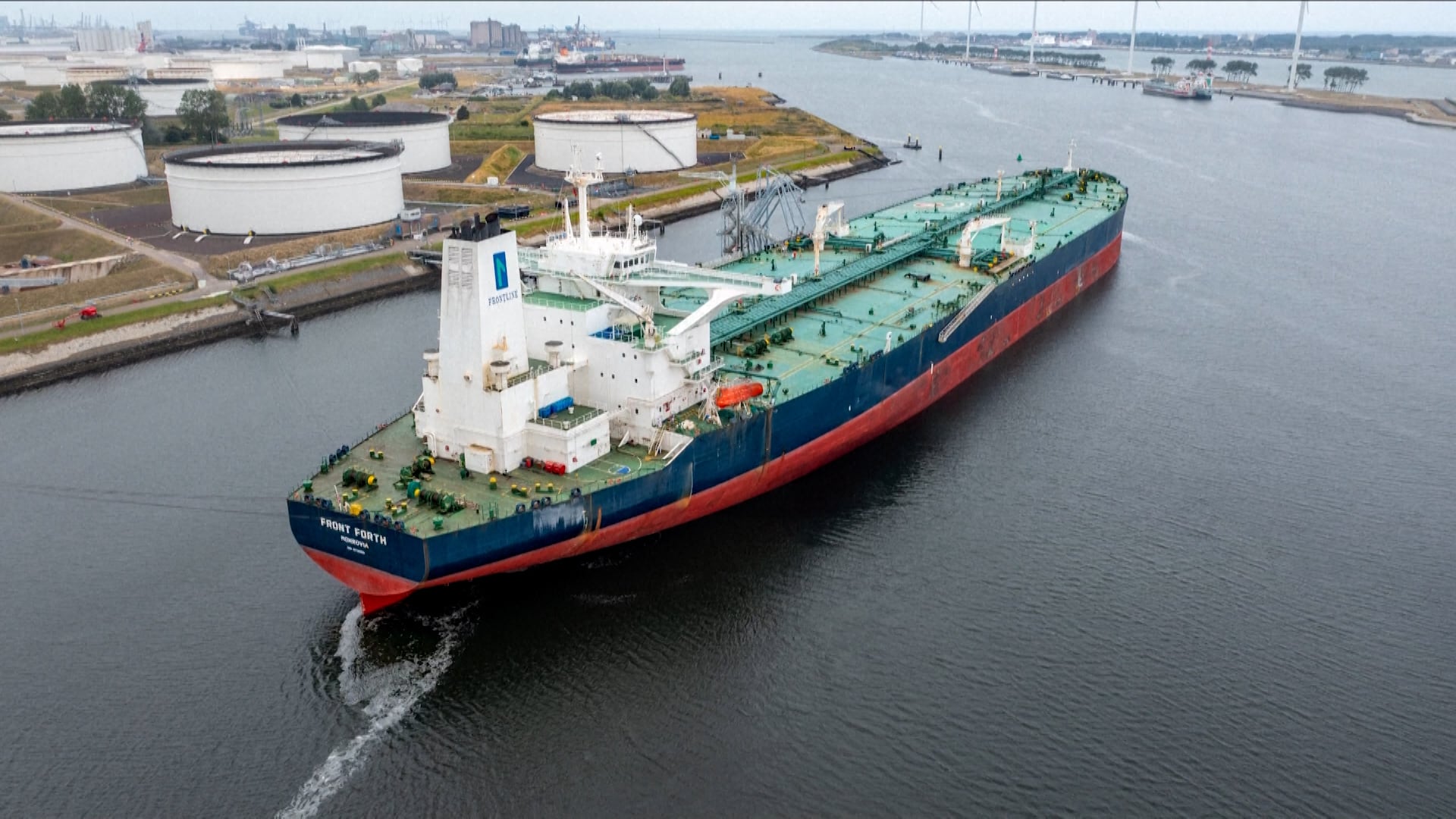
Tensions also impacted commercial shipping in the area. A crisis response company reported that a Norwegian tanker suffered an explosion caused by an unidentified device off the coast of Oman early Tuesday.