
Ukraine is engaged in a war with Russia that shows no signs of ending. In this context, the Ukrainian government has chosen to strengthen its defense industry by promoting domestic development of missiles and military systems. It does so through technology transfer agreements with European countries and the United States, which aim not only to assist Ukraine but also to expand global production capacity given the high demand for weaponry.
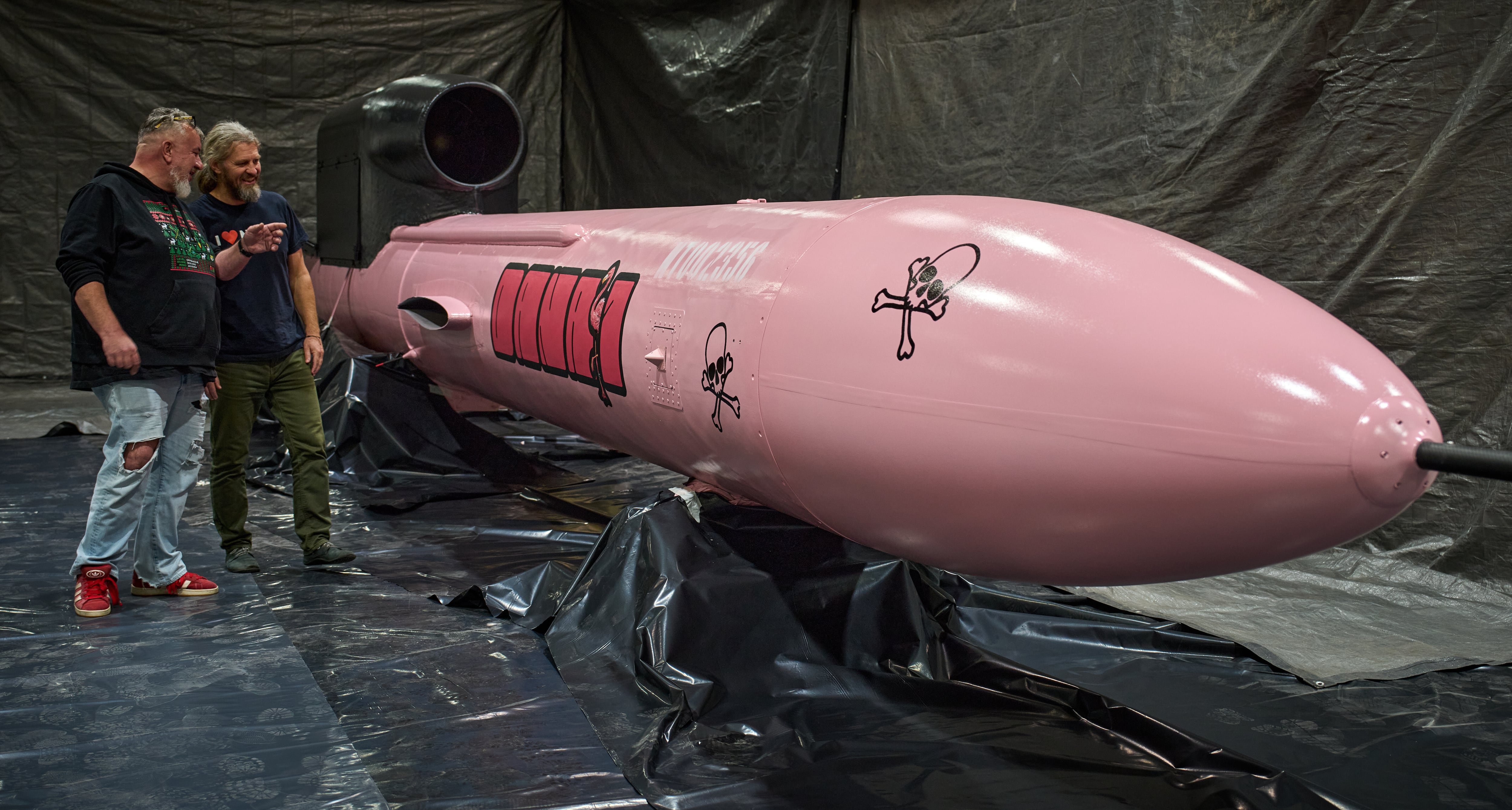
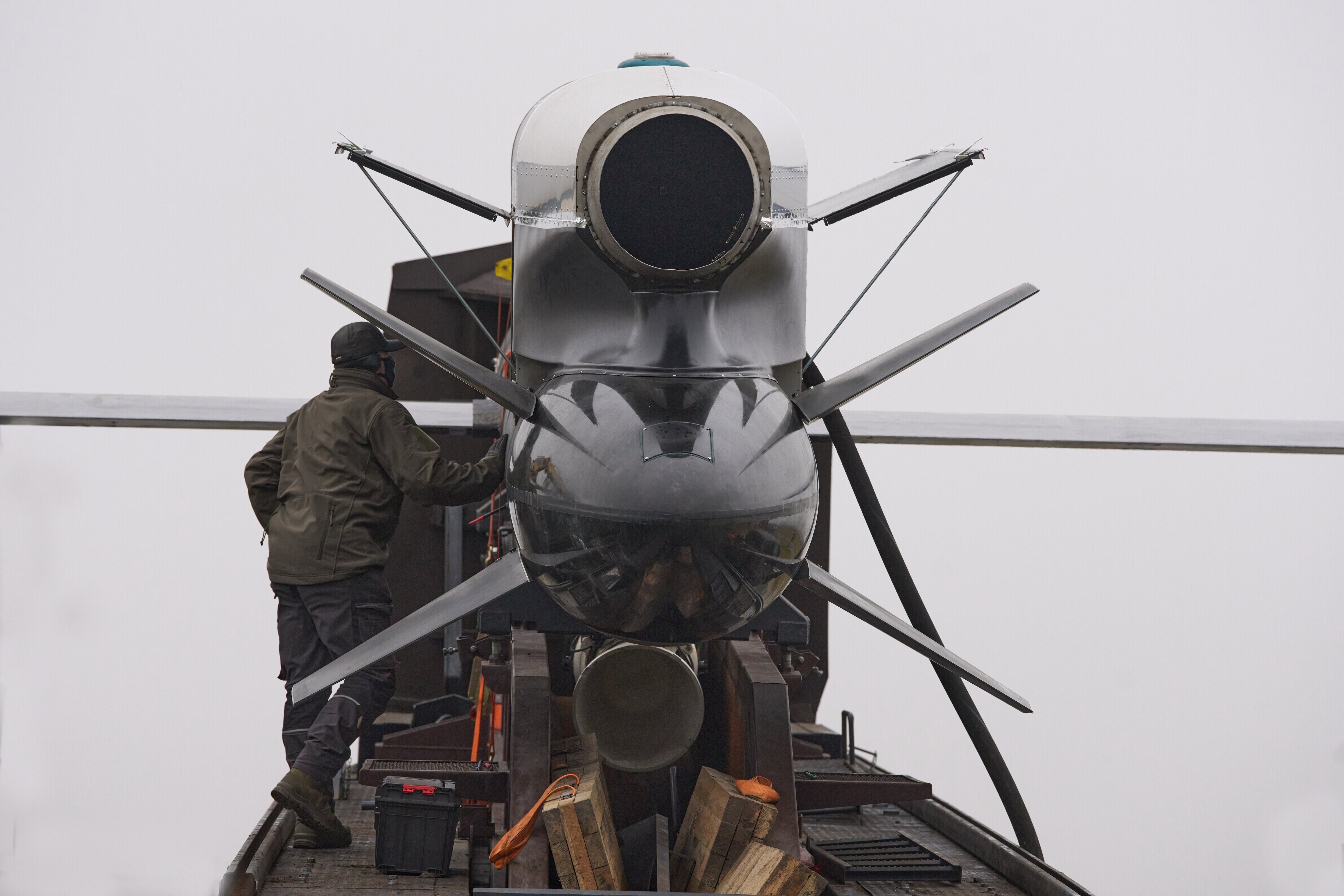
Through initiatives such as manufacturing Flamingo 5 missiles and developing ballistic models like the FP7 and FP7-X, Ukraine has made progress toward greater military self-sufficiency. Domestic companies, such as Firepoint, lead innovation by adapting imported technologies and meeting the Ukrainian state’s needs for defense and strikes on Russian territory. The process includes producing key components, like AL25 engines, which enable local assembly and cost reductions.
The conflict, far from being resolved, has produced a static front where both sides hold positions with few significant territorial changes. The prolonged fighting has pushed Ukraine to seek new strategies to sustain its defensive capabilities and to impact the Russian economy.
Military technology and license transfers
Agreements with Western countries have been essential for Ukraine’s progress. The United States and European nations have agreed to transfer production licenses for defense systems such as Patriot and SCALP missiles, as well as guided bombs and interceptor technology.
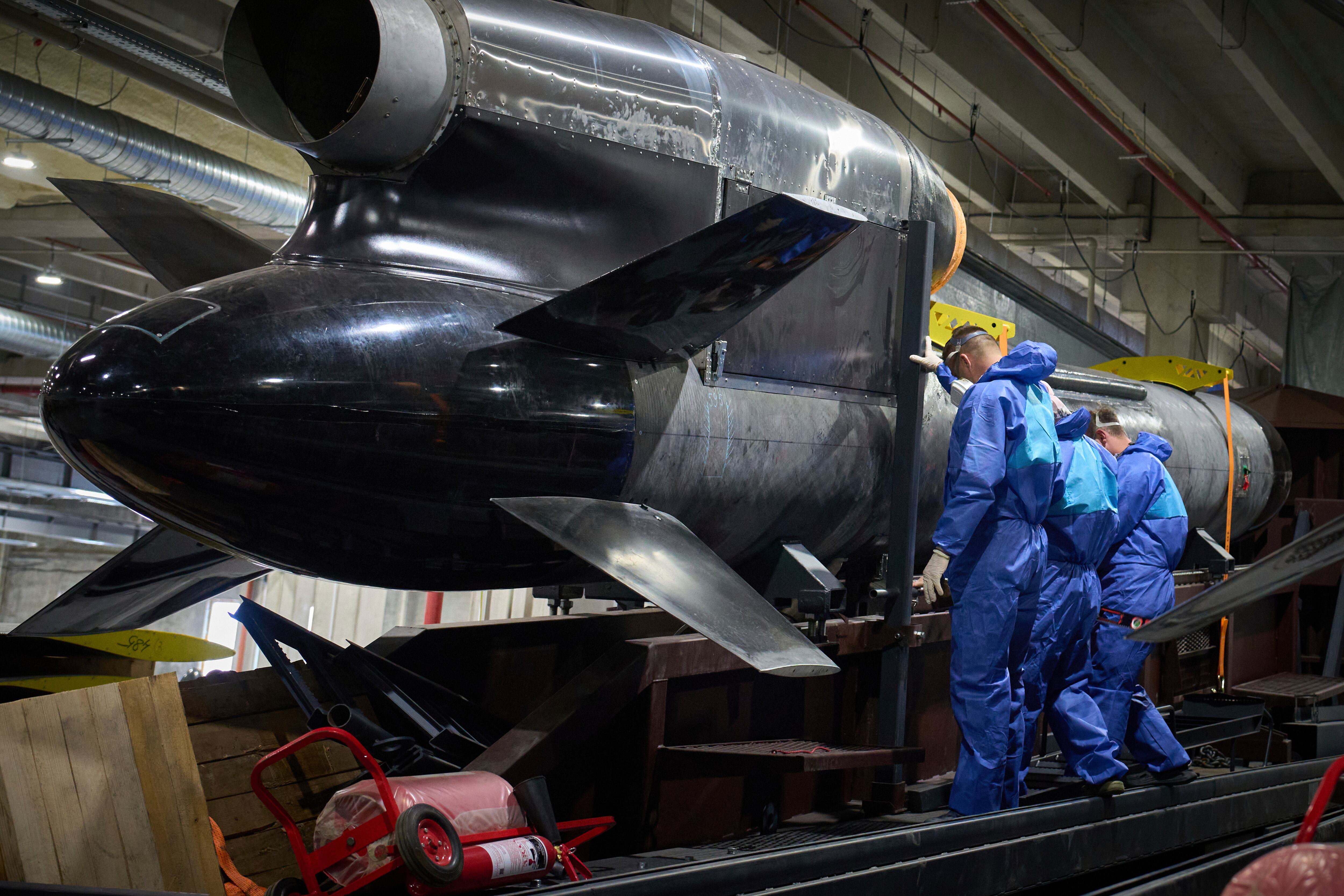
The war in Ukraine highlights a global shortfall in weapons production capacity. The United States produces 600 interceptor missiles per year, a figure far below the roughly three thousand that Ukraine needs for its air defense.
The use of expensive systems like the Patriot, which can cost up to four million dollars per unit, forces the search for more affordable alternatives. The Ukrainian FP7-X promises to intercept ballistic missiles for about one million dollars, according to Andrei Serbin Pont on Infobae Al Mediodía.
European and North American countries have an interest in Ukraine expanding its industrial capacity, not only for strategic reasons but also for economic ones. “We want to see some of the returns, and that means we are interested in these products eventually reaching our own arsenals,” Serbin Pont said regarding the European position.
At the same time, development and technology transfer are presented as a solution to sustain international demand, which exceeds Western production capacity. Western allies seek to share the burden of production and ensure supply to their armed forces without depleting their own stocks.
Impact of the conflict on Ukraine and Russia
Military operations in Ukraine have been marked by precision strikes against Russian infrastructure. Over the past year, 43% of Russia’s oil refining capacity has been affected by Ukrainian actions. Serbin Pont noted that strikes on these types of targets have exceeded two hundred, a strategy intended to harm the Russian economy and raise the domestic cost of the war.
Despite these actions, the conflict remains without a nearby resolution. “None of the large population centers they would like to recapture are close to being retaken,” Serbin Pont said. The front remains static and the prospect of a political settlement appears distant.
Political outlook and existential dimension
The conflict has an existential character for Ukraine. Serbin Pont explained that “for Ukrainians it is an existential war.” The Russian government’s position, grounded in historical and strategic arguments, denies Ukraine’s legitimacy as an independent state. President Vladimir Putin has argued, in statements before the invasion, that Ukraine should never have become independent.
For Russia, control over Ukraine is a strategic issue related to access to Crimea, the Black Sea, and the maintenance of regional influence. The conflict reflects historical and geopolitical interests, which reduces the incentives for a cessation of hostilities.
The prolongation of the war affects domestic politics in both countries. Ukraine has suspended electoral processes, and Russia uses the conflict as a tool for internal legitimization. International dynamics are altered by high demand for armaments and the continuous involvement of foreign powers in supplying technology and equipment.
–
Infobae accompanies you every day on YouTube with interviews, analysis, and the most important information, in a close and dynamic format.
• 7–9 AM: Infobae at Dawn — Nacho Giron, Luciana Rubinska and Belén Escobar.
• 9 AM–12 PM: Infobae at Nine — Gonzalo Sánchez, Tatiana Schapiro, Ramón Indart and Cecilia Boufflet.
• 12–3 PM: Infobae at Midday — Maru Duffard, Andrei Serbin Pont, Jimena Grandinetti, Fede Mayol and Facundo Kablan.
• 3–6 PM: Infobae in the Afternoon — Manu Jove, Maia Jastreblansky and Paula Guardia Bourdin; during the week Marcos Shaw, Lara López Calvo and Tomás Trapé rotate.
• 6–9 PM: Infobae on Return — Gonzalo Aziz, Diego Iglesias, Malena de los Ríos and Matías Barbería; during the week Gustavo Lazzari, Martín Tetaz and Mica Mendelevich rotate.
Follow us on our YouTube channel @infobae.