Blog

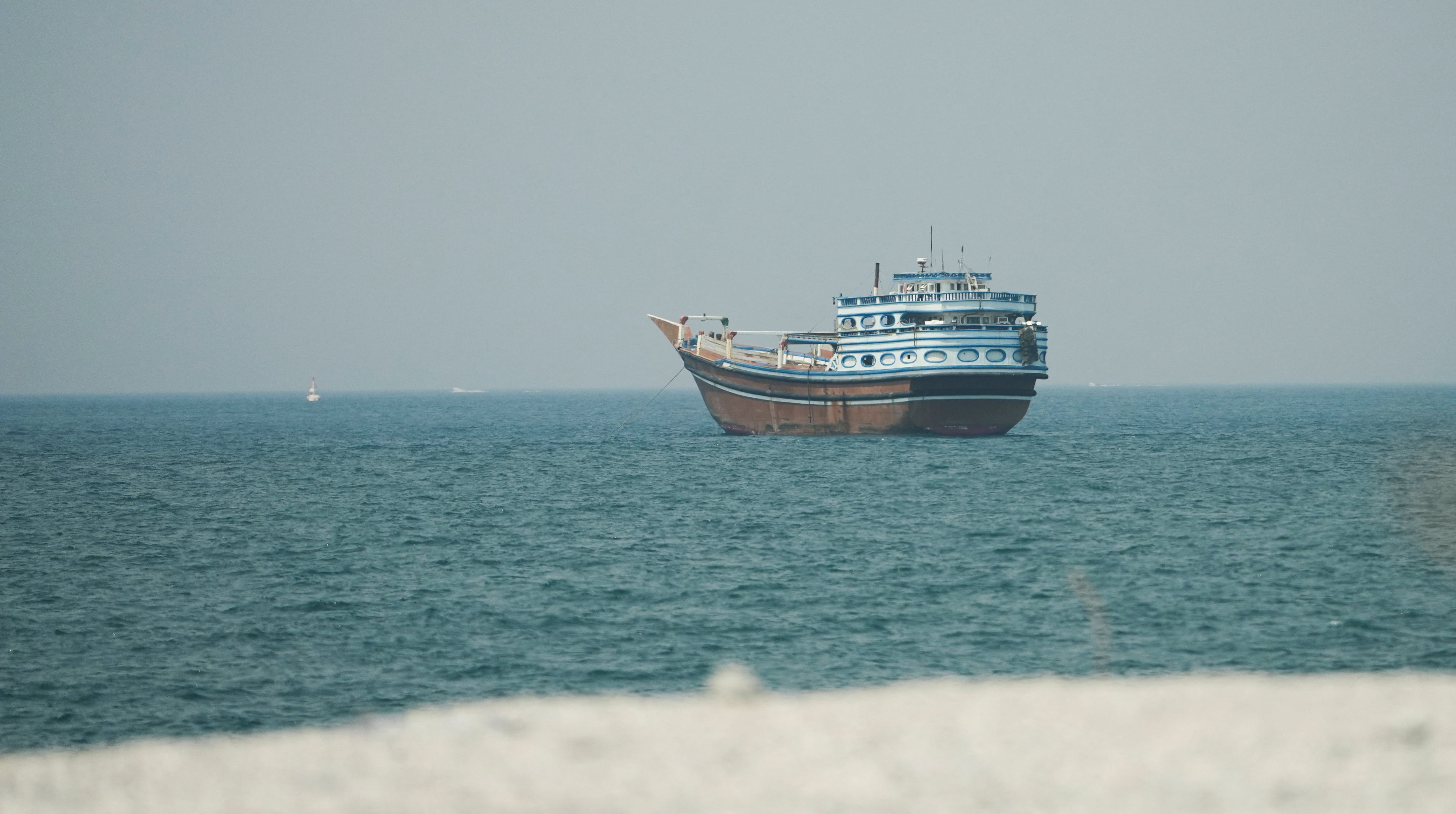
  • Iran attacks two tankers in Strait of Hormuz, one crew member killed

    Iran attacks two tankers in Strait of Hormuz, one crew member killed

    The United States launched a third round of strikes against Iran and announced the reinstatement of a naval blockade on Iranian ports, amid the collapse of the memorandum of understanding (MoU) signed by both sides after fighting resumed last week.

    Hours before announcing the strikes, Trump said the Strait of Hormuz is open and will remain so “with or without Iran.” He also announced that the United States would reimpose its blockade on Iranian ports and begin charging fees to ships transiting the waterway.

    The president set a 20% levy “for each and every cost necessary” to guarantee the security of vessels in the strait. The United States Central Command said preparations to resume blocking ships bound for or departing from Iranian ports would begin at 20:00 GMT on Tuesday.

    The International Maritime Organization (IMO) rejected both the proposed fees and the military actions in the area. In a statement, the IMO Council reaffirmed its commitment to protecting vital sea routes and said passage through the Strait of Hormuz “must remain free of tolls and charges, in accordance with international law.”

    Two tankers attacked by Iran: one Indian crew member killed

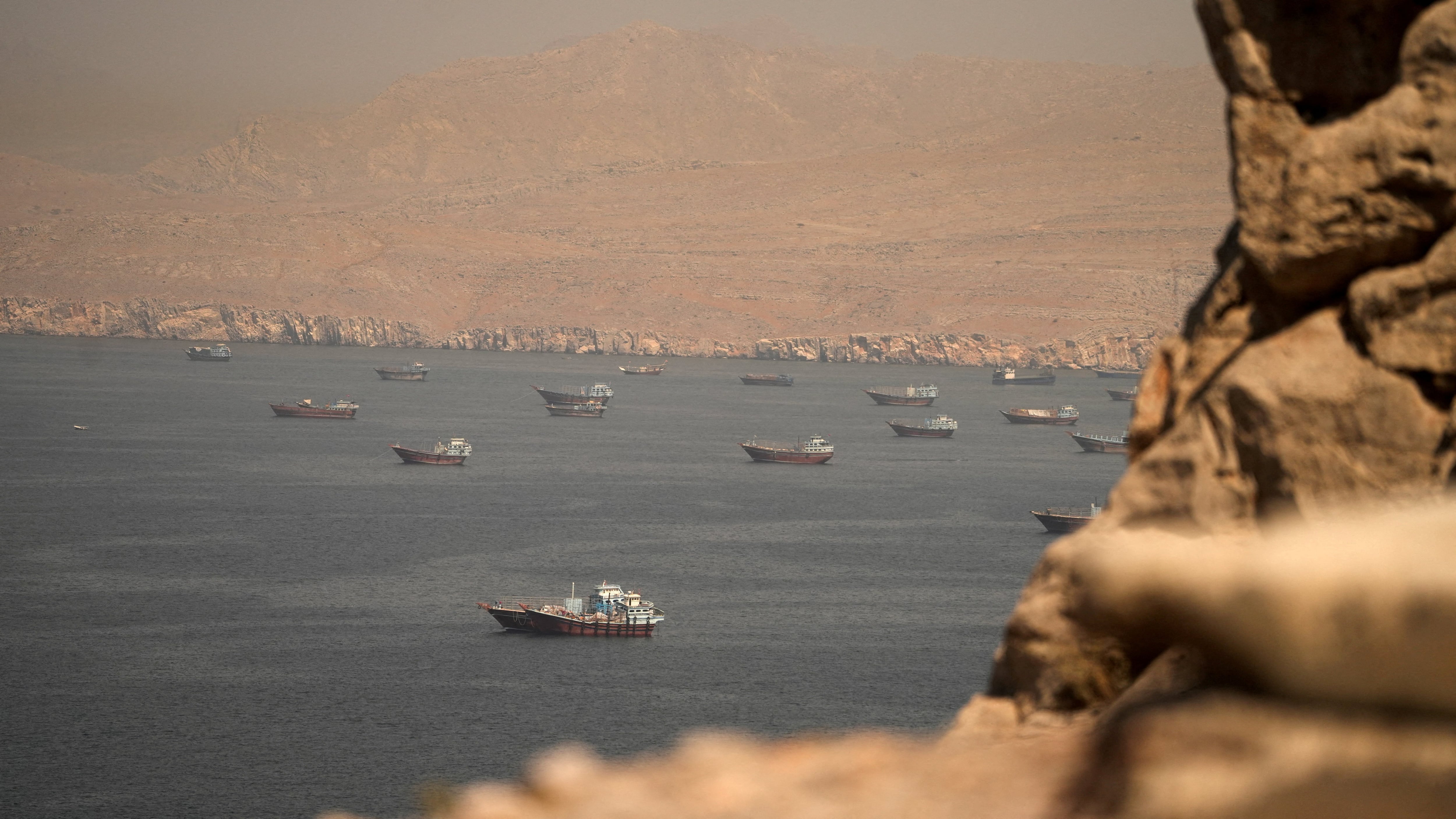
    The United Arab Emirates Ministry of Defense reported on Monday that two national tankers were attacked with two Iranian cruise missiles in the southern channel of the Strait of Hormuz, in Omani territorial waters. The attack killed one Indian crew member and injured eight others, four of them seriously.

    The ministry said fires broke out on both vessels but were brought under control. It condemned the attack as a serious violation of international law and said the UAE retains the full right to respond and take all necessary measures to protect its sovereignty and security.

    /america/mundo/2026/07/13/la-onu-y-la-organizacion-maritima-exigieron-el-paso-libre-en-el-estrecho-de-ormuz/

    /america/mundo/2026/07/13/el-comando-central-de-estados-unidos-confirmo-que-el-bloqueo-naval-contra-iran-comenzara-este-martes/

    Trump says Iran sought further negotiations after agreement was reached

    The U.S. president said the United States had reached an agreement with Iran two days earlier, but that Tehran wanted to continue negotiating it.

    When asked by a reporter whether he had decided a negotiated agreement with Iran was no longer possible, Trump replied: “I never reached that conclusion.”

    He added that he believed the most effective way to pressure Iran was a combination of a blockade and strikes.

    /estados-unidos/2026/07/13/estados-unidos-lanzo-una-nueva-ronda-de-ataques-contra-iran-para-degradar-su-capacidad-militar-en-estrecho-de-ormuz/

    The International Maritime Organization (IMO) reiterated on Monday that passage through the Strait of Hormuz must remain free of charges, following U.S. President Donald Trump’s announcement the same day that the United States would impose a 20% fee for what he called security protection.

    Under international law, passage must remain free of customs duties and charges, the UN specialized agency based in London said. The IMO emphasized that any agreement among the region’s littoral states must guarantee nondiscriminatory and unimpeded transit rights for all ships.

    /america/mundo/2026/07/13/las-acciones-tecnologicas-hundieron-a-wall-street-tras-la-escalada-entre-estados-unidos-e-iran/

    /america/mundo/2026/07/13/el-petroleo-registro-su-mayor-alza-diaria-desde-el-inicio-del-conflicto-entre-estados-unidos-e-iran/

    /america/mundo/2026/07/13/las-defensas-saudies-interceptaron-misiles-huties-en-la-mayor-escalada-en-yemen-desde-2022/

    Donald Trump announced he will address the nation in prime time on Thursday, an announcement that comes amid a significant escalation of hostilities with Iran.

    “President Trump will address the nation on Thursday night at 9 p.m. Eastern Time (01:00 GMT Friday). Thank you for your attention!” Trump posted on his social network Truth on Monday.

    U.S. missions in the United Arab Emirates suspend consular appointments

    The United States announced the suspension of consular appointments in the United Arab Emirates for three days beginning Monday, due to the escalation of military tensions in the Gulf region.

    “The U.S. Embassy in Abu Dhabi and the U.S. Consulate General in Dubai have canceled consular appointments from July 13 to July 15 due to the regional security situation. If you have an appointment scheduled for those dates, please do not go to the embassy or consulate. We will contact you to reschedule,” the notice said.

    Iran’s foreign minister mocks Trump’s fee to protect ships in Hormuz

    Iranian Foreign Minister Abbas Araghchi mocked U.S. President Donald Trump’s proposal to impose fees to protect ships navigating the Strait of Hormuz, saying his country would charge a cheaper toll.

    “Whoever guarantees the safe passage of commercial ships through the Strait of Hormuz should receive compensation for the service. Iran has always been the guardian of the strait and will remain so forever. Twenty percent is, of course, too much. We will be fair,” the minister wrote on social media, referring to the fee Trump proposed earlier.

    Oil prices jump more than 9%

    Oil prices surged on Monday, driven by the U.S. reinstatement of a naval blockade on Iranian ports and Washington’s intention to charge a toll for vessels crossing the Strait of Hormuz.

    By 18:20 GMT, the North Sea Brent benchmark rose 9.06% to $82.90 a barrel. U.S. West Texas Intermediate (WTI) advanced 9.05% to $77.87 a barrel.

    U.S. naval blockade against Iran to begin Tuesday

    The United States will begin enforcing a naval blockade against all Iranian ports and oil terminals on Tuesday, the Joint Maritime Information Center (JMIC) of the U.S.-led Combined Maritime Forces said in a statement on Monday.

    According to the JMIC, the blockade will apply to all vessels regardless of flag. The blockade will not prevent neutral traffic transiting the Strait of Hormuz destined to or from locations outside Iran, the statement added.

    Humanitarian shipments will be allowed passage, subject to inspections, the JMIC said.

    /estados-unidos/2026/07/13/nueva-ofensiva-contra-iran-estados-unidos-bombardeo-una-instalacion-naval-del-regimen-con-drones-maritimos-no-tripulados/

    Saudi coalition says it responded to ballistic missile attack by Yemen’s Houthis

    The Saudi-led military coalition intervening in Yemen since 2015 said on Monday it had responded to a ballistic missile attack launched by the Houthi rebels, after the Shiite movement accused Riyadh of bombing Sanaa International Airport.

    “Air defenses responded to a ballistic missile threat launched by the terrorist Houthi militia toward the southern region,” Turki al-Maliki, spokesperson for the Coalition to Support Yemeni Legitimacy, said on X.

    European stock markets close slightly higher amid Middle East uncertainty

    European stock markets closed slightly higher on Monday after a session marked by the resumption of hostilities and rising oil prices, along with concerns about the technology sector and the outlook for interest rates.

    London finished up marginally at 0.01%, Paris gained 0.31%, Frankfurt 0.19%, Milan 0.37% and Madrid 0.25%.

    Guterres warns of military escalation in the Gulf after U.S. and Iranian attacks

    UN Secretary-General António Guterres warned on Monday about U.S. attacks on Iran and Tehran’s strikes on vessels in the Strait of Hormuz and on neighboring countries.

    Guterres expressed his “deep concern about the serious escalation and the resumption of military confrontations in the Gulf region,” his spokesperson Stéphane Dujarric said.

    Oil rises more than 4% as tensions between the U.S. and Iran grow

    Oil prices climbed strongly on Monday, with West Texas Intermediate trading at $74.53 a barrel, up 4.37%, while Brent rose 4.30% to $79.28. The increase occurred amid growing military tensions between the United States and Iran, which revived doubts about the security of transit through the Strait of Hormuz.

    The energy rally also affected stock and bond markets: the VIX volatility index jumped 7.77%, while U.S. Treasury yields rose across the curve — the 10-year yield increased 0.63% and the 5-year yield 0.88% — reflecting investor caution over a possible prolonged disruption to global energy trade.

    CENTCOM confirms first combat use of maritime drones: struck Iranian naval base in Bandar Abbas

    U.S. Central Command (CENTCOM) said its forces successfully struck a submarine and ship maintenance facility in Iran using multiple single-use aerial attack drones. According to CENTCOM, three unmanned surface vessels of the Corsair model impacted the port at Bandar Abbas Naval Base.

    CENTCOM said the attack marked the first time U.S. forces have used maritime drones in combat. The command stated that the nighttime strikes “degraded Iran’s ability to continue attacking commercial maritime traffic,” amid the military escalation that has put transit through the Strait of Hormuz on edge.

    /america/mundo/2026/07/13/operaciones-militares-en-yemen-bombardearon-el-aeropuerto-de-sana-controlado-por-rebeldes-huties/

    Trump says the U.S. will charge a 20% fee to protect ships in the Strait of Hormuz

    President Donald Trump said the Strait of Hormuz is and will remain “OPEN,” with or without Iran, and that the United States is reinstating what he termed the “IRANIAN BLOCKADE,” which, as he explained, will only prevent Iranian ships or customers from entering or leaving.

    “All other countries will have fair and open use of the strait,” the president wrote on Truth Social.

    Trump said the United States will from now on be known as “THE GUARDIAN OF THE STRAIT OF HORMUZ,” and argued that, “as a matter of FAIRNESS,” the country should be reimbursed at a rate of 20% on all transported cargo, to cover the costs necessary to provide security in “this very volatile section of the world.” “The process and training will begin immediately,” he added.

    The announcement intensifies Trump’s rhetoric over the strait, after he had earlier told Fox that Washington would become the “guardian” of the waterway and be compensated for guarding it, amid the military escalation with Iran and Tehran’s warning that it would consider any Gulf state cooperation with the U.S. over the passage “an act of war.”

    The full report is at this link.

    Iran’s Revolutionary Guards accuse the U.S. of endangering global oil supply by “interfering” in Hormuz

    Iran’s Islamic Revolutionary Guard Corps accused the United States on Monday of endangering the global supply of oil and gas by “interfering” in the Strait of Hormuz after hostilities between the two countries resumed. IRGC spokesperson Hosein Mohebi said the United States “must be held accountable” for putting global energy security at risk.

    In a post on X, Mohebi added that Tehran “will continue to exercise its sovereignty and management of the Strait of Hormuz,” signaling that Iran is unwilling to cede operational control of the route despite U.S. pressure.

    The accusation followed an earlier warning from the Khatam Al-Anbiya military command, which said any Gulf state cooperation with Washington regarding management of the strait would be considered “an act of war,” after President Trump said the United States would become the strait’s “guardian” and should be compensated for doing so.

    Wall Street opens lower on U.S.-Iran escalation and a drop in semiconductors

    Stocks on Wall Street opened mostly lower on Monday morning as markets weighed rising oil prices and a pullback in semiconductor shares, while investors looked ahead to upcoming corporate earnings and economic data. Crude prices rose more than 3% amid growing tensions between the United States and Iran, reviving concerns about oil infrastructure in the Strait of Hormuz.

    U.S. semiconductor shares fell early after a weak session on South Korea’s Kospi, driven by a sharp decline in SK hynix. About ten minutes after the open, the Dow Jones was up 0.1% at 52,676.53 points, while the S&P 500 was down 0.4% at 7,547.53 and the Nasdaq Composite fell 0.9% to 26,039.50.

    “Tensions with Iran, which are intensifying, are pushing oil prices up, and that is raising Treasury yields, while the liquidation of SK hynix drags memory-linked stocks down, which in turn pressures the Nasdaq and the S&P,” said Art Hogan of B. Riley Wealth Management. This week’s agenda includes major U.S. bank earnings, a congressional appearance by Federal Reserve Chair Kevin Warsh, and the latest consumer price index data.

    Iran warns Gulf states: cooperating with the U.S. in the Strait of Hormuz will be considered “an act of war”

    The Iranian military warned Gulf states on Monday that any cooperation with the United States in managing the Strait of Hormuz would be considered “an act of war,” as hostilities between Tehran and Washington resumed. A spokesperson for the Khatam Al-Anbiya military command made the warning in a video message addressed to regional nations.

    The same spokesperson said Iran “under no circumstances will allow… the United States to interfere in the management” of the strategic waterway, aiming to dissuade Washington’s regional allies from joining any joint scheme to administer the strait.

    The statement follows President Donald Trump’s remarks that the U.S. would become the “guardian” of the Strait of Hormuz and should be compensated for protecting it, amid the military escalation that has put this key energy trade route at risk.

    Trump says the U.S. is “taking control” of the Strait of Hormuz

    President Donald Trump said on Monday that the United States was “taking control” of the Strait of Hormuz after several days of exchanges with Iran in the vital maritime corridor. “We are taking control of the strait. They have nothing. They have nothing,” Trump said in an interview with Fox News, referring to Iran’s supposed military vulnerability.

    The president added that the United States would become the “guardian” of the strait and should be paid for protecting it. “We will become the guardian of the strait (…) And we should be compensated for that,” he said in the interview.

    He also warned Iran sharply after the breakdown of the existing military agreement, saying the United States struck Iranian military equipment during the night. “Most of their equipment no longer exists. Their anti-aircraft guns — we hit them very hard last night,” he said. “Every time they send a drone, we hit them very hard.” Trump asserted that Washington had reached an agreement with Tehran that was later violated: “We had an agreement… and they broke it. They always break it. So we are going to hit them very hard and stay in the strait, and we will probably administer it.”

    The remarks come amid a dispute over control of the strait, after Iran threatened to close it and fired “warning shots” at ships attempting to cross, while Washington insists maritime traffic continues to flow normally despite the military escalation.

    /america/mundo/2026/07/13/el-reino-unido-acuso-a-iran-de-respaldar-ataques-a-objetivos-judios-en-londres-y-declaro-ilegal-a-la-guardia-revolucionaria/

    Video: U.S. releases footage of new wave of strikes against Iran

    U.S. forces completed a new wave of strikes against Iran on Sunday, hitting dozens of targets at multiple locations with precision munitions, the U.S. Central Command (CENTCOM) reported. CENTCOM said it struck air defense systems, coastal radars, missile and drone capabilities, and small Iranian vessels using combat aircraft, warships, and single-use aerial and maritime attack drones.

    Iranian media reported on Sunday missile strikes and explosions around the port cities of Sirik and Bandar Abbas — where military installations near the strait are located — and the nearby island of Qeshm. Iran’s foreign ministry condemned the U.S. strikes over the weekend as “aggressive.” Reuters could not independently verify the location or date of the video footage, nor find any earlier version posted online before July 12.

    The Houthis warn they will retaliate for the attack on Sanaa airport

    Yemen’s Iran-backed Houthis said on Monday they will respond to the attack on Sanaa airport, which they attributed to Saudi Arabia, although the operation was claimed by the Yemeni government backed by Riyadh. Houthi military spokesperson Yahya Saree accused Saudi Arabia of “ending the de-escalation phase and assuming full responsibility for the consequences of its aggression.”

    Saree warned that “this aggression will not go unanswered or unpunished,” indicating the rebel group could intensify its actions amid the region’s growing tensions linked to the U.S.-Iran confrontation.

    Yemeni government claims attack on Sanaa airport; Houthis blame Saudi Arabia

    The internationally recognized government of Yemen said on Monday it attacked Sanaa airport after a dispute over an Iranian plane carrying a Houthi delegation, an operation the government claimed despite Houthi accusations that Saudi Arabia was responsible. “The Houthi terrorist militias — backed by the Iranian regime — prevented national Yemeni aircraft from landing at the capital’s airport while insisting on allowing an Iranian plane to violate Yemeni territory; accordingly, the airport runway was attacked,” Yemen’s Defense Ministry said.

    Earlier, the Houthi channel Al Masirah reported that “the Saudi aggression attacked the takeoff and landing runways of Sanaa International Airport.” The Houthis said they would respond to the attack they attributed to Saudi Arabia, even though the Riyadh-backed Yemeni government claimed responsibility. Houthi spokesperson Yahya Saree said Saudi actions “end the de-escalation phase” and warned: “We affirm that this aggression will not go unanswered or unpunished.”

    /america/mundo/2026/07/13/como-esta-el-trafico-maritimo-en-el-estrecho-de-ormuz-que-iran-asegura-haber-cerrado-y-eeuu-quiere-mantener-abierto/

    Bahrain intercepts Iranian drones and missiles amid reports of strikes in southern Iran

    Bahrain’s military said on Monday that its air defenses intercepted and destroyed several missiles and drones launched by Iran during the day, following claims by the Islamic Revolutionary Guard Corps that it had struck U.S. military installations in the Gulf, including bases on Bahraini territory. Bahrain’s Defense Forces accused Iran of continuing to target the kingdom’s civilian population.

    Separately, Iran’s semi-official ISNA news agency reported that a U.S. strike on a target in Isfahan province in central Iran killed one person and injured seven in the early hours of Monday, according to the province’s deputy security governor. Iran has not released an official casualty count since the recent large-scale exchange of strikes began last week, but state media reports and incident statements suggest about 20 people have died from renewed U.S. bombardments. At the start of the war thousands were killed, mostly in Iran and Lebanon.

    Bahrain’s military accuses Iran of attacking civilians

    On Monday, Bahrain’s armed forces accused Iran of attacking civilians in their latest strikes against the kingdom, after Tehran said it had hit U.S. military facilities and infrastructure there.

    “Iran continues its systematic hostile behavior through its atrocious missile and drone attacks directed at civilians in the Kingdom of Bahrain,” the armed forces’ general command said in a statement, adding that air defenses “intercepted and destroyed several Iranian air attacks” on Monday morning.

    Iranian media report explosions near the Strait of Hormuz

    Explosions of unknown origin were heard on Monday in southern Iran, near the Strait of Hormuz, a news agency reported, after an exchange of strikes between Tehran and Washington.

    “Media outlets and residents reported hearing explosions on Monday at midday near Bandar Abbas and the island of Qeshm,” Mehr news agency said, adding that the explosions “appear to originate from the west coast of Bandar Abbas.”

    Iran says it continues talks with mediators to “avoid escalation” with the U.S.

    Iran said on Monday it is continuing diplomatic efforts with mediators Qatar, Pakistan and Oman to “avoid an escalation” with the United States amid the renewed hostilities between the two countries.

    “The role of the mediators is to continue their efforts to prevent an escalation of tensions,” Foreign Ministry spokesperson Esmail Baqai said, adding that Tehran had been in contact “in recent days” with Qatar and Oman — two countries that Iran had attacked militarily — as well as with Pakistan.

    Iran says it will stop complying with the agreement if the U.S. does not meet its commitments

    Iran announced on Monday that it would no longer abide by the memorandum of understanding signed with the United States if Washington failed to fulfill its commitments to end the war.

    “Whenever the other party has not fulfilled its obligations, we have not fulfilled ours… We will continue to act in this manner,” Foreign Ministry spokesperson Esmaeil Baqaee said at a press conference in Tehran after the latest wave of hostilities between the two adversaries.

    /america/mundo/2026/07/13/el-petroleo-sube-mas-de-4-tras-la-reanudacion-de-los-ataques-entre-eeuu-e-iran-y-la-amenaza-de-cierre-del-estrecho-de-ormuz/

    /america/mundo/2026/07/13/el-regimen-de-iran-lanzo-ataques-contra-bases-militares-de-estados-unidos-en-jordania-bahrein-y-kuwait/

  • Bergen from Viking capital to enchanting North Atlantic destination

    Bergen from Viking capital to enchanting North Atlantic destination

    Bergen, segunda ciudad de Noruega y destino turístico destacado (Wikimedia Commons)

    Rodeada de montañas, islas y fiordos, Bergen es la segunda ciudad más poblada de Noruega y uno de sus principales destinos turísticos. El municipio ocupa 465,3 kilómetros cuadrados y, según cifras oficiales al 1 de enero de 2025, tenía 294.029 habitantes. Su trama urbana combina arquitectura tradicional, actividad portuaria y un acceso inmediato a paisajes naturales de gran reconocimiento.

    Fundada en 1070 por el rey Olav Kyrre, Bergen creció gracias a su posición en la costa occidental, en un puerto resguardado que favoreció el comercio marítimo y el intercambio con otras regiones europeas. Ese desarrollo la llevó a ser la capital de Noruega hasta 1299, cuando Oslo asumió esa función, según registros históricos. Su pasado comercial sigue presente en el centro histórico, con casas de madera, muelles y pasajes que muestran la evolución de una ciudad portuaria relevante durante siglos.

    El clima es una característica distintiva: Bergen tiene un ambiente húmedo con lluvias frecuentes a lo largo del año, algo que condiciona la experiencia de los visitantes y hace recomendable llevar ropa impermeable incluso en meses templados. La ciudad recibe a menudo el apodo de “la ciudad de las siete montañas”, una referencia habitual en guías y recorridos que subraya su entorno montañoso.

    El legado medieval y comercial se aprecia especialmente en Bryggen, el antiguo muelle hanseático que es uno de los emblemas del casco histórico. Con sus edificios de madera, galerías y pasajes, Bryggen conserva el trazado urbano de la Edad Media. En el siglo XIV la Liga Hanseática estableció allí una de sus principales oficinas, consolidando la ciudad como un nodo importante del comercio del Atlántico Norte, en particular en la exportación de pescado seco del norte de Noruega.

    La posición costera de Bergen impulsó su papel en el comercio marítimo y el intercambio cultural (Wikimedia Commons)

    El valor patrimonial de Bryggen

    La importancia de Bryggen trasciende lo local: está incluida en la lista de Patrimonio Mundial de la Unesco, que la define como uno de los distritos portuarios más antiguos del norte de Europa vinculados al comercio medieval. Hoy el área combina comercios, talleres, restaurantes y espacios culturales, y conserva un diseño urbano singular en la región.

    Más allá de Bryggen, el patrimonio histórico y arquitectónico de Bergen refleja su pasado portuario y su relación constante con el agua, visible en el frente marítimo y la estructura de la ciudad. Las casas coloridas y los muelles antiguos contribuyen a una atmósfera que enlaza la tradición con la vida cotidiana.

    Los fiordos y el entorno natural

    El entorno natural es otro de los atractivos de Bergen. La ciudad es un punto de partida habitual para explorar los fiordos Sognefjord al norte y Hardangerfjord al sur, lo que la convierte en base para viajeros interesados en circuitos naturales que combinen paisaje y servicios urbanos.

    La geografía permite pasar con rapidez del núcleo histórico a senderos, bosques y miradores. Las guías oficiales señalan la facilidad para combinar paseos por el casco antiguo —por su tamaño compacto— con excursiones a los fiordos o pequeñas ascensiones a puntos panorámicos. El clima, con sus frecuentes precipitaciones, suele influir en la planificación y obliga a prever alternativas bajo techo o recorridos más cortos.

    (more…)

  • US launches strikes on Iran to weaken forces in Strait of Hormuz

    US launches strikes on Iran to weaken forces in Strait of Hormuz

    El Comando Central de EEUU derribó varios drones de Irán en un nuevo ataque contra buques comerciales que transitaban por Ormuz (@CENTCOM)

    El Comando Central de Estados Unidos (CENTCOM) informó este lunes que inició una nueva serie de operaciones contra instalaciones y fuerzas iraníes, en lo que describió como la tercera noche consecutiva de acciones militares ordenadas por el presidente Donald Trump.

    “Hoy a las 4:45 p.m. (hora del Este), el Comando Central de Estados Unidos comenzó a lanzar la tercera noche consecutiva de ataques contra Irán, bajo la dirección del comandante en jefe”, expresó el organismo en un comunicado publicado en sus redes sociales.

    Según CENTCOM, las operaciones continuarán con el objetivo declarado de afectar las capacidades ofensivas de Irán y reducir su potencial para atacar objetivos civiles y el tráfico marítimo internacional.

    “Estos ataques continuarán imponiendo un alto costo a las fuerzas iraníes y degradarán su capacidad para atacar a civiles inocentes y al transporte comercial en el estrecho de Ormuz”, afirmó el comunicado.

    Una publicación oficial del Comando Central de Estados Unidos detalla la tercera noche de ataques contra fuerzas iraníes en el Estrecho de Ormuz para degradar su capacidad militar.

    El anuncio del CENTCOM se produjo después de que el presidente Trump advirtiera que Estados Unidos mantendría la presión militar sobre Irán en las próximas horas. En una entrevista con el canal conservador Salem News Channel, el mandatario dijo que se ejecutarían ataques de fuerte intensidad durante la noche del lunes y la jornada del martes.

    “Golpearemos a Irán muy fuerte”, afirmó Trump, y añadió que, a su juicio, Irán no tendría capacidad para responder a las acciones estadounidenses.

    Durante la entrevista, el presidente también criticó a los líderes iraníes, calificándolos de jactanciosos y afirmando que no disponen de recursos para contrarrestar las medidas de Estados Unidos.

    En paralelo, la agencia semioficial iraní YJC reportó que se escucharon dos explosiones en la isla de Kish, en el golfo Pérsico. El medio no atribuyó los estallidos a una causa concreta ni informó de inmediato sobre daños o víctimas.

    Kish es una isla estratégica cercana al estrecho de Ormuz, una de las principales rutas marítimas para el transporte mundial de petróleo y gas.

    Una columna de humo se eleva tras una serie de ataques reportados por el Comando Central de Estados Unidos contra Irán

    Más tarde, la agencia semioficial Mehr informó de explosiones en la isla de Qeshm, en el sur de Irán, también en aguas del golfo Pérsico. Qeshm y Kish están ubicadas cerca del estrecho de Ormuz, un corredor marítimo clave para el comercio energético global.

    Bloqueo en el estrecho de Ormuz

    Además de la ofensiva aérea, Estados Unidos anunció que reactivará el martes medidas de bloqueo naval sobre el tráfico marítimo vinculado a Irán. CENTCOM informó que la operación se reanudará a las 4:00 p.m. (hora del Este, 20:00 GMT) por orden del presidente.

    El Comando Central indicó que sus fuerzas intervendrán contra embarcaciones que intenten entrar o salir de puertos y áreas costeras iraníes en incumplimiento de las restricciones establecidas por Washington, y que permitirá el tránsito de buques que respeten las disposiciones del bloqueo.

    “Por instrucción del comandante en jefe, las fuerzas del Comando Central de EE. UU. reanudarán el bloqueo al tráfico marítimo que entra y sale de los puertos iraníes”, señala el comunicado.

    “Golpearemos a Irán muy fuerte”, aseguró el presidente Donald Trump, al sostener que Teherán no tendrá capacidad de respuesta frente a las acciones estadounidenses (Foto AP/Alex Brandon)

    El comando pidió a las empresas y tripulaciones marítimas que sigan las alertas oficiales para navegantes y que se comuniquen con las fuerzas navales de Estados Unidos al transitar por el golfo de Omán y las áreas próximas al estrecho de Ormuz.

    La medida aumenta la presión sobre una región estratégica para el comercio energético internacional: antes de la crisis, por el estrecho de Ormuz circulaba aproximadamente una quinta parte del petróleo mundial, por ser la conexión entre el golfo Pérsico y los mercados globales.

    CENTCOM recordó que en una primera etapa del bloqueo, entre abril y junio, sus fuerzas desviaron más de 140 embarcaciones, neutralizaron nueve buques que, según Washington, incumplieron las órdenes, y autorizaron el tránsito de más de 50 barcos comerciales que transportaban ayuda humanitaria.

    El anuncio de la reactivación del bloqueo se produce en un contexto de nueva escalada entre Estados Unidos e Irán. Horas antes, Trump anunció la vuelta a la medida y planteó que los barcos protegidos por fuerzas estadounidenses en la zona podrían pagar una compensación del 20%.

    En paralelo, CENTCOM informó que las fuerzas estadounidenses emplearon por primera vez en combate drones marítimos en operaciones contra una instalación iraní: los dispositivos, según el organismo, atacaron un centro de mantenimiento de submarinos y embarcaciones en la base naval de Bandar Abbas.

    Las autoridades militares estadounidenses añadieron que durante el fin de semana atacaron alrededor de 140 objetivos vinculados a las fuerzas iraníes mediante una combinación de aviones de combate, drones y buques navales.

    La escalada siguió a la decisión de Trump de dar por terminado un marco de alto el fuego firmado el 17 de junio, citando nuevos ataques iraníes contra embarcaciones en el estrecho de Ormuz.

    Irán, por su parte, respondió con ataques dirigidos contra varios países de la región aliados de Estados Unidos, entre ellos Kuwait, Baréin, Qatar, Jordania, Omán y Emiratos Árabes Unidos, naciones con presencia militar estadounidense.

    (more…)

  • US launches new strikes on Iran to degrade military capability in Strait of Hormuz

    US launches new strikes on Iran to degrade military capability in Strait of Hormuz

    El Comando Central de EEUU derribó varios drones de Irán en un nuevo ataque contra buques comerciales que transitaban por Ormuz (@CENTCOM)

    The United States Central Command (CENTCOM) said on Monday that it began a new round of strikes against Iran, describing the operations as the third consecutive night of military actions ordered by U.S. President Donald Trump.

    “Today at 4:45 p.m. (Eastern), U.S. Central Command began launching the third consecutive night of strikes against Iran, under the direction of the commander in chief,” the command said in a statement posted to its social media channels.

    According to CENTCOM, the military actions will continue with the goal of degrading Iran’s offensive capabilities and limiting its ability to carry out attacks on civilian targets and international maritime traffic.

    “These strikes will continue to impose a high cost on Iranian forces and degrade their ability to attack innocent civilians and commercial shipping in the Strait of Hormuz,” the U.S. command said.

    Una publicación oficial del Comando Central de Estados Unidos detalla la tercera noche de ataques contra fuerzas iraníes en el Estrecho de Ormuz para degradar su capacidad militar.

    The CENTCOM announcement came shortly after Donald Trump warned that the U.S. would maintain military pressure on Iran in the coming hours. In an interview with the conservative Salem News Channel, the president said the United States would carry out high-intensity strikes on Iranian territory during Monday night and into Tuesday.

    “We will hit Iran very hard,” the president said, asserting that Tehran would have no ability to respond to U.S. actions.

    “There’s nothing they can do about it. They have nothing,” he added, also criticizing Iranian leaders by saying they have “nothing but big mouths.”

    Meanwhile, the semi-official Iranian news agency YJC reported that two explosions were heard on Kish Island in the Persian Gulf. The outlet did not attribute the blasts to a specific cause nor immediately report any damage or casualties.

    Kish is a strategically located island near the Strait of Hormuz, one of the principal sea routes for global oil and gas shipments.

    Una columna de humo se eleva tras una serie de ataques reportados por el Comando Central de Estados Unidos contra Irán

    Shortly after, the semi-official agency Mehr reported that explosions were also heard on Qeshm Island in southern Iran, in the waters of the Persian Gulf.

    Qeshm and Kish are located in a strategically important area because of their proximity to the Strait of Hormuz, a key maritime corridor for global energy trade.

    Blockade in the Strait of Hormuz

    In addition to the air strikes, the United States announced it will resume naval blockade measures on maritime traffic linked to Iran on Tuesday. CENTCOM said the operation would be reactivated at 4:00 p.m. Eastern (20:00 GMT) by order of President Donald Trump.

    The military command said its forces will take action against vessels attempting to enter or leave Iranian ports and coastal areas in violation of restrictions set by Washington, while allowing passage for ships that comply with the blockade rules.

    “By order of the commander in chief, U.S. Central Command forces will resume the blockade of maritime traffic entering and leaving Iranian ports,” CENTCOM said in its statement.

    “Golpearemos a Irán muy fuerte”, aseguró el presidente Donald Trump, al sostener que Teherán no tendrá capacidad de respuesta frente a las acciones estadounidenses (Foto AP/Alex Brandon)

    The U.S. command urged maritime operators to follow official navigational alerts and to communicate with U.S. naval forces when transiting the Gulf of Oman and areas near the Strait of Hormuz.

    The move increases pressure on a region considered crucial for global energy trade. Before the conflict began, roughly one-fifth of the world’s oil shipments passed through the Strait of Hormuz, given its connection between the Persian Gulf and international markets.

    CENTCOM recalled that during an initial phase of the blockade, carried out between April and June, its forces diverted more than 140 vessels, neutralized nine ships that, according to Washington, violated orders, and authorized the transit of over 50 commercial ships carrying humanitarian aid.

    The announcement of the blockade’s restart comes amid a renewed military escalation between the United States and Iran. Hours earlier, Trump had said Washington would reimpose the measure and suggested that ships protected by U.S. forces in the area should pay a 20% compensation fee.

    At the same time, CENTCOM reported that U.S. forces used maritime drones in combat for the first time during operations against an Iranian facility. According to the command, the drones were used against a maintenance center for submarines and vessels at the Bandar Abbas naval base.

    U.S. military officials also said that around 140 targets linked to Iranian forces were struck over the weekend using a combination of combat aircraft, drones, and naval vessels.

    The escalation follows President Trump’s declaration that the ceasefire framework signed on June 17 had ended, citing continued Iranian attacks on vessels transiting the Strait of Hormuz.

    Iran, in turn, responded with attacks on several U.S. allied countries in the region, including Kuwait, Bahrain, Qatar, Jordan, Oman, and the United Arab Emirates, which host U.S. military forces.

    (more…)

  • US launches new strikes on Iran to degrade military capability in Strait of Hormuz

    US launches new strikes on Iran to degrade military capability in Strait of Hormuz

    El Comando Central de EEUU derribó varios drones de Irán en un nuevo ataque contra buques comerciales que transitaban por Ormuz (@CENTCOM)

    The United States Central Command (CENTCOM) said on Monday that it had launched a new round of strikes against Iran, describing the actions as the third consecutive night of military operations ordered by U.S. President Donald Trump.

    “Today at 4:45 p.m. (Eastern Time), United States Central Command began carrying out the third consecutive night of strikes against Iran, under the direction of the commander in chief,” the command said in a statement posted on its social media accounts.

    According to CENTCOM, the military actions will continue with the aim of degrading Iran’s offensive capabilities and limiting its ability to carry out attacks on civilian targets and international maritime traffic.

    “These strikes will continue to impose a high cost on Iranian forces and will degrade their ability to attack innocent civilians and commercial shipping in the Strait of Hormuz,” the U.S. command said.

    Una publicación oficial del Comando Central de Estados Unidos detalla la tercera noche de ataques contra fuerzas iraníes en el Estrecho de Ormuz para degradar su capacidad militar.

    The CENTCOM announcement came shortly after Donald Trump warned that the United States would maintain military pressure on Iran in the coming hours. In an interview with the conservative Salem News Channel, the president said the U.S. would carry out high-intensity strikes on Iranian territory during Monday night and into Tuesday.

    “We will hit Iran very hard,” the president said, asserting that Tehran would have no capacity to respond to U.S. actions.

    “There is nothing they can do about it. They have nothing,” he added in the interview, also criticizing Iranian leaders by saying they have “nothing but big mouths.”

    Meanwhile, the semi-official Iranian news agency YJC reported hearing two explosions on Kish Island in the Persian Gulf. The outlet did not attribute the blasts to a specific cause nor immediately report any damage or casualties.

    Kish is a strategic island located near the Strait of Hormuz, one of the main maritime routes for global oil and gas shipments.

    Shortly after, the semi-official Iranian agency Mehr reported explosions on Qeshm Island, in southern Iran in the waters of the Persian Gulf.

    Qeshm and Kish are located in a strategically important area because of their proximity to the Strait of Hormuz, a key maritime corridor for the global energy trade.

    Blockade in the Strait of Hormuz

    In addition to the air offensive, the United States announced it will resume naval blockade measures on maritime traffic connected to Iran starting Tuesday. CENTCOM said the operation will be reactivated at 4:00 p.m. Eastern Time (20:00 GMT) by order of President Donald Trump.

    The military command said its forces will take action against vessels attempting to enter or leave Iranian ports and coastal areas in violation of restrictions imposed by Washington, while allowing passage for ships that comply with the blockade rules.

    “By instruction of the commander in chief, U.S. Central Command forces will resume the blockade of maritime traffic entering and leaving Iranian ports,” CENTCOM said in its statement.

    The U.S. command urged maritime operators to monitor official navigational alerts and to communicate with U.S. naval forces when transiting the Gulf of Oman and areas near the Strait of Hormuz.

    The measure increases pressure on a region considered critical to the global energy trade. Before the conflict began, roughly one-fifth of the world’s oil passed through the Strait of Hormuz, which connects the Persian Gulf to international markets.

    CENTCOM recalled that during an initial phase of the blockade applied between April and June, its forces diverted more than 140 vessels, neutralized nine ships that Washington said disobeyed orders, and authorized the transit of over 50 commercial vessels carrying humanitarian aid.

    The announcement to restart the blockade comes amid a fresh military escalation between the United States and Iran. Hours earlier, Trump had said Washington would reinstate the measure and suggested vessels protected by U.S. forces in the area should pay a 20% surcharge.

    Separately, CENTCOM said U.S. forces used maritime drones in combat for the first time during operations against an Iranian facility. According to the command, the drones were used against a maintenance center for submarines and vessels at the Bandar Abbas naval base.

    U.S. military officials also reported that around 140 targets linked to Iranian forces were struck over the weekend using a combination of combat aircraft, drones, and naval vessels.

    The escalation follows Trump’s decision to end the framework of a ceasefire agreement signed on June 17, arguing that attacks on vessels transiting the Strait of Hormuz had continued.

    Iran, in turn, carried out attacks against several U.S. allied countries in the region, including Kuwait, Bahrain, Qatar, Jordan, Oman, and the United Arab Emirates, all of which host U.S. military forces.

    (more…)

  • US launches new attacks on Iran in Strait of Hormuz

    US launches new attacks on Iran in Strait of Hormuz

    El Comando Central de EEUU derribó varios drones de Irán en un nuevo ataque contra buques comerciales que transitaban por Ormuz (@CENTCOM)

    The United States Central Command (CENTCOM) reported on Monday that it had begun a new round of strikes against Iran, describing the operations as the third consecutive night of military actions ordered by President Donald Trump.

    “Today at 4:45 p.m. (Eastern Time), United States Central Command began launching the third consecutive night of strikes against Iran, under the direction of the Commander-in-Chief,” the command said in a statement posted on its social media channels.

    According to CENTCOM, the military actions will continue with the stated aim of degrading Iran’s offensive capabilities and limiting its ability to carry out attacks against civilian targets and international maritime traffic.

    “These strikes will continue to impose a high cost on Iranian forces and degrade their ability to attack innocent civilians and commercial shipping in the Strait of Hormuz,” the U.S. command said.

    The CENTCOM announcement came shortly after President Trump said the United States would maintain military pressure on Iran in the coming hours. In an interview with the conservative Salem News Channel, he said the U.S. would conduct high-intensity strikes on Iranian territory during Monday night and into Tuesday.

    “We will hit Iran very hard,” the president said, asserting that Tehran would not have the capacity to respond to U.S. actions.

    “There is nothing they can do about it. They have nothing,” he added, also criticizing Iranian leaders by saying they “have nothing but big mouths.”

    The Strait of Hormuz, located between Iran and the Arabian Peninsula, is one of the world’s most important maritime routes for energy shipments and international trade.

    Developing story…

    (more…)

  • Western coalition to hold military exercises in countries bordering Ukraine

    Western coalition to hold military exercises in countries bordering Ukraine

    Zelenski y Macron, tras la cumbre de la Coalición de Voluntarios en París, donde se anunciaron ejercicios militares en los países vecinos de Ucrania. (REUTERS/Tom Nicholson/Pool)

    Neighboring countries to Ukraine will host military exercises in the coming months as part of planning for a multinational force intended to deploy after a ceasefire with Russia, President Emmanuel Macron announced in Paris on Monday.

    Macron made the announcement at a press conference concluding the Coalition of Volunteers summit, which brought together representatives from 37 nations and included the presence of Volodymyr Zelensky, German chancellor Friedrich Merz, and British prime minister Keir Starmer. The exercises will take place on land, at sea and in the air to demonstrate that allies are “prepared, determined and credible” in their support for Kyiv.

    Macron emphasized that the mission will be strictly defensive and will not serve as a mechanism to monitor a ceasefire; rather, it will aim to ensure a ceasefire’s durability, support the rebuilding of Ukrainian armed forces, and help restore maritime traffic and air connections. Military planning has been completed under the coordination of participating chiefs of staff, and the headquarters is working to convert those plans into operational capabilities.

    Friedrich Merz, Volodímir Zelenski, Emmanuel Macron y Keir Starmer, en la conferencia de prensa conjunta tras la cumbre de la Coalición de Voluntarios en París. (Teresa Suarez/Pool via REUTERS)

    Coalition members — including Germany, the United Kingdom, Italy, Denmark, Sweden, the Netherlands, Norway and Spain, among others — stated that the Multinational Force for Ukraine (MNF-U) “is ready to operate and act to rebuild Ukrainian forces and provide security for Ukraine within its territory.”

    On a bilateral level, Macron confirmed a roadmap with Kyiv that includes the delivery of Rafale fighter jets and associated weapons systems to modernize Ukraine’s combat aviation. Initial deliveries are scheduled for 2028–2029, while pilot training will begin in the coming months, alongside the provision of new missile batteries, radars and ammunition to strengthen the country’s air defenses.

    António Costa adelantó que la UE abrirá un nuevo clúster de negociación para la adhesión de Ucrania, mientras París recibirá a la Coalición de Voluntarios en la Fiesta Nacional.(REUTERS/Tom Nicholson/Pool)

    At the same time, the European Union is preparing a new package of sanctions targeting the Kremlin’s banking and financial sectors, its military‐industrial complex, and the networks used to evade existing restrictions. Macron also outlined stepped‐up operations against the so‐called “ghost fleet” used to export hydrocarbons in violation of sanctions. Spain, the United Kingdom and Sweden will continue to expand these measures in coordination with France; Paris will host a ministerial meeting in September to coordinate next steps.

    “The history of our continent has taught us the consequences of giving in to aggression, and we will not make that mistake again,” Macron warned, describing support for Kyiv as “an investment in European security.”

    The July 14 national day parade will feature representatives of the Coalition of Volunteers and Ukrainian military personnel as a sign of that cooperation. European Council President António Costa also indicated that a new negotiating cluster in Ukraine’s EU accession process will be opened on the same day.

    (With information from EFE and Europa Press)

    (more…)

  • Ukraine neighbors to host Western coalition military drills

    Ukraine neighbors to host Western coalition military drills

    Zelenski y Macron, tras la cumbre de la Coalición de Voluntarios en París, donde se anunciaron ejercicios militares en los países vecinos de Ucrania. (REUTERS/Tom Nicholson/Pool)

    Neighboring countries of Ukraine will host military exercises in the coming months as part of planning for a multinational force intended to deploy after a ceasefire with Russia, Emmanuel Macron announced Monday in Paris.

    The French president made the statement at a press conference following the Volunteer Coalition summit, which brought together representatives from 37 nations and was attended by Volodymyr Zelensky, German chancellor Friedrich Merz, and British prime minister Keir Starmer. The maneuvers will take place on land, at sea and in the air to demonstrate that allies are “prepared, determined and credible” in their support for Kyiv.

    Macron clarified that the mission will be “purely defensive” and will not serve as a mechanism to monitor a cessation of hostilities. Its objectives will be to ensure the durability of any ceasefire, support the rebuilding of Ukraine’s armed forces, and facilitate the resumption of maritime traffic and air links. Military planning has already been completed under the coordination of participating chiefs of staff, and the headquarters is working to translate these guidelines into operational capabilities.

    Friedrich Merz, Volodímir Zelenski, Emmanuel Macron y Keir Starmer, en la conferencia de prensa conjunta tras la cumbre de la Coalición de Voluntarios en París. (Teresa Suarez/Pool via REUTERS)

    Coalition members — including Germany, the United Kingdom, Italy, Denmark, Sweden, the Netherlands, Norway and Spain — stated that the Multinational Force for Ukraine (MNF-U) “is ready to operate and act to regenerate Ukrainian forces and provide security to Ukraine within its territory.”

    On a bilateral level, the president confirmed a roadmap with Kyiv that includes the provision of Rafale aircraft and associated weapon systems to modernize Ukraine’s combat aviation. Initial deliveries are expected between 2028 and 2029, while pilot training will begin in the coming months, together with the delivery of new missile batteries, radars and ammunition to strengthen the country’s air defenses.

    António Costa adelantó que la UE abrirá un nuevo clúster de negociación para la adhesión de Ucrania, mientras París recibirá a la Coalición de Voluntarios en la Fiesta Nacional.(REUTERS/Tom Nicholson/Pool)

    At the same time, the European Union is preparing a new sanctions package aimed at the Kremlin’s banking and financial sectors, its military‐industrial complex, and the networks used to evade current restrictions. Macron also outlined strengthened operations against the so‐called “ghost fleet” used to export hydrocarbons outside sanctions. Spain, the United Kingdom and Sweden will continue to expand these measures alongside France; a ministerial meeting will be held in Paris in September to coordinate the next steps.

    “The history of our continent has taught us the consequences of yielding to aggression, and we will not make that mistake again,” Macron warned, describing support for Kyiv as “an investment in European security.”

    The July 14 Bastille Day parade will include representatives of the Volunteer Coalition and Ukrainian military personnel as a sign of that cooperation. European Council president António Costa also said that on the same day a new negotiation cluster in Ukraine’s EU accession process will be opened.

    (With information from EFE and Europa Press)

    (more…)

  • Western coalition to hold exercises in countries bordering Ukraine

    Western coalition to hold exercises in countries bordering Ukraine

    Zelenski y Macron, tras la cumbre de la Coalición de Voluntarios en París, donde se anunciaron ejercicios militares en los países vecinos de Ucrania. (REUTERS/Tom Nicholson/Pool)

    Countries neighboring Ukraine will host military exercises in the coming months as part of planning for a multinational force intended to deploy after a ceasefire with Russia, Emmanuel Macron announced on Monday in Paris.

    The French president made the statement at a press conference at the end of the Volunteer Coalition summit, which brought together representatives from 37 nations and was attended by Volodymyr Zelensky, German chancellor Friedrich Merz, and British Prime Minister Keir Starmer. The maneuvers will take place on land, at sea and in the air to demonstrate that allies are “prepared, determined and credible” in their support for Kyiv.

    Macron said the mission will be “purely defensive” and will not function as a mechanism to monitor the cessation of hostilities; instead it will seek to ensure the ceasefire’s durability, support the rebuilding of Ukraine’s armed forces, and facilitate the resumption of maritime traffic and air links. Military planning is already complete, coordinated by the chiefs of staff of the participating countries, and the headquarters is working to translate those guidelines into operational capabilities.

    Friedrich Merz, Volodímir Zelenski, Emmanuel Macron y Keir Starmer, en la conferencia de prensa conjunta tras la cumbre de la Coalición de Voluntarios en París. (Teresa Suarez/Pool via REUTERS)

    In that vein, coalition members — Germany, the United Kingdom, Italy, Denmark, Sweden, the Netherlands, Norway and Spain, among others — said the Multinational Force for Ukraine (MNF-U) “is ready to operate and act to regenerate Ukrainian forces and provide security to Ukraine within its territory.”

    On the bilateral level, the president confirmed a roadmap with Kyiv that includes the integration of Rafale aircraft and associated weapons systems to modernize Ukraine’s combat aviation. Initial deliveries are scheduled between 2028 and 2029, while pilot training will begin in the coming months, along with the provision of new missile batteries, radars and ammunition to strengthen the country’s air defenses.

    António Costa adelantó que la UE abrirá un nuevo clúster de negociación para la adhesión de Ucrania, mientras París recibirá a la Coalición de Voluntarios en la Fiesta Nacional.(REUTERS/Tom Nicholson/Pool)

    At the same time, the European Union is preparing a new package of sanctions targeting the Kremlin’s banking and financial sectors, its military‐industrial complex, and the networks that enable evasion of existing restrictions. The president also detailed the strengthening of operations against the so‐called “ghost fleet” used to export hydrocarbons outside those measures. Spain, the United Kingdom and Sweden will continue to expand those actions alongside France; in September, Paris will host a ministerial meeting to coordinate the next steps.

    “The history of our continent has taught us the consequences of yielding to aggression, and we will not make that mistake again,” Macron warned, calling support for Kyiv “an investment in Europe’s own security.”

    The parade on Tuesday for the July 14 National Day will include representatives of the Volunteer Coalition and Ukrainian military personnel as an expression of that cooperation. European Council President António Costa also announced that the same day a new negotiation cluster will open in Ukraine’s EU accession process.

    (With information from EFE and Europa Press)

    (more…)

  • Live: US naval blockade of Iran begins Tuesday

    Live: US naval blockade of Iran begins Tuesday

    U.S. military strikes on Iran entered a second day on Monday, part of a renewed wave of fighting over control of the Strait of Hormuz that threatens a fragile interim agreement and has already spread to Yemen, where an attack on Sanaa airport produced a dispute between the Yemeni government and the Iran-backed Houthis over responsibility for the bombing. CENTCOM confirmed it completed another round of strikes against Iranian air defense systems, coastal radars, missile and drone capabilities, while Tehran held talks with mediators from Qatar, Pakistan and Oman in an effort to avoid further escalation.

    U.S. attacks killed two and wounded three in Iran’s oil-producing southwestern province of Khuzestan, according to Fars and Tasnim agencies. Media outlets and residents also reported explosions near Bandar Abbas and Qeshm Island, the Mehr agency said. In retaliation, the Islamic Revolutionary Guard Corps claimed attacks on Bahrain, Jordan, Kuwait and Oman; Bahrain accused Iran of targeting “civilians,” and Jordan said it intercepted four Iranian missiles. Iran also fired “warning shots” at two vessels attempting to cross the Strait of Hormuz.

    The escalation sent oil prices higher, with Brent rising as much as 5% before easing to around $78 per barrel. President Donald Trump said the two countries had been close to “a deal” on Saturday before a drone attack on a ship derailed negotiations. In Yemen, Houthi military spokesman Yahya Saree warned the strike on Sanaa airport “will not go unanswered or unpunished,” suggesting the regional conflict could spread beyond Iran.

    The International Maritime Organization (IMO) on Monday insisted that passage through the Strait of Hormuz must remain free of tolls, responding to a post by U.S. President Donald Trump the same day in which he said the United States would charge a 20% fee for what he called protection services.

    Under international law, transit must remain free of customs duties and charges, the U.N.-specialized agency based in London said. The IMO emphasized any agreement between littoral states should guarantee non-discriminatory, unobstructed right of passage for all vessels.

    /america/mundo/2026/07/13/las-acciones-tecnologicas-hundieron-a-wall-street-tras-la-escalada-entre-estados-unidos-e-iran/

    /america/mundo/2026/07/13/el-petroleo-registro-su-mayor-alza-diaria-desde-el-inicio-del-conflicto-entre-estados-unidos-e-iran/

    /america/mundo/2026/07/13/las-defensas-saudies-interceptaron-misiles-huties-en-la-mayor-escalada-en-yemen-desde-2022/

    Donald Trump announced he will address the nation in prime time on Thursday, in an announcement that comes amid a major escalation of hostilities with Iran.

    “President Trump will address the nation on Thursday night at 9 p.m. Eastern Time (01:00 GMT Friday). Thank you for your attention!” Trump posted Monday on his social network Truth.

    U.S. missions in the United Arab Emirates suspend consular appointments

    The United States announced the suspension of consular appointments in the United Arab Emirates for three days starting Monday due to the escalating military tensions in the Gulf region.

    “The U.S. Embassy in Abu Dhabi and the U.S. Consulate General in Dubai have canceled consular appointments from July 13 through July 15 due to the regional security situation. If you have an appointment scheduled for those dates, please do not come to the embassy or consulate. We will contact you to reschedule,” the announcement said.

    Iran’s foreign minister mocks Trump over fee to protect ships in Hormuz

    Iranian Foreign Minister Abbas Araghchi mocked U.S. President Donald Trump’s proposal to levy fees to protect vessels transiting the Strait of Hormuz, saying Iran would charge a lower toll.

    “Whoever guarantees the safe passage of commercial ships through the Strait of Hormuz should be compensated for that service. Iran has always been the GUARDIAN of the strait and will remain so FOREVER. Twenty percent is, of course, too much. We will be fair,” the minister wrote on social media, referring to the 20% fee Trump proposed earlier.

    Oil prices jump more than 9%

    Oil prices surged on Monday, driven by the reestablishment of a U.S. naval blockade on Iranian ports and Washington’s intention to impose a toll on vessels transiting the Strait of Hormuz.

    By 18:20 GMT, the North Sea Brent benchmark was up 9.06% at $82.90 per barrel. Its U.S. equivalent, West Texas Intermediate (WTI), rose 9.05% to $77.87 per barrel.

    U.S. naval blockade on Iran to begin Tuesday

    The United States will begin enforcing a naval blockade of all Iranian ports and oil terminals on Tuesday, the Joint Maritime Information Center (JMIC) of the U.S.-led Combined Maritime Forces said in a statement on Monday.

    According to JMIC, the blockade will apply to all vessels regardless of flag. The blockade will not impede neutral traffic transiting the Strait of Hormuz en route to or from locations outside Iran, the statement said.

    Humanitarian shipments will be allowed to pass but will be subject to inspection, JMIC added.

    /estados-unidos/2026/07/13/nueva-ofensiva-contra-iran-estados-unidos-bombardeo-una-instalacion-naval-del-regimen-con-drones-maritimos-no-tripulados/

    Saudi Arabia says it responded to Houthi ballistic missile attack from Yemen

    The Saudi-led military coalition intervening in Yemen said Monday it had responded to a ballistic missile attack launched by Houthi rebels after the group accused Riyadh of bombing Sanaa International Airport.

    “Air defenses have responded to a ballistic missile threat launched by the terrorist Houthi militia toward the southern region,” Turki al-Malki, spokesperson for the Saudi-led Coalition to Support Legitimacy in Yemen, said on X.

    European stocks close slightly higher amid Middle East uncertainty

    European stock markets closed with modest gains on Monday after a day marked by renewed hostilities and rising oil prices, along with concerns about the technology sector and the outlook for interest rates.

    London closed up 0.01%, Paris gained 0.31%, Frankfurt 0.19%, Milan 0.37% and Madrid 0.25%.

    Guterres warns over military escalation in the Gulf after U.S. and Iranian attacks

    U.N. Secretary-General António Guterres warned Monday about the attacks by the United States on Iran and Tehran’s strikes on vessels in the Strait of Hormuz and on neighboring countries.

    Guterres expressed his “deep concern over the serious escalation and the resumption of military confrontations in the Gulf region,” his spokesperson Stéphane Dujarric said.

    Oil rises more than 4% as tensions between U.S. and Iran grow

    Oil prices climbed strongly on Monday, with West Texas Intermediate trading at $74.53 per barrel, a 4.37% increase, while Brent rose 4.30% to $79.28. The rise occurred amid growing military tensions between the United States and Iran, reviving concerns about the security of transit through the Strait of Hormuz.

    The energy price spike also affected stock and bond markets: the VIX volatility index jumped 7.77%, and U.S. Treasury yields rose across the curve — the 10-year note increased 0.63% and the 5-year 0.88% — reflecting investor caution about an escalation that could disrupt global energy trade.

    CENTCOM confirms first combat use of surface drones: struck Iranian naval base in Bandar Abbas

    The U.S. Central Command (CENTCOM) said its forces successfully struck a maintenance facility for submarines and ships in Iran using multiple one-way attack aerial drones. The command said three unmanned surface vessels of the Corsair model impacted the port at the Bandar Abbas Naval Base.

    CENTCOM said the attack marked the first time U.S. forces used maritime drones in combat. The command added that the overnight strikes “degraded Iran’s ability to continue attacking commercial maritime traffic” amid the military escalation that has put Strait of Hormuz transit on edge.

    /america/mundo/2026/07/13/operaciones-militares-en-yemen-bombardearon-el-aeropuerto-de-sana-controlado-por-rebeldes-huties/

    Trump says the U.S. will charge a 20% fee to protect ships in the Strait of Hormuz

    President Donald Trump announced that the Strait of Hormuz is and will remain “OPEN,” with or without Iran, and that the United States is reinstating what he called the “IRANIAN BLOCKADE,” which he said would only prevent Iranian vessels or customers from entering or leaving.

    “All other countries will have fair and open use of the strait,” the president wrote on Truth Social.

    Trump said that from now on the United States will be known as “THE GUARDIAN OF THE STRAIT OF HORMUZ,” and argued that, “as a matter of FAIRNESS,” the country would be reimbursed at a rate of 20% on all cargo transported to cover the costs of providing security to “this very volatile section of the world.” “The process and training will begin immediately,” the president added.

    The announcement deepens Trump’s rhetorical campaign over the strait, after he had previously told Fox News Washington would become the route’s “guardian” and be compensated for its custody, amid a military escalation with Iran and Tehran’s warning that any Gulf cooperation with the United States over the strait would be considered “an act of war.”

    The full report is available at the link.

    The Islamic Revolutionary Guard accuses the U.S. of endangering global oil supplies by “interfering” in Hormuz

    Iran’s Islamic Revolutionary Guard Corps accused the United States on Monday of endangering global oil and gas supplies by “interfering” in the Strait of Hormuz after hostilities between the two countries resumed. IRGC spokesman Hosein Mohebi said the United States “must be held accountable” for risking the security of the global energy supply.

    In a post on X, Mohebi added that Tehran “will continue to exercise its sovereignty and manage the Strait of Hormuz,” signaling Iran’s unwillingness to cede operational control of the waterway despite U.S. pressure.

    The accusation followed a warning by the Khatam Al-Anbiya military command earlier that day, which called any Gulf states’ cooperation with Washington in managing the strait “an act of war,” after President Trump said the United States would become its “guardian” and should be compensated.

    Wall Street opens lower amid U.S.-Iran escalation and a drop in semiconductors

    U.S. stocks mostly fell on Monday morning as markets weighed rising oil prices and weakness in semiconductor shares, while investors awaited upcoming corporate earnings and economic data. Crude oil rose more than 3% amid growing tensions between the United States and Iran, reviving concerns about oil infrastructure in the Strait of Hormuz.

    U.S. semiconductor stocks declined after a poor session on South Korea’s Kospi marked by a sharp drop in SK hynix. About 10 minutes after the opening, the Dow Jones was up 0.1% at 52,676.53 points, while the S&P 500 was down 0.4% at 7,547.53 and the Nasdaq Composite fell 0.9% to 26,039.50.

    “Tensions with Iran, which are intensifying, are pushing oil prices higher, which is lifting Treasury yields, while the SK hynix sell-off is dragging down memory-linked stocks, which in turn pressures the Nasdaq and the S&P,” said Art Hogan of B. Riley Wealth Management. This week’s agenda includes major U.S. bank earnings, a congressional appearance by Federal Reserve Chair Kevin Warsh, and the latest consumer price index data.

    Iran warns Gulf states: cooperating with the U.S. in the Strait of Hormuz will be considered “an act of war”

    Iranian military officials warned Gulf states on Monday that any cooperation with the United States in managing the Strait of Hormuz would be considered “an act of war,” as hostilities between Tehran and Washington resumed. A spokesman for the Khatam Al-Anbiya military command delivered the warning in a video message addressed to regional nations.

    The same spokesperson said Iran “under no circumstances will allow… the United States to interfere in the management” of the strategic waterway, in comments aimed at dissuading U.S. regional allies from joining any joint administration of the strait.

    The statement came hours after President Trump said his country would become the “guardian” of the Strait of Hormuz and should be paid for protecting it amid the military escalation that has put the route’s transit at risk.

    Trump says the U.S. is “taking control” of the Strait of Hormuz

    President Donald Trump said on Monday that the United States was “taking control” of the Strait of Hormuz after days of exchanges with Iran over the key shipping lane. “We are taking control of the strait. They have nothing. They have nothing,” Trump said in an interview with Fox News, referring to Iran’s perceived military vulnerability.

    The president added that his country would become the “guardian” of the strait and should be paid for protecting it. “We will become the guardian of the strait (…) And we should be compensated for that,” he said in the call.

    Trump also issued a stern warning to Iran after the collapse of the existing military arrangement, saying the United States had struck Iranian military equipment overnight. “Most of their equipment no longer exists. Their anti-aircraft guns — we hit them very hard last night,” he said. “Every time they send a drone, we hit them very hard.” Trump claimed the U.S. had reached an agreement with Tehran that was later broken: “We had a deal… and they broke it. They always break it. So we are going to hit them very hard and we are going to hold the strait, and we will probably administer it.”

    The remarks come amid the dispute over control of the strait, after Iran threatened to close it and fired “warning shots” at vessels attempting to transit, while Washington insists maritime traffic continues to flow normally despite the military escalation.

    /america/mundo/2026/07/13/el-reino-unido-acuso-a-iran-de-respaldar-ataques-a-objetivos-judios-en-londres-y-declaro-ilegal-a-la-guardia-revolucionaria/

    Video: U.S. releases footage of new wave of strikes against Iran

    U.S. forces completed a new wave of strikes on Sunday, hitting dozens of targets in multiple locations with precision munitions, the U.S. Central Command (CENTCOM) said. CENTCOM said strikes targeted air defense systems, coastal radars, missile and drone capabilities, and small Iranian vessels, using combat aircraft, warships and single-use aerial and maritime drones.

    Iranian media reported Sunday missile strikes and explosions around the port cities of Sirik and Bandar Abbas — locations of military facilities near the strait — and nearby Qeshm Island. Iran’s foreign ministry condemned the weekend strikes as “aggressive.” Reuters could not independently verify the location or date of the video footage, and no earlier version of the video was found online before July 12.

    Houthis warn they will respond to the strike on Sanaa airport

    Yemen’s Iran-backed Houthi movement said on Monday it would respond to the attack on Sanaa airport, which it blamed on Saudi Arabia although the operation was claimed by the Riyadh-backed Yemeni government. Houthi military spokesman Yahya Saree accused Saudi Arabia of “ending the phase of de-escalation and assuming full responsibility for the consequences of its aggression.”

    Saree also warned that “this aggression will not go unanswered or unpunished,” indicating the rebel group could escalate its actions amid rising regional tensions linked to the U.S.-Iran confrontation.

    Yemeni government claims attack on Sanaa airport; Houthis accuse Saudi Arabia

    The internationally recognized Yemeni government said on Monday it had attacked Sanaa airport after a dispute over an Iranian plane transporting a Houthi delegation; the government claimed the operation after the Houthi movement initially blamed Saudi Arabia. “The terrorist Houthi militias — backed by the Iranian regime — prevented national Yemeni aircraft from landing at the capital’s airport while insisting on allowing an Iranian plane to violate Yemeni airspace; as a result, the airport runway was attacked,” Yemen’s defense ministry said. Earlier, Houthi channel Al Masirah reported that “the Saudi aggression targeted the takeoff and landing runways of Sanaa International Airport.”

    The Houthis, backed by Iran, said on Monday they would respond to the strike on Sanaa airport, which they attributed to Saudi Arabia, though the Riyadh-backed Yemeni government claimed responsibility for the operation. Houthi military spokesman Yahya Saree accused Saudi Arabia of “ending the phase of de-escalation and assuming full responsibility for the consequences of its aggression,” and warned: “We affirm that this aggression will not go unanswered or unpunished.”

    /america/mundo/2026/07/13/como-esta-el-trafico-maritimo-en-el-estrecho-de-ormuz-que-iran-asegura-haber-cerrado-y-eeuu-quiere-mantener-abierto/

    Bahrain intercepted Iranian drones and missiles amid reports of attacks in southern Iran

    Bahrain’s military said on Monday that its air defenses intercepted and destroyed several Iranian missiles and drones launched during the day, after the Revolutionary Guard claimed to have struck U.S. facilities in the Gulf, including bases on Bahraini territory. Bahrain’s Defense Forces accused Iran of continuing to target the kingdom’s civilian population.

    At the same time, semi-official Iranian ISNA reported that a U.S. strike on a target in Isfahan province in central Iran killed one person and wounded seven in the early hours of Monday, according to the province’s deputy governor for security. Iran has not released an official casualty toll since the renewed large-scale strikes began last week, but state media reports and statements about isolated incidents suggest about 20 people have died in renewed U.S. bombardments. At the start of the war, thousands had died, mostly in Iran and Lebanon.

    Bahrain’s military accuses Iran of attacking civilians

    On Monday, Bahrain’s armed forces accused Iran of attacking civilians in its recent strikes against the kingdom after Tehran said it had struck U.S. military facilities and infrastructure there.

    “Iran continues its systematic hostile behavior through its atrocious missile and drone attacks targeting civilians in the Kingdom of Bahrain,” the armed forces’ general command said in a statement, adding that air defenses “intercepted and destroyed several Iranian aerial attacks” Monday morning.

    Iranian media report explosions near the Strait of Hormuz

    Unknown explosions were heard in southern Iran on Monday near the Strait of Hormuz, a news agency reported, following an exchange of strikes between Tehran and Washington.

    “Media and residents reported hearing explosions on Monday at midday near Bandar Abbas and Qeshm Island,” Mehr news agency said, adding that the explosions “appear to originate from the west coast of Bandar Abbas.”

    Iran says it is continuing talks with mediators to “avoid escalation” with the U.S.

    Iran said on Monday it is continuing diplomatic efforts with mediators Qatar, Pakistan and Oman to “avoid escalation” with the United States amid the resumption of hostilities between the two countries.

    “The role of mediators is to continue their efforts to prevent an escalation of tensions,” Foreign Ministry spokesman Esmail Baqaei said, adding that Tehran had been in contact “in recent days” with Qatar and Oman — two countries that Iran has attacked militarily — as well as with Pakistan.

    Iran says it will stop complying with the agreement if the U.S. does not meet its commitments

    Iran announced on Monday that it would no longer respect the memorandum of understanding signed with the United States if Washington did not honor its commitments to end the war.

    “Whenever the other party has not fulfilled its obligations, we have not fulfilled ours… We will continue to act in this way,” Foreign Ministry spokesman Esmaeil Baqaei said at a press conference in Tehran after the latest round of hostilities between the two adversaries.

    /america/mundo/2026/07/13/el-petroleo-sube-mas-de-4-tras-la-reanudacion-de-los-ataques-entre-eeuu-e-iran-y-la-amenaza-de-cierre-del-estrecho-de-ormuz/

    /america/mundo/2026/07/13/el-regimen-de-iran-lanzo-ataques-contra-bases-militares-de-estados-unidos-en-jordania-bahrein-y-kuwait/

    (more…)