
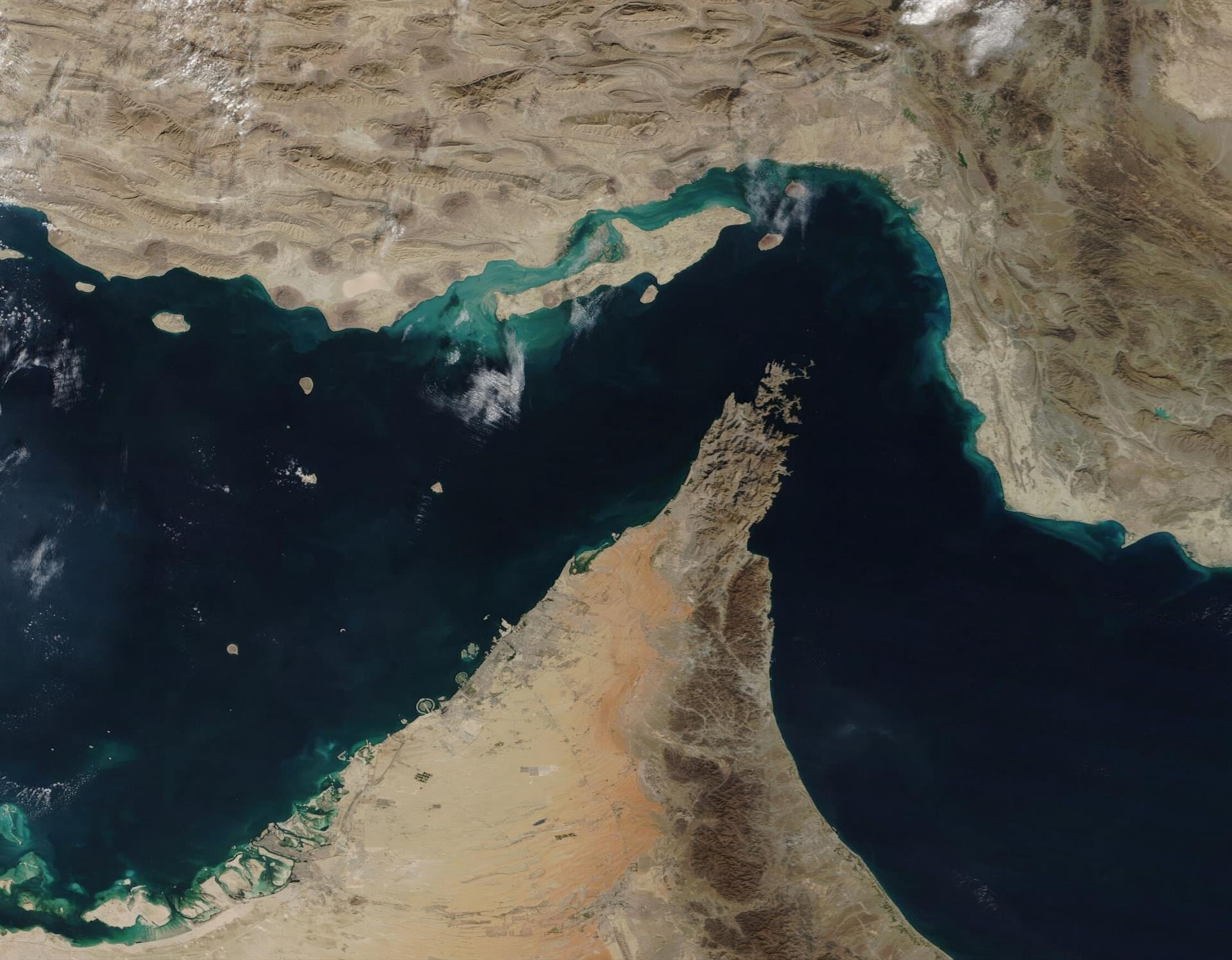
Brent crude closed Tuesday at $84.73 a barrel, up 1.72% from the previous session, driven by the U.S. reinstatement of a naval blockade on Iran and concerns about oil supplies through the Strait of Hormuz. West Texas Intermediate (WTI), the U.S. benchmark, rose 1.54% to $79.34.
The day was marked by pronounced volatility: Brent briefly topped $87 at the session high after gaining nearly 5% early in the day. For a second consecutive session, both benchmarks were on track for their highest closes since mid‐June — Brent since June 12 and WTI since June 15 — according to futures data from the Intercontinental Exchange (ICE) in London.
On Monday, U.S. President Donald Trump reinstated a blockade on Iranian navigation and announced plans to charge “a compensation equivalent to 20% of the value of cargoes” transiting the Strait of Hormuz, a move that pushed oil prices up almost 9.6% that session. On Tuesday, however, Trump reversed course in a post on his Truth Social network: “I have decided to replace the U.S. reimbursement fee of 20% with trade and investment agreements that the various Gulf states will make in the United States,” saying he had held “very productive talks with Middle Eastern leaders.”
John Kilduff, an analyst at Again Capital, told AFP that “this shift appeared to ease tensions in the oil market to some extent,” which helps explain the moderation from the early peak. Before the conflict began, about 20% of the world’s oil supply transited the Strait of Hormuz, so any disruption there is an immediate alarm for global energy markets.

Fiona Cincotta, a market analyst at Forex.com, said the naval blockade and the initial tariff proposal raised investor concern about possible supply interruptions. “So far there has not been a full closure of the strait, but supply prospects are increasingly uncertain,” she said, warning that any prolonged reduction in traffic through the waterway could trigger another price spike. Cincotta added that the market fears Iran may seek to delay peace talks with Washington until after the November 3 midterm elections, which would prolong geopolitical tensions.
Military escalation continued on Tuesday with U.S. strikes in southwestern Iran, in the oil‐producing area near Iraq and Kuwait, and in Bushehr — home to Iran’s only nuclear plant — Tehran reported. U.S. forces were carrying out a third consecutive night of bombardments following Iran’s announcement of the strait’s closure.
Iranian cruise missiles also struck two Emirati tankers, killing one Indian crew member and wounding eight, which halted a brief decline in oil futures and supported prices. Meanwhile, the Ukrainian military said it attacked two Russian refineries in the Bashkortostan and Krasnodar regions, actions that have led Moscow to cut diesel exports and pushed global diesel prices higher.
Concerns that rising energy costs could feed inflation, slow global economic growth and reduce oil demand acted as a counterweight to further price gains. Brent was in technically overbought territory for a second consecutive session, according to ICE futures data.
Despite the clashes, Trump still regarded a deal with Iran as “possible,” while consultations with mediators continued, Iranian diplomats said.