Author: Manuel

  • US Central Command details new blockade of Iranian ports

    US Central Command details new blockade of Iranian ports

    President Donald Trump’s decision to reinstate a maritime blockade against Iranian ports opens a new chapter in the confrontation between Washington and Tehran, placing the Strait of Hormuz again at the center of a crisis with implications that go beyond direct military clashes. The move aims to prevent maritime trade with the Islamic Republic, increase economic pressure on the Iranian regime, and, according to the White House, protect one of the world’s most important energy routes.

    The U.S. Central Command (CENTCOM) announced that its naval forces will resume the naval blockade of vessels entering or leaving Iranian ports, an operation that had been in effect from April 13 to June 18 before being suspended after the ceasefire agreement signed by both sides.

    Although described as a “naval blockade,” the measure does not involve physically closing the Strait of Hormuz or completely halting commercial navigation in the Persian Gulf. Its aim is more specific: to prevent commercial vessels from conducting trade with Iran through a system of surveillance, interception, and rerouting of ships managed by the U.S. Navy.

    In practice, any vessel with an Iranian port as origin or destination can be identified, intercepted, and ordered to change course. If the captain complies, the ship continues on its route; if not, the United States warns it may immobilize the vessel through military operations.

    El CENTCOM reanudó el control sobre los buques que entren o salgan de puertos iraníes mediante vigilancia, interceptación y desvío de embarcaciones. (EUROPA PRESS/ARCHIVO)

    At the same time, Washington says other commercial traffic will continue to receive protection to transit the region, and it has asked all mariners to stay in contact with U.S. naval forces when approaching the Gulf of Oman and the approaches to the Strait of Hormuz.

    The distinction between blocking Iranian ports and closing the Strait of Hormuz is key to understanding the measure’s scope. Hormuz remains an international maritime corridor open to vessels of different countries. However, almost all of Iran’s major ports in the Persian Gulf rely on that passage to connect with international trade, so controlling access to those terminals exerts significant pressure on Iran’s economy without completely preventing global navigation.

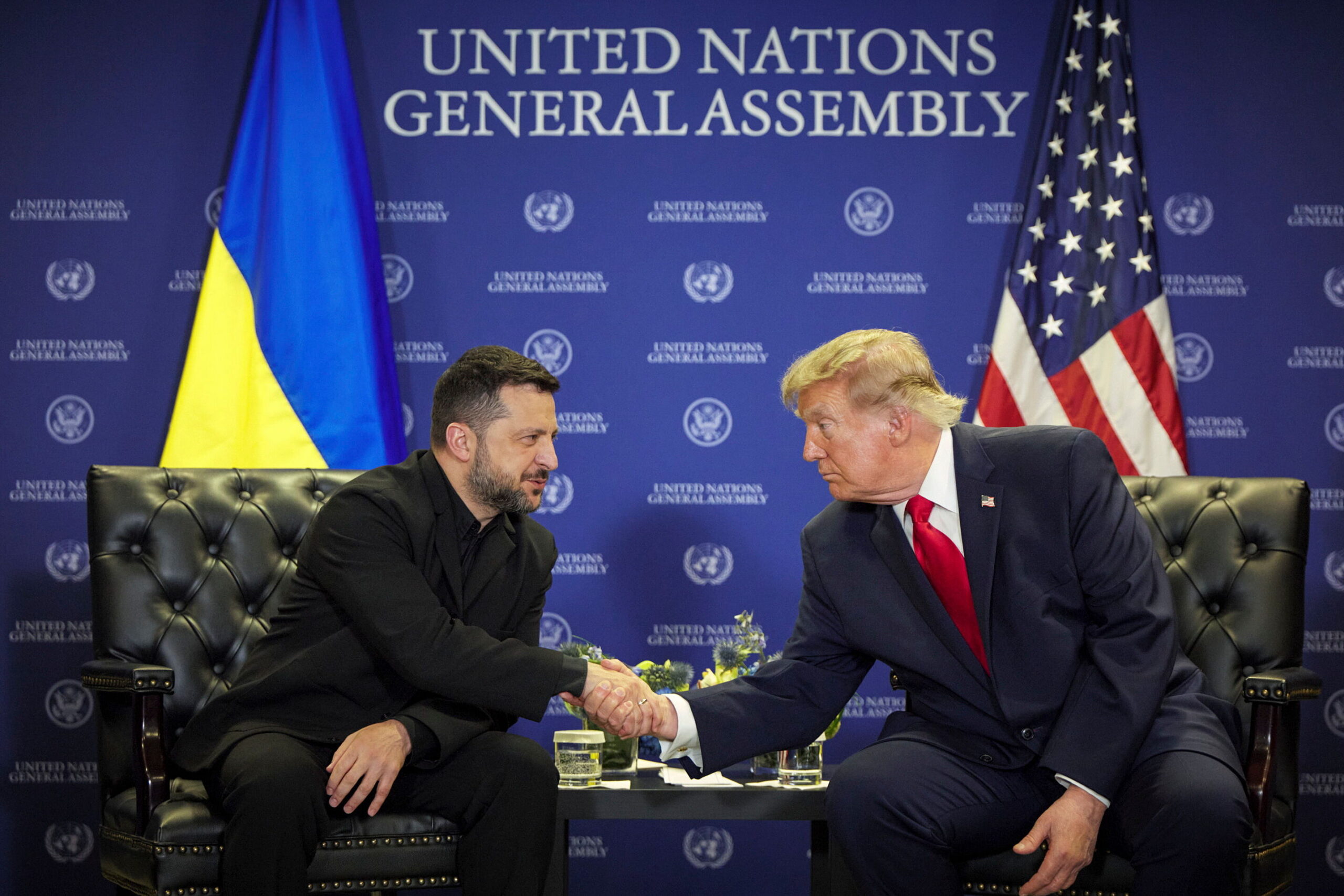
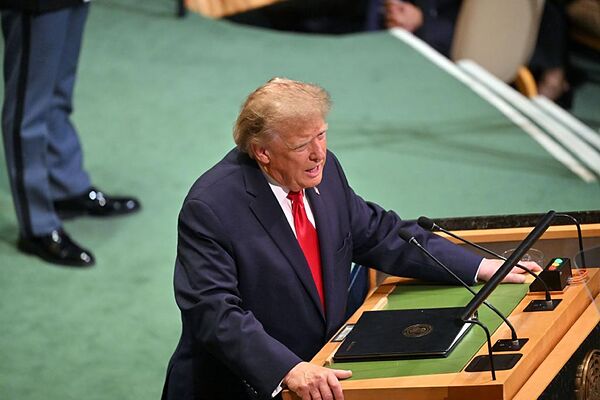
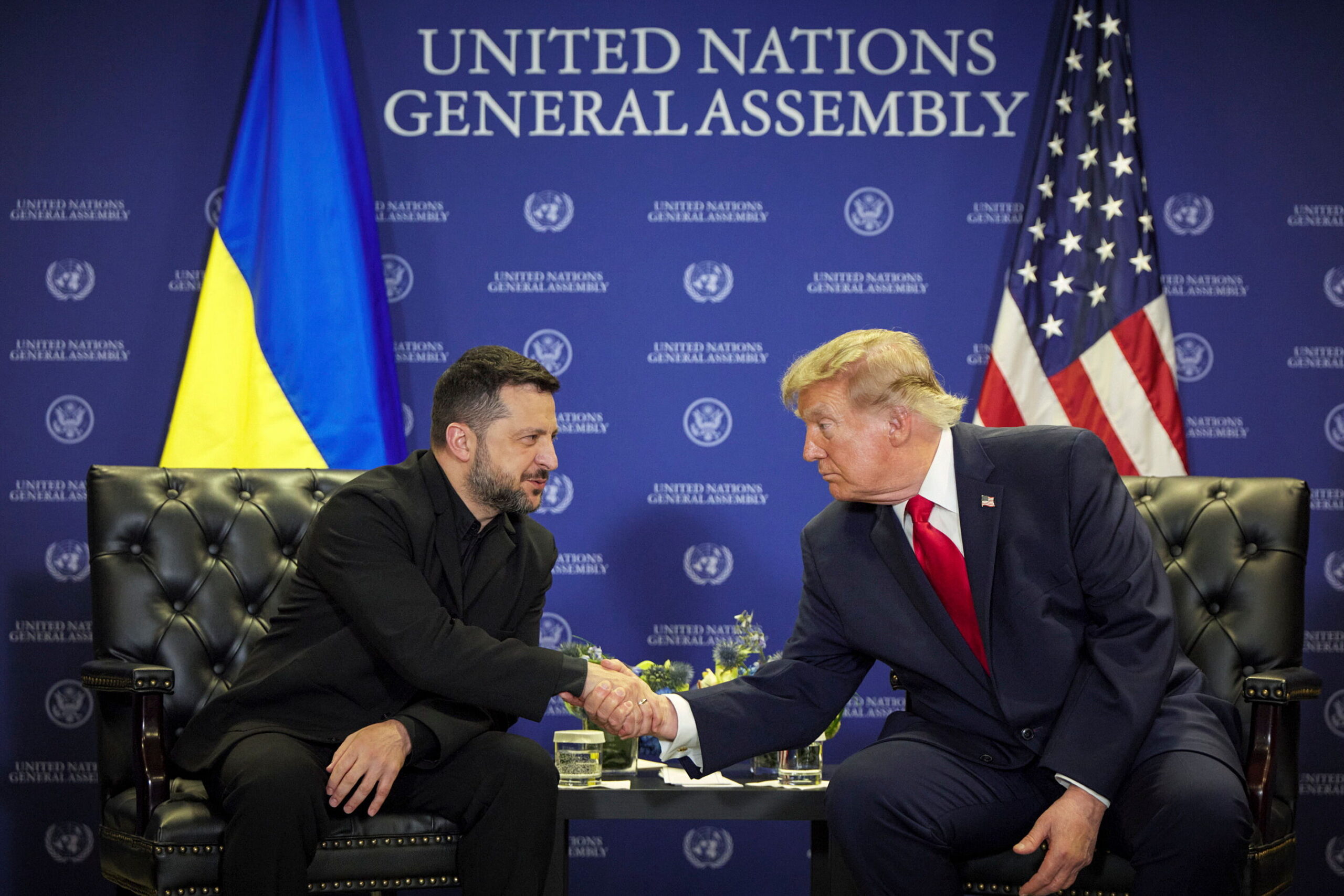
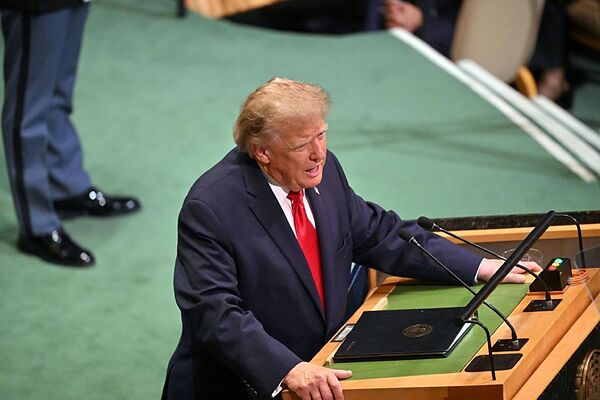
    The reinstatement of the maritime blockade follows Donald Trump’s declaration that the memorandum of understanding reached in June was void, arguing that Iran continued to attack merchant vessels near the Strait of Hormuz despite committing to reduce hostilities. The move coincides with an intensification of U.S. military operations.

    Donald Trump dio por roto el acuerdo de junio con Irán al acusarlo de continuar los ataques contra buques mercantes en las inmediaciones de Ormuz. (EFE/ARCHIVO)

    Over the weekend, U.S. forces reported striking roughly 140 Iranian military targets using combat aircraft, drones, and warships. CENTCOM also confirmed the first operational use of maritime drones to destroy a maintenance facility for submarines and vessels at Bandar Abbas, Iran’s main military port and a strategic enclave on the Strait of Hormuz.

    Tehran responded by raising the rhetorical and operational stakes. Army spokesman Brigadier General Mohamad Akraminia said the Armed Forces “will not yield an inch” over the Strait of Hormuz and asserted that the waterway “will never be reopened through war, aggression, or U.S. attacks.” The Islamic Revolutionary Guard Corps reiterated that the closure of the strait will remain in place while U.S. intervention continues and warned that any attempt to change that situation will receive a military response.

    El CENTCOM reanudó el control sobre los buques que entren o salgan de puertos iraníes mediante vigilancia, interceptación y desvío de embarcaciones. (REUTERS)

    At the same time, Iran has stepped up attacks on vessels navigating near the Strait of Hormuz and launched missiles and drones against U.S. bases and countries allied with Washington, including Bahrain, Qatar, Kuwait, the United Arab Emirates, Jordan, and Oman, expanding the conflict’s regional reach.

    The new U.S. offensive also revives a strategy used during the first phase of the maritime blockade. Between April and June, CENTCOM said it diverted more than 140 vessels that complied with orders, disabled nine ships that violated the blockade, and allowed the passage of over 50 commercial vessels carrying humanitarian aid.

    Beyond its military dimension, the reinstatement of the naval blockade has a significant economic component. Shipping companies that continue to operate with Iran will face a higher risk of interception, while marine insurance and shipping costs could rise if tensions continue to escalate.

    Irán intensificó sus ataques cerca del estrecho de Ormuz y lanzó misiles y drones contra bases de Estados Unidos y países aliados como Baréin, Qatar y Kuwait. (REUTERS/ARCHIVO)

    The strategic importance of the Strait of Hormuz explains market concerns. Before the war, about one fifth of the world’s traded oil passed through that corridor daily. Although the United States insists international navigation will remain open for ships that do not trade with Iran, any military incident in the area can disrupt energy supply chains and put upward pressure on global oil prices.

    There is an additional source of uncertainty: Donald Trump announced that the United States will begin charging a fee equivalent to 20% of the cargo’s value to ships that request U.S. protection to cross the Strait of Hormuz. If implemented, the initiative would not only increase maritime trade costs but also reinforce Washington’s role as security guarantor for one of the globe’s most strategic sea lanes — a role Iran rejects outright and one that risks prolonging the confrontation in the Persian Gulf.

  • US Central Command details new blockade of Iran’s ports

    US Central Command details new blockade of Iran’s ports

    President Donald Trump’s decision to restore a maritime blockade against Iranian ports opens a new phase in the confrontation between Washington and Tehran and places the Strait of Hormuz back at the center of a crisis with implications beyond a bilateral military clash. The measure aims to prevent maritime trade with the Islamic Republic, increase economic pressure on the Iranian regime and, according to the White House, ensure the security of one of the world’s most important energy routes.

    The United States Central Command (CENTCOM) announced that its naval forces will resume the naval blockade of vessels entering or leaving Iranian ports, an operation that was previously in effect from April 13 to June 18 before being suspended after the ceasefire agreement signed by both sides.

    Although presented as a “naval blockade,” the action does not mean the physical closure of the Strait of Hormuz nor a total halt to commercial navigation in the Persian Gulf. Its aim is more specific: to prevent commercial ships from trading with Iran through a system of surveillance, interception and diversion of vessels managed by the U.S. Navy.

    In practice, any ship whose origin or destination is an Iranian port can be identified, intercepted and forced to change course. If the captain complies with orders, the vessel continues sailing. If the orders are ignored, the United States warns it may immobilize the ship through military operations.

    El CENTCOM reanudó el control sobre los buques que entren o salgan de puertos iraníes mediante vigilancia, interceptación y desvío de embarcaciones. (EUROPA PRESS/ARCHIVO)

    Washington maintains that other commercial traffic will continue to receive protection while transiting the region, and it has asked all mariners to stay in contact with U.S. naval forces when approaching the Gulf of Oman and the approaches to the Strait of Hormuz.

    The distinction between blocking Iranian ports and closing the Strait of Hormuz is key to understanding the measure’s scope. Hormuz remains an international maritime corridor open to vessels from different countries. However, nearly all of Iran’s major Persian Gulf ports rely on that passage to connect with international trade, so controlling access to those terminals exerts significant pressure on Iran’s economy without fully disrupting global navigation.

    The reimposition of the maritime blockade follows President Trump’s statement that the memorandum of understanding reached in June had been broken, alleging that Iran continued to attack merchant ships near the Strait of Hormuz despite a commitment to reduce hostilities. The move also coincides with an intensification of U.S. military operations.

    Donald Trump dio por roto el acuerdo de junio con Irán al acusarlo de continuar los ataques contra buques mercantes en las inmediaciones de Ormuz. (EFE/ARCHIVO)

    Over the weekend, U.S. forces reported striking around 140 Iranian military targets using combat aircraft, drones and warships. CENTCOM also confirmed the first operational use of maritime drones to destroy a maintenance facility for submarines and boats in Bandar Abbas, Iran’s main naval port and one of the strategic sites along the Strait of Hormuz.

    Tehran responded by raising the level of its rhetoric. Army spokesperson Brigadier General Mohamad Akraminia said the Armed Forces “will not yield an inch” regarding the Strait of Hormuz and asserted that the waterway “will never be reopened through war, aggression or U.S. attacks.” The Islamic Revolutionary Guard Corps reiterated that the closure of the strait will remain in effect while U.S. intervention continues in the region and warned that any attempt to change that situation will receive a military response.

    El CENTCOM reanudó el control sobre los buques que entren o salgan de puertos iraníes mediante vigilancia, interceptación y desvío de embarcaciones. (REUTERS)

    At the same time, Iran has stepped up attacks on vessels navigating near the Strait of Hormuz and launched missiles and drones against U.S. bases and countries allied with Washington, including Bahrain, Qatar, Kuwait, the United Arab Emirates, Jordan and Oman, expanding the regional scope of the conflict.

    The new U.S. offensive also revives a strategy used during the first phase of the maritime blockade. Between April and June, CENTCOM said it had diverted more than 140 vessels that complied with naval orders, disabled nine ships that violated the blockade and authorized the passage of over 50 commercial vessels carrying humanitarian aid.

    Beyond its military dimension, the reinstated naval blockade carries a strong economic component. Shipping companies that continue operations with Iran will face a higher risk of interception, and maritime insurance and transport costs could rise if tensions continue to escalate.

    Irán intensificó sus ataques cerca del estrecho de Ormuz y lanzó misiles y drones contra bases de Estados Unidos y países aliados como Baréin, Qatar y Kuwait. (REUTERS/ARCHIVO)

    The strategic importance of the Strait of Hormuz explains market concerns. Before the outbreak of war, roughly one-fifth of the world’s traded oil passed through that maritime corridor each day. Although the United States insists that international navigation will remain open for vessels not trading with Iran, any military incident in the area could disrupt energy supply chains and create new upward pressure on international crude prices.

    Adding to the uncertainty, President Trump announced that the United States will begin charging a fee equal to 20% of the value of the cargo carried to vessels that request U.S. protection to cross the Strait of Hormuz. If implemented, the move would not only raise maritime trade costs but also reinforce the role Washington seeks to play as guarantor of security in one of the world’s most strategic sea lanes — a claim Iran flatly rejects and one that risks prolonging the confrontation in the Persian Gulf.

    (more…)

  • Live Middle East War: Tanker Attacks Shake Markets as Iran Vows to Hold Strait of Hormuz

    Live Middle East War: Tanker Attacks Shake Markets as Iran Vows to Hold Strait of Hormuz

    The United States Central Command (CENTCOM) carried out, in the early hours of Tuesday, a third consecutive wave of strikes against Iran ordered by President Donald Trump, after the president warned the country would be hit “very hard” and said, “There is nothing they can do about it. They have nothing.” Hours later, the U.S. military command reported that the offensive targeted Iranian military capabilities linked to the Strait of Hormuz.

    Soon after the bombings, the United Arab Emirates reported that Iranian cruise missiles struck two Emirati tankers transiting the southern lane of the Strait of Hormuz, in Omani territorial waters. The attack left one crew member dead and eight people injured.

    Following the nighttime strikes, Iran’s Islamic Revolutionary Guard Corps (IRGC) claimed, on Tuesday morning, further missile and drone attacks against the Jufair naval base in Bahrain, home to the U.S. Fifth Fleet, and said it also struck an airbase in Jordan used by U.S. forces.

    After the breakdown of the memorandum of understanding between the United States and Iran and the resumption of hostilities last week, Trump said the strait would remain open “with or without Iran” and announced that the United States would charge a 20% fee to ships transiting that route to cover security costs. In response, Iran’s senior military leadership said Washington has no authority over the strait’s future, while Foreign Minister Abbas Araqchi wrote on X: “Tehran will always be the guardian of the strait.”

    Below is minute-by-minute coverage:

    A Norwegian tanker exploded off the coast of Oman

    A Norwegian tanker was struck by an explosion caused by an unidentified device off the coast of Oman in the early hours of Tuesday, with no casualties reported, MTI Network, a crisis management firm, said citing the shipping company.

    At approximately 00:40 local time, the Stolt Magnesium, sailing in the Arabian Sea off Omani waters, “was struck by the explosion of an unidentified external device,” MTI Network said in a statement, quoting information provided by the shipowner Stolt Tankers.

    The explosion caused a fire in the vessel’s engine room but, according to the same source, the crew is “fortunately safe and accounted for.”

    The British agency UK Maritime Trade Operations indicated that a tanker reported being “hit by an unknown projectile in the engine room,” 40 nautical miles northeast of Qalhat, Oman.

    U.S. sailors conduct flight operations aboard the USS George H.W. Bush

    U.S. Central Command (CENTCOM) posted images on its X account showing American sailors conducting flight operations aboard the aircraft carrier USS George H.W. Bush.

    “U.S. sailors conduct flight operations aboard the USS George H.W. Bush,” CENTCOM wrote in a brief caption accompanying a video.

    The Gulf Cooperation Council secretary-general condemned Iran’s “terrorist” attacks

    The secretary-general of the Cooperation Council for the Arab States of the Gulf, Jasim Mohamed al Budaiui, condemned Iran’s “terrorist” attacks on Emirati tankers in the Strait of Hormuz, stressing that they represent a “blatant violation” and “serious breach” of the principles of international law and freedom of navigation.

    “He expressed his strongest condemnation and denunciation of the Iranian attack against the tankers ‘Mombasa’ and ‘Al Bahia,’ owned by the United Arab Emirates, which caused the death of a crew member and injuries to several others,” Al Budaiui said in a statement.

    He added that the “terrorist attack” against the Emirati vessels “constitutes a blatant violation and a serious breach of the principles of international law and the rules on freedom of maritime navigation,” and violates United Nations Security Council resolutions.

    “The GCC stands united with the United Arab Emirates and supports all measures it takes to protect its security, sovereignty, facilities and vital interests,” the regional bloc’s secretary-general said, calling on the international community to “assume its legal and moral responsibilities and adopt a firm and deterrent stance against these serious and repeated Iranian attacks.”

    Three Bahrainis sentenced to life imprisonment for spying for Iran

    Bahrain’s High Criminal Court on Tuesday sentenced three Bahraini nationals to life imprisonment after finding them guilty of spying for Iran’s Islamic Revolutionary Guard Corps and collaborating with that “terrorist group” to carry out “hostile actions” against the small Gulf kingdom.

    The Terrorism Prosecution said in a statement that the sentences relate to two separate cases, but that the rulings were issued in a session held today in Manama by the cited court, part of a series of recent trials of dozens of Bahrainis accused of spying for or sympathizing with Iran.

    The three convicted individuals, one tried in absentia, were charged “with espionage for the Islamic Revolutionary Guard Corps and its collaborators, with the aim of aiding its hostile and terrorist acts against the Kingdom of Bahrain and harming its interests. The court sentenced them to life imprisonment and ordered the confiscation of seized items,” the statement said.

    It detailed that among the accusations was “the provision to an electronic account managed by the terrorist group Islamic Revolutionary Guard Corps of videos of Iranian missile attacks against Bahrain,” as well as “locations and coordinates of vital sites inside the country so they could be attacked by the enemy.”

    Iran reported U.S. strikes in a border area near Iraq and Kuwait

    U.S. strikes hit an Iranian border area near Iraq and Kuwait on Tuesday, local authorities reported, amid intense fighting between the two countries.

    The cities of Abadan, home to the Middle East’s oldest oil refinery, and the port city of Mahshahr were targeted by the attacks, Valiollah Hayati, deputy governor of Khuzestan province, told the state news agency IRNA.

    Iranian authorities said the US struck the port city of Bushehr

    U.S. strikes hit the port city of Bushehr on Tuesday, where Iran’s only civilian nuclear power plant is located, local authorities reported amid the escalation between Tehran and Washington.

    “Four points in the city of Bushehr were hit by enemy projectiles at noon (08:30 GMT),” deputy provincial governor Ehsan Jahanian told the official news agency IRNA, attributing the attacks to the United States.

    FOTO DE ARCHIVO. Imagen de satélite muestra la central nuclear de Bushehr, en la provincia de Bushehr, Irán (2025 Planet Labs PBC/Cedida a REUTERS)

    /america/mundo/2026/07/14/estados-unidos-suspendio-la-retirada-de-aviones-cisterna-militares-del-aeropuerto-de-tel-aviv/

    The Iranian Army said it will not yield “an inch” on the Strait of Hormuz

    The Iranian Army said the Armed Forces will not yield “an inch” on the Strait of Hormuz after U.S. President Donald Trump announced the reestablishment of a naval cordon against Iran and said the United States would assume the role of “guardian” of the waterway.

    “The Armed Forces will not yield an inch on the Strait of Hormuz,” Army spokesman Brigadier General Mohamad Akraminia said, according to the Tasnim news agency.

    The military spokesman said “the Strait of Hormuz will never be reopened through war, aggression or U.S. attacks” and added that respect for the rights of the Iranian people is the only path to reopening one of the most important sea routes for global energy trade.

    The Islamic Revolutionary Guard Corps on Sunday declared a new closure of the Strait of Hormuz “until the end of U.S. interference in the region” and warned that any attempt to reopen the waterway would receive a military response.

    In recent days, Iran has attacked several vessels near that strategic passage. The most recent of those attacks occurred early this morning against two United Arab Emirates tankers and caused one death and eight injuries.

    El Ejército iraní aseguró que las Fuerzas Armadas no cederán “ni un ápice” sobre el estrecho de Ormuz (Europa Press/Contacto/Iranian Army Office)

    /america/mundo/2026/07/14/emiratos-arabes-unidos-condeno-los-actos-de-pirateria-del-regimen-irani-en-ormuz-tras-el-ataque-contra-petroleros/

    India summoned an Iranian diplomat after an attack in the Strait of Hormuz that left a sailor dead

    The Government of India summoned the deputy head of the Iranian Embassy in New Delhi, Mustafa Goharifar, after an attack on two tankers in the Strait of Hormuz left one Indian sailor dead and ten others injured, a diplomat from the Iranian mission told the EFE news agency.

    India’s Ministry of External Affairs later said in a statement that it lodged a “strong protest” with the Iranian diplomat over the attacks on the vessels MT Al Bahiyah and MT Mombasa, which were transiting the strategic waterway.

    “We strongly condemn these attacks and acts of violence directed against seafarers and which obstruct free and safe navigation through international waterways such as the Strait of Hormuz,” the Indian Foreign Ministry said.

    According to New Delhi, the two ships together carried 30 Indian seafarers out of a total crew of 46.

    Of the 12 Indian citizens aboard the MT Al Bahiyah, one died and another was injured. On the MT Mombasa there were 18 Indians, of whom nine were injured, two of them seriously, the Ministry of External Affairs said.

    /america/mundo/2026/07/14/un-buque-cisterna-fue-alcanzado-por-un-misil-frente-a-la-costa-de-oman/

    /america/mundo/2026/07/14/trump-aseguro-que-eeuu-controla-el-estrecho-de-ormuz-y-defendio-el-bloqueo-vamos-a-dejar-pasar-a-todos-excepto-si-haces-negocios-con-iran/

    Iran introduced a bill to manage the Strait of Hormuz and warns it will defend its “red lines”

    Un barco en el estrecho de Ormuz, visto desde Musandam (Omán), el 13 de julio de 2026. REUTERS/Stringer

    Iran introduced a bill in Parliament to manage the Strait of Hormuz and warned it will defend its “red lines,” Ebrahim Azizi, president of the Parliament’s National Security Commission, said.

    In a message posted on the social network X, Azizi said, “Last night, coinciding with the downing of U.S. drones, the bill ‘Strategic Action for the Security and Sustainable Progress of the Strait of Hormuz and the Persian Gulf’ was formally presented in the Iranian Parliament.”

    The lawmaker said, “We remain firm in defending our red lines, particularly regarding management of the Strait of Hormuz.” He also anticipated further measures, stating: “This is the first step; subsequent measures will follow.”

    /america/mundo/2026/07/14/el-precio-del-petroleo-continua-subiendo-por-la-guerra-en-medio-oriente-y-agrava-la-incertidumbre-sobre-la-economia-mundial/

    /america/mundo/2026/07/14/iran-reivindico-nuevos-ataques-contra-bases-estadounidenses-en-bahrein-y-jordania-tras-los-bombardeos-de-washington/

    U.S. diplomatic missions in the United Arab Emirates cancel appointments

    The U.S. Embassy in Abu Dhabi and the U.S. Consulate General in Dubai have canceled consular appointments through Wednesday due to the regional security situation, the embassy said in a security alert.

    The notice followed reports from the United Arab Emirates that two Emirati-flagged tankers were struck by Iranian missiles in the Strait of Hormuz, causing the death of a seafarer.

    Jordan shot down four missiles originating from Iran

    Jordan says it intercepted and shot down four missiles that entered Jordanian airspace from Iranian territory, the state news agency reported.

    Iran said it launched attacks against the U.S. Fifth Fleet in Bahrain

    The Islamic Revolutionary Guard Corps (IRGC) said it launched missile and drone attacks against the U.S. Fifth Fleet in Bahrain.

    It reported that the attacks caused a fire in the base’s fuel depots and struck and destroyed a Patriot radar, the fleet’s air control radar, a C-RAM early-warning radar system, and the control and monitoring center for uncrewed surface vessels (USVs).

    “The reprisal operation continues,” the statement added.

    /estados-unidos/2026/07/13/estados-unidos-lanzo-una-nueva-ronda-de-ataques-contra-iran-para-degradar-su-capacidad-militar-en-estrecho-de-ormuz/

    (more…)

  • Middle East war live: tanker attacks unsettle markets as Iran vows to hold Strait of Hormuz

    Middle East war live: tanker attacks unsettle markets as Iran vows to hold Strait of Hormuz

    El Comando Central de Estados Unidos (CENTCOM) llevó a cabo en la madrugada de este martes una tercera ola consecutiva de ataques contra objetivos en Irán, ordenada por el presidente Donald Trump, tras sus advertencias de que el país sería golpeado “muy fuerte”. El mando militar informó horas después que la ofensiva apuntó a capacidades militares iraníes vinculadas al estrecho de Ormuz.

    Poco después de los bombardeos, los Emiratos Árabes Unidos comunicaron que misiles de crucero atribuidos a Irán impactaron contra dos petroleros emiratíes que navegaban por el carril sur del estrecho de Ormuz, en aguas territoriales de Omán. El ataque provocó la muerte de un miembro de la tripulación y dejó a ocho personas heridas.

    Tras las operaciones nocturnas, la Guardia Revolucionaria de Irán (IRGC) declaró por la mañana nuevos bombardeos con misiles y drones contra la base naval de Jufair, en Baréin, donde se encuentra la Quinta Flota de Estados Unidos, y afirmó haber alcanzado además una base aérea en Jordania utilizada por fuerzas estadounidenses.

    Desde el fracaso del memorando de entendimiento entre Estados Unidos e Irán y la reanudación de las hostilidades la semana anterior, el presidente Trump aseguró que el estrecho permanecerá abierto “con o sin Irán” y anunció que Estados Unidos aplicará una tasa del 20% a los buques que transiten por esa vía para cubrir costos de seguridad. En respuesta, mandos militares iraníes han señalado que Washington no tiene autoridad sobre el futuro del estrecho, mientras que el ministro de Asuntos Exteriores, Abbas Araqchi, afirmó en X que Teherán será siempre el guardián del paso.

    A continuación, la cobertura minuto a minuto:

    Un petrolero noruego explotó frente a las costas de Omán

    Un petrolero noruego sufrió la madrugada de este martes una explosión provocada por un artefacto externo no identificado frente a las costas de Omán, sin que se registraran víctimas, informó la firma especializada en gestión de crisis MTI Network citando a la naviera.

    Alrededor de las 00:40, el Stolt Magnesium, que navegaba por el mar Arábigo frente a Omán, “fue alcanzado por la explosión de un artefacto externo no identificado”, señaló MTI Network en un comunicado con información de Stolt Tankers.

    La detonación provocó un incendio en la sala de máquinas del buque, pero la naviera informó que la tripulación se encuentra “por suerte sana y salva, y al completo”.

    La agencia británica UK Maritime Trade Operations indicó que un petrolero reportó haber sido “alcanzado por un proyectil desconocido en la sala de máquinas”, a unas 40 millas náuticas al noreste de Qalhat, Omán.

    Marineros estadounidenses realizan operaciones de vuelo a bordo del USS George H.W. Bush

    El Comando Central de Estados Unidos (CENTCOM) publicó en su cuenta de X imágenes y un video que muestran a marineros estadounidenses realizando operaciones de vuelo a bordo del portaaviones USS George H.W. Bush.

    “Marineros estadounidenses realizan operaciones de vuelo a bordo del USS George H.W. Bush”, indicó el CENTCOM junto al material audiovisual difundido.

    El jefe del Consejo de Cooperación del Golfo denunció los ataques “terroristas” de Irán

    El secretario general del Consejo de Cooperación para los Estados Árabes del Golfo, Jasim Mohamed al Budaiui, condenó los ataques atribuidos a Irán contra petroleros emiratíes en el estrecho de Ormuz y los calificó de “actos terroristas”, señalando que constituyen una flagrante violación del Derecho Internacional y de las normas sobre libertad de navegación.

    Al Budaiui expresó su enérgica condena por el ataque contra los petroleros Mombasa y Al Bahia, propiedad de Emiratos Árabes Unidos, que causó la muerte de un tripulante y heridas a varios otros.

    El secretario general subrayó que el incidente supone una grave infracción de las resoluciones del Consejo de Seguridad de la ONU y pidió a la comunidad internacional adoptar una postura firme y disuasoria ante estos ataques reiterados, al tiempo que reiteró el apoyo del CCG a las medidas que pueda tomar Emiratos para proteger su seguridad y soberanía.

    Condenaron a cadena perpetua a tres bareiníes por espiar para Irán

    El Tribunal Penal Supremo de Baréin condenó a cadena perpetua a tres ciudadanos bareiníes tras hallarlos culpables de espiar para la Guardia Revolucionaria de Irán y colaborar con ese grupo, según informó la Fiscalía de Delitos de Terrorismo.

    La Fiscalía indicó que las sentencias se dictaron en una sesión en Manama y que los casos forman parte de una serie de juicios recientes contra decenas de personas acusadas de espionaje o de simpatizar con Irán.

    Entre los cargos figura la transmisión de videos de ataques con misiles iraníes contra Baréin a una cuenta vinculada a la Guardia Revolucionaria, así como el suministro de ubicaciones y coordenadas de objetivos considerados vitales dentro del país. El tribunal ordenó la confiscación de los objetos incautados.

    Irán informó de ataques estadounidenses en una zona fronteriza cerca de Irak y Kuwait

    Autoridades locales iraníes reportaron que ataques estadounidenses impactaron este martes en una zona fronteriza próxima a Irak y Kuwait, en el marco de los intensos combates entre ambos países.

    Según Valiollah Hayati, vicegobernador de la provincia de Juzestán, citó la agencia IRNA, las ciudades de Abadán y Mahshahr fueron alcanzadas por los ataques.

    El régimen iraní afirmó que EEUU atacó la ciudad portuaria de Bushehr

    Autoridades iraníes informaron que ataques atribuidos a Estados Unidos impactaron en la ciudad portuaria de Bushehr, sede de la única central nuclear civil del país, en medio de la escalada entre Teherán y Washington.

    El vicegobernador provincial, Ehsan Jahanian, dijo a la agencia IRNA que “cuatro puntos de la ciudad de Bushehr fueron alcanzados por proyectiles enemigos” al mediodía local.

    FOTO DE ARCHIVO. Imagen de satélite muestra la central nuclear de Bushehr, en la provincia de Bushehr, Irán (2025 Planet Labs PBC/Cedida a REUTERS)

    Enlace relacionado: cobertura sobre la suspensión de la retirada de aviones cisterna militares del aeropuerto de Tel Aviv.

    El Ejército iraní afirmó que no cederá “ni un ápice” sobre el estrecho de Ormuz

    El Ejército iraní declaró que sus fuerzas no cederán “ni un ápice” en la defensa del estrecho de Ormuz, después de que el presidente estadounidense anunciara el restablecimiento de un cerco naval y se ofreciera a asumir el papel de guardián del paso marítimo.

    El portavoz del Ejército, el general de brigada Mohamad Akraminia, sostuvo que el estrecho “nunca será reabierto mediante la guerra, la agresión o los ataques de Estados Unidos” y que el respeto a los derechos del pueblo iraní es la vía legítima para garantizar la navegación en una de las rutas más relevantes para el comercio energético mundial.

    La Guardia Revolucionaria habría anunciado además el cierre del estrecho “hasta el fin de la interferencia de Estados Unidos en la región” y advirtió que cualquier intento de reabrir la vía recibirá una respuesta militar. En los últimos días, Irán atacó varios buques en las inmediaciones del paso; el más reciente afectó a dos petroleros emiratíes y causó un muerto y ocho heridos.

    El Ejército iraní aseguró que las Fuerzas Armadas no cederán “ni un ápice” sobre el estrecho de Ormuz (Europa Press/Contacto/Iranian Army Office)

    Enlace relacionado: declaración de Emiratos Árabes Unidos condenando actos de piratería atribuidos a Irán tras el ataque a petroleros.

    La India convocó a un diplomático iraní por un ataque en Ormuz con un marinero muerto

    El Gobierno de India convocó al subjefe de la Embajada de Irán en Nueva Delhi, Mustafa Goharifar, tras el ataque contra dos petroleros en el estrecho de Ormuz que dejó un marinero indio muerto y varios heridos, confirmó a EFE un representante de la misión iraní.

    El Ministerio de Exteriores indio presentó una “enérgica protesta” por los ataques contra los buques MT Al Bahiyah y MT Mombasa, y condenó los actos de violencia que ponen en riesgo la navegación segura por vías internacionales como el estrecho de Ormuz.

    Según Nueva Delhi, entre ambos buques viajaban 30 marineros indios de una tripulación total de 46. En el MT Al Bahiyah había 12 marineros indios, uno de los cuales murió y otro resultó herido; en el MT Mombasa viajaban 18 indios, de los cuales nueve sufrieron heridas, dos de ellas graves, según el Ministerio de Exteriores indio.

    Enlace relacionado: informe sobre un buque cisterna alcanzado por un misil frente a la costa de Omán.

    Enlace relacionado: nota sobre declaraciones del presidente Trump sobre el control del estrecho de Ormuz y las condiciones de paso para buques que comercien con Irán.

    Irán presentó un proyecto de ley para gestionar el estrecho de Ormuz y advierte que defenderá sus “líneas rojas”

    Un barco en el estrecho de Ormuz, visto desde Musandam (Omán), el 13 de julio de 2026. REUTERS/Stringer

    Irán presentó en el Parlamento un proyecto de ley destinado a regular la gestión del estrecho de Ormuz y advirtió que defenderá sus “líneas rojas”, informó Ebrahim Azizi, presidente de la Comisión de Seguridad Nacional del Legislativo.

    Azizi detalló en un mensaje en X que el proyecto titulado “Acción Estratégica para la Seguridad y el Progreso Sostenible del Estrecho de Ormuz y el Golfo Pérsico” fue registrado formalmente en el Parlamento, y adelantó que se mantendrán firmes en la defensa de esas líneas rojas y que se prevén nuevas iniciativas en los próximos pasos legislativos.

    Enlace relacionado: seguimiento del impacto de la guerra en el precio del petróleo y la incertidumbre económica global.

    Enlace relacionado: cobertura de reivindicaciones iraníes por nuevos ataques contra bases estadounidenses en Baréin y Jordania tras los bombardeos de Washington.

    Las misiones diplomáticas estadounidenses en los Emiratos Árabes Unidos cancelan citas

    La embajada de Estados Unidos en Abu Dhabi y el consulado general en Dubái cancelaron las citas consulares hasta el miércoles por motivos de seguridad regional, informó la embajada en una alerta.

    La medida se anunció después de que los Emiratos comunicaran que dos petroleros con pabellón emiratí fueron alcanzados por misiles en el estrecho de Ormuz, incidente que causó la muerte de un marinero.

    Jordania derribó cuatro misiles procedentes de Irán

    Las autoridades jordanas informaron haber interceptado y derribado cuatro misiles que entraron en su espacio aéreo procedentes de territorio iraní, según la agencia estatal de noticias de Jordania.

    Irán afirmó haber lanzado ataques contra la Quinta Flota de EEUU en Baréin

    El Cuerpo de la Guardia Revolucionaria Islámica (IRGC) anunció haber efectuado ataques con misiles y drones contra instalaciones vinculadas a la Quinta Flota de Estados Unidos en Baréin.

    El IRGC informó que los ataques provocaron un incendio en depósitos de combustible de la base y alcanzaron equipos como un radar Patriot, el radar de control aéreo de la flota, un sistema de alerta temprana C-RAM y el centro de control de embarcaciones de superficie no tripuladas. En su comunicado, la organización señaló que la operación de represalia continúa.

    Enlace relacionado: informe sobre la nueva ronda de ataques lanzada por Estados Unidos con el objetivo de degradar capacidades militares iraníes en el estrecho de Ormuz.

    (more…)

  • Paraguay posts $746 million trade surplus in first half

    Paraguay posts $746 million trade surplus in first half

    El presidente de Paraguay, Santiago Peña. EFE/ Juan Pablo Pino

    Paraguay’s trade balance registered a surplus of $746.6 million in the first half of this year, with exports totaling $10,162 million and imports $9,416 million, the central bank reported on Monday.

    This result contrasts with the $697.9 million deficit recorded in the same period of 2025.

    According to the June Foreign Trade Report, exports rose 23.6% compared with $8,219 million recorded in the same period of the previous year.

    “The increase in recorded exports was mainly explained by higher shipments of soybeans, soybean oil, and beverages, alcoholic liquids and vinegar,” the Central Bank of Paraguay (BCP) said.

    Soybeans are the country’s main export, totaling $2,273 million between January and June, a 50.9% increase compared with the $1,506 million shipped in the same period of 2025.

    Beef and offal exports ranked second at $935.4 million, although they fell 12.7% between January and June compared with shipments in the previous year.

    Argentina remained the main destination for Paraguayan exports in the first half of 2026, accounting for 42.3% of the total, with shipments worth $2,770.8 million.

    Sales to the neighboring country grew 52.5% compared with the same period in 2025.

    Brazil was in second place and Chile third.

    El sistema TIR permite trasladar cargas en camiones o contenedores sellados desde el punto de origen hasta el destino final sin necesidad de abrirlos para inspección en cada frontera intermedia (Imagen: Shutterstock)

    Imports rose 9.6% in the first half of this year compared with the same period last year, when they totaled $8,592 million.

    China — a country with which Paraguay does not maintain diplomatic relations — remains the main supplier to local importers, with $3,317 million in imports and a 36% share.

    The main products from the Asian giant are mobile phones, portable data-processing machines, and tires.

    Brazil and the United States were the second and third sources of imports, with $1,979 million and $585.7 million, respectively.

    Meanwhile, the Chinese government on Tuesday rejected accusations from the United States and Paraguay that actors linked to Beijing had infiltrated the South American country’s cyber systems, and accused Washington of using cybersecurity as a political pretext to discredit China.

    At a routine press briefing, Chinese Foreign Ministry spokesman Lin Jian accused the United States of drawing countries in the region by using cybersecurity as an excuse to single out and discredit China.

    He urged the countries involved not to become “instruments of U.S. geopolitics” or “accomplices of the U.S. government in spreading false information about alleged Chinese cyberattacks.”

    The spokesman added that China opposes hacking activities as well as the spread of disinformation for political purposes.

    Last Friday, the governments of the United States and Paraguay reported that during a “joint cybersecurity review” they detected the infiltration of “multiple threat actors,” linked to China, in the South American country’s state cyber systems.

    (With information from EFE)

    (more…)

  • US suspends withdrawal of military tanker aircraft from Tel Aviv airport

    US suspends withdrawal of military tanker aircraft from Tel Aviv airport

    Aviones cisterna de la Fuerza Aérea de los Estados Unidos están alineados en el Aeropuerto Internacional Ben Gurion en Lod, cerca de Tel Aviv, Israel, el 19 de mayo de 2026 (REUTERS/ Dedi Hayun)

    Amid the latest escalation between Iran and the United States, the U.S. has decided to suspend the withdrawal of its military tanker aircraft from Tel Aviv’s airport. The move prompted a protest from the Israeli Airport Authority over the potential cancellation of commercial flights due to the occupation of space at the country’s main airport.

    A month ago, Ben Gurion Airport, located on the outskirts of Tel Aviv, had already warned that commercial flights could be canceled if 15 U.S. aircraft stationed there since the start of the war with Iran, which began on February 28, were not removed.

    After the announcement of an agreement between Iran and the United States to end the conflict, several of the 72 aircraft remaining at Ben Gurion were moved to military bases inside Israel.

    Currently, according to Israeli Channel 12 and confirmed by the Ministry of Transport, the United States has frozen the withdrawal of the remaining aircraft —without specifying how many—, once again prompting complaints from the Israeli Airport Authority.

    Un buque en el estrecho de Ormuz, visto desde Musandam, Omán. 13 de julio de 2026. REUTERS/Stringer

    In a letter published by an Israeli outlet, a senior official of the authority warned that the suspension has “immediate and serious” operational significance.

    There is concern about the potential impact on up to 50,000 commercial flight tickets, which is why the Airport Authority requested that the Israeli Ministry of Defense seek a solution that does not harm citizens.

    The U.S. decision to keep the aircraft in place comes as tensions with Iran intensify, after U.S. President Donald Trump announced the cancellation of the preliminary agreement reached to end the war.

    This new escalation is reflected in daily U.S. strikes on Iranian territory and the Islamic Republic’s retaliatory bombardments in Gulf countries and Jordan.

    El presidente de Estados Unidos, Donald Trump (REUTERS/Kylie Cooper)

    Donald Trump’s remarks

    U.S. President Donald Trump said U.S. forces control the Strait of Hormuz, defended the military offensive against Iran, and confirmed he will maintain a maritime blockade against the Islamic Republic. He also claimed the military campaign destroyed much of Iran’s military capabilities and reiterated that his administration will prevent Tehran from developing a nuclear weapon.

    In an interview with Newsmax on Monday night, Trump justified the U.S. strikes, saying: “We are attacking Iran right now, and they deserve it because they will not have a nuclear weapon, that we can assure with total certainty.” He insisted that preventing Iran from acquiring such a weapon is one of his administration’s primary objectives.

    Asked about the situation in the Strait of Hormuz, one of the main routes for global oil and gas transport, the president said U.S. forces maintain control of the area. “We control it. They can cause problems. They can do things that are not right. But we control it,” he said.

    Trump also credited the military campaign with significant damage to Iran’s defensive infrastructure. “We have destroyed most of their radar, much of their ammunition, many of their weapon launchers. We have destroyed drones. We have destroyed missiles,” he said, describing the scope of the operations.

    In that context, the president confirmed his administration will reimpose a maritime blockade on Iran. “The blockade was a tremendous success. It was there for two months and no one could pass. We are putting that in place. We will allow everyone through, except if you do business with Iran,” he said during the interview.

    (more…)

  • US suspends removal of military tanker planes from Tel Aviv

    US suspends removal of military tanker planes from Tel Aviv

    Aviones cisterna de la Fuerza Aérea de los Estados Unidos están alineados en el Aeropuerto Internacional Ben Gurion en Lod, cerca de Tel Aviv, Israel, el 19 de mayo de 2026 (REUTERS/ Dedi Hayun)

    Amid the latest escalation between Iran and the United States, Washington has suspended the withdrawal of its military tanker aircraft from Tel Aviv’s airport. The move drew a protest from the Israel Airport Authority, which warned that the parked planes could occupy critical space at the country’s main airport and lead to cancellations of commercial flights.

    A month earlier, Ben Gurion Airport, located on the outskirts of Tel Aviv, had warned that up to 15 U.S. aircraft—stationed there since the start of the war with Iran on February 28—needed to be removed or commercial flights might be canceled.

    After an announcement of an agreement between Iran and the United States to end the conflict, several of the 72 aircraft that remained at Ben Gurion were relocated to military bases within Israel.

    Currently, according to Israel’s Channel 12 and confirmed by the Transportation Ministry, the United States has frozen the withdrawal of the remaining aircraft—without specifying how many—prompting renewed complaints from the Israel Airport Authority.

    Un buque en el estrecho de Ormuz, visto desde Musandam, Omán. 13 de julio de 2026. REUTERS/Stringer

    In a letter published by an Israeli outlet, a senior official from the Airport Authority warned that the suspension has an “immediate and serious” operational impact.

    There is concern about the potential effect on up to 50,000 commercial flight bookings, which prompted the Airport Authority to ask the Israeli Defense Ministry to find a solution that does not harm travelers.

    The U.S. decision to keep the aircraft in place comes as tensions with Iran escalate, after U.S. President Donald Trump said he had canceled the preliminary agreement intended to end the conflict.

    This renewed escalation is reflected in daily U.S. attacks on Iranian territory and Iran’s retaliatory strikes in Gulf countries and Jordan.

    El presidente de Estados Unidos, Donald Trump (REUTERS/Kylie Cooper)

    Donald Trump’s remarks

    President Donald Trump said U.S. forces control the Strait of Hormuz, defended the military offensive against Iran, and confirmed he would maintain a maritime blockade against the Islamic Republic. He also asserted that the campaign has destroyed much of Iran’s military capabilities and reiterated that his administration will prevent Tehran from developing a nuclear weapon.

    In an interview with Newsmax on Monday night, Trump justified the U.S. strikes, saying: “We are attacking Iran right now, and they deserve it because they are not going to have a nuclear weapon, that we can guarantee with absolute certainty.” He stressed that preventing Iran from obtaining such a weapon is one of his administration’s main objectives.

    Asked about the situation in the Strait of Hormuz, a key global route for oil and gas shipments, the president said U.S. forces control the area. “We control it. They can cause problems. They can do things that are not right. But we control it,” he said.

    Trump also attributed significant damage to Iran’s defensive infrastructure to the military campaign. “We have destroyed most of their radar, much of their ammunition, many of their weapon launchers. We have destroyed drones. We have destroyed missiles,” he said describing the scope of the operations.

    In that context, the president confirmed his administration will reimpose a maritime blockade on Iran. “The blockade was a tremendous success. It was in place for two months and no one could pass. We are putting that in place. We will allow everyone through, except if you do business with Iran,” he said during the interview.

    (more…)

  • US halts removal of military tankers from Tel Aviv airport

    US halts removal of military tankers from Tel Aviv airport

    Aviones cisterna de la Fuerza Aérea de los Estados Unidos están alineados en el Aeropuerto Internacional Ben Gurion en Lod, cerca de Tel Aviv, Israel, el 19 de mayo de 2026 (REUTERS/ Dedi Hayun)

    Amid the latest escalation between Iran and the United States, the U.S. has decided to suspend the withdrawal of its military tanker aircraft from Tel Aviv’s airport. The move prompted a protest from the Israeli Airports Authority because the parked planes could occupy space at the country’s main airport and lead to cancellations of commercial flights.

    A month ago, Ben Gurion Airport, located on the outskirts of Tel Aviv, had already warned that commercial flights could be canceled if 15 U.S. aircraft stationed there since the start of the war with Iran, which began on February 28, were not removed.

    After the announcement of an agreement between Iran and the United States to end the conflict, several of the 72 aircraft that remained at Ben Gurion were moved to military bases within Israel.

    Currently, according to Israeli Channel 12 and confirmed by the Ministry of Transport, the United States has frozen the withdrawal of the remaining aircraft—without specifying how many—which has once again prompted complaints from the Airports Authority.

    Un buque en el estrecho de Ormuz, visto desde Musandam, Omán. 13 de julio de 2026. REUTERS/Stringer

    In a letter released by an Israeli outlet, a senior official from the authority warned that the suspension has immediate and serious operational implications.

    There is concern about the potential impact on up to 50,000 commercial flight tickets, which is why the Airports Authority asked the Israeli Ministry of Defense to seek a solution that does not harm citizens.

    The U.S. decision to keep the aircraft in place comes as tensions with Iran intensify, after U.S. President Donald Trump said the preliminary agreement reached to end the war had been canceled.

    This new escalation is reflected in daily U.S. attacks on Iranian territory and the Islamic Republic’s responses with strikes in Persian Gulf countries and in Jordan.

    El presidente de Estados Unidos, Donald Trump (REUTERS/Kylie Cooper)

    Donald Trump’s remarks

    Meanwhile, U.S. President Donald Trump said U.S. forces control the Strait of Hormuz, defended the military offensive against Iran, and confirmed he would maintain the maritime blockade against the Islamic Republic. He also asserted that the campaign destroyed much of Iran’s military capabilities and reiterated that his administration will prevent Tehran from developing a nuclear weapon.

    During an interview with Newsmax on Monday night, Trump justified the U.S. strikes, saying: “We are attacking Iran right now, and they deserve it because they will not have a nuclear weapon, that we can assure you with complete certainty.” He insisted that preventing Iran from obtaining such weapons is one of his administration’s main objectives.

    Asked about the situation in the Strait of Hormuz, a major route for global oil and gas transport, the president said U.S. forces maintain control of the area. “We control it. They can cause problems. They can do things that are not good. But we control it,” he said.

    Trump also credited the military campaign with significant damage to Iran’s defensive infrastructure. “We have destroyed most of their radar, much of their ammunition, many of their weapon launchers. We have destroyed drones. We have destroyed missiles,” he said, describing the scope of operations.

    In that context, the president confirmed that his administration will reimpose a maritime blockade on Iran. “The blockade was a tremendous success. It was there for two months and no one could pass. We’re putting that in place. We’ll let everyone pass, except if you do business with Iran,” he said during the interview.

    (more…)

  • Live Middle East war: tanker attacks unsettle markets as Iran vows Hormuz control

    Live Middle East war: tanker attacks unsettle markets as Iran vows Hormuz control

    The United States Central Command (CENTCOM) carried out a third consecutive wave of strikes against Iran in the early hours of Tuesday on orders from President Donald Trump, after he warned the country would be hit “very hard” and said, “There is nothing they can do about it. They have nothing.” Hours later, the U.S. military said the offensive targeted Iranian military capabilities linked to the Strait of Hormuz.

    Shortly after the bombardments, the United Arab Emirates reported that Iranian cruise missiles struck two Emirati tankers sailing in the southern lane of the Strait of Hormuz, in Omani territorial waters. The attack left one crew member dead and eight people injured.

    After the nighttime strikes, Iran’s Islamic Revolutionary Guard Corps (IRGC) claimed new missile and drone attacks on the Juffair naval base in Bahrain, home to the U.S. Fifth Fleet, and said it also struck an air base in Jordan used by U.S. forces.

    Following the collapse of the memorandum of understanding between the United States and Iran and the resumption of hostilities last week, Trump said the strait would remain open “with or without Iran” and announced that the United States would charge a 20% fee to ships transiting the waterway to cover security costs. In response, Iran’s military high command said Washington has no authority over the future of the strait, while Foreign Minister Abbas Araqchi wrote on X: “Tehran will always be the guardian of the strait.”

    Below is minute-by-minute coverage:

    The head of the Gulf Cooperation Council condemned Iran’s “terrorist” attacks

    Jasim Mohamed al Budaiui, secretary general of the Cooperation Council for the Arab States of the Gulf (GCC), denounced Iran’s attacks on Emirati tankers in the Strait of Hormuz as “terrorist” acts, emphasizing that they constitute a “flagrant violation” and “serious breach” of international law and the rules governing freedom of navigation.

    “He expressed his strongest condemnation and denunciation of the Iranian attack on the tankers ‘Mombasa’ and ‘Al Bahia,’ owned by the United Arab Emirates, which resulted in the death of a crew member and injuries to several others,” Al Budaiui said in a statement.

    He stressed that the “terrorist attack” on the Emirati vessels “constitutes a flagrant violation and a serious infringement of the principles of international law and the norms on freedom of maritime navigation,” and that it contravenes United Nations Security Council resolutions.

    “The GCC stands united with the United Arab Emirates and supports all measures it takes to protect its security, sovereignty, facilities and vital interests,” the regional bloc’s secretary general said, urging the international community to “assume its legal and moral responsibilities and take a firm and deterrent stance against these serious and repeated Iranian attacks.”

    Three Bahrainis sentenced to life in prison for spying for Iran

    Bahrain’s High Criminal Court on Tuesday sentenced three Bahraini nationals to life imprisonment after finding them guilty of spying for Iran’s Islamic Revolutionary Guard Corps and collaborating with that “terrorist group” to carry out “hostile actions” against the small Gulf kingdom.

    The Terrorism Crimes Prosecutor’s Office said in a statement that the convictions stem from two separate cases, but the sentences were handed down in a session at the court in Manama today, part of a series of trials in recent weeks against dozens of Bahrainis accused of spying for or sympathizing with Iran.

    According to the statement, the three defendants, one tried in absentia, were charged “with espionage for the Islamic Revolutionary Guard Corps and its collaborators, with the aim of assisting them in hostile and terrorist acts against the Kingdom of Bahrain and harming its interests.” The court sentenced them to life imprisonment and ordered the confiscation of the seized items.

    The prosecution said the accusations include “providing to an electronic account managed by the terrorist group Islamic Revolutionary Guard Corps videos of Iranian missile attacks against Bahrain,” as well as “locations and coordinates of vital sites within the country to be targeted by the enemy.”

    Iran reported U.S. strikes in a border area near Iraq and Kuwait

    U.S. strikes struck Tuesday in an Iranian border area near Iraq and Kuwait, local authorities reported, amid intense exchanges between the two countries.

    The city of Abadan, home to the oldest oil refinery in the Middle East, and the port city of Mahshahr were targeted, Valiollah Hayati, deputy governor of Khuzestan province, told the state news agency IRNA.

    Iran said the U.S. struck the port city of Bushehr

    Iranian authorities reported that U.S. strikes hit the port city of Bushehr on Tuesday, where the country’s only civilian nuclear power plant is located, as tensions between Tehran and Washington escalated.

    “Four points in the city of Bushehr were struck by enemy projectiles at midday (08:30 GMT),” deputy provincial governor Ehsan Jahanian told the official IRNA news agency, attributing the attacks to the United States.

    FOTO DE ARCHIVO. Imagen de satélite muestra la central nuclear de Bushehr, en la provincia de Bushehr, Irán (2025 Planet Labs PBC/Cedida a REUTERS)

    The U.S. halted the removal of military tanker aircraft from Tel Aviv airport

    Amid the latest escalation with Iran, the United States has suspended the removal of its military tanker aircraft from Tel Aviv’s airport, prompting a complaint from the Israel Airports Authority over potential cancellation of commercial flights if the planes continue to occupy space at the country’s main airport.

    A month ago, Ben Gurion Airport, on the outskirts of Tel Aviv, warned it would be forced to cancel commercial flights if 15 U.S. aircraft were not removed; those planes have been parked there since the war with Iran began on February 28.

    After the announcement of an agreement between Iran and the United States to end the conflict, several of the 72 aircraft at Ben Gurion were moved to military bases within Israel.

    Now, according to Israeli Channel 12 and confirmed to EFE by the Transport Ministry, the United States froze the removal of the remaining planes (not specified), drawing a complaint from the Airports Authority.

    In a letter published by the Israeli outlet, a senior official warned on Tuesday that the suspension has an “immediate and serious” operational impact.

    There is concern that 50,000 commercial flight tickets could be affected, so the Airports Authority urged the Israeli Defense Ministry to find a solution that does not harm the public.

    The Iranian Army said it will not yield “an inch” on the Strait of Hormuz

    The Iranian Army said the Armed Forces will not yield “an inch” on the Strait of Hormuz, after U.S. President Donald Trump announced the reestablishment of a naval blockade against Iran and said the United States would take on the role of “guardian” of the waterway.

    “The Armed Forces will not give up an inch over the Strait of Hormuz,” Army spokesman Brigadier General Mohamad Akraminia told the Tasnim news agency.

    The military spokesman said “the Strait of Hormuz will never be reopened by war, aggression or U.S. attacks” and added that respect for the rights of the Iranian people is the only way to reopen one of the world’s most important energy trade routes.

    The Islamic Revolutionary Guard Corps declared last Sunday a new closure of the Strait of Hormuz “until the end of U.S. interference in the region” and warned that any attempt to reopen the waterway would receive a military response.

    In recent days, Iran has attacked several ships near that strategic passage. The latest such strike occurred in the early hours of this morning against two tankers from the United Arab Emirates, killing one person and injuring eight.

    El Ejército iraní aseguró que las Fuerzas Armadas no cederán “ni un ápice” sobre el estrecho de Ormuz (Europa Press/Contacto/Iranian Army Office)

    /america/mundo/2026/07/14/emiratos-arabes-unidos-condeno-los-actos-de-pirateria-del-regimen-irani-en-ormuz-tras-el-ataque-contra-petroleros/

    India summoned an Iranian diplomat after an attack in the Strait of Hormuz left a sailor dead

    The Government of India summoned the deputy head of Iran’s embassy in New Delhi, Mustafa Goharifar, after an attack on two tankers in the Strait of Hormuz left one Indian sailor dead and ten others injured, a diplomat at the Iranian mission confirmed to EFE.

    India’s Ministry of External Affairs later said in a statement that it lodged a “strong protest” with the Iranian diplomat over the attacks on the vessels MT Al Bahiyah and MT Mombasa, which were transiting the strategic waterway.

    “We strongly condemn these attacks and acts of violence directed at seafarers and that impede free and safe navigation through international waterways such as the Strait of Hormuz,” the Indian Foreign Ministry said.

    According to New Delhi, the two ships together carried 30 Indian seafarers, out of a total crew of 46.

    Of the 12 Indian nationals aboard the MT Al Bahiyah, one died and another was injured. The MT Mombasa carried 18 Indians, of whom nine were injured, two seriously, the Foreign Ministry said.

    /america/mundo/2026/07/14/un-buque-cisterna-fue-alcanzado-por-un-misil-frente-a-la-costa-de-oman/

    /america/mundo/2026/07/14/trump-aseguro-que-eeuu-controla-el-estrecho-de-ormuz-y-defendio-el-bloqueo-vamos-a-dejar-pasar-a-todos-excepto-si-haces-negocios-con-iran/

    Iran presented a bill to manage the Strait of Hormuz and warned it will defend its “red lines”

    Un barco en el estrecho de Ormuz, visto desde Musandam (Omán), el 13 de julio de 2026. REUTERS/Stringer

    Iran introduced a bill in Parliament to manage the Strait of Hormuz and warned it will defend its “red lines,” Ebrahim Azizi, chairman of the legislature’s National Security Committee, said.

    In a message posted on the social network X, Azizi reported that “last night, coinciding with the shoot-down of U.S. drones, the bill ‘Strategic Action for the Security and Sustainable Progress of the Strait of Hormuz and the Persian Gulf’ was formally presented in Iran’s Parliament.”

    The lawmaker said, “We remain firm in defending our red lines, particularly regarding management of the Strait of Hormuz.” He also signaled further steps, adding: “This is the first step; subsequent measures will follow.”

    /america/mundo/2026/07/14/el-precio-del-petroleo-continua-subiendo-por-la-guerra-en-medio-oriente-y-agrava-la-incertidumbre-sobre-la-economia-mundial/

    /america/mundo/2026/07/14/iran-reivindico-nuevos-ataques-contra-bases-estadounidenses-en-bahrein-y-jordania-tras-los-bombardeos-de-washington/

    U.S. diplomatic missions in the United Arab Emirates cancel appointments

    The U.S. Embassy in Abu Dhabi and the U.S. Consulate General in Dubai have canceled consular appointments through Wednesday due to the regional security situation, the embassy said in a security alert.

    The announcement followed UAE reports that two Emirati-flagged tankers were hit by Iranian missiles in the Strait of Hormuz, resulting in the death of a sailor.

    Jordan shot down four missiles launched from Iran

    Jordan says it intercepted and shot down four missiles that entered Jordanian airspace from Iranian territory, the state news agency reported.

    Iran said it launched attacks against the U.S. Fifth Fleet in Bahrain

    The Islamic Revolutionary Guard Corps (IRGC) said it launched missile and drone attacks against the U.S. Fifth Fleet in Bahrain.

    It reported that the attacks caused a fire in the base’s fuel depots and struck and destroyed a Patriot radar, the fleet’s air control radar, a C-RAM early-warning radar system and the control and monitoring center for unmanned surface vessels (USVs).

    “The retaliatory operation continues,” the statement added.

    /estados-unidos/2026/07/13/estados-unidos-lanzo-una-nueva-ronda-de-ataques-contra-iran-para-degradar-su-capacidad-militar-en-estrecho-de-ormuz/

    (more…)

  • AI fails to halt China’s economic and demographic decline

    AI fails to halt China’s economic and demographic decline

    China muestra un marcado declive demográfico que comienza a traducirse en números económicos alarmantes (Imagen Ilustrativa Infobae)

    Desde hace años, las señales de debilitamiento de la economía china se vienen acumulando, aun cuando sus cifras totales siguen siendo grandes y los datos oficiales generan dudas. Factores como el elevado endeudamiento, la crisis del sector inmobiliario, el envejecimiento de la población activa y un entorno político más restrictivo han creado una situación económica difícil y un clima de negocios menos favorable para las autoridades.

    Una de las grandes apuestas del gobierno, la Inteligencia Artificial, no está compensando esa tendencia. Desde 2021, cuando alcanzó su mayor peso relativo, la participación de China en el producto bruto mundial se redujo del 18% al 16,5%, mientras que las salidas de capital aumentan pese a las medidas del poder central. Al mismo tiempo, Estados Unidos ha ampliado su participación en la economía global, que ahora ronda el 26%.

    El crecimiento de China ha quedado rezagado frente al resto del mundo y varias estimaciones independientes sitúan su expansión real mucho más cerca de cero que del objetivo oficial de entre 4,5% y 5%, la meta oficial más baja desde 1991. Analistas, incluido Financial Times, sostienen que los avances en IA no alcanzan para compensar debilidades estructurales: declive demográfico, mayor endeudamiento, colapso del mercado de la vivienda, intervención estatal creciente y fuga de personas y capitales.

    Además, el progreso en IA enfrenta límites prácticos y éticos. Empresas estadounidenses han alertado sobre la práctica de “destilación”, mediante la cual modelos menos sofisticados aprenden de otros más avanzados, y han señalado intentos de copiar tecnologías para cerrar la brecha transpacífica. Anthropic transmitió estos riesgos en una carta a senadores de EE. UU.

    La demografía y la deuda

    La población china alcanzó su techo en 2021. Desde entonces los nacimientos han caído a mínimos y las defunciones han subido, mientras la fuerza laboral proyecta una reducción de decenas de millones por década. India superó a China como país más poblado y continúa en crecimiento; Estados Unidos se mantiene en tercer lugar, impulsado por la inmigración.

    Ese cambio demográfico limita la capacidad de crecimiento: los países con poblaciones decrecientes rara vez mantienen tasas de crecimiento superiores al 2%. Un estudio de McKinsey señala que la estructura etaria se transforma rápidamente y que la población en edad de trabajar en China podría bajar del 67% actual al 59% en 2050. Para sostener una tasa de crecimiento cercana al 4,9% haría falta una mejora de productividad anual media muy elevada, difícil de alcanzar.

    Analistas como Ruchir Sharma consideran improbable que la IA sustituya trabajadores con la rapidez necesaria para mitigar el impacto del envejecimiento poblacional. Además, la inversión en IA en China es mucho menor que en Estados Unidos: operadores chinos planean dedicar alrededor de 100.000 millones de dólares este año frente a 750.000 millones en EE. UU., y las ganancias de productividad esperadas en China hacia 2030 serían marginales.

    La salida de capital agravan la debilidad interna

    Los problemas estructurales van más allá de la tecnología. En cinco años, el déficit ampliado de China —incluyendo gasto extrapresupuestario— llegó a casi 15% del PIB, y la deuda pública ampliada alcanzó alrededor de 135% del producto. Si se suma el sector privado, la deuda total ronda valores muy elevados, superiores a los de economías comparables, pese al menor ingreso per cápita.

    Buena parte del problema proviene del colapso de la burbuja inmobiliaria. Tras la expansión del crédito posterior a 2008, el sector de la vivienda dejó de ser motor de crecimiento y la burbuja estalló en 2021. Los precios han caído entre un 20% y un 40% desde su pico según distintos indicadores, y un número creciente de propiedades ya vale menos que la deuda hipotecaria pendiente. Se estiman cientos de miles de viviendas con patrimonio neto negativo en los próximos años.

    Los precios inmobiliarios se encuentran en mínimos reales de dos décadas en muchas zonas y proyectos residenciales están semivacíos, con alquileres muy bajos en algunos casos. La pérdida de riqueza ligada a la vivienda reduce la confianza del consumidor y presiona las ventas minoristas; los mercados reflejan ganancias sólidas en empresas vinculadas a la IA, pero debilidad en firmas orientadas al consumo.

    El gobierno también ha reorientado el crédito, desviándolo de la vivienda hacia nuevas industrias manufactureras, un movimiento que algunos analistas interpretan como el riesgo de cambiar una burbuja por otra.

    Presión regulatoria y fuga de dinero

    Desde finales de 2020, China intensificó la regulación sobre sus grandes empresas tecnológicas, un proceso que incluyó sanciones a ejecutivos y empresas y que contribuyó al repliegue de multinacionales que ahora consideran al país menos atractivo para invertir y operar. Esa dinámica ya se traduce en cifras: la inversión extranjera directa neta ha sido negativa y el año pasado se registraron salidas históricas de capital desde los mercados financieros chinos.

    La fuga es también humana: la proporción de inmigrantes en China es muy baja y el número de expatriados occidentales ha caído, en parte por la inquietud de empresas y empleados ante posibles represalias del Estado. Ante ese panorama, la apuesta por la IA para cubrir vacíos laborales es comprensible para las autoridades, pero insuficiente para resolver las tensiones económicas profundas. La simple réplica de modelos extranjeros no parece ofrecer una solución integral.

    X: @TotiPI

    (more…)