Category: Sin categoría

  • Middle East live: Kuwait intercepts Iranian drones, Bahrain activates air-defense alerts

    Middle East live: Kuwait intercepts Iranian drones, Bahrain activates air-defense alerts

    Estados Unidos realizó una nueva serie de ataques contra Irán durante la noche del miércoles, informó el Comando Central de las Fuerzas Armadas de ese país (CENTCOM). El mando indicó que los blancos eran “capacidades militares iraníes utilizadas para amenazar el tránsito de buques por el estrecho de Ormuz”. Medios estatales iraníes informaron explosiones en las ciudades portuarias de Bandar Abbas y Chabahar, y también en Ahvaz, cerca de la frontera con Irak.

    Los bombardeos nocturnos siguieron a una primera tanda de ataques ocurrida horas antes, lo que convirtió al 15 de julio en uno de los días de mayor intensidad bélica desde el inicio del conflicto entre Estados Unidos e Israel el 28 de febrero.

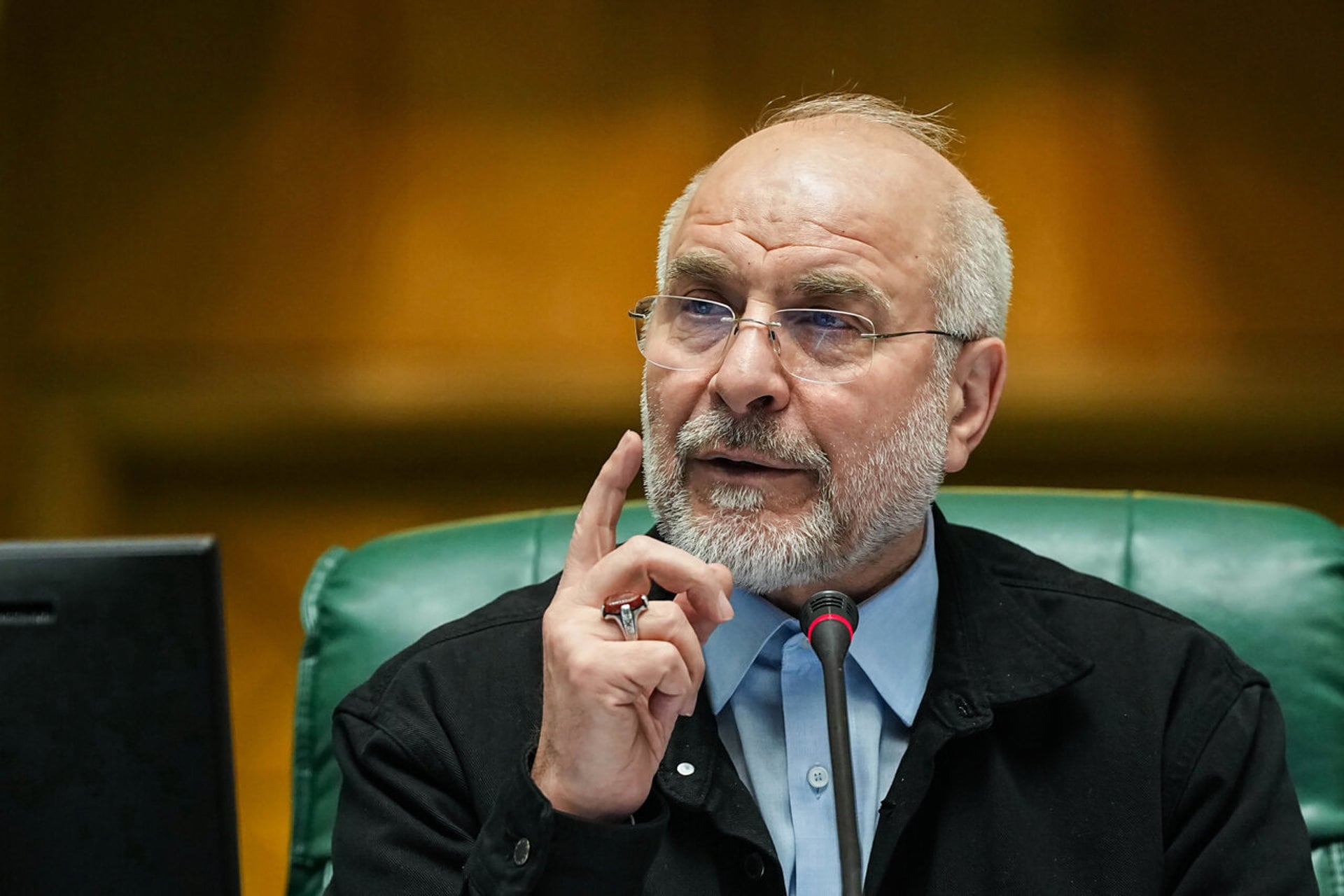
    El principal negociador iraní, Mohammad Bagher Ghalibaf, presidente del Parlamento, advirtió en Telegram que si Irán no obtiene beneficios del memorando de entendimiento con Estados Unidos “no tenemos razón para adherirnos a ese entendimiento”. Ghalibaf afirmó que Irán “no desea la guerra” pero llamó a mantener la resistencia armada al tiempo que se emplean “herramientas de diplomacia y negociación” para defender los intereses nacionales.

    A continuación, la cobertura minuto a minuto:

    /america/mundo/2026/07/15/estados-unidos-lanzo-una-nueva-ola-de-ataques-contra-iran-apunto-conta-objetivos-de-teheran-en-el-estrecho-de-ormuz/

    El petróleo sube por cuarto día consecutivo
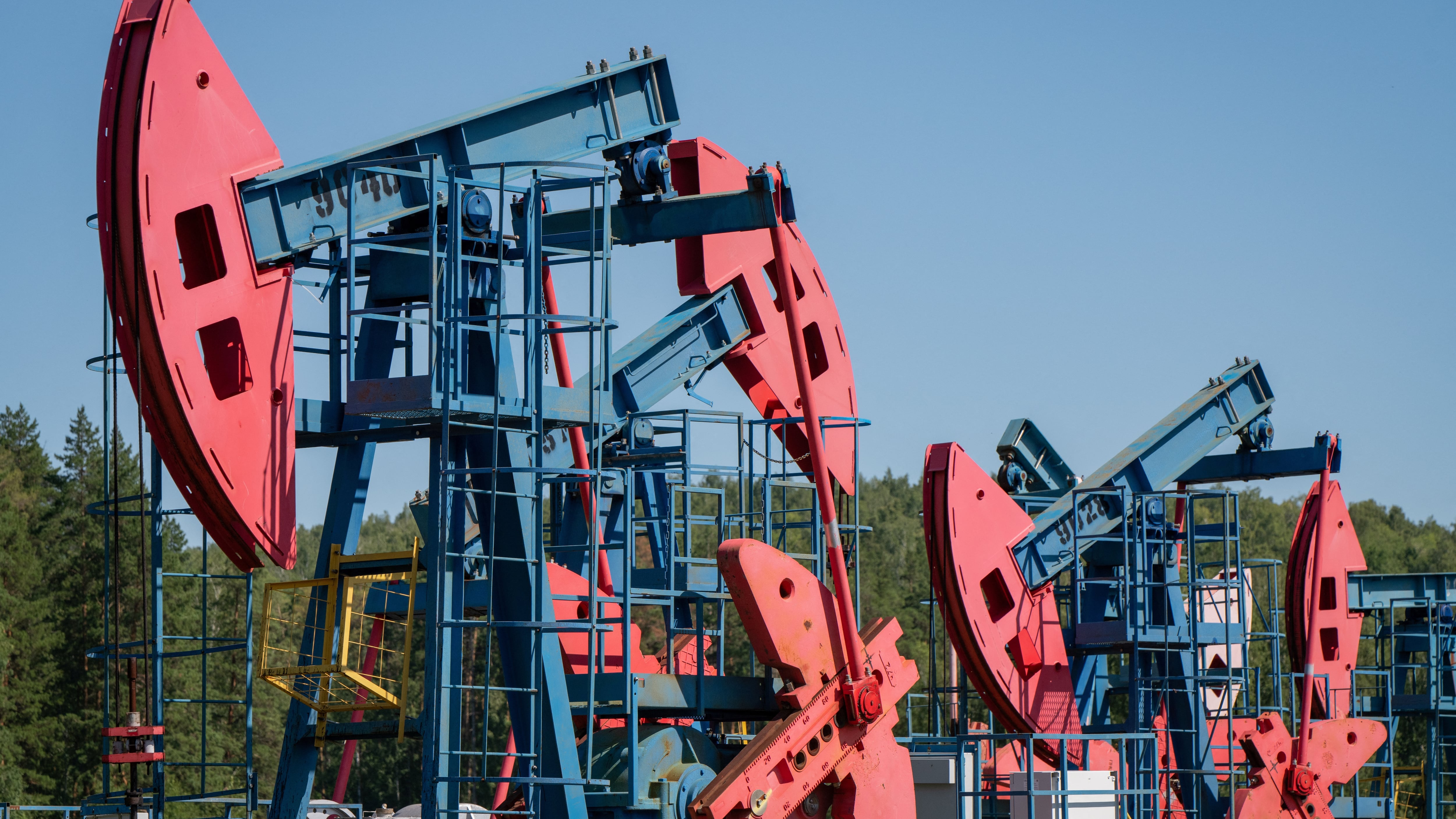
    Bombas de extracción de petróleo en las afueras de Almetyevsk, en la república de Tartaristán, Rusia (REUTERS/Stringer)

    Los precios del petróleo registraron su cuarta jornada al alza tras los recientes ataques estadounidenses a instalaciones iraníes, lo que avivó temores a una ampliación del conflicto regional y a interrupciones en el tránsito por el estrecho de Ormuz, informó Reuters.

    El Brent subió 0,4% hasta 85,28 dólares por barril a las 00:26 GMT, mientras que el West Texas Intermediate (WTI) avanzó 0,5% y cotizó en 80,02 dólares por barril.

    El incremento responde en parte a la interrupción del flujo comercial en el estrecho, que antes de la crisis gestionaba cerca de una quinta parte del comercio mundial de petróleo y gas natural licuado. Goldman Sachs advirtió que, si las exportaciones del Golfo permanecen restringidas, el Brent podría superar los 110 dólares en el cuarto trimestre.

    /america/mundo/2026/07/16/estados-unidos-impuso-nuevas-sanciones-contra-una-red-acusada-de-abastecer-armamento-a-iran/

    Kuwait intercepta drones iraníes y Bahréin activa sus alertas antiaéreas

    Kuwait informó que estaba interceptando drones lanzados supuestamente por Irán, mientras que en Bahréin se activaron sirenas antiaéreas tras otra noche de ataques entre Estados Unidos e Irán.

    En un comunicado en X, el ejército kuwaití dijo que respondía a “ataques hostiles con drones” tras lo que calificó como una agresión iraní. El Ministerio del Interior de Bahréin pidió a la población mantener la calma y dirigirse a lugares seguros tras la activación de las sirenas.

    /america/mundo/2026/07/16/israel-abatio-a-tres-terroristas-de-hezbollah-en-el-sur-de-libano/

    /america/mundo/2026/07/16/kuwait-intercepto-mas-de-20-drones-y-misiles-atribuidos-al-regimen-de-iran-en-plena-escalada-militar-en-el-golfo/

    /estados-unidos/2026/07/15/en-medio-del-intercambio-de-ataques-trump-dijo-que-iran-libero-a-una-ciudadana-estadounidense-detenida-desde-2024-agradecemos-este-gesto/

    /america/mundo/2026/07/15/tras-la-advertencia-de-donald-trump-el-presidente-del-parlamento-irani-defendio-negociar-con-estados-unidos-y-prepararse-para-la-guerra/

    /america/mundo/2026/07/15/estados-unidos-disparo-contra-un-buque-cisterna-que-se-dirigia-a-iran-en-medio-del-bloqueo-naval/

    Emiratos Árabes Unidos condenó los ataques de Irán

    Emiratos Árabes Unidos condenó los ataques atribuidos a Irán contra Bahréin, Kuwait y Jordania, y el Ministerio de Asuntos Exteriores los calificó como una “violación flagrante de la soberanía” y una amenaza para la seguridad y la estabilidad de esos países.

    /america/mundo/2026/07/15/estados-unidos-lanzo-una-nueva-ola-de-ataques-contra-iran-apunto-conta-objetivos-de-teheran-en-el-estrecho-de-ormuz/

    Kuwait afirma haber interceptado hoy 21 drones y cuatro misiles de crucero procedentes de Irán

    El Ministerio de Defensa de Kuwait informó que interceptó al menos cuatro misiles de crucero y 21 drones procedentes de Irán. Un portavoz indicó que la agresión apuntó a “varias instalaciones vitales” y causó daños materiales; no se reportaron heridos.

    Las FDI afirman haber abatido a tres operativos de Hezbollah

    El ejército israelí informó que abatió a tres combatientes de Hezbollah en la zona de Beit Yahoun, en el sur del Líbano, afirmando que los atacantes representaban una amenaza inmediata para soldados israelíes desplegados en la zona.

    Explosiones cerca de un consulado de EEUU en Irak

    Periodistas de AFP registraron varias explosiones cerca del consulado estadounidense en Erbil, en el Kurdistán iraquí. Se activaron defensas aéreas en las cercanías; el consulado ha sido objetivo de ataques con drones y proyectiles durante el conflicto.

    El FMI advirtió que la oferta de petróleo tardará meses en normalizarse tras la reapertura de Ormuz

    El Fondo Monetario Internacional (FMI) advirtió que, incluso si el estrecho de Ormuz se reabre, el flujo de petróleo podría tardar entre dos y tres meses en volver a niveles relativos de normalidad y mostró preocupación por pérdidas permanentes de producción si las interrupciones se prolongan y falta financiación para reactivar pozos.

    El organismo indicó que el acuerdo provisional de paz entre Estados Unidos e Irán redujo temporalmente los precios por la existencia de grandes volúmenes de crudo en buques esperando salida, pero que la reciente escalada vuelve a presionar la oferta.

    Las aerolíneas reanudan algunos vuelos a Oriente Medio, pero persisten las interrupciones

    Algunas aerolíneas han comenzado a reanudar rutas hacia Oriente Medio, aunque otras mantienen suspensiones por razones de seguridad.

    SunExpress, alianza entre Turkish Airlines y Lufthansa, planeó reanudar la ruta Antalya-Dubái el 15 de julio. Delta prevé retomar vuelos entre Nueva York y Tel Aviv el 6 de septiembre, mientras que su nueva ruta Boston-Tel Aviv fue pospuesta. British Airways aplazó la reanudación de vuelos a Doha y Riad hasta inicios de agosto.

    /america/mundo/2026/07/15/estados-unidos-desvio-dos-buques-comerciales-que-intentaron-burlar-el-bloqueo-a-los-puertos-iranies/

    Irán dice estar enfocado en la defensa y no en negociaciones

    La agencia Tasnim citó al vocero de la cancillería iraní, Esmaeil Baghaei, quien afirmó que las fuerzas armadas demostraron que cualquier agresión será respondida de forma recíproca y que “no hay planes de negociación por el momento, estamos enfocados en la defensa”.

    Baghaei añadió que el alto el fuego provisional acordado el mes anterior constituye obligaciones mutuas y que Irán condicionará su cumplimiento al respeto de los compromisos por parte de Estados Unidos.

    EEUU niega haber atacado un depósito civil de trigo en Irán

    El ejército estadounidense rechazó versiones que señalaban que sus fuerzas habían atacado un silo civil de trigo en Irán y afirmó que, el 14 de julio, atacaron objetivos militares en Bandar Abbas, Khormuj, Ahvaz, Qeshm, Tunb, Bushehr y Kuh-e Stak para degradar la capacidad de Irán de afectar el tráfico comercial en el estrecho de Ormuz.

    Anteriormente la televisión estatal iraní IRIB había informado que un silo de Hoveyzeh fue alcanzado por proyectiles en la madrugada.

    Líbano e Israel acuerdan la estructura de “zonas piloto” en el sur libanés tras negociaciones en Roma

    Líbano e Israel completaron una ronda de negociaciones mediadas por Estados Unidos en Roma, en la que acordaron la estructura y directrices para implantar las “zonas piloto” en el sur del Líbano, parte de un pacto marco destinado a facilitar un retiro gradual de fuerzas israelíes y el despliegue de tropas libanesas en zonas convenidas.

    Un funcionario estadounidense señaló que las conversaciones fueron “productivas y positivas” y que el proceso se finalizará e implementará en los próximos días.

    Más información en este enlance.

    Wall Street registra alzas tras mejores datos de inflación en EEUU

    Las bolsas de Wall Street subieron el miércoles luego de datos de inflación más suaves de lo esperado, lo que alivió temores sobre posibles alzas de tasas por parte de la Reserva Federal. El índice de precios al productor cayó 0,3% mensual en junio, la primera contracción desde agosto de 2025, impulsada por la caída de los precios de la energía.

    Sin embargo, el petróleo volvió a subir debido a la tensión entre Estados Unidos e Irán. A poco de la apertura, el Dow Jones subía 0,1%, el S&P 500 0,4% y el Nasdaq 0,5%.

    El dato del índice de precios al productor se conoció un día después de cifras del índice de precios al consumidor también por debajo de lo previsto.

    /america/mundo/2026/07/15/las-fdi-confirmaron-la-muerte-de-dos-comandantes-nukhba-en-un-bombardeo-contra-terroristas-de-hamas-en-gaza/

    El video de EEUU que muestra su último ataque contra Irán

    CENTCOM publicó un video correspondiente a su más reciente ronda de ataques contra Irán. El comando afirmó que los bombardeos apuntaron a sistemas de defensa costera y a sitios de almacenamiento y lanzamiento de misiles crucero en la isla Gran Tunb.

    EEUU dice haber redirigido dos buques desde que retomó el bloqueo

    Estados Unidos reinició un bloqueo naval a puertos iraníes el martes a las 16:00 hora de Washington (20:00 GMT) y, según CENTCOM, desde entonces ha redirigido a dos buques comerciales que intentaron eludir el bloqueo.

    Since restarting the naval blockade against Iranian ports 17 hours ago, U.S. forces have redirected 2 commercial vessels attempting to run the blockade. The U.S. military remains vigilant and prepared to ensure full compliance.

    — U.S. Central Command (@CENTCOM) July 15, 2026

    El canciller iraní asistió al funeral del ex emir de Qatar en Doha

    El ministro de Relaciones Exteriores de Irán, Abbas Araqchi, viajó a Doha para asistir al funeral del ex emir Hamad bin Khalifa Al-Thani, informó la agencia ISNA. La visita se produjo en un momento de ataques reiterados de Irán contra lo que Teherán consideró instalaciones estadounidenses en la región.

    Qatar ha actuado como mediador entre Washington y Teherán durante el conflicto.

    Los marineros indios registran el mayor número de víctimas en la crisis marítima del Golfo

    Al menos trece ciudadanos indios murieron y tres permanecen desaparecidos en ataques contra buques comerciales en el Golfo desde febrero, según fuentes citadas por EFE, la cifra más alta entre las nacionalidades identificadas. El Ministerio de Exteriores de India confirmó la muerte de un marinero y reportó diez heridos tras un ataque a los petroleros MT Al Bahiyah y MT Mombasa en el estrecho de Ormuz.

    Los dos buques transportaban en conjunto 30 marineros indios, dentro de una tripulación total de 46. India es también uno de los mayores proveedores mundiales de marinos certificados, con cerca de 300.000 trabajadores activos, según el Seafarer Workforce Report 2026.

    Ante la serie de incidentes, el gobierno indio activó un operativo especial para localizar y asistir a marinos nacionales que naveguen por el Golfo Pérsico, el estrecho de Ormuz y el golfo de Omán.

    /america/mundo/2026/07/15/el-regimen-de-iran-elevo-a-12-anos-la-condena-a-del-britanico-craig-foreman-acusado-de-espionaje/

    Un dron impactó en el puerto iraquí de Gran Faw durante la visita del primer ministro a EEUU

    Un dron de origen indeterminado impactó en una zona abierta del patio de contenedores del puerto de Gran Faw sin causar víctimas ni daños materiales, informaron autoridades iraquíes. El incidente ocurrió mientras el primer ministro Ali al Zaidi visitaba Estados Unidos para negociar asociaciones económicas e inversiones.

    La Autoridad Portuaria indicó que las operaciones continúan con normalidad y que se inició una investigación para determinar el origen del artefacto, aunque no precisó si fue lanzado desde territorio iraquí o desde Irán.

    Es el primer incidente de este tipo contra Gran Faw desde el inicio del conflicto. El puerto es clave en la estrategia de Irak para diversificar su economía y convertirse en un nodo logístico regional.

    EEUU completó una nueva oleada de ataques contra Irán en la isla de Gran Tunb

    El ejército estadounidense informó que ejecutó una oleada de ataques contra objetivos iraníes en la isla Gran Tunb, con municiones de precisión dirigidas a sistemas de defensa costera y a sitios de almacenamiento y lanzamiento de misiles crucero, con el objetivo de reducir la capacidad de Irán para atacar el tráfico comercial en el estrecho de Ormuz.

    /america/mundo/2026/07/15/iran-volvio-a-atacar-objetivos-militares-de-estados-unidos-en-kuwait-y-barein-pero-casi-todos-sus-misiles-fueron-interceptados/

    Las acciones europeas caen ante el alza de los precios del petróleo

    Los mercados europeos retrocedieron el miércoles pese al repunte del petróleo, en un contexto de atención al conflicto en Oriente Medio. Al mediodía, el FTSE 100 cayó 0,2%, el CAC 40 perdió 0,2% y el DAX cedió 0,8%; el Brent avanzó 1,1% hasta 85,63 dólares por barril tras nuevos ataques y la reimposición del bloqueo naval.

    En Asia, las tecnológicas impulsaron un rebote, con Seúl subiendo 6,2% gracias a un alza en SK hynix, mientras Tokio, Hong Kong y otras plazas también registraron ganancias, aunque Shanghái cayó 0,3% tras datos de crecimiento por debajo de lo previsto.

    El buen desempeño en Wall Street, apoyado por resultados sólidos de grandes bancos, y decisiones políticas de Estados Unidos también influyeron en el ánimo de los mercados asiáticos.

    El ejército de EEUU dice que reanudó los ataques diurnos contra Irán como parte de su escalada

    El ejército estadounidense informó que inició una nueva oleada de ataques contra Irán a las 10:00 GMT del miércoles, con el objetivo de debilitar capacidades militares que, según el Mando Central, han sido utilizadas para atacar buques mercantes en el estrecho de Ormuz.

    At 6 a.m. ET today, U.S. Central Command forces began launching a wave of strikes against Iran. The strikes are designed to further degrade military capabilities Iranian forces have used to attack commercial shipping in the Strait of Hormuz.

    — U.S. Central Command (@CENTCOM) July 15, 2026

    La nota completa en este enlace.

    Irán ejecutó a un hombre arrestado durante las protestas de enero

    Las autoridades iraníes ejecutaron a un hombre acusado de incendiar instalaciones gubernamentales y policiales durante las protestas de enero en la provincia de Isfahán, informó Mizan News, vinculado al poder judicial. Según el reporte, Mohammad Amini Dehaghani fue ahorcado tras la ratificación de la sentencia por el Tribunal Supremo; las autoridades señalaron pruebas como grabaciones y confesiones.

    El petróleo vuelve a subir por la escalada militar en Medio Oriente

    Bombas de extracción de petróleo en las afueras de Almetyevsk, en la república de Tartaristán, Rusia. 14 de julio de 2025 (REUTERS/Stringer)

    El WTI sumó 86 centavos y cotizó en 80,20 dólares por barril, mientras que el Brent avanzó 1,15 dólares hasta 85,88 dólares por barril. El martes, el petróleo cerró con un alza del 2%, su máximo en un mes, por temores a problemas de suministro en el estrecho de Ormuz.

    Analistas señalaron que los aumentos reflejan la escalada de ataques, aunque esperan que la magnitud del movimiento se modere mientras los mercados evalúan la evolución de la situación entre Estados Unidos e Irán.

    /america/mundo/2026/07/15/iran-amenazo-con-cerrar-los-corredores-de-exportacion-que-benefician-a-eeuu-y-sus-aliados-tras-el-bloqueo-de-washington-en-ormuz/

    EEUU abatió a siete militares en ataques en el sudeste de Irán
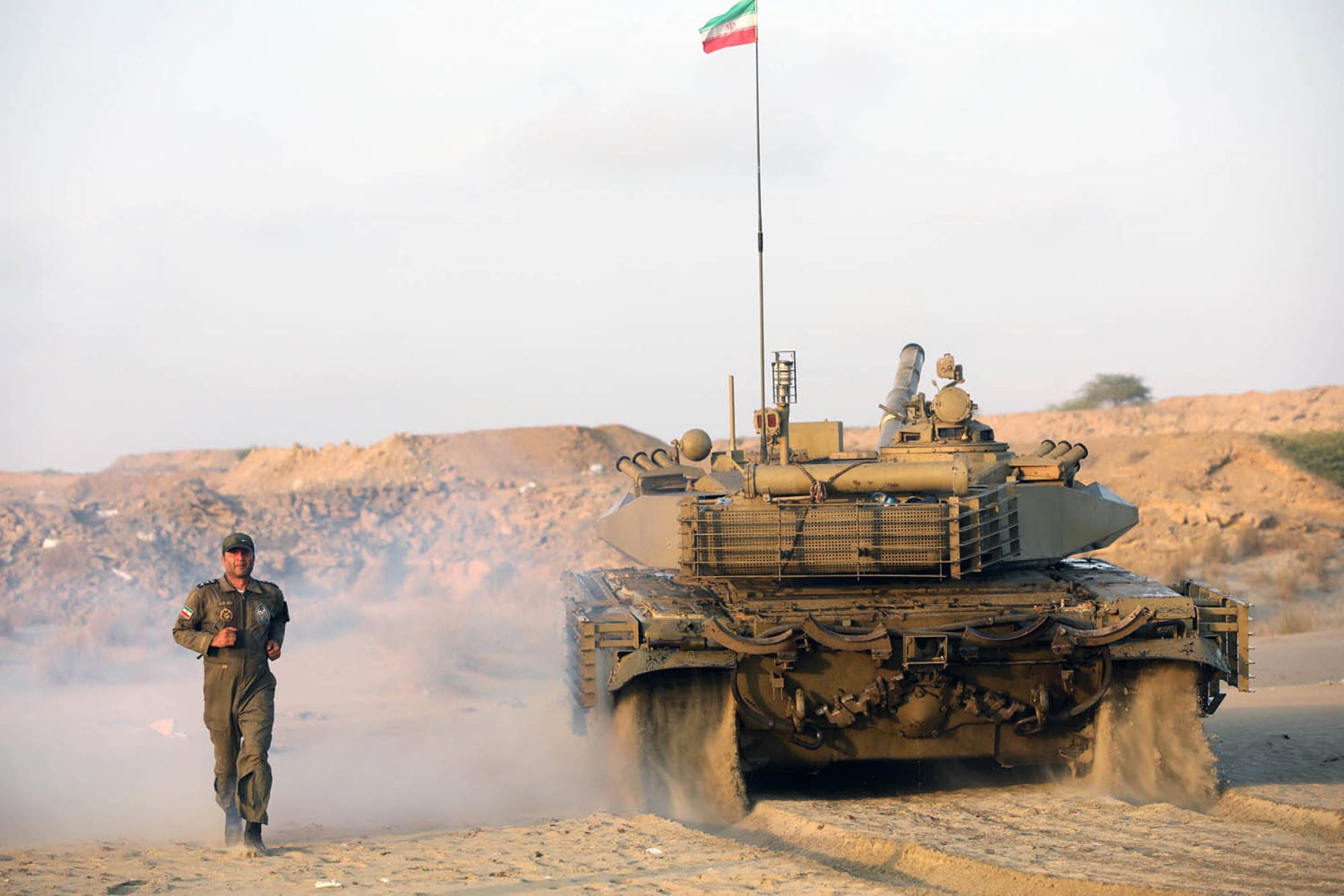
    EEUU abatió a siete militares en ataques en el sudeste de Irán (Europa Press)

    El ejército iraní informó que siete miembros de la Brigada 388 murieron por impactos de 13 misiles estadounidenses contra el cuartel de Bambour en Iranshahr, y aseguró que hubo varios heridos. El comunicado describió el ataque como una “agresión cobarde” y advirtió de una respuesta “decisiva” en el momento que consideren oportuno.

    Las autoridades señalaron que medidas de defensa pasiva mitigaron el número de víctimas y acusaron a Estados Unidos de apuntar deliberadamente a áreas de alojamiento y puestos de guardia.

    Se confirmó la muerte de un marinero indio desaparecido tras un ataque frente a las costas de Omán

    Un marinero indio que permanecía desaparecido tras el ataque al buque GFS Galaxy frente a Omán fue confirmado muerto por su familia, según Reuters. De los 11 marineros indios a bordo, 10 fueron rescatados, informó el Ministerio de Exteriores de India.

    Un ex canciller de Irán instó a un ataque terrestre contra una base estadounidense y a tomar rehenes

    El ex ministro de Relaciones Exteriores iraní Manouchehr Mottaki propuso realizar una ofensiva terrestre contra una base estadounidense en la región y capturar prisioneros para trasladarlos a Irán. Mottaki, que hoy es diputado, dijo que su propuesta incluiría tomar a 100 estadounidenses y llevarlos al país.

    Marco Rubio y el canciller jordano discutieron los ataques iraníes contra buques en Medio Oriente

    El secretario de Estado de EE. UU., Marco Rubio, informó que se reunió con el ministro de Asuntos Exteriores jordano Ayman Safadi para abordar la seguridad regional, incluidos “los continuos ataques de Irán contra embarcaciones y países de la región”.
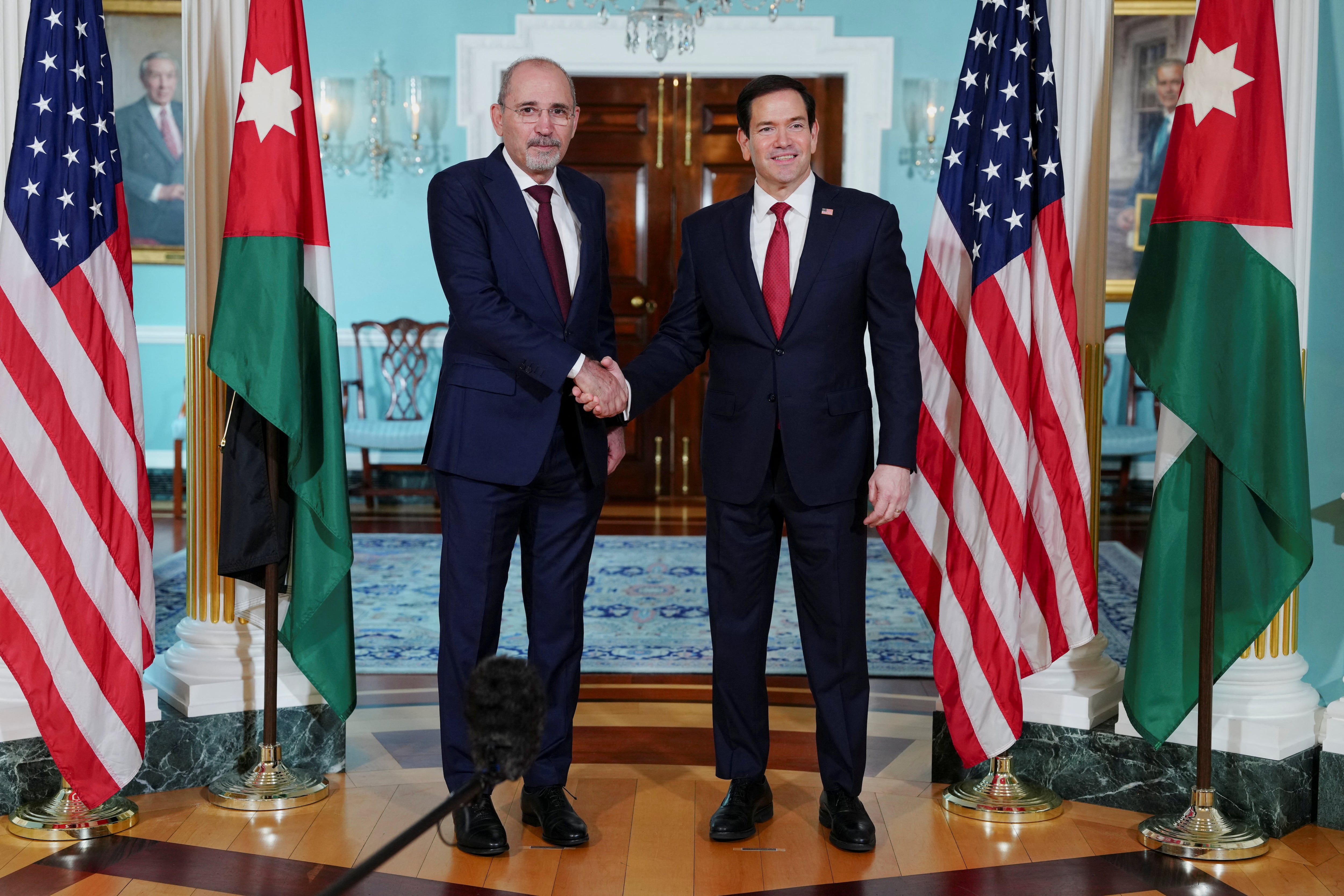
    El secretario de Estado de EE. UU., Marco Rubio, estrecha la mano del ministro de Asuntos Exteriores jordano, Ayman Safadi, en el Departamento de Estado de EE. UU., en Washington, D. C., EE. UU., el 14 de julio de 2026 (REUTERS/Ken Cedeno)

    El Consejo de Seguridad de la ONU votó a favor de continuar supervisando los ataques de los hutíes en el Mar Rojo

    El Consejo de Seguridad aprobó una resolución que extiende por seis meses la supervisión de la ONU sobre los ataques de los hutíes en el Mar Rojo. La votación fue de trece votos a favor, con China y Rusia absteniéndose, y exige informes mensuales del secretario general sobre la situación.

    Los hutíes comenzaron a atacar embarcaciones en el Mar Rojo a finales de 2023, argumentando que sus blancos estaban vinculados a Israel en respuesta al conflicto en Gaza.

    /america/mundo/2026/07/15/el-regimen-de-iran-lanzo-nuevos-ataques-contra-bases-militares-de-estados-unidos-en-jordania-bahrein-y-kuwait/

    Buques vinculados a Irán abandonaron el estrecho de Ormuz antes del bloqueo estadounidense

    El martes se observó un aumento en el número de buques que transitaron por el estrecho de Ormuz antes de la entrada en vigor del bloqueo estadounidense; la mayoría estaban vinculados al comercio iraní, según datos de transporte marítimo de Kpler.

    De los once buques que cruzaron la ruta ese día, nueve lo hicieron por la vía iraní. Entre ellos había tres petroleros vacíos (un Aframax y dos de gran tamaño). En las salidas se registró un VLCC con 2 millones de barriles, un petrolero mediano con productos refinados y dos buques con gas licuado de petróleo, además de un cisterna con metanol y un granelero con mineral de hierro.

    El Ejército jordano afirmó haber derribado tres misiles lanzados por Irán
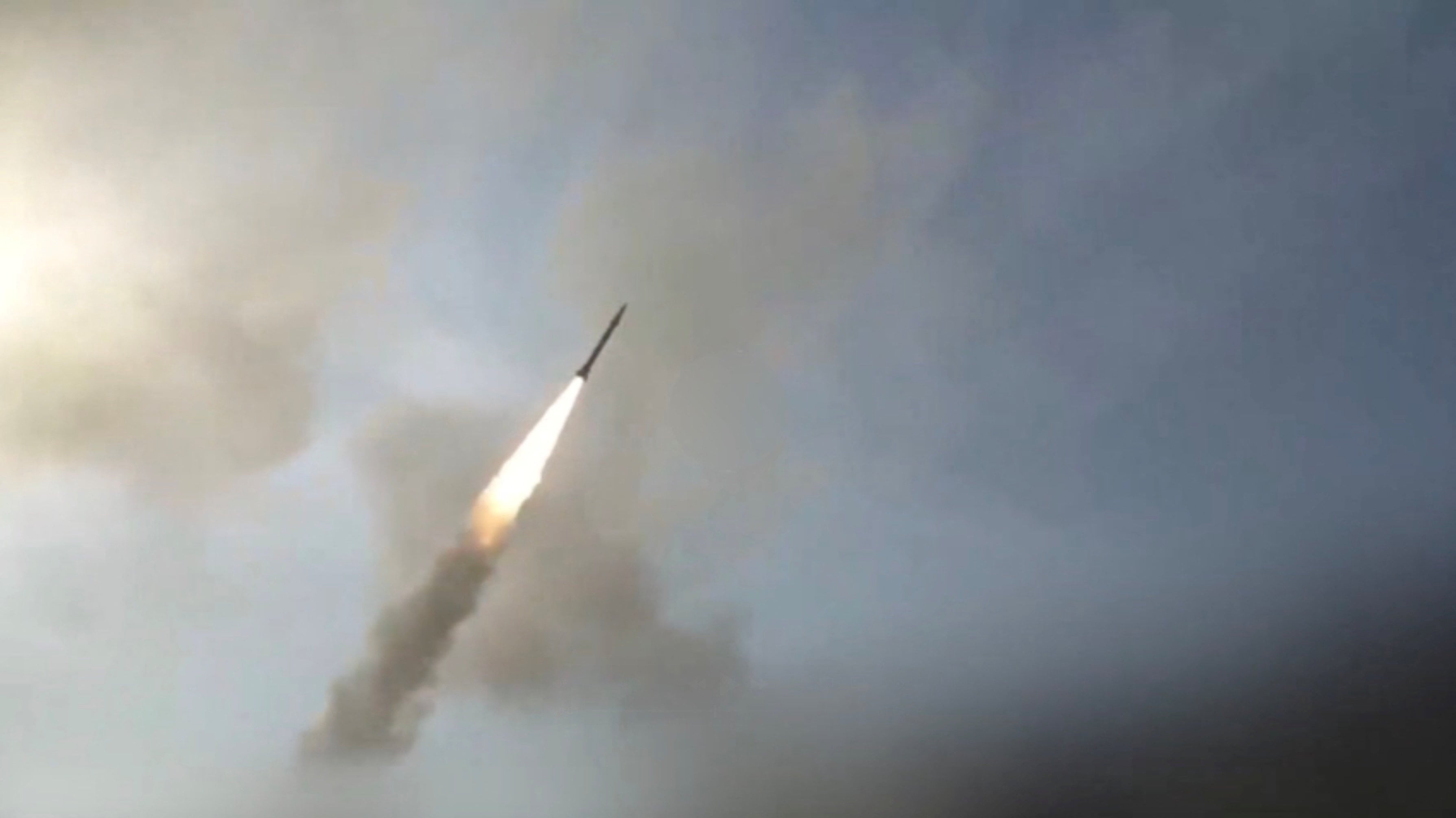
    Una captura de pantalla de un video de la televisión estatal iraní muestra un misil iraní volando en un lugar desconocido (REUTERS)

    El Ejército de Jordania informó que sus defensas aéreas interceptaron y derribaron tres misiles balísticos que ingresaron a su espacio aéreo desde territorio vinculado a Irán. Las autoridades gestionaron los restos en varios puntos y aseguraron las zonas afectadas para proteger a la población.

    El comunicado subrayó que las fuerzas jordanas rechazan cualquier violación de su soberanía y mantienen vigilancia aérea con el máximo nivel de preparación.

    /estados-unidos/2026/07/14/estados-unidos-lanzo-la-cuarta-ola-de-ataques-contra-iran-y-prepara-el-bloqueo-naval-sobre-sus-puertos-y-costas/

    La Guardia Revolucionaria de Irán atacó a los países del Golfo tras la operación del CENTCOM de EEUU

    La Guardia Revolucionaria informó de bombardeos con drones y ataques simultáneos contra instalaciones estadounidenses en la región, entre ellas la base aérea de Al Azraq en Jordania, depósitos en la base Sheij Isa de Bahréin y la base Ali al Salem en Kuwait. En su comunicado, la Guardia defendió la operación y advirtió que cualquier acción contra suelo, aguas o espacio aéreo iraní no quedará sin respuesta.

    Irán: el estrecho de Ormuz permanecerá cerrado hasta que “se acaben los males de Estados Unidos”
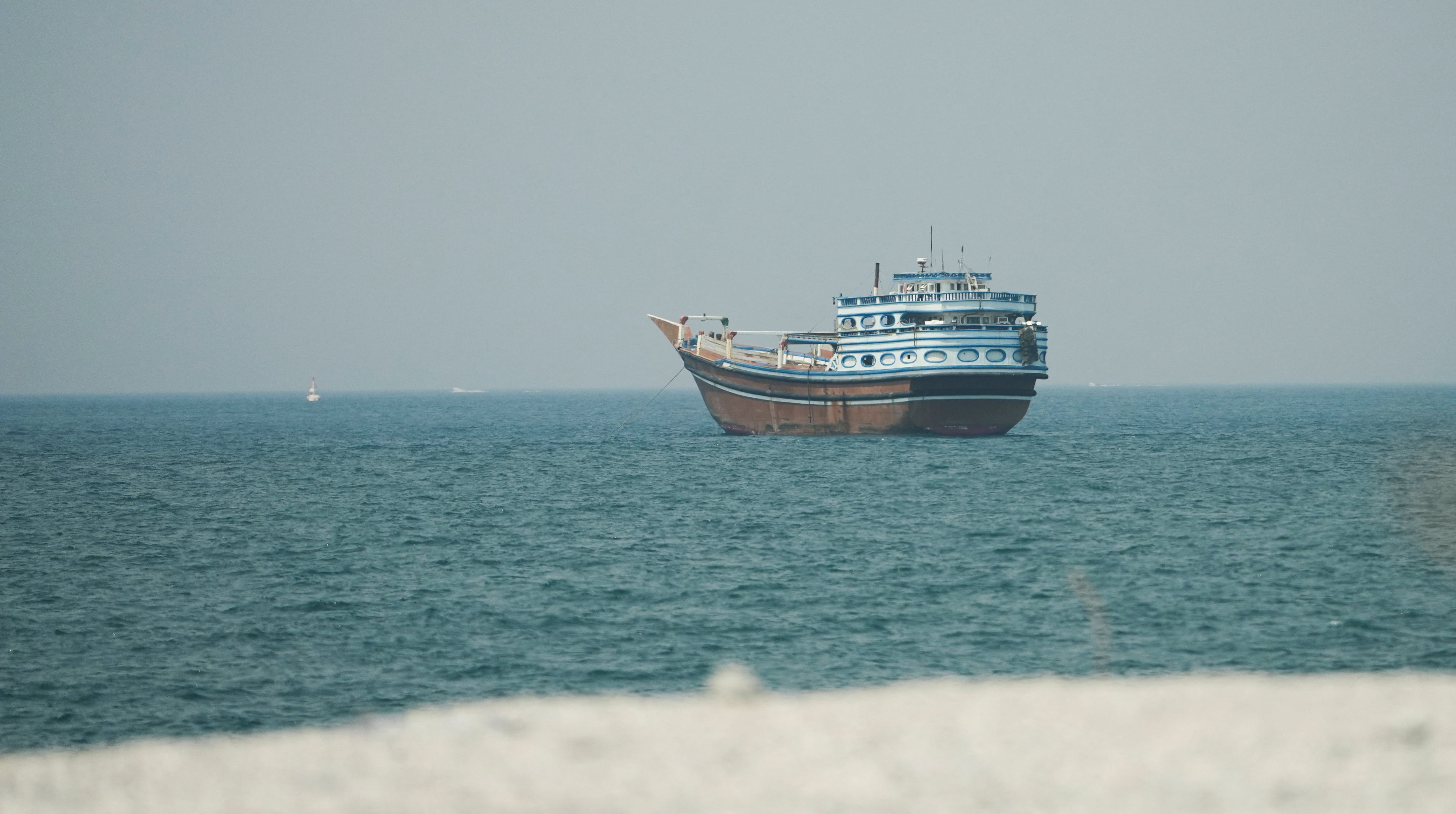
    Un barco en el estrecho de Ormuz (REUTERS/Stringer)

    La Guardia Revolucionaria declaró que mantendrá el cierre del estrecho de Ormuz hasta que cesen las acciones de Estados Unidos, y aseguró que durante su operación no hubo barcos que intentaran violar el bloqueo ni impactos durante la maniobra.

    Casa Blanca: “Las divisiones en Irán demuestran el éxito de la política de Trump”

    Stephen Miller, subjefe de gabinete de la Casa Blanca, afirmó en una entrevista que las fracturas internas en el liderazgo iraní son una prueba del supuesto éxito de la política del presidente Donald Trump hacia Teherán, y dijo que Estados Unidos insta a Irán a apoyar un programa de paz y renunciar a ambiciones nucleares.

    Pezeshkian aseguró defender “cada centímetro” de Irán en medio de nueva escalada con EEUU
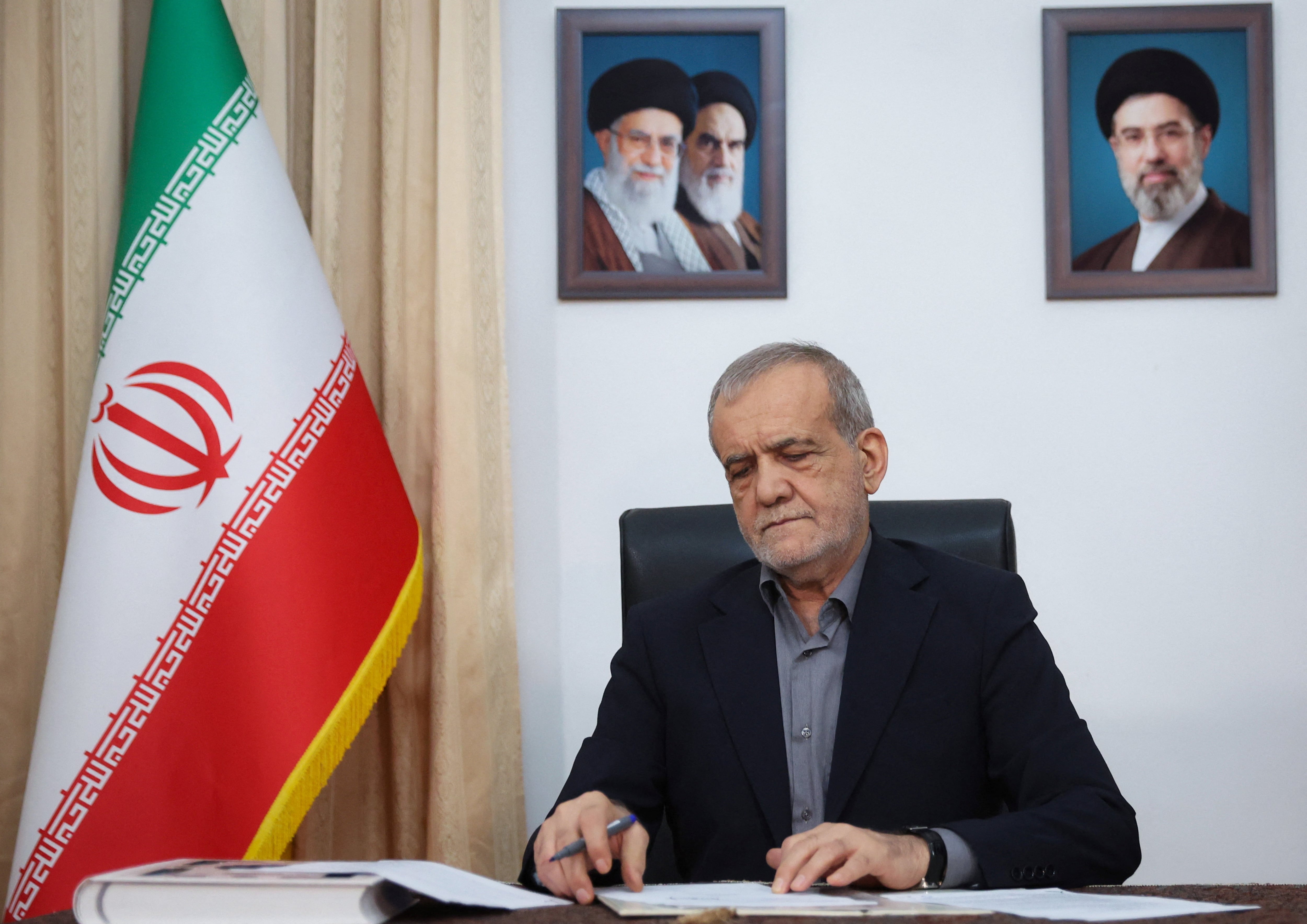
    El presidente iraní, Masoud Pezeshkian (REUTERS)

    El presidente iraní, Masud Pezeshkian, aseguró que Irán defenderá “cada centímetro” de su territorio tras la escalada con Estados Unidos. Sus declaraciones respondieron a afirmaciones del presidente estadounidense sobre la reducción de capacidades militares iraníes, y Pezeshkian cuestionó si EE. UU. ha alcanzado sus objetivos en el terreno.

    /estados-unidos/2026/07/15/estados-unidos-amplio-las-sanciones-contra-el-sector-petrolero-de-iran-y-apunto-a-una-red-vinculada-al-regimen/

  • U.S. completes fifth wave of strikes to degrade Iran’s military capability in the Strait of Hormuz

    U.S. completes fifth wave of strikes to degrade Iran’s military capability in the Strait of Hormuz

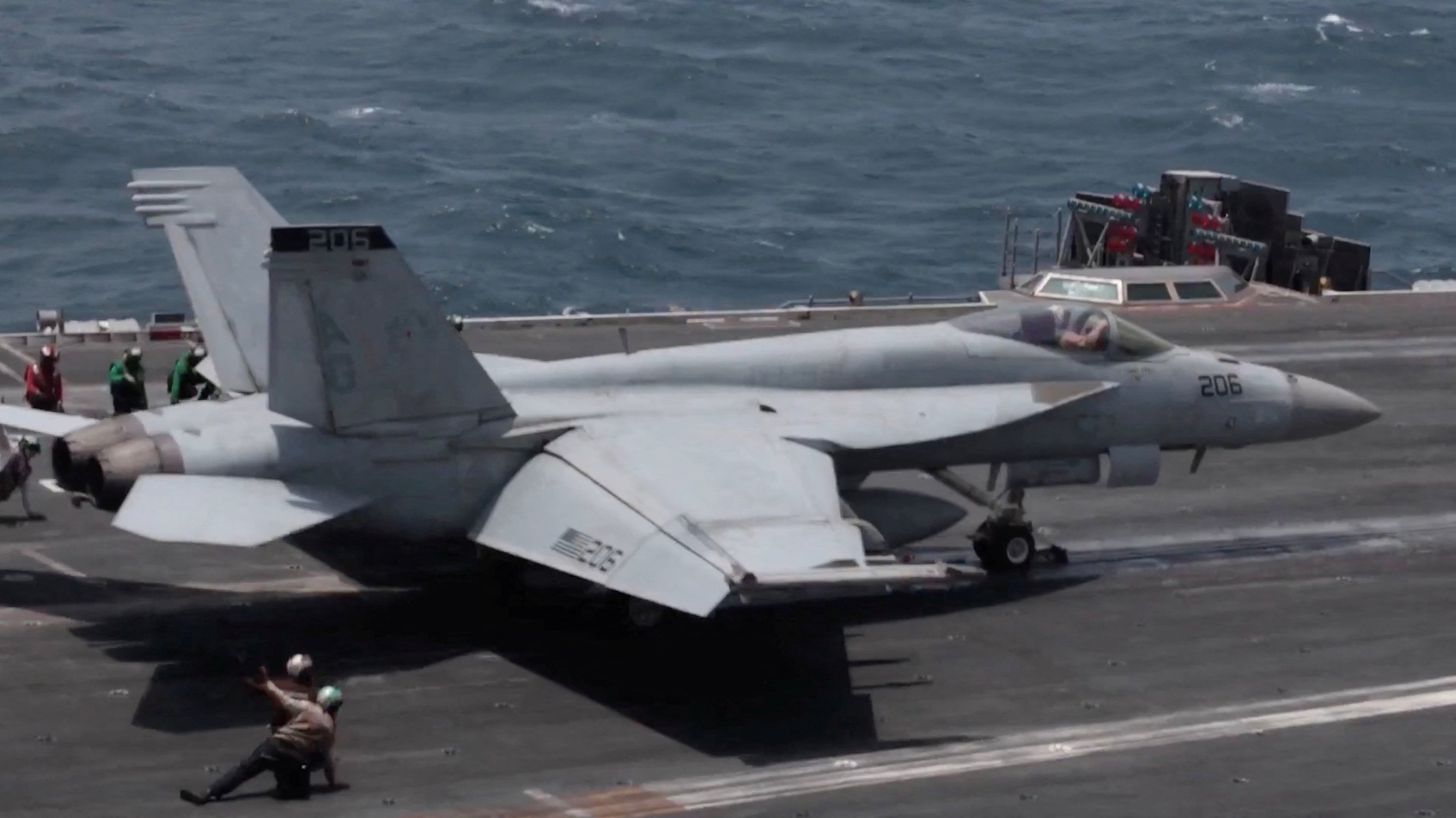
    U.S. armed forces completed a new wave of strikes against Iran this Wednesday, CENTCOM confirmed, saying the operation was ordered by President Donald Trump.

    The military command operating in the Middle East said U.S. forces carried out the offensive against “Iranian command centers, air defense sites, missile and drone capabilities, and coastal surveillance installations” with the aim of further degrading the regime’s ability to “threaten innocent mariners operating commercial vessels transiting the Strait of Hormuz.”

    They added: “CENTCOM used precision munitions to strike targets at multiple locations, including Bandar Abbas.” In a statement posted earlier on the social platform X, CENTCOM reported that “at 3:00 p.m. ET, U.S. forces launched operations for a second wave of strikes against Iran” that same Wednesday.

    The new offensive came after Washington confirmed it had reimposed a naval blockade on Iranian ports and coasts and announced the diversion of two commercial vessels that, according to the Pentagon, tried to evade the restrictions imposed by the United States.

    El Comando Central estadounidense aseguró que las operaciones buscan hacer rendir cuentas al régimen iraní por los ataques contra la navegación comercial

    Since the resumption of military operations, the conflict has spread across several fronts in the region. The Islamic Revolutionary Guard Corps said it had struck U.S. Fifth Fleet positions in Bahrain, while Bahraini authorities reported intercepting projectiles aimed at civilian targets. Jordan also confirmed its air defenses shot down three missiles launched by Iran toward its territory.

    Tensions also reached northern Iraq, where explosions were reported overnight near the U.S. consulate in Erbil, the capital of the autonomous Kurdistan region. So far, authorities have not reported casualties or provided details on the scope of those incidents.

    At the same time, President Donald Trump intensified his rhetoric toward Tehran and warned the military campaign could expand in the coming days if the Iranian regime does not agree to resume negotiations. “Next week the situation will be very bad for them,” he said in an interview with Fox News.

    Despite the escalation in fighting, diplomatic channels have not been completely closed. However, the speaker of Iran’s Parliament and the regime’s chief negotiator, Mohammad Bagher Ghalibaf, said the memorandum signed with Washington lost validity after the U.S. decision to reimpose the naval blockade.

    El presidente del Parlamento iraní, Mohammad Bagher Ghalibaf, en una sesión celebrada en Teherán (EP/Archivo)

    “A memorandum of understanding only makes sense when its clauses are valid and are honored. If Iran does not receive any benefit from the agreement, we have no reason to respect it,” he said.

    The center of the confrontation remains the Strait of Hormuz, a strategic passage through which a significant portion of the world’s oil and gas trade is transported. Iran again restricted transit through the route after accusing the United States of failing to honor the agreed commitments, while Washington responded with new military operations and the reinstatement of maritime restrictions on Iranian ports.

    U.S. Central Command (CENTCOM) said the strikes aim to reduce the regime’s military capacity to threaten commercial shipping. In recent hours, Iranian state media reported explosions in Bandar Abbas, Qeshm Island, Bandar Imam Khomeini and later in Bushehr, the city that hosts the country’s only civilian nuclear power plant.

    The conflict has also begun to affect civilians and maritime transport in the region. A Norwegian tanker suffered an explosion off the coast of Oman caused by a device of undetermined origin, while Kuwait reported that one of its naval vessels was hit during an Iranian attack with missiles and drones, an incident that left four crew members injured.

    Un barco navega por el estrecho de Ormuz, una de las rutas marítimas más estratégicas para el comercio mundial de petróleo (REUTERS/Archivo)

    Trump also announced he had abandoned plans to impose a 20% levy on ships transiting the Strait of Hormuz, a measure proposed days earlier. Instead, he said he would pursue trade and investment agreements with Washington’s Gulf allies.

    According to the Iranian regime, the U.S. bombings resumed last week have killed at least 30 civilians, while the country’s Armed Forces reported that another seven military personnel died during the strikes carried out this Wednesday. Meanwhile, Israeli Prime Minister Benjamin Netanyahu warned that his country would respond “harshly” if Iran decides to extend its attacks to Israeli territory.

    (more…)

  • US sanctions network accused of supplying arms to Iran

    US sanctions network accused of supplying arms to Iran

    A satellite image shows an area at the port of Chabahar, Iran, July 9, 2026, after the U.S. military said on Wednesday (July 8) it launched fresh strikes on Iran to keep the Strait of Hormuz open to shipping. 2026 PLANET LABS PBC/Handout via REUTERS THIS IMAGE HAS BEEN SUPPLIED BY A THIRD PARTY. MANDATORY CREDIT.

    The United States Department of the Treasury on Wednesday imposed sanctions on an international network of Iranian and Russian nationals and on entities based in Iran, Russia and Nigeria, accusing them of helping Tehran acquire weapons. The move is part of an intensified economic and military pressure campaign the U.S. has stepped up in recent weeks after talks with Iran collapsed.

    According to the Treasury, Wednesday’s targets “demonstrate Iran’s use of foreign aviation and transport firms, financial conduits and travel coordinators to conceal the Islamic Revolutionary Guard Corps’ (IRGC) role in the illicit procurement of material and the movement of personnel on a global scale.”

    Wednesday’s actions follow a string of coordinated economic measures. On Tuesday, the Treasury sanctioned the maritime network of Hossein Shamkhani, described by Washington as the Iranian head of a business structure that manages strategic oil and arms operations for Tehran and Moscow. More than 50 entities were sanctioned that day, including shipping companies, vessels, digital wallets and individuals linked to Shamkhani.

    Treasury Secretary Scott Bessent also announced the freezing of over USD 130 million in digital asset wallets allegedly connected to the Central Bank of Iran. “The Treasury is dismantling the financial infrastructure that allows the regime to continue its threats to U.S. national security and to global navigation,” he said.

    Alongside Tuesday’s sanctions, President Donald Trump reinstated a naval blockade on ships traveling to or from ports or coastal areas of Iran. U.S. Central Command (CENTCOM) confirmed the measure took effect at 4:00 p.m. New York time that day.

    The resumption of the blockade followed the breakdown of talks begun under a provisional peace agreement signed on June 17 by Trump and Iranian President Masoud Pezeshkian. Tensions over control of the Strait of Hormuz—a vital route for global energy shipments—led to renewed attacks and the suspension of negotiations.

    On July 8, Washington revoked the waiver that had allowed new sales of Iranian crude after a series of attacks on vessels in the Strait of Hormuz attributed to Tehran. Two days later, on July 10, it imposed additional sanctions on the financing network of Supreme Leader Mojtaba Jamenei. This week’s measures add to earlier actions in May against individuals and companies in China and Hong Kong accused of supporting Iran’s weapons sector, and to June sanctions against 11 people and entities for assisting the IRGC and Iranian military forces in obtaining arms. (With information from Reuters and Bloomberg)

    (more…)

  • US imposes new sanctions on network accused of supplying weapons to Iran

    US imposes new sanctions on network accused of supplying weapons to Iran

    A satellite image shows an area at the port of Chabahar, Iran, July 9, 2026, after the U.S. military said on Wednesday (July 8) it launched fresh strikes on Iran to keep the Strait of Hormuz open to shipping. 2026 PLANET LABS PBC/Handout via REUTERS THIS IMAGE HAS BEEN SUPPLIED BY A THIRD PARTY. MANDATORY CREDIT.

    The U.S. Department of the Treasury on Wednesday imposed sanctions on an international network of Iranian and Russian nationals, along with entities based in Iran, Russia and Nigeria, alleging they helped Tehran acquire weapons. The move adds to a sustained escalation of economic and military pressure Washington has increased in recent weeks following the collapse of negotiations with Iran.

    According to the Treasury, Wednesday’s targets “illustrate Iran’s use of foreign aviation and transport companies, financial conduits and travel coordinators to conceal the Islamic Revolutionary Guard Corps’ (IRGC) role in illicit procurement and the movement of personnel worldwide.”

    Wednesday’s actions are part of a string of coordinated economic measures. On Tuesday, the Treasury announced penalties against the shipping network of Hossein Shamkhani, described as the Iranian head of a business structure that Washington says manages strategic oil and arms operations for Tehran and Moscow. More than 50 entities were sanctioned that day, including shipping companies, vessels, digital wallets and individuals linked to Shamkhani.

    Treasury Secretary Scott Bessent also reported the freezing of over $130 million in digital asset wallets allegedly connected to the Central Bank of Iran. “The Treasury is dismantling the financial infrastructure that enables the regime to continue its threats to U.S. national security and to global navigation,” he said.

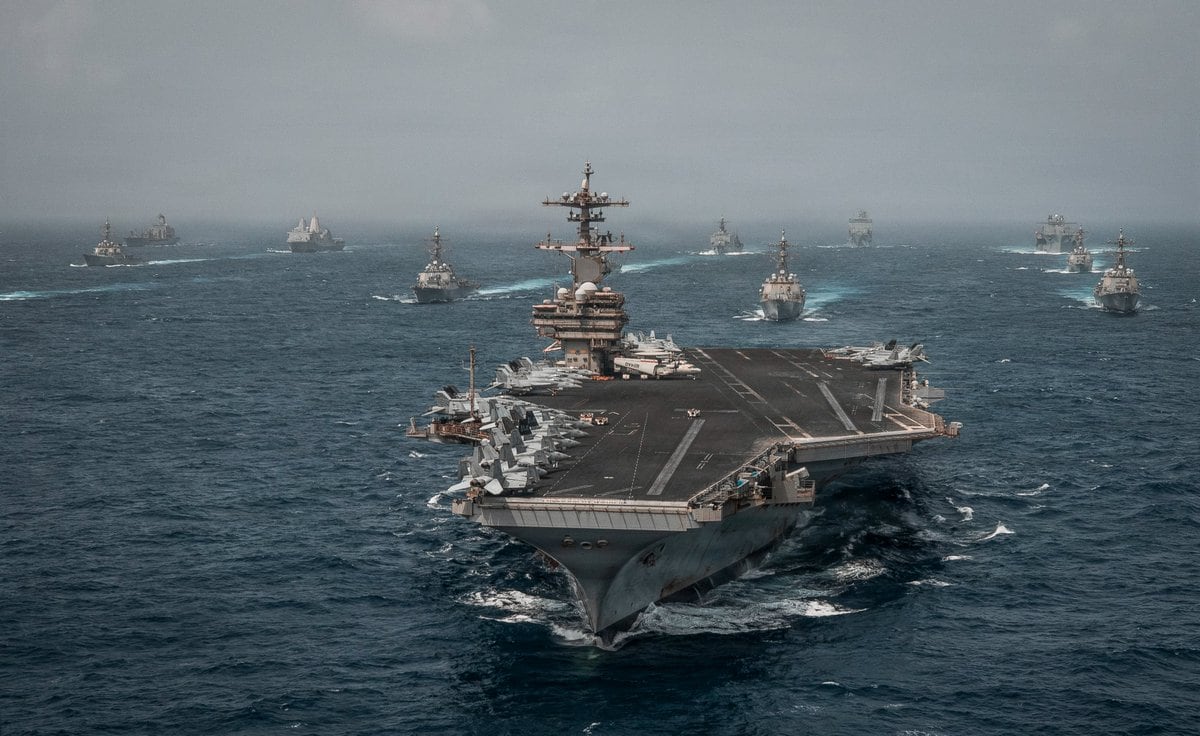
    Fotografía difundida por el Comando Central del Ejército de Estados Unidos (Centcom) de buques de guerra de la Armada de EE.UU. desplegados en Medio Oriente, tras anunciar que reimpusieron este martes el bloqueo naval a Irán en el estrecho de Ormuz. EFE/ Centcom

    In parallel with Tuesday’s sanctions, President Donald Trump reactivated a naval blockade on vessels traveling to or from Iranian ports or coastal areas. The U.S. Central Command (CENTCOM) confirmed the measure took effect at 4:00 p.m. New York time that day.

    The reinstatement follows the failure of talks conducted under a provisional peace agreement signed on June 17 by Trump and Iranian President Masoud Pezeshkian. Tensions over control of the Strait of Hormuz—a critical route for global energy flows—led to renewed attacks and the suspension of the dialogue.

    This week’s sanctions mark a sharp reversal from the initial plan to reintegrate Iran into the global economy through licenses conditioned on compliance in various areas. After the memorandum was signed, Bessent had indicated that Iran would begin invoicing its oil sales in U.S. dollars.

    On July 8, Washington revoked the waiver that had allowed new sales of Iranian crude following a series of attacks on vessels in the Strait of Hormuz attributed to Tehran. Two days later, on July 10, it imposed additional sanctions on the financing network of Supreme Leader Mojtaba Jamenei.

    Wednesday’s measures add to earlier actions: in May, sanctions targeted individuals and companies in China and Hong Kong accused of supporting Iran’s weapons sector, and in June, sanctions were imposed on 11 people and entities for assisting the IRGC and Iranian military forces in obtaining armaments.

    (Based on reporting from Reuters and Bloomberg)

    (more…)

  • US sanctions network accused of supplying arms to Iran

    US sanctions network accused of supplying arms to Iran

    A satellite image shows an area at the port of Chabahar, Iran, July 9, 2026, after the U.S. military said on Wednesday (July 8) it launched fresh strikes on Iran to keep the Strait of Hormuz open to shipping. 2026 PLANET LABS PBC/Handout via REUTERS THIS IMAGE HAS BEEN SUPPLIED BY A THIRD PARTY. MANDATORY CREDIT.

    The U.S. Department of the Treasury on Wednesday imposed sanctions on an international network of Iranian and Russian nationals, as well as on entities based in Iran, Russia and Nigeria, accused of helping Tehran acquire weaponry. The move adds to sustained economic and military pressure that Washington has stepped up in recent weeks following the collapse of negotiations with Iran.

    According to the Treasury, Wednesday’s targets “illustrate how Iran uses foreign aviation and transport companies, financial conduits and travel coordinators to conceal the Islamic Revolutionary Guard Corps’ (IRGC) role in the illicit procurement of material and the global movement of personnel.”

    Wednesday’s actions are part of a series of consecutive economic strikes. On Tuesday, the Treasury announced penalties against the shipping network of Hossein Shamkhani, described as the Iranian leader of a business network that, according to Washington, manages strategic oil and arms operations for Tehran and Moscow. That same day more than 50 entities were sanctioned, including shipping companies, vessels, digital wallets and individuals linked to Shamkhani.

    Treasury Secretary Scott Bessent also reported the freezing of more than USD 130 million in digital asset wallets allegedly tied to the Central Bank of Iran. “The Treasury is dismantling the financial infrastructure that allows the regime to continue threatening the national security of the United States and global navigation,” he said.

    Fotografía difundida por el Comando Central del Ejército de Estados Unidos (Centcom) de buques de guerra de la Armada de EE.UU. desplegados en Medio Oriente, tras anunciar que reimpusieron este martes el bloqueo naval a Irán en el estrecho de Ormuz. EFE/ Centcom

    Alongside Tuesday’s sanctions, President Donald Trump reactivated a naval blockade on vessels transiting to or from Iranian ports or coastal areas. U.S. Central Command (CENTCOM) confirmed the measure took effect at 4:00 p.m. New York time that day.

    The resumption of the blockade follows the failure of talks launched under a provisional peace agreement signed on June 17 by Trump and Iranian President Masoud Pezeshkian. Tensions over control of the Strait of Hormuz, a vital route for global energy flows, led to renewed attacks and the suspension of negotiations.

    This week’s sanctions mark an abrupt turn from the initial plan to reintegrate Iran into the global economy through licenses conditioned on compliance in various areas. After the memorandum of understanding was signed, Bessent had indicated that Iran would begin invoicing its oil sales in U.S. dollars.

    On July 8, Washington revoked the waiver that had permitted new sales of Iranian crude, following a series of attacks on vessels in the Strait of Hormuz attributed to Tehran. Two days later, on July 10, it imposed additional sanctions on the financing network of Supreme Leader Mojtaba Jamenei.

    Wednesday’s measures add to earlier actions in May against individuals and companies in China and Hong Kong accused of supporting Iran’s weapons sector, and to June sanctions targeting 11 people and entities for assisting the IRGC and Iran’s military forces in obtaining armaments.

    (With information from Reuters and Bloomberg)

    (more…)

  • US sanctions network accused of supplying weapons to Iran

    US sanctions network accused of supplying weapons to Iran

    A satellite image shows an area at the port of Chabahar, Iran, July 9, 2026, after the U.S. military said on Wednesday (July 8) it launched fresh strikes on Iran to keep the Strait of Hormuz open to shipping. 2026 PLANET LABS PBC/Handout via REUTERS THIS IMAGE HAS BEEN SUPPLIED BY A THIRD PARTY. MANDATORY CREDIT.

    El Departamento del Tesoro de Estados Unidos anunció este miércoles sanciones contra una red internacional compuesta por nacionales iraníes y rusos y por entidades con sede en Irán, Rusia y Nigeria, a las que acusa de facilitar la adquisición de armamento por parte de Teherán. La medida se suma a una escalada de presión económica y militar que Washington ha intensificado tras el colapso de las negociaciones con Irán.

    Según el Tesoro, los objetivos sancionados “ejemplifican el uso que hace Irán de empresas extranjeras de aviación y transporte, conductos financieros y coordinadores de viajes para ocultar el papel del Cuerpo de la Guardia Revolucionaria Islámica (IRGC) en la adquisición ilícita de material y en el movimiento de personal a escala global”.

    Las medidas de este miércoles forman parte de una serie de acciones económicas encadenadas. El martes, el Tesoro anunció sanciones contra la red naviera vinculada a Hossein Shamkhani, señalado por Washington como el dirigente iraní de un entramado empresarial que, según el gobierno estadounidense, gestiona operaciones estratégicas de petróleo y armamento para Teherán y Moscú. Ese mismo día se sancionaron más de 50 entidades, entre ellas empresas navieras, buques, carteras digitales e individuos relacionados con Shamkhani.

    El secretario del Tesoro, Scott Bessent, informó además del bloqueo de más de 130 millones de dólares en carteras de activos digitales presuntamente vinculadas al Banco Central de Irán. “El Tesoro está desmantelando la infraestructura financiera que permite al régimen continuar con sus amenazas a la seguridad nacional de Estados Unidos y a la navegación global”, declaró.

    Fotografía difundida por el Comando Central del Ejército de Estados Unidos (Centcom) de buques de guerra de la Armada de EE.UU. desplegados en Medio Oriente, tras anunciar que reimpusieron este martes el bloqueo naval a Irán en el estrecho de Ormuz. EFE/ Centcom

    En paralelo a las sanciones, el presidente Donald Trump reactivó el bloqueo naval sobre buques que transiten hacia o desde puertos o zonas costeras iraníes. El Comando Central de Estados Unidos (CENTCOM) confirmó que la medida entró en vigor a las 16:00, hora de Nueva York, del día en que se anunció.

    La reanudación del bloqueo ocurre tras el fracaso de las negociaciones iniciadas bajo un acuerdo provisional firmado el 17 de junio entre Trump y el presidente iraní Masoud Pezeshkian. Las tensiones por el control del estrecho de Ormuz —una vía esencial para el transporte energético mundial— derivaron en ataques renovados y en la suspensión de los diálogos.

    Las sanciones de esta semana suponen un cambio brusco respecto al plan inicial de reintegrar a Irán en la economía global mediante licencias condicionadas al cumplimiento de diversas obligaciones. Tras la firma del memorando de entendimiento, Bessent había señalado que Irán comenzaría a facturar sus ventas de petróleo en dólares estadounidenses.

    El 8 de julio, Estados Unidos revocó la dispensa que permitía nuevas ventas de crudo iraní, después de una serie de ataques a embarcaciones en el estrecho de Ormuz atribuidos a Teherán. Dos días después, el 10 de julio, se impusieron sanciones adicionales contra la red de financiación vinculada al líder supremo Mojtaba Jamenei.

    Las medidas de este miércoles se suman a decisiones tomadas en mayo contra personas y empresas en China y Hong Kong acusadas de apoyar el sector armamentístico iraní, y a sanciones de junio contra 11 individuos y entidades por colaborar con el IRGC y otras fuerzas militares iraníes en la obtención de armamento.

    (Con información de Reuters y Bloomberg)

    (more…)

  • EU extends Russian oil price cap amid sanctions talks

    EU extends Russian oil price cap amid sanctions talks

    El precio del petróleo ruso seguirá limitado a 44,10 dólares por barril hasta el 23 de julio (Europa Press)

    La Unión Europea decidió mantener el tope al precio del petróleo ruso en 44,10 dólares por barril hasta el 23 de julio mientras negocia un nuevo paquete de sanciones contra Moscú. Los representantes de los 27 Estados miembros alcanzaron ese acuerdo en una reunión en Bruselas para evitar un incremento automático del precio y ganar tiempo para consensuar las nuevas medidas.

    La prórroga se aprobó pocas horas antes del vencimiento del plazo que, de no haberse ampliado, habría permitido elevar el límite y acercar el precio del crudo ruso al valor de mercado.

    El mecanismo del tope, implantado a principios de año, debía revisarse a los seis meses, pero las conversaciones sobre el vigésimo primer paquete de sanciones motivaron una extensión temporal.

    Los embajadores de la UE acordaron mantener el nivel vigente del precio tope mientras prosiguen las conversaciones sobre los aspectos técnicos y económicos del nuevo paquete. Fijaron el 23 de julio como fecha límite para lograr un acuerdo definitivo.

    Entre los puntos en discusión están la inclusión de nuevas personas y entidades en listas negras, mayores restricciones comerciales y la posible ampliación de las prohibiciones de visado para ciudadanos rusos vinculados con el conflicto en Ucrania.

    La Unión Europea extendió el límite al precio del petróleo ruso tras una reunión en Bruselas (Reuters)

    La Comisión Europea recordó que la Coalición del Tope de Precios del Petróleo, impulsada por los países del G7, creó este mecanismo para reducir los ingresos de Rusia sin provocar inestabilidad en los mercados energéticos. La normativa de la UE prohíbe a operadores y aseguradoras del bloque ofrecer servicios vinculados al crudo ruso que se comercialice por encima del tope fijado, con el objetivo de presionar financieramente a Moscú y, al mismo tiempo, proteger el suministro internacional.

    El mecanismo contempla que, si no hay acuerdo, el precio del crudo ruso se situaría automáticamente un 15% por debajo del precio de mercado. Con las cotizaciones actuales, esa fórmula permitiría a Rusia vender a un precio superior al tope vigente, aumentar sus ingresos y reducir la eficacia de las sanciones de la UE y sus aliados.

    Por ese motivo, el bloque consideró prioritario impedir que el límite se ajustara al alza, especialmente en un contexto de subidas de los precios internacionales del petróleo tras el estallido de la guerra en Oriente Medio.

    En la misma cumbre, la Unión Europea y la India acordaron iniciar negociaciones para que Nueva Delhi se incorpore a Horizonte Europa, el principal programa europeo de investigación e innovación. También anunciaron la creación de un centro conjunto de innovación en vehículos eléctricos y una asociación para startups de tecnologías limpias durante la tercera reunión de su Consejo de Comercio y Tecnología en Bruselas.

    En ese encuentro, ambas partes repasaron además los avances en la ratificación del tratado de libre comercio acordado en enero.

    (Con información de AFP y Europa Press)

    (more…)

  • Live: Kuwait intercepts Iranian drones as Bahrain activates air alerts

    Live: Kuwait intercepts Iranian drones as Bahrain activates air alerts

    The United States launched a new wave of strikes against Iran overnight on Wednesday, the U.S. Central Command (CENTCOM) said, describing the targets as “Iranian military capabilities used to threaten ships transiting freely through the Strait of Hormuz.” Iranian state media reported explosions in the port cities of Bandar Abbas and Chabahar, and in Ahvaz near the Iraqi border.

    The overnight strikes followed an earlier wave carried out during the day on Wednesday, making July 15 one of the most intense days of the conflict since the United States and Israel began military operations on February 28.

    Iran’s chief negotiator, Mohammad Bagher Ghalibaf, the parliament speaker, warned in a Telegram statement that if Iran does not gain benefits from the memorandum of understanding signed with the United States, “we have no reason to adhere to that understanding.” Ghalibaf said Iran “has never welcomed war, nor does it now,” while urging Iranians to continue armed resistance and also to use “diplomacy and negotiation tools simultaneously to secure and consolidate national interests.”

    Below is minute-by-minute coverage:

    Kuwait intercepts Iranian drones and Bahrain activates air-raid sirens

    Kuwait said on Thursday it was intercepting drones launched by Iran, while air-raid sirens sounded in Bahrain, following another night of U.S. strikes against the Islamic Republic.

    In a post on X, the Kuwaiti military said it was “responding to hostile drone attacks after the infamous Iranian aggression.”

    Bahrain’s Interior Ministry urged citizens and residents to “remain calm and proceed to the nearest safe location” after the sirens were activated.

    /america/mundo/2026/07/16/israel-abatio-a-tres-terroristas-de-hezbollah-en-el-sur-de-libano/

    /america/mundo/2026/07/16/kuwait-intercepto-mas-de-20-drones-y-misiles-atribuidos-al-regimen-de-iran-en-plena-escalada-militar-en-el-golfo/

    /estados-unidos/2026/07/15/en-medio-del-intercambio-de-ataques-trump-dijo-que-iran-libero-a-una-ciudadana-estadounidense-detenida-desde-2024-agradecemos-este-gesto/

    /america/mundo/2026/07/15/tras-la-advertencia-de-donald-trump-el-presidente-del-parlamento-irani-defendio-negociar-con-estados-unidos-y-prepararse-para-la-guerra/

    /america/mundo/2026/07/15/estados-unidos-disparo-contra-un-buque-cisterna-que-se-dirigia-a-iran-en-medio-del-bloqueo-naval/

    UAE condemns Iranian attacks

    The United Arab Emirates strongly condemned Iranian attacks against Bahrain, Kuwait and Jordan. Its Foreign Ministry described the strikes as “a blatant violation of the sovereignty of sister nations and a threat to their security and stability.”

    /america/mundo/2026/07/15/estados-unidos-lanzo-una-nueva-ola-de-ataques-contra-iran-apunto-conta-objetivos-de-teheran-en-el-estrecho-de-ormuz/

    Kuwait says it intercepted 21 drones and four cruise missiles from Iran

    Kuwait’s Ministry of Defense reported intercepting at least four cruise missiles and 21 drones originating from Iran on Wednesday.

    “The Iranian aggression targeted several vital facilities, causing material damage,” a ministry spokesperson said. No casualties were reported.

    IDF says it killed three Hezbollah operatives

    Israel’s military reported on Wednesday that it had killed three armed Hezbollah operatives in the security zone in southern Lebanon.

    The IDF said its forces identified the three individuals in the Beit Yahoun area carrying combat equipment and that they were killed to neutralize the threat they posed to nearby Israeli troops.

    Explosions near U.S. consulate in Iraq

    Journalists from AFP reported multiple explosions on Wednesday near the U.S. consulate in Erbil, in Iraqi Kurdistan.

    Air defenses were activated near the consulate, which has been targeted by drone and projectile attacks during the Middle East conflict.

    IMF warns oil supply may take months to normalize after reopening of Hormuz

    The International Monetary Fund warned that global oil flows could take two to three months to return to relative normality once the Strait of Hormuz is reopened to shipping, and expressed concern about potential permanent losses in crude supply.

    “Industry estimates suggest it will take two to three months before a significant portion of oil flows can resume after the full reopening of the strait. A longer-term concern is that prolonged production disruptions could cause permanent output losses, especially where financing needed to restart wells is scarce,” the IMF said in a recent blog post.

    The IMF added that the provisional peace agreement between the United States and Iran had previously pushed oil prices down as large quantities of crude loaded on waiting vessels were released, but that the recent escalation is again pressuring supply.

    Airlines resume some Middle East flights, but disruptions continue

    More airlines are restoring flights to parts of the Middle East, although some routes remain suspended.

    SunExpress, a joint venture between Turkish Airlines and Lufthansa, plans to resume its Antalya–Dubai route on July 15.

    U.S. carrier Delta plans to restart New York–Tel Aviv flights on September 6; the planned Boston–Tel Aviv launch, originally scheduled for late October, has been postponed until further notice.

    British Airways, owned by IAG, delayed resuming flights to Doha until August 1 and to Riyadh until August 8.

    /america/mundo/2026/07/15/estados-unidos-desvio-dos-buques-comerciales-que-intentaron-burlar-el-bloqueo-a-los-puertos-iranies/

    Iran says it is focused on defense and not on negotiations

    The semi-official Iranian agency Tasnim quoted Foreign Ministry spokesman Esmaeil Baghaei as saying Iran’s armed forces have shown that any aggression will be met with reciprocal response.

    “We have no plans to negotiate at the moment and are focused on defense,” the official added.

    Baghaei said the temporary ceasefire agreed last month represents mutual obligations and that while the United States continues to breach its commitments, Iran will refrain from fulfilling its own.

    U.S. denies hitting a civilian wheat silo in Iran

    The U.S. military denied on Wednesday reports that its forces struck a civilian wheat silo in Iran. “On July 14, U.S. forces struck Iranian military targets in Bandar Abbas, Khormuj, Ahvaz, Qeshm, Tunb, Bushehr and Kuh-e Stak to degrade Iran’s ability to attack commercial traffic in the Strait of Hormuz,” CENTCOM said in a post on X.

    Earlier, Iranian state broadcaster IRIB reported that a wheat storage silo in the southwestern city of Hoveyzeh was hit by U.S. projectiles in the early hours of Wednesday.

    Lebanon and Israel agree on structure for “pilot zones” in southern Lebanon after talks in Rome

    Lebanon and Israel concluded a new round of U.S.-mediated talks in Rome on Wednesday, agreeing to implement the “pilot zones” in southern Lebanon outlined in a recent framework, a U.S. official said.

    “The talks concluded after two days of productive and positive discussions,” the official said, adding that participants agreed on the structure and guidelines for the pilot zone process, which will be finalized and implemented in the coming days.

    The negotiations, mediated by the United States, took place in Rome following a framework agreement reached last month after five rounds of discussions in Washington, with Lebanese negotiators seeking progress toward an Israeli withdrawal from southern Lebanon. The pact aims to end the war, disarm Hezbollah, deploy Lebanese troops in the south and achieve a gradual Israeli pullback beginning with two pilot zones. Lebanon and Israel, which do not have formal diplomatic relations, opened negotiations after the Iran-backed Lebanese group dragged the region into war by attacking Israel in March.

    More information at this link.

    Wall Street rises after better-than-expected U.S. inflation data

    U.S. stocks rose on Wednesday morning after a producer price index came in lower than expected, easing concerns about potential Fed rate increases. The producer price index fell 0.3% month-on-month in June, the first contraction since August 2025, reflecting lower energy prices over the period.

    However, oil has resumed its upward trend in recent days due to rising tensions between the United States and Iran, which have undermined the existing truce. About 15 minutes after the open, the Dow Jones was up 0.1% at 52,550.46, the S&P 500 rose 0.4% to 7,573.84, and the Nasdaq Composite gained 0.5% to 26,237.93.

    The producer price index release came a day after the consumer price index also showed lower-than-expected inflation.

    /america/mundo/2026/07/15/las-fdi-confirmaron-la-muerte-de-dos-comandantes-nukhba-en-un-bombardeo-contra-terroristas-de-hamas-en-gaza/

    CENTCOM releases video of its latest strike on Iran

    U.S. Central Command published a video showing its most recent round of strikes against Iran.

    The command said the strikes targeted coastal defense systems and storage and launch sites for cruise missiles on Greater Tunb Island.

    U.S. says it has redirected two vessels since resuming the blockade

    As previously reported, the United States resumed its naval blockade on Iranian ports at 16:00 Washington time (2000 GMT) on Tuesday.

    CENTCOM posted on X that it has redirected two commercial vessels since the blockade was restarted.

    Since restarting the naval blockade against Iranian ports 17 hours ago, U.S. forces have redirected 2 commercial vessels attempting to run the blockade. The U.S. military remains vigilant and prepared to ensure full compliance. pic.twitter.com/E00JAlmBua

    — U.S. Central Command (@CENTCOM) July 15, 2026

    Iran’s foreign minister attended the funeral of Qatar’s former emir in Doha

    Iran’s foreign minister, Abbas Araqchi, traveled to Doha to attend the funeral of Qatar’s former emir, Sheikh Hamad bin Khalifa Al-Thani, the Iranian news agency ISNA reported.

    The visit came after Iran repeatedly struck what it described as U.S. targets in the region—the most recent strike took place on the same Sunday the former emir’s death was announced.

    Qatar has acted as a mediator between Washington and Tehran during the conflict.

    Indian seafarers have suffered the most casualties in the Gulf maritime crisis

    At least 13 Indian nationals have been killed and three remain missing in attacks on commercial vessels in the Gulf since the conflict began in February, Indian government sources cited by EFE said. This is the highest toll recorded for any single nationality so far. The latest case was confirmed on Tuesday by India’s Ministry of External Affairs, which reported one seafarer’s death and ten injuries after attacks on the tankers MT Al Bahiyah and MT Mombasa while transiting the Strait of Hormuz. The UAE attributed that attack to Iranian cruise missiles.

    The two vessels together carried 30 Indian seafarers among a total crew of 46. Although sailors from the Philippines, Thailand and Indonesia have also been among the casualties, no other nationality has suffered as many deaths as India. India is the world’s second-largest supplier of certified seafarers, with about 300,000 active workers, according to the Seafarer Workforce Report 2026.

    The series of casualties—including three Indian crew killed in a U.S. attack on the tanker MT Settebello in June and one seafarer missing after the attack on the GFS Galaxy—prompted the Indian government to launch a special operation to locate and assist every Indian seafarer navigating the Persian Gulf, the Strait of Hormuz and the Gulf of Oman.

    /america/mundo/2026/07/15/el-regimen-de-iran-elevo-a-12-anos-la-condena-a-del-britanico-craig-foreman-acusado-de-espionaje/

    Drone strikes Iraqi Grand Faw port during prime minister’s U.S. visit

    An unknown-source drone struck the Iraqi Grand Faw port on Wednesday, causing no casualties or material damage according to Iraqi officials, while Prime Minister Ali al-Zaidi was visiting the United States to negotiate an economic and investment partnership with Washington.

    Iraq’s General Company of Ports said the device crashed in an open area of the port’s container yard at the country’s southern tip without affecting workers, equipment or facilities, and operations continued as normal. Iraqi security authorities have opened an investigation to determine the circumstances, though the statement did not specify whether the drone was launched from Iraqi territory—where Iran-aligned militias operate—or from Iran amid reciprocal attacks in the Persian Gulf.

    This is the first such incident at Grand Faw since the war began in late February. The deep-water port, designed to handle large merchant vessels with a draft of over 19 meters, is central to Iraq’s strategy to diversify its economy and become a regional logistics hub. The attack coincided with al-Zaidi’s first visit to Washington, where he seeks support to stabilize Iraq, disarm Shia militias and attract U.S. investment.

    U.S. completes new wave of strikes on Greater Tunb Island

    The U.S. military said on Wednesday it completed its latest wave of strikes against Iranian targets that “further degraded Iran’s ability to attack commercial traffic in the Strait of Hormuz.”

    CENTCOM said on X it “fired precision munitions against coastal defense systems and storage and launch sites for cruise missiles on Greater Tunb Island during a 90‐minute wave.”

    /america/mundo/2026/07/15/iran-volvio-a-atacar-objetivos-militares-de-estados-unidos-en-kuwait-y-barein-pero-casi-todos-sus-misiles-fueron-interceptados/

    European stocks fall as oil prices rise

    European markets fell on Wednesday despite a rise in oil, with investors focused on the Middle East conflict. By midday, the FTSE 100 was down 0.2%, the CAC 40 fell 0.2%, and the DAX dropped 0.8%, while Brent rose 1.1% to $85.63 per barrel after new U.S. strikes on Iran and the reimposition of a U.S. naval blockade on Iranian ports.

    In Asia, tech stocks led a strong rebound: Seoul closed up 6.2%—after an intraday gain of up to 7%—driven by an 8.8% jump in SK hynix, and there were gains in Tokyo, Hong Kong and other markets, although Shanghai fell 0.3% after China reported weaker-than-expected economic growth.

    Strong quarterly earnings from major banks and a change in U.S. tariff policy on ships in the Strait of Hormuz also supported Asian optimism, though IBM plunged more than 25% after disappointing results.

    U.S. military says it resumed daytime strikes on Iran as part of escalation

    The U.S. military said a new wave of strikes against Iran began at 10:00 GMT on Wednesday.

    “The strikes are intended to further degrade the military capabilities Iranian forces have used to attack commercial shipping in the Strait of Hormuz,” U.S. Central Command said in a post on X.

    At 6 a.m. ET today, U.S. Central Command forces began launching a wave of strikes against Iran. The strikes are designed to further degrade military capabilities Iranian forces have used to attack commercial shipping in the Strait of Hormuz.

    — U.S. Central Command (@CENTCOM) July 15, 2026

    The full report is available at this link.

    Iran executes man arrested during January protests

    Iran’s authorities executed a man on Wednesday who was accused of setting fire to government and police facilities during January protests in Isfahan province, Mizan News—linked to the judiciary—reported.

    The report named the executed man as Mohammad Amini Dehaghani, saying he was hanged after the Supreme Court upheld the sentence. Judicial authorities allege he threw Molotov cocktails at the governor’s office in Dehaghan and at the main police station on January 9, and incited others to attack officers.

    The official account cites surveillance footage and the accused’s confessions, and states that Amini Dehaghani attempted to use a rifle seized from police during the protests.

    Oil rises again amid escalating Middle East military tensions

    Bombas de extracción de petróleo en las afueras de Almetyevsk, en la república de Tartaristán, Rusia. 14 de julio de 2025 (REUTERS/Stringer)

    U.S. benchmark crude (WTI) rose by $0.86 to trade at $80.20 per barrel, while Brent, the international benchmark, rose $1.15 to $85.88 per barrel.

    On Tuesday, oil closed up 2% at a one-month high, driven by strikes that aggravated supply concerns in the Strait of Hormuz.

    “Brent and WTI have adjusted upward in line with the escalation of attacks, but the scope of the move is likely to moderate now as the market waits for any posture change from the U.S. and Iran,” said June Goh, senior oil market analyst at Sparta Commodities, in remarks to Reuters.

    /america/mundo/2026/07/15/iran-amenazo-con-cerrar-los-corredores-de-exportacion-que-benefician-a-eeuu-y-sus-aliados-tras-el-bloqueo-de-washington-en-ormuz/

    U.S. strikes in southeast Iran kill seven military personnel

    EEUU abatió a siete militares en ataques en el sudeste de Irán (Europa Press)

    Iran’s army said it would respond to an attack on the Bambour barracks in Iranshahr, condemning it as “a cowardly aggression” and promising a decisive response at an appropriate time, the Tasnim news agency reported.

    The military stated that 13 U.S. missiles struck facilities at the Bambour barracks, killing seven members of Brigade 388 and wounding several others. It said passive defense measures limited casualties.

    The statement also alleged that the U.S. strikes aimed to inflict the maximum possible casualties by targeting a guesthouse, guard posts and accommodation areas on the base.

    Missing Indian seafarer from attack off Oman confirmed dead

    A missing Indian seafarer from the attack on the merchant vessel GFS Galaxy off the coast of Oman has been confirmed dead, his father-in-law told Reuters on Wednesday. Of the 11 Indian crew aboard, 10 were rescued, India’s Ministry of External Affairs reported on Sunday.

    Former Iranian foreign minister calls for ground assault on U.S. base and hostage-taking

    Former Iranian foreign minister Manouchehr Mottaki suggested a ground assault on a U.S. base in the Middle East to capture hostages and transfer them to Iran.

    “My proposal is to launch a ground attack on one of the U.S. bases in the region, capture 100 Americans and take them to Iran,” Mottaki, now a member of Iran’s parliament, said.

    U.S. Secretary of State Marco Rubio and Jordanian foreign minister discuss Iranian attacks on vessels

    U.S. Secretary of State Marco Rubio said he met with Jordanian Foreign Minister Ayman Safadi to discuss regional security issues, including “the ongoing Iranian attacks on vessels and countries in the region.”

    El secretario de Estado de EE. UU., Marco Rubio, estrecha la mano del ministro de Asuntos Exteriores jordano, Ayman Safadi, en el Departamento de Estado de EE. UU., en Washington, D. C., EE. UU., el 14 de julio de 2026 (REUTERS/Ken Cedeno)

    UN Security Council votes to extend monitoring of Houthi attacks in the Red Sea

    The U.N. Security Council approved a resolution extending U.N. monitoring of Houthi attacks in the Red Sea for six months.

    The measure was adopted with 13 votes in favor and abstentions from China and Russia, and requires the U.N. Secretary-General to submit monthly reports to the Council on the situation.

    The Yemeni Houthi rebel group began attacking vessels in the Red Sea in late 2023, saying it targeted ships linked to Israel in response to the conflict in Gaza.

    /america/mundo/2026/07/15/el-regimen-de-iran-lanzo-nuevos-ataques-contra-bases-militares-de-estados-unidos-en-jordania-bahrein-y-kuwait/

    Iran-linked vessels left the Strait of Hormuz before U.S. blockade

    On Tuesday there was a rise in the number of vessels transiting the Strait of Hormuz, most linked to Iranian trade, ahead of the U.S. blockade set to take effect on Wednesday, according to maritime transport data. Kpler records show nine of the eleven ships that crossed that day took the Iranian route.

    Among vessels entering the strait were three empty tankers—one Aframax and two larger vessels. Departures included a VLCC carrying 2 million barrels of crude, a medium tanker carrying refined products, and two vessels transporting liquefied petroleum gas.

    Commerce flows also included a tanker loaded with methanol and a bulk carrier carrying iron ore, both departing the Gulf on Tuesday.

    Jordanian army says it shot down three missiles launched by Iran

    Una captura de pantalla de un video de la televisión estatal iraní muestra un misil iraní volando en un lugar desconocido (REUTERS)

    Jordan’s military said its air defenses intercepted and shot down three ballistic missiles that entered Jordanian airspace from Iranian territory. In an official statement, authorities said Royal Engineers managed the missile debris across several locations, followed technical and safety protocols, and secured the affected areas to protect people and property.

    “The Jordanian Armed Forces reject any violation of the Kingdom’s sovereignty or the use of its airspace to threaten its security and stability,” the military said, adding that it maintains the highest level of aerial vigilance.

    /estados-unidos/2026/07/14/estados-unidos-lanzo-la-cuarta-ola-de-ataques-contra-iran-y-prepara-el-bloqueo-naval-sobre-sus-puertos-y-costas/

    Iran’s Revolutionary Guard attacked Gulf countries after CENTCOM operation

    Iran’s military announced new drone strikes against U.S. military installations in the Middle East in the early hours of Wednesday amid the latest escalation with Washington. Tasnim, the agency linked to the Islamic Revolutionary Guard Corps (IRGC), said the Al Azraq airbase in Jordan—hosting F-18s, housing and U.S. equipment depots—was struck by drones.

    The IRGC defended the operation, called “Lightning,” saying “the era of slap-in-the-face strikes is over” and that any action against Iranian soil, waters or skies will receive a proportional response.

    The Revolutionary Guard also reported naval and aerospace strikes against a U.S. warehouse at the Sheik Isa base in Bahrain and against U.S. drones at Ali al Salem base in Kuwait. The statement said that in a coordinated missile and drone operation, naval and aerospace forces destroyed several weapon and spare parts depots at Sheik Isa, Bahrain.

    The report added that they had also struck the ramp where enemy MQ-9 drones were deployed at Ali al Salem, Kuwait, destroying or damaging several of them.

    Iran: the Strait of Hormuz will remain closed until “U.S. evils end”

    Un barco en el estrecho de Ormuz (REUTERS/Stringer)

    The IRGC announced that the strategic waterway will remain closed until U.S. actions cease, the organization said on Tuesday. The military claimed the U.S. attacked Iranian bases “under the pretext of striking violators attempting to transit the strait” to mask its defeat and incapacity.

    The IRGC statement said “no ship dared to violate [the Iranian blockade] or to accompany the United States,” and therefore “there were naturally no impacts” during the operation.

    White House: “Divisions in Iran show the success of Trump’s policy”

    White House deputy chief of staff Stephen Miller said internal divisions among Iran’s leaders reflect the success of President Donald Trump’s policy toward Tehran. He made the remarks in an interview with Fox News.

    The U.S. official asserted Iran’s leadership now faces “huge fissures the size of cannon” after decades of unity and reiterated that the United States urges Iran to support a peace program and abandon its nuclear ambitions.

    Pezeshkian vows to defend “every inch” of Iran amid new escalation with the U.S.

    El presidente iraní, Masoud Pezeshkian (REUTERS)

    Iran’s president, Masoud Pezeshkian, said his country will defend “every inch” of its territory amid rising tensions with the United States, after U.S. President Donald Trump said he had eliminated much of Iran’s military capabilities. “We will defend every inch of our homeland with our actions,” Pezeshkian said in a state television interview.

    The president’s remarks came amid increasing hostility after U.S. strikes in southern Iran followed Iranian attacks on commercial vessels in the Strait of Hormuz. Iran has responded with missile and drone launches against U.S. targets in the region.

    “His rhetoric continues, but the question is: have they achieved their objectives on the battlefield?” Pezeshkian challenged, referring to Trump’s statements and U.S. military actions.

    /estados-unidos/2026/07/15/estados-unidos-amplio-las-sanciones-contra-el-sector-petrolero-de-iran-y-apunto-a-una-red-vinculada-al-regimen/
    (more…)

  • Middle East war live: explosions near US consulate in Iraq

    Middle East war live: explosions near US consulate in Iraq

    The United States launched a new wave of strikes against Iran overnight on Wednesday, the U.S. Central Command (CENTCOM) said, describing the targets as “Iranian military capabilities used to threaten vessels transiting freely through the Strait of Hormuz.” Iranian state media reported explosions in the port cities of Bandar Abbas and Chabahar, and in Ahvaz, near the border with Iraq.

    The overnight strikes came hours after an earlier series of attacks during the same day, making 15 July one of the most intense days of fighting since the United States and Israel began the war on 28 February.

    Iran’s chief negotiator, Mohammad Bagher Ghalibaf, the speaker of Parliament, warned in a Telegram statement that if Iran does not receive benefits from the memorandum of understanding signed with the United States, “we have no reason to adhere to that understanding.” Ghalibaf said Iran “has never welcomed war, nor does it welcome it now,” while calling on Iranians to maintain armed resistance and at the same time to use “the tools of diplomacy and negotiation to achieve and consolidate national interests.”

    Below is minute-by-minute coverage:

    /america/mundo/2026/07/16/israel-abatio-a-tres-terroristas-de-hezbollah-en-el-sur-de-libano/

    /america/mundo/2026/07/16/kuwait-intercepto-mas-de-20-drones-y-misiles-atribuidos-al-regimen-de-iran-en-plena-escalada-militar-en-el-golfo/

    /estados-unidos/2026/07/15/en-medio-del-intercambio-de-ataques-trump-dijo-que-iran-libero-a-una-ciudadana-estadounidense-detenida-desde-2024-agradecemos-este-gesto/

    /america/mundo/2026/07/15/tras-la-advertencia-de-donald-trump-el-presidente-del-parlamento-irani-defendio-negociar-con-estados-unidos-y-prepararse-para-la-guerra/

    /america/mundo/2026/07/15/estados-unidos-disparo-contra-un-buque-cisterna-que-se-dirigia-a-iran-en-medio-del-bloqueo-naval/

    The United Arab Emirates condemned Iran’s attacks

    The United Arab Emirates strongly condemned Iran’s attacks on Bahrain, Kuwait and Jordan. Its Ministry of Foreign Affairs described the strikes as “a blatant violation of the sovereignty of sister nations and a threat to their security and stability.”

    /america/mundo/2026/07/15/estados-unidos-lanzo-una-nueva-ola-de-ataques-contra-iran-apunto-conta-objetivos-de-teheran-en-el-estrecho-de-ormuz/

    Kuwait says it intercepted 21 drones and four cruise missiles today from Iran

    Kuwait’s Ministry of Defense reported that it intercepted at least four cruise missiles and 21 drones from Iran on Wednesday.

    “The Iranian aggression targeted several vital facilities, causing material damage,” a ministry spokesperson said. No injuries were reported.

    IDF says it killed three Hezbollah operatives

    The Israeli military reported on Wednesday that it killed three armed Hezbollah operatives in the security zone in southern Lebanon.

    According to the army, IDF troops identified the three operatives in the Beit Yahoun area, where they were carrying combat equipment. The IDF said they were killed to neutralize the threat they posed to nearby Israeli soldiers.

    Explosions near a U.S. consulate in Iraq

    Several explosions were heard on Wednesday near the U.S. consulate in Erbil, in the Iraqi Kurdistan region, AFP journalists reported.

    Air defenses were activated near the consulate, which has been targeted by drone and projectile attacks during the Middle East war.

    IMF warned oil supply could take months to normalize after Hormuz reopens

    The International Monetary Fund (IMF) warned that global oil flows could take two to three months to return to relative normality once the Strait of Hormuz is reopened to navigation, and expressed concern about potential permanent losses to crude supply.

    “Industry estimates indicate it will take two to three months before a significant portion of oil flows can resume after full reopening of the strait. A longer-term concern is that prolonged production disruptions could cause permanent production losses, especially where financing to restart wells is scarce,” the IMF said in its latest blog post.

    The IMF also said that the provisional peace agreement between the United States and Iran had pushed oil prices lower due to large volumes of crude loaded on ships waiting in the area, but that the recent escalation is again pressuring supply.

    Airlines resume some Middle East flights, but disruptions persist

    More airlines are restoring some services to parts of the Middle East, though some suspensions remain in place.

    SunExpress, the Turkish Airlines–Lufthansa joint venture, plans to resume its Antalya–Dubai route on 15 July.

    U.S. carrier Delta plans to resume New York–Tel Aviv flights on 6 September, while the launch of its Boston–Tel Aviv route, scheduled for late October, has been postponed until further notice.

    British Airways, owned by IAG, delayed restarting flights to Doha until 1 August and to Riyadh until 8 August.

    /america/mundo/2026/07/15/estados-unidos-desvio-dos-buques-comerciales-que-intentaron-burlar-el-bloqueo-a-los-puertos-iranies/

    Iran says it is focused on defense, not negotiations

    The semi-official Tasnim agency published comments from Foreign Ministry spokesperson Esmaeil Baghaei, who said the country’s armed forces have shown that any aggression will be met with reciprocal response.

    “We have no plans to negotiate at the moment and we are focused on defense,” the official added.

    Baghaei said the temporary ceasefire agreed last month represents a set of mutual obligations and that, as long as the United States continues to violate its commitments under that accord, Iran will refrain from fulfilling its own.

    U.S. denies striking a civilian grain silo in Iran

    The U.S. military rejected reports on Wednesday that its forces had attacked a civilian wheat silo in Iran. “On 14 July, U.S. forces struck Iranian military targets in Bandar Abbas, Khormuj, Ahvaz, Qeshm, Tunb, Bushehr and Kuh-e Stak to degrade Iran’s ability to attack commercial traffic in the Strait of Hormuz,” it said in a post on X.

    Earlier, Iran’s state broadcaster IRIB reported that a wheat storage silo in the southwestern city of Hoveyzeh was hit by U.S. projectiles in the early hours of Wednesday.

    Lebanon and Israel agree on structure for “pilot zones” in southern Lebanon after talks in Rome

    Lebanon and Israel completed a new round of U.S.-mediated talks in Rome on Wednesday and agreed to implement the “pilot zones” in southern Lebanon outlined in a recent framework, a U.S. official said.

    “The talks concluded after two days of productive and positive discussions,” the official said, adding that participants agreed on the structure and guidelines for the pilot zones process, which will be finalized and implemented in the coming days.

    The U.S.-mediated negotiations in Rome followed a framework agreement reached last month after five rounds of talks in Washington, with Lebanese negotiators seeking progress toward an Israeli withdrawal from southern Lebanon. The pact aims to end the war in Lebanon, disarm Hezbollah, deploy Lebanese troops in the south, and implement a phased Israeli withdrawal, starting with two pilot zones. Lebanon and Israel, which do not have formal relations, began negotiations after the Iran-backed Lebanese group drew the country into the regional war by attacking Israel in March.

    More information at this link.

    Wall Street posts gains after better-than-expected U.S. inflation data

    U.S. stocks rose on Wednesday morning after a producer price reading came in lower than expected, easing concerns about possible Federal Reserve rate hikes. The producer price index fell 0.3% month-on-month in June, the first decline since August 2025, reflecting lower energy prices over the period.

    However, oil has resumed its recent climb amid rising tensions between the United States and Iran, which has undermined the ceasefire. About 15 minutes after the market opened, the Dow Jones was up 0.1% at 52,550.46, the S&P 500 rose 0.4% to 7,573.84 and the Nasdaq Composite gained 0.5% to 26,237.93.

    The producer price index release came a day after the consumer price index for Tuesday also showed lower-than-expected inflation.

    /america/mundo/2026/07/15/las-fdi-confirmaron-la-muerte-de-dos-comandantes-nukhba-en-un-bombardeo-contra-terroristas-de-hamas-en-gaza/

    U.S. video shows its latest strike on Iran

    U.S. Central Command posted video footage of its most recent round of strikes against Iran.

    The command said the strikes, previously reported by news outlets, targeted coastal defense systems and storage and launch sites for cruise missiles on Greater Tunb Island.

    U.S. says it has redirected two vessels since resuming the blockade

    As reported earlier, the United States resumed its naval blockade of Iranian ports at 16:00 Washington time (2000 GMT) on Tuesday.

    CENTCOM posted on X that it has redirected two commercial vessels since then.

    Since restarting the naval blockade against Iranian ports 17 hours ago, U.S. forces have redirected 2 commercial vessels attempting to run the blockade. The U.S. military remains vigilant and prepared to ensure full compliance. pic.twitter.com/E00JAlmBua

    — U.S. Central Command (@CENTCOM) July 15, 2026

    Iran’s foreign minister attended the funeral of the former Emir of Qatar in Doha

    Iran’s foreign minister, Abbas Araqchi, traveled to Doha to attend the funeral of Qatar’s former emir, Sheikh Hamad bin Khalifa Al-Thani, ISNA reported.

    The minister’s visit to Qatar comes after Iran repeatedly struck what it said were U.S. targets in that country — most recently on Sunday, the day the former emir’s death was announced.

    Qatar has acted as a mediator between Washington and Tehran during the war.

    Indian seafarers account for the largest number of casualties in the Gulf maritime crisis

    At least 13 Indian nationals have been killed and three remain missing in attacks on commercial vessels in the Gulf since the war began in February, government sources told EFE, the highest number among identified nationalities so far. The latest case, confirmed Tuesday by India’s Ministry of External Affairs, reported the death of one seafarer and 10 injured after an attack on the tankers MT Al Bahiyah and MT Mombasa in the Strait of Hormuz, an attack the UAE attributed to Iranian cruise missiles.

    The two vessels carried 30 Indian seafarers among a total crew of 46. While there have also been Filipino, Thai and Indonesian casualties among attacked crews, no other nationality has matched the Indian toll. India is the world’s second-largest supplier of certified seafarers, with about 300,000 active workers, according to the Seafarer Workforce Report 2026.

    The spate of casualties — including the deaths of three Indian crew in a U.S. strike on the tanker MT Settebello in June and the disappearance of a seafarer after the attack on the GFS Galaxy — prompted the Indian government to launch a special operation to locate and assist every Indian seafarer navigating the Persian Gulf, the Strait of Hormuz and the Gulf of Oman.

    /america/mundo/2026/07/15/el-regimen-de-iran-elevo-a-12-anos-la-condena-a-del-britanico-craig-foreman-acusado-de-espionaje/

    A drone hit the Iraqi port of Grand Faw during the prime minister’s U.S. visit

    An unmanned aerial vehicle of unknown origin struck the Grand Faw port on Wednesday without causing casualties or material damage, Iraqi officials said, while Iraq’s prime minister Ali al-Zaidi was visiting the United States to negotiate an economic and investment partnership with Washington.

    The Iraqi General Company of Ports said the device crashed in an open area of the port’s container yard at the country’s southern tip, without affecting workers, equipment or facilities, and that operations continue normally. Iraqi security authorities launched an investigation to determine the circumstances, though the statement did not specify whether the drone was launched from Iraqi territory — where Iran-aligned militias operate — or from Iran, in the context of reciprocal strikes between the United States and Iran in the Persian Gulf.

    This is the first incident of its kind against Grand Faw since the war began in late February. The deep-water port, able to receive large commercial ships thanks to a draft of more than 19 meters, is central to Iraq’s strategy to diversify its economy and become a regional logistics hub. The strike coincides with Al-Zaidi’s first visit to Washington, where he is seeking support to stabilize Iraq, disarm Shia militias and attract U.S. investment.

    U.S. completed a new wave of strikes on Greater Tunb Island

    The U.S. military said on Wednesday it completed its latest round of strikes against Iranian targets, “further degrading Iran’s ability to attack commercial traffic in the Strait of Hormuz.”

    CENTCOM said on X that it “employed precision munitions against coastal defense systems and storage and launch sites for cruise missiles on Greater Tunb Island during a 90-minute strike wave.”

    /america/mundo/2026/07/15/iran-volvio-a-atacar-objetivos-militares-de-estados-unidos-en-kuwait-y-barein-pero-casi-todos-sus-misiles-fueron-interceptados/

    European stocks fall as oil prices rise

    European markets declined on Wednesday despite rising oil prices, with investors focused on the Middle East conflict. By midday, the FTSE 100 was down 0.2%, the CAC 40 lost 0.2% and the DAX fell 0.8%, while Brent rose 1.1% to $85.63 a barrel following new U.S. strikes on Iran and the reimposition of the Trump-era naval blockade on Iranian ports.

    In Asia, technology shares drove a strong rebound: Seoul closed up 6.2% — after an intraday jump of 7% — led by an 8.8% surge in SK hynix, while softer-than-expected U.S. inflation data eased rate-hike fears. Gains were also seen in Tokyo, Hong Kong and other markets, although Shanghai fell 0.3% after China reported weaker-than-expected economic growth.

    Positive sentiment on Wall Street — supported by solid quarterly results from large banks — and President Trump’s shift on tariffs for vessels in the Strait of Hormuz also supported Asian optimism, although IBM plunged more than 25% after disappointing results.

    U.S. military says it resumed daytime strikes on Iran as part of escalation

    The U.S. military said it began a new wave of strikes against Iran at 1000 GMT on Wednesday.

    “The strikes aim to further degrade the military capabilities Iranian forces have used to attack commercial shipping in the Strait of Hormuz,” U.S. Central Command said in a post on X.

    At 6 a.m. ET today, U.S. Central Command forces began launching a wave of strikes against Iran. The strikes are designed to further degrade military capabilities Iranian forces have used to attack commercial shipping in the Strait of Hormuz.

    — U.S. Central Command (@CENTCOM) July 15, 2026

    Full story at this link.

    Iran executed a man arrested during January protests

    The Iranian regime executed a man on Wednesday accused of setting fire to government and police facilities during the January protests in Isfahan province, Mizan News — linked to the judiciary — reported.

    The report said Mohammad Amini Dehaghani was hanged after the Supreme Court upheld the sentence. Authorities allege that on 9 January he threw Molotov cocktails at the governor’s office in Dehaghan and the central police station, and incited others to attack officers.

    The official account cites surveillance footage and the accused’s confessions, and states that Amini Dehaghani attempted to use a rifle taken from police during the protests.

    Oil rises again amid renewed Middle East military escalation

    Bombas de extracción de petróleo en las afueras de Almetyevsk, en la república de Tartaristán, Rusia. 14 de julio de 2025 (REUTERS/Stringer)

    U.S. benchmark crude (WTI) rose $0.86 to $80.20 a barrel, while Brent, the international benchmark, gained $1.15 to $85.88 a barrel.

    On Tuesday, oil closed up 2% and hit a one-month high, driven by attacks that worsened supply concerns in the Strait of Hormuz.

    “Brent and WTI have moved up in line with the escalation of attacks, but the magnitude of the move will likely moderate now as the market waits to see any posture changes by the U.S. and Iran,” said June Goh, senior oil market analyst at Sparta Commodities, in a conversation with Reuters.

    /america/mundo/2026/07/15/iran-amenazo-con-cerrar-los-corredores-de-exportacion-que-benefician-a-eeuu-y-sus-aliados-tras-el-bloqueo-de-washington-en-ormuz/

    U.S. killed seven Iranian service members in strikes in southeastern Iran

    EEUU abatió a siete militares en ataques en el sudeste de Irán (Europa Press)

    The Iranian Army said it will respond to the attack on the Bambour barracks in Iranshahr, calling it “a cowardly aggression.” “A decisive response will be delivered for this crime at the appropriate time,” the statement cited by Tasnim said.

    The military reported that 13 U.S. missiles struck facilities at the Bambour barracks, killing seven members of Brigade 388 and injuring several others. The army said “passive defense measures” limited the number of casualties.

    The statement alleged that the U.S. strikes “intended to cause the highest possible number of casualties,” targeting a guesthouse, guard posts and accommodation areas at the base.

    One Indian seafarer confirmed dead after disappearance following attack off Oman

    An Indian national who had been missing after the attack on the merchant vessel GFS Galaxy off Oman has died, his father-in-law confirmed on Wednesday, Reuters reported. Of the 11 Indian crew aboard, 10 were rescued, India’s Ministry of External Affairs said on Sunday.

    Former Iranian foreign minister urged ground assault on a U.S. base and taking hostages

    Former Iranian foreign minister Manouchehr Mottaki proposed a ground offensive against a U.S. military base in the Middle East to capture hostages and bring them to Iran.

    “My proposal is to launch a ground attack on one of the U.S. bases in the region, capture 100 Americans and take them to Iran,” Mottaki, now a member of parliament, said.

    U.S. Secretary of State Marco Rubio and Jordanian foreign minister discussed Iranian attacks on ships

    U.S. Secretary of State Marco Rubio said he met with Jordan’s foreign minister Ayman Safadi to discuss regional security issues, including “the ongoing attacks by Iran against vessels and countries in the region.”

    El secretario de Estado de EE. UU., Marco Rubio, estrecha la mano del ministro de Asuntos Exteriores jordano, Ayman Safadi, en el Departamento de Estado de EE. UU., en Washington, D. C., EE. UU., el 14 de julio de 2026 (REUTERS/Ken Cedeno)

    UN Security Council voted to continue monitoring Houthi attacks in the Red Sea

    The U.N. Security Council approved a resolution extending U.N. monitoring of Houthi attacks in the Red Sea for six months.

    The measure passed with 13 votes in favor and abstentions from China and Russia, and requires the U.N. secretary-general to report monthly to the Council on the situation.

    The Houthi rebel group from Yemen began targeting vessels in the Red Sea in late 2023, saying it was striking ships linked to Israel in response to the conflict in Gaza.

    /america/mundo/2026/07/15/el-regimen-de-iran-lanzo-nuevos-ataques-contra-bases-militares-de-estados-unidos-en-jordania-bahrein-y-kuwait/

    Iran-linked vessels left the Strait of Hormuz ahead of the U.S. blockade

    On Tuesday there was an increase in the number of vessels transiting the Strait of Hormuz, most linked to Iranian trade, ahead of the U.S. blockade set to take effect on Wednesday, according to maritime transport data. Kpler’s logs show nine of the eleven ships that crossed that day used the Iranian route.

    Among vessels entering the strait, three tankers were identified as empty: one Aframax and two larger ships. Departures included a VLCC carrying 2 million barrels of crude, a medium tanker carrying refined products and two additional vessels transporting liquefied petroleum gas.

    Commercial traffic also included a tanker loaded with methanol and a bulk carrier carrying iron ore, both departing the Gulf on Tuesday.

    Jordanian army says it shot down three missiles launched by Iran

    Una captura de pantalla de un video de la televisión estatal iraní muestra un misil iraní volando en un lugar desconocido (REUTERS)

    The Jordanian Armed Forces said their air defenses intercepted and shot down three ballistic missiles that entered Jordanian airspace from Iranian territory. In an official statement, authorities said the Royal Engineers teams handled debris from the missiles that fell in various locations, followed technical and safety protocols, and secured affected areas to protect people and property.

    “The Jordanian Armed Forces reject any violation of the Kingdom’s sovereignty or the use of its airspace to threaten its security and stability,” military authorities said, adding that they maintain the highest level of aerial vigilance.

    /estados-unidos/2026/07/14/estados-unidos-lanzo-la-cuarta-ola-de-ataques-contra-iran-y-prepara-el-bloqueo-naval-sobre-sus-puertos-y-costas/

    Iran’s Revolutionary Guard struck Gulf countries after CENTCOM operation

    In the early hours of Wednesday, Iran’s military announced new drone strikes against U.S. installations in the Middle East amid the latest escalation between Tehran and Washington. The statement, released by Tasnim — linked to the Islamic Revolutionary Guard Corps (IRGC) — said Al Azraq airbase in Jordan, where F-18s, accommodations and U.S. equipment were located, was hit by drones.

    The IRGC defended the operation, called “Lightning,” saying “the era of slap-in-the-face strikes is over and any action against this historic country’s land, waters and skies will not go unanswered or without proportional cost.”

    The Revolutionary Guard also reported naval and aerospace force strikes against a U.S. warehouse at the Sheij Isa base in Bahrain and against U.S. drones at Ali al Salem base in Kuwait. The statement said, “In a simultaneous operation with missiles and drones, Navy and Aerospace Force fighters of the IRGC destroyed several depots of weapons and spare parts for enemy ships and aircraft at Sheij Isa base in Bahrain.”

    The military communiqué also claimed strikes on the ramp used to deploy enemy MQ-9 drones at Ali al Salem in Kuwait, destroying or damaging several of them.

    Iran: the Strait of Hormuz will remain closed until “U.S. ills end”

    Un barco en el estrecho de Ormuz (REUTERS/Stringer)

    The IRGC announced that the strategic waterway will remain closed until U.S. actions cease, according to a Tuesday statement. The military claimed the U.S. attacked Iranian bases “under the pretext of striking violator ships” that attempted to transit the strait “to conceal its defeat and incapacity.”

    The IRGC said that “no ship dared to violate [the Iranian blockade] or to accompany the United States,” and added that consequently “there were naturally no impacts” during the operation.

    White House: “Divisions in Iran demonstrate the success of Trump’s policy”

    White House Deputy Chief of Staff Stephen Miller said internal divisions among Iran’s leadership reflect the success of President Donald Trump’s policy toward Tehran. Miller made the remarks in an interview with Fox News.

    The U.S. official said Iran’s leadership now faces “huge fissures the size of cannons” after decades of unity. Miller reiterated that the United States urges Iran to support a peace program and abandon its nuclear ambitions.

    Pezeshkian vowed to defend “every inch” of Iran amid renewed escalation with the U.S.

    El presidente iraní, Masoud Pezeshkian (REUTERS)

    Iranian President Masoud Pezeshkian said his country will defend “every inch” of its territory amid heightened tensions with the United States, after U.S. President Donald Trump said he had eliminated much of Iran’s military capabilities. “We will defend every inch of our homeland with our actions,” Pezeshkian said in a state television interview.

    The president’s remarks came amid escalating hostilities, after U.S. strikes in southern Iran in response to Iranian attacks on commercial vessels in the Strait of Hormuz. Iran in turn launched missiles and drones at U.S. targets in the region.

    “His rhetoric continues, but the question is: have they achieved their objectives on the battlefield?” Pezeshkian asked, referring to Trump’s statements and U.S. military actions.

    /estados-unidos/2026/07/15/estados-unidos-amplio-las-sanciones-contra-el-sector-petrolero-de-iran-y-apunto-a-una-red-vinculada-al-regimen/

    (more…)

  • Daman: India’s last European enclave with a 400-year colonial legacy

    Daman: India’s last European enclave with a 400-year colonial legacy

    Daman was under Portuguese administration for more than four centuries, even after India's independence in 1947 (Wikimedia Commons)

    Daman, a coastal enclave on India’s western shore, remained under Portuguese administration for over four centuries, even after India gained independence in 1947. Today, covering just 72 square kilometers, Daman is part of a broader administrative reorganization: since January 26, 2020, it is one of the districts within the Union Territory of Dadra and Nagar Haveli and Daman and Diu.

    Located on the Arabian Sea and near the state of Gujarat, Daman sits at the mouth of the Daman Ganga River, which divides the city into Moti Daman and Nani Daman. Its position allowed control over maritime routes and made the area a strategic point contested by regional powers and later by European states seeking dominance in the Indian Ocean.

    Portuguese influence is evident in the architecture and urban layout. Fortifications, churches and other colonial structures remain, distinguishing Daman from many other Indian cities whose colonial history was dominated by Britain. Daman’s final incorporation into India took place in December 1961 through a military operation that ended Portuguese control over the last European enclaves in the region, according to the official government website.

    The port before and during European expansion

    Before the arrival of Europeans, Daman belonged to several Indian polities: the Maurya Empire, the Satavahanas, the Kshatrapas and the Chalukyas. In the 15th century, the port came under the rule of the Gujarat Sultanate, which allowed authorities to control maritime routes and levy duties on regional trade.

    Portuguese interest began in the early 16th century. Local accounts say Captain Diogo de Melo arrived in Daman in 1523 by chance after a storm diverted his ship. Portugal aimed to establish a network of ports and fortresses in Asia to protect its trade routes, with main centers in Goa, Diu and Bassein. After decades of clashes and negotiations, Portugal established definitive control over Daman in 1559 during the administration of Viceroy Constantino de Braganza.

    Fortresses and churches: the Portuguese legacy

    The Moti Daman Fort and the Church of Bom Jesus are part of the Portuguese legacy that still defines Daman's architecture (Wikimedia Commons)

    From 1559, Daman was incorporated into the Portuguese State of India, alongside other enclaves such as Goa and Diu. Portuguese rule lasted 402 years. During that time the port served as a commercial and strategic base, and colonial influence is visible in the built environment and religious sites.

    Prominent among the remains is the Moti Daman Fort, whose construction began in 1559 and was completed in 1581. The complex includes stone ramparts, monumental gates and bastions oriented toward the river and the sea. Within the fort stood administrative buildings and churches, including the Church of Bom Jesus—founded in 1559 and consecrated in 1603—which still preserves carved wooden altars and decorative elements typical of Portuguese churches of the period.

    These characteristics help explain why Daman differs from other colonial territories in India: here the primary European power was Portugal, and administrative continuity persisted into the 20th century.

    From Operation Vijay to the current reorganization

    Although India became independent from the United Kingdom in 1947, Portugal retained control over Goa, Daman and Diu. After years of negotiations and diplomatic efforts, the situation was resolved in December 1961 with Operation Vijay, an Indian military offensive that resulted in the Portuguese surrender in those enclaves. The annexation of the territories was formalized on December 19, 1961, according to the Government of Goa.

    The territories were organized as the Union Territory of Goa, Daman and Diu. In 1987, Goa became a state, and Daman and Diu became a separate union territory. The most recent administrative unification occurred on January 26, 2020, when Dadra and Nagar Haveli merged with Daman and Diu into a single union territory, consolidating three districts under direct administration by the national government.

    Daman’s history reflects a distinct case within India’s colonial and postcolonial map, marked by the persistence of Portuguese influence and by recent administrative changes.

    (more…)