
Category: Sin categoría

  • Daman: a river-divided city with a 400-year colonial legacy

    Daman: a river-divided city with a 400-year colonial legacy

    Daman estuvo bajo administración de Portugal durante más de cuatro siglos, incluso después de la independencia de India en 1947 (Wikimedia Commons)

    Daman es un pequeño enclave costero en la costa occidental de India que permaneció bajo administración portuguesa por más de cuatro siglos, incluso después de la independencia india en 1947. Con una superficie de apenas 72 kilómetros cuadrados, hoy forma parte del territorio de la Unión denominado Dadra y Nagar Haveli y Daman y Diu, una reorganización administrativa vigente desde el 26 de enero de 2020.

    Ubicado sobre el mar Arábigo y próximo al estado de Gujarat, Daman se sitúa en la desembocadura del río Daman Ganga, que divide la ciudad en dos sectores conocidos como Moti Daman y Nani Daman. Su posición en la costa le permitió ejercer control sobre rutas marítimas importantes, lo que lo convirtió en un punto estratégico que atrajo la atención tanto de potencias regionales como de expedientes europeos interesados en el comercio del océano Índico.

    La presencia portuguesa dejó una huella visible en el trazado urbano y en numerosos edificios: fortificaciones, iglesias y otras obras coloniales distinguen a Daman de muchas otras localidades indias donde predominó la influencia británica. La incorporación definitiva de Daman a la India se produjo en diciembre de 1961, cuando una operación militar puso fin al dominio portugués en los últimos enclaves europeos de la región, según los registros oficiales.

    El puerto antes y durante la expansión europea

    Antes de la llegada de los europeos, el territorio de Daman formó parte de distintos reinos y estados indios, entre ellos el Imperio Maurya, los satavahanas, los kshatrapas y los chalukyas. En el siglo XV pasó a depender del Sultanato de Gujarat, lo que le otorgó importancia como punto de control y recaudación sobre el comercio marítimo local.

    El interés portugués por la zona se remonta a los albores del siglo XVI. Según las crónicas locales, el capitán Diogo de Melo arribó a Daman en 1523 tras una tormenta que desvió su nave. Portugal buscaba establecer una red de puertos y fortalezas en Asia para proteger sus rutas comerciales, con núcleos principales en Goa, Diu y Bassein. Después de décadas de enfrentamientos y tratados, Portugal consolidó su control sobre Daman en 1559 durante la administración del virrey Constantino de Braganza.

    Fortalezas e iglesias: legado portugués
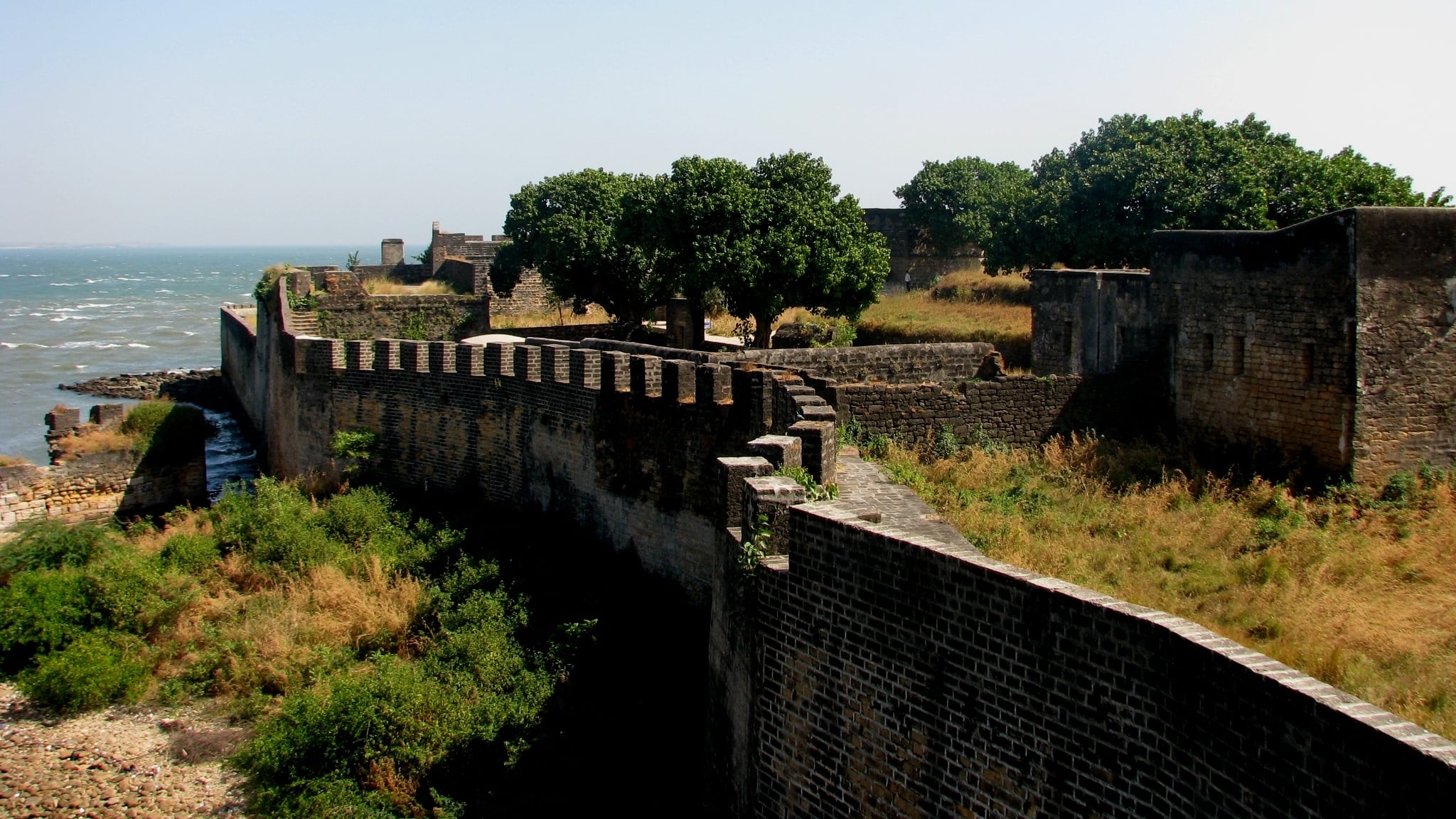
    El Fuerte de Moti Daman y la iglesia de Bom Jesus forman parte del legado portugués que aún define la arquitectura de Daman (Wikimedia Commons)

    Desde 1559, Daman integró el Estado portugués de la India junto a otros enclaves como Goa y Diu, bajo un dominio que se prolongó por alrededor de 402 años. Durante ese tiempo el puerto funcionó tanto como base comercial como punto estratégico, mientras la colonización se manifestó en la construcción de fortificaciones y edificios religiosos.

    Entre los vestigios más notables está el Fuerte de Moti Daman, cuya edificación se inició en 1559 y finalizó en 1581; el complejo incluye muros, puertas monumentales y bastiones orientados hacia el río y el mar, además de construcciones administrativas en su interior. Dentro del recinto destaca la Iglesia de Bom Jesus, fundada en 1559 y consagrada en 1603, que conserva altares de madera tallada y elementos decorativos característicos de la arquitectura religiosa portuguesa de la época.

    Estos rasgos arquitectónicos y urbanísticos explican por qué Daman presenta una fisonomía distinta a la de otros territorios coloniales indios, donde la influencia europea predominante fue la británica; en Daman, el legado portugués permaneció de forma más continuada hasta el siglo XX.

    De la Operación Vijay a la reorganización actual

    Aunque India alcanzó la independencia del Reino Unido en 1947, Portugal mantuvo su control sobre Goa, Daman y Diu durante más de una década. Tras años de intentos diplomáticos y reclamos, la situación se resolvió en diciembre de 1961 mediante la Operación Vijay, una intervención militar india que culminó con la rendición portuguesa y la anexión de esos territorios, formalizada el 19 de diciembre de 1961, según documentación gubernamental.

    Posteriormente, los territorios fueron administrados como el territorio de la Unión de Goa, Daman y Diu. En 1987 Goa pasó a ser un estado de la India, mientras que Daman y Diu quedaron constituidos como un territorio separado. La última reorganización tuvo lugar el 26 de enero de 2020, cuando Dadra y Nagar Haveli se fusionó con Daman y Diu para formar un único territorio de la Unión, agrupando tres distritos bajo la administración directa del gobierno central.

    La historia de Daman evidencia una singularidad dentro del paisaje colonial y poscolonial de India: un prolongado legado portugués que sigue presente en su arquitectura y configuración urbana, junto a cambios administrativos recientes que han redefinido su estatus político.

  • France legalizes euthanasia and assisted suicide after historic vote

    France legalizes euthanasia and assisted suicide after historic vote

    El proyecto afrontó intensas discusiones y varios rechazos en el Senado, donde la mayoría es conservadora (Reuters)

    France’s National Assembly voted on Wednesday to approve a law legalizing both euthanasia and assisted suicide for adults with incurable illnesses and severe suffering. The bill passed its third and final reading in the lower house, with 291 deputies in favor and 241 against, concluding a legislative process of more than a year that was marked by debate in the Senate, which has a conservative majority.

    The new law establishes the right to medical assistance in dying under strict conditions: it can only be requested by adults who are French citizens or legal residents and who are suffering from a serious, incurable illness in an advanced or terminal stage that causes physical or psychological suffering considered unbearable and without possible relief. The person must also express their wish freely, with full information and while fully capable of making the decision.

    The procedure requires the request to be made in writing to a physician, who must respond within a maximum of 15 days after consulting other professionals. If the request is approved, the patient must confirm their decision after a minimum reflection period of two days.

    The protocol also requires that alternatives such as palliative care be offered and reminds that the person can withdraw the request at any time. If the patient is physically unable to self-administer the medication, a doctor or nurse will carry out the intervention.

    The law includes a conscience clause for healthcare workers, but any professional who refuses to participate is required to refer the patient to another colleague willing to perform the procedure.

    The bill originated as an initiative of President Emmanuel Macron, who since 2024 has sought to make regulation of medical assistance in dying one of the main social achievements of his second term, which ends in May 2027.

    El presidente agradeció el debate democrático y el trabajo de los parlamentarios tras la aprobación de la norma (Reuters)

    The bill went through multiple parliamentary stages: it was approved twice by the National Assembly and rejected twice by the Senate, forcing successive revisions and negotiations to secure the necessary consensus.

    The law will now be reviewed by the Constitutional Council, to which the government has appealed over doubts about specific aspects of the text, such as the two-day reflection period and the conditions applicable to people under legal guardianship. There will also be questions about the compatibility between the conscience clause for healthcare professionals and the operation of medical and social care centers dedicated to end-of-life care, which do not accept hastening death but also do not engage in aggressive life-prolonging treatment.

    The French Catholic Church expressed its opposition to the law, calling it a serious rupture in the country’s history and warning about the changes it would imply for society’s approach to vulnerability, disability, aging and illness.

    Macron, in a social media statement, emphasized the importance of democratic debate and thanked parliamentarians for the constructive tone of the discussion. He also acknowledged the contributions of citizens, caregivers and organizations that participated in the citizens’ convention convened to advise on the issue.

    For his part, Senate President Gérard Larcher said he intends to refer the law to the Constitutional Council, adding to the review process.

    Gérard Larcher, presidente del Senado, anunció que recurrirá la ley ante el Consejo Constitucional (Reuters)

    Before Wednesday’s vote, French law since 2016 allowed deep and continuous sedation for terminally ill patients with a short life expectancy. The new measure places France among European countries that have legalized, under certain conditions, euthanasia or assisted suicide—such as Belgium, the Netherlands and Switzerland—as well as countries like Canada and Uruguay.

    The government hopes the Constitutional Council’s review will clarify any doubts and ensure that implementation of the law fully respects the principles of human dignity and personal freedom. With this legislative decision, France completes a long period of social and parliamentary debate and redefines the legal framework regarding the right to assisted death in the country.

    (With information from EFE and Europa Press)

    (more…)

  • France legalizes euthanasia and assisted suicide after historic vote

    France legalizes euthanasia and assisted suicide after historic vote

    El proyecto afrontó intensas discusiones y varios rechazos en el Senado, donde la mayoría es conservadora (Reuters)

    France’s National Assembly voted on and approved on Wednesday a law that legalizes both euthanasia and assisted suicide for adults with incurable illnesses and severe suffering. The text passed its third and final reading in the lower house, where 291 deputies voted in favor and 241 against, concluding a legislative process of more than a year marked by debates in the Senate, which has a conservative majority.

    The new law guarantees the right to medical assistance in dying under strict conditions: it may be requested only by adults who are French nationals or legal residents and who are suffering from a serious, incurable disease in an advanced or terminal stage that causes physical or psychological suffering considered unbearable and without possibility of relief. In addition, the person must express their will freely, with informed consent and while fully capable.

    The procedure requires the request to be made in writing to a physician, who must respond within a maximum of 15 days after consulting other professionals. If the request is approved, the patient must confirm their decision after a minimum reflection period of two days.

    The protocol also provides the option to present alternatives such as palliative care and reminds that the person can withdraw at any time. When the patient is not physically able to self-administer the medication, the intervention will be carried out by a doctor or a nurse.

    The law includes a conscience clause for healthcare personnel, but a professional who refuses to participate is obliged to refer the patient to another colleague willing to perform the procedure.

    The text originated as an initiative of President Emmanuel Macron, who since 2024 has sought to make the regulation of medical assistance in dying one of the main social achievements of his second term, which ends in May 2027.

    El presidente agradeció el debate democrático y el trabajo de los parlamentarios tras la aprobación de la norma (Reuters)

    The bill went through multiple parliamentary stages: it received the National Assembly’s backing twice and faced two rejections in the Senate, which forced successive revisions and negotiations to reach the necessary consensus.

    The law will now be reviewed by the Constitutional Council, to which the government has referred matters because of doubts about specific aspects of the text, such as the two-day reflection period and the conditions applicable to people under legal guardianship. The review will also consider the compatibility between the conscience clause for healthcare professionals and the operation of medical and social end-of-life centers that refuse to hasten death but also avoid therapeutic obstinacy.

    The French Catholic Church expressed its opposition to the law’s approval. It described the measure as a serious rupture in the country’s history and warned about the changes it would entail in how society relates to vulnerability, disability, old age and illness.

    Macron, in a statement on social media, highlighted the importance of the democratic debate and thanked parliamentarians for the constructive tone of the discussion. He also acknowledged the contributions of citizens, caregivers and associations that participated in the citizens’ convention convened to advise on the issue.

    For his part, the President of the Senate, Gérard Larcher, announced his intention to appeal to the Constitutional Council, adding another step to the law’s review process.

    Gérard Larcher, presidente del Senado, anunció que recurrirá la ley ante el Consejo Constitucional (Reuters)

    Prior to Wednesday’s vote, French law since 2016 allowed continuous deep sedation for terminally ill patients with a short life expectancy. The new regulation places France among the European countries that have legalized, under specific conditions, euthanasia or assisted suicide—such as Belgium, the Netherlands and Switzerland—as well as countries like Canada and Uruguay.

    The government expects that the Constitutional Council’s review will clarify any doubts and ensure that the law’s implementation fully respects the principles of human dignity and personal freedom. With this legislative decision, France has concluded a prolonged period of social and parliamentary debate and has redefined the legal framework on the right to assisted death in the country.

    (With information from EFE and Europa Press)

    (more…)

  • Brent closes at $84.95 after US resumes naval blockade of Iran

    Brent closes at $84.95 after US resumes naval blockade of Iran

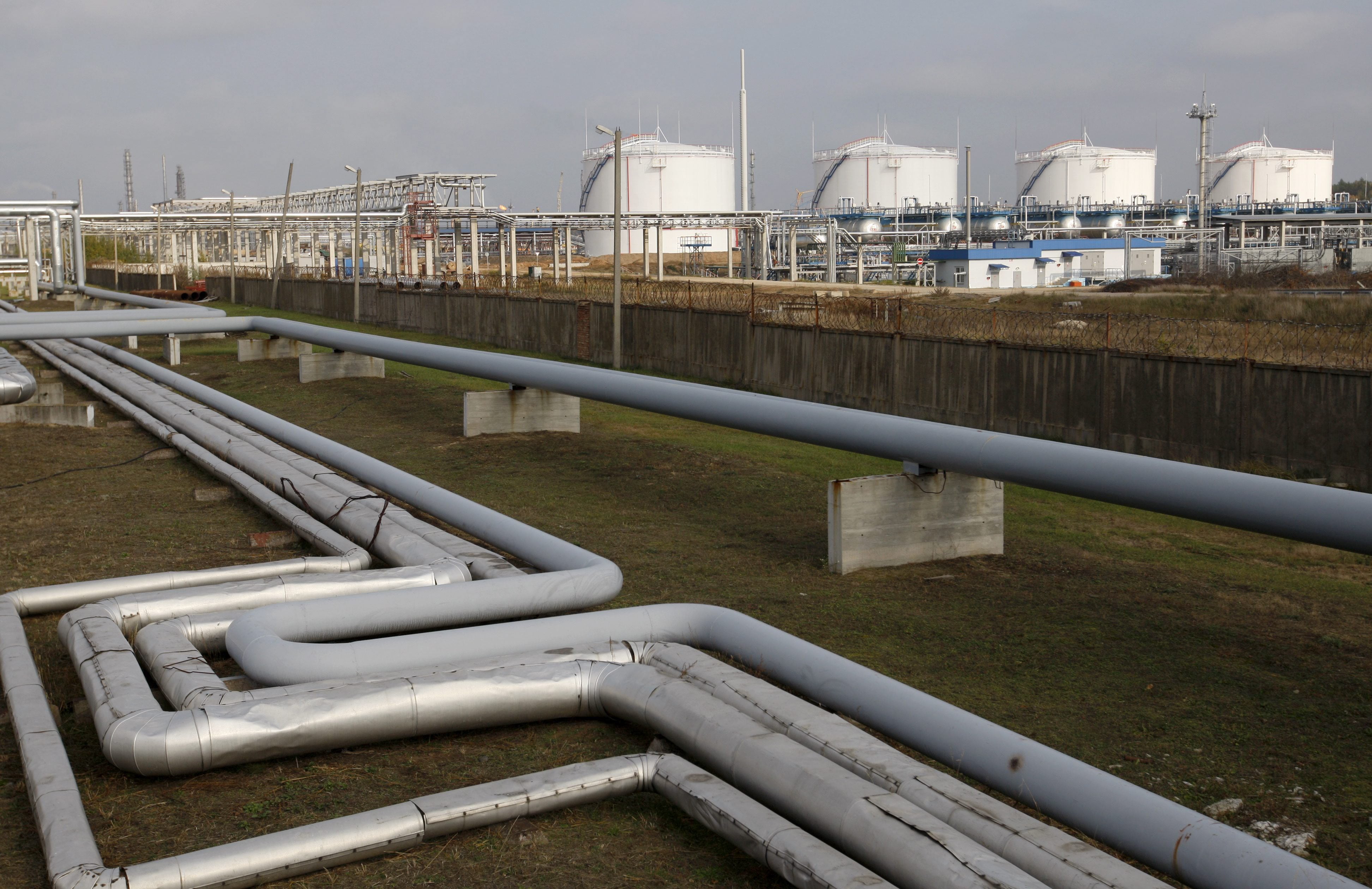
    Imagen de archivo de una refinería de petróleo. EFE/TATYANA ZENKOVICH

    Brent crude closed Wednesday at $84.95 per barrel, up 0.26%, as markets assessed the impact of the U.S. resumption of a naval blockade of Iranian ports that took effect Tuesday. West Texas Intermediate (WTI), the U.S. benchmark, rose 0.33% to close at $79.60.

    North Sea crude has recorded a week-long upward trend after an initial jump of nearly 9.6% on Monday, although gains have since moderated. The price remains close to the psychological $85-per-barrel mark, its highest level of the month, according to market analyst Fiona Cincotta.

    Despite the increase, investors traded without a clear direction. Uncertainty centers on Washington’s strategy in the Middle East, compounded by a reversal from President Donald Trump, who earlier in the week announced a 20% toll for vessels crossing the Strait of Hormuz and subsequently abandoned the plan.

    The United States Central Command (CENTCOM) said Wednesday on social platform X that, since the blockade was reimposed, its forces diverted two commercial vessels that, the command said, “were attempting to evade it.” “The U.S. military remains vigilant and prepared to ensure full compliance,” the agency added.

    Bombas de extracción de petróleo en las afueras de Almetyevsk, en la república de Tartaristán, Rusia. 14 de julio de 2025. REUTERS/Stringer

    Only 13 commercial vessels transited the strait on Tuesday, according to data from analytics firm Kpler. The figure reflects the immediate effect of the measures on maritime traffic along one of the world’s busiest energy routes.

    Cincotta warned of growing market concern that Iran could “use its Houthi allies in Yemen to disrupt shipping” through the Bab el-Mandeb Strait, potentially restricting another key route for global energy supplies. Analyst David Morrison of Trade Nation added that, although both sides have claimed control of the Strait of Hormuz, “there is no doubt that Tehran is in a position to attack vessels” attempting to pass through the waterway.

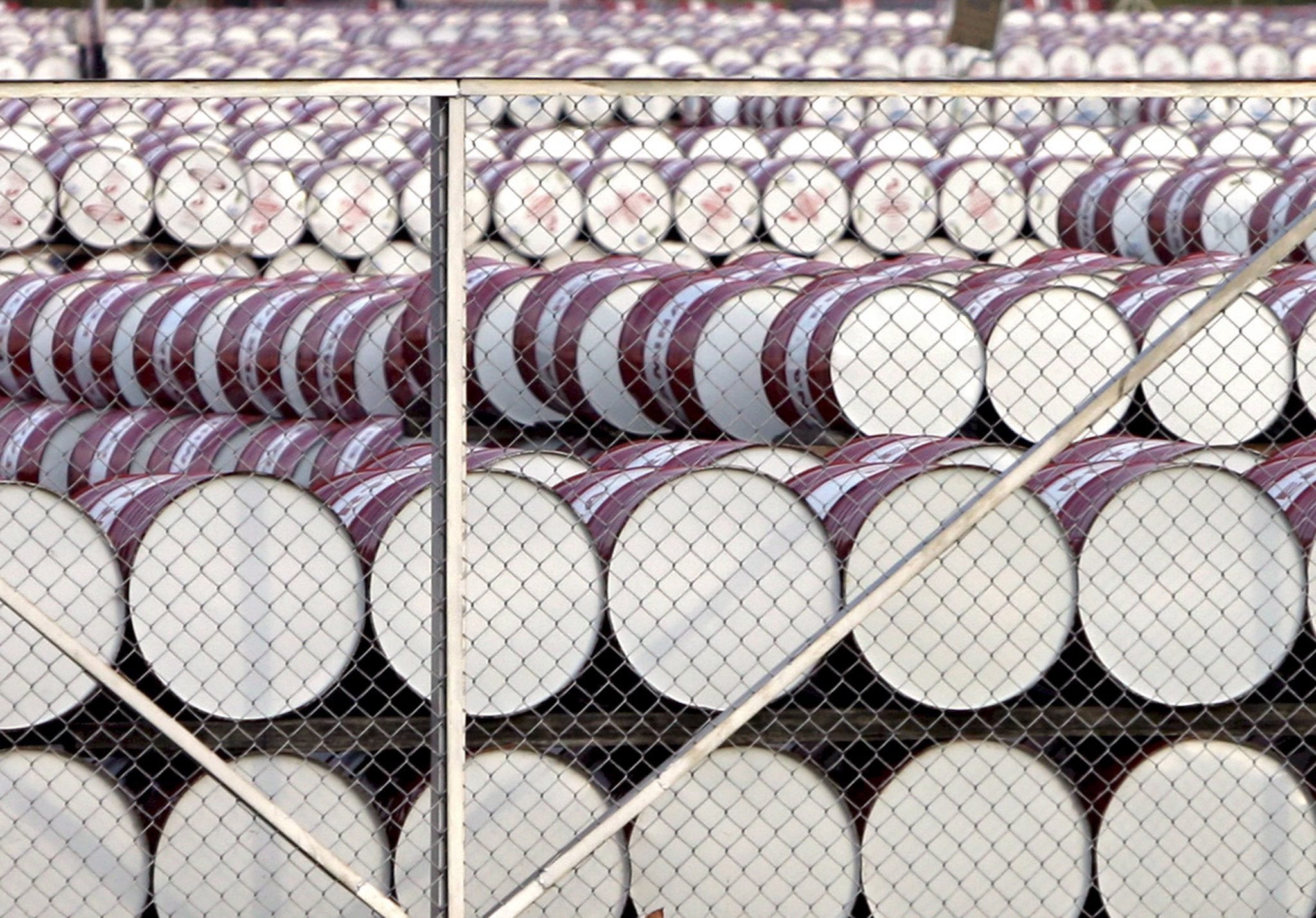
    Imagen de archivo de barriles de petróleo almacenados. EFE/Bagus Indahono

    The International Monetary Fund (IMF) published an analysis Wednesday warning that renewed hostilities in the Middle East could have significant repercussions for the global economy and the oil market.

    (more…)

  • US intercepts tanker bound for Iran amid naval blockade

    US intercepts tanker bound for Iran amid naval blockade

    U.S. forces fired missiles at a commercial tanker that was attempting to proceed to an Iranian port after ignoring multiple warnings, as part of the resumption of a naval blockade on vessels bound to or from Iran, the U.S. Central Command (CENTCOM) reported on Wednesday.

    According to a statement published by CENTCOM on the social platform X, U.S. forces detected the M/T Belma, an oil tanker flying the Curaçao flag, while it was sailing in international waters heading toward Kharg Island, one of Iran’s main oil export terminals.

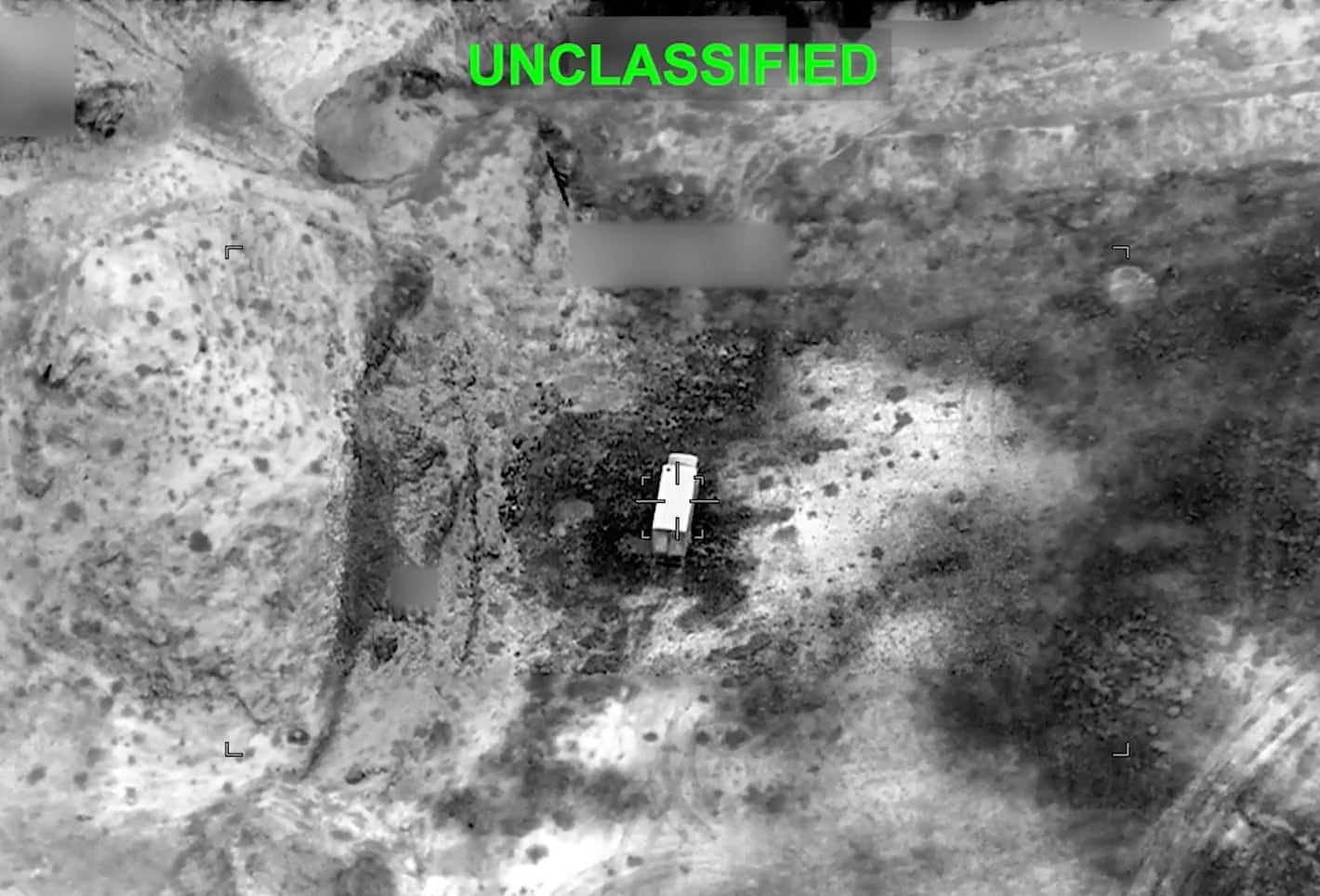
    “The commercial vessel ignored multiple warnings while attempting to violate the U.S. blockade,” the military body said. In response, a U.S. aircraft fired Hellfire missiles at the ship’s funnel, disabling it and preventing it from continuing toward Iran.

    The tanker “is no longer en route to Iran,” CENTCOM stated, confirming that its forces have reinstated naval blockade measures against vessels transiting to or from Iranian ports and coastal areas.

    Una vista aérea térmica muestra el buque cisterna interceptado por Estados Unidos, que se dirigía a Irán. (CENTCOM)

    The operation took place in the early hours of a new phase of increased U.S. military pressure on Tehran. CENTCOM reported that the blockade was reactivated at 16:00 Eastern Time on July 14 and that, within the first 24 hours, its forces diverted two commercial vessels that complied with orders and neutralized one that did not comply.

    The incident followed a second wave of U.S. strikes against Iran aimed at military capabilities Washington says have been used to threaten ships transiting the Strait of Hormuz, one of the world’s most important energy shipping routes.

    The U.S. offensive began at 15:00 Eastern (19:00 GMT) and targeted assets intended to “degrade Iran’s ability to threaten navigation” in that strategic Gulf shipping corridor, CENTCOM said.

    During those strikes, U.S. forces used precision munitions against coastal defense systems, storage facilities and cruise missile launch platforms located on Greater Tunb Island in the Persian Gulf.

    Las fuerzas estadounidenses utilizaron municiones de precisión contra sistemas de defensa costera, depósitos y plataformas de lanzamiento de misiles de crucero ubicadas en la isla de Gran Tunb

    The new military escalation follows U.S. President Donald Trump’s declaration that a truce with Tehran has ended and his directive to resume a pressure campaign against the Iranian regime. The recent U.S. strikes add to earlier operations against Iranian military targets that Washington says further degraded Tehran’s offensive capabilities.

    At the same time, the Gulf Cooperation Council (GCC) accused Iran of pushing the Middle East toward a new crisis through attacks on Arab member states of the organization, as well as actions against Jordan.

    Tehran, for its part, accused the United States of having “shattered” the memorandum of understanding intended to end the conflict and reported more than 30 civilian deaths from recent U.S. strikes.

    Trump said this week that he is not seeking negotiations with Iran for now, although he acknowledged that representatives of both countries have held contacts while Tehran continues to seek an agreement with Washington.

    Un buque navega por el estrecho de Ormuz, una ruta estratégica para el comercio energético mundial, visto desde Musandam, Omán (REUTERS/Archivo)

    Tensions are concentrated in the Persian Gulf, where the Strait of Hormuz is a strategic chokepoint for global oil transport. Any prolonged disruption to that route could affect international energy markets.

    (more…)

  • US intercepts tanker bound for Iran amid naval blockade

    US intercepts tanker bound for Iran amid naval blockade

    U.S. forces reinforced naval blockade measures against Iran on Wednesday by disabling a commercial tanker that was attempting to sail to an Iranian port in international waters of the Arabian Gulf, the U.S. Central Command (CENTCOM) reported.

    According to a statement posted on the social network X, U.S. forces detected the tanker M/T Belma, flagged in Curaçao, while it was transiting toward Kharg Island, one of Iran’s main oil export hubs.

    CENTCOM said the vessel ignored “multiple warnings” as it tried to continue its route and violated U.S. restrictions on ships destined for or coming from Iranian ports.

    “A U.S. aircraft disabled the vessel after firing Hellfire missiles at the ship’s funnel,” the statement said. After the strike, the tanker ceased advancing toward Iran and was no longer en route to that country.

    The incident occurred as U.S. naval blockade operations against vessels linked to Iranian ports and coastal areas were resumed. According to CENTCOM, these measures were reinstated at 4:00 p.m. Eastern on July 14.

    During the first 24 hours of the blockade’s enforcement, U.S. forces reported diverting two commercial ships that complied with navigation instructions and neutralizing one vessel that did not heed the warnings.

    Developing story…

    (more…)

  • US launches new strikes on Iran in Strait of Hormuz

    US launches new strikes on Iran in Strait of Hormuz

    El Comando Central estadounidense aseguró que las operaciones buscan hacer rendir cuentas al régimen iraní por los ataques contra la navegación comercial

    The United States Armed Forces launched a new wave of attacks against Iran on Wednesday, CENTCOM confirmed, saying the operation was ordered by President Donald Trump.

    In a statement posted on X, CENTCOM said that “at 3:00 p.m. ET, U.S. forces launched operations for a second wave of attacks today against Iran.”

    The military command explained that the strikes “are directed at Iranian military capabilities used to threaten vessels transiting freely through the Strait of Hormuz, an international waterway vital to global trade.”

    CENTCOM also said that “the United States military is holding Iran accountable at the direction of the commander in chief,” referring to President Donald Trump.

    The new offensive comes hours after Washington confirmed the reinstatement of a naval blockade on Iranian ports and coasts and announced the diversion of two commercial vessels that, the Pentagon said, attempted to evade U.S. restrictions.

    Un mensaje del Comando Central de Estados Unidos comunica el lanzamiento de ataques contra capacidades militares iraníes en el Estrecho de Ormuz.

    Since the resumption of military operations, the conflict has spread across multiple fronts in the region. Iran’s Revolutionary Guard said it had struck U.S. Fifth Fleet positions in Bahrain, while Bahraini authorities reported intercepting projectiles aimed at civilian targets. Jordan also confirmed that its air defenses shot down three missiles launched by Iran toward its territory.

    Tensions also reached northern Iraq, where explosions were reported overnight near the U.S. consulate in Erbil, the capital of Iraq’s autonomous Kurdistan region. So far authorities have not reported casualties or detailed the extent of those incidents.

    Meanwhile, President Donald Trump hardened his rhetoric toward Tehran and warned that the military campaign could expand in coming days if the Iranian regime does not agree to resume negotiations. “Next week things will be very bad for them,” he said in an interview with Fox News.

    Despite the escalation of fighting, diplomatic channels have not been completely closed. However, the speaker of Iran’s parliament and the regime’s chief negotiator, Mohammad Bagher Ghalibaf, said that the memorandum signed with Washington was voided after the U.S. decision to reinstate the naval blockade.

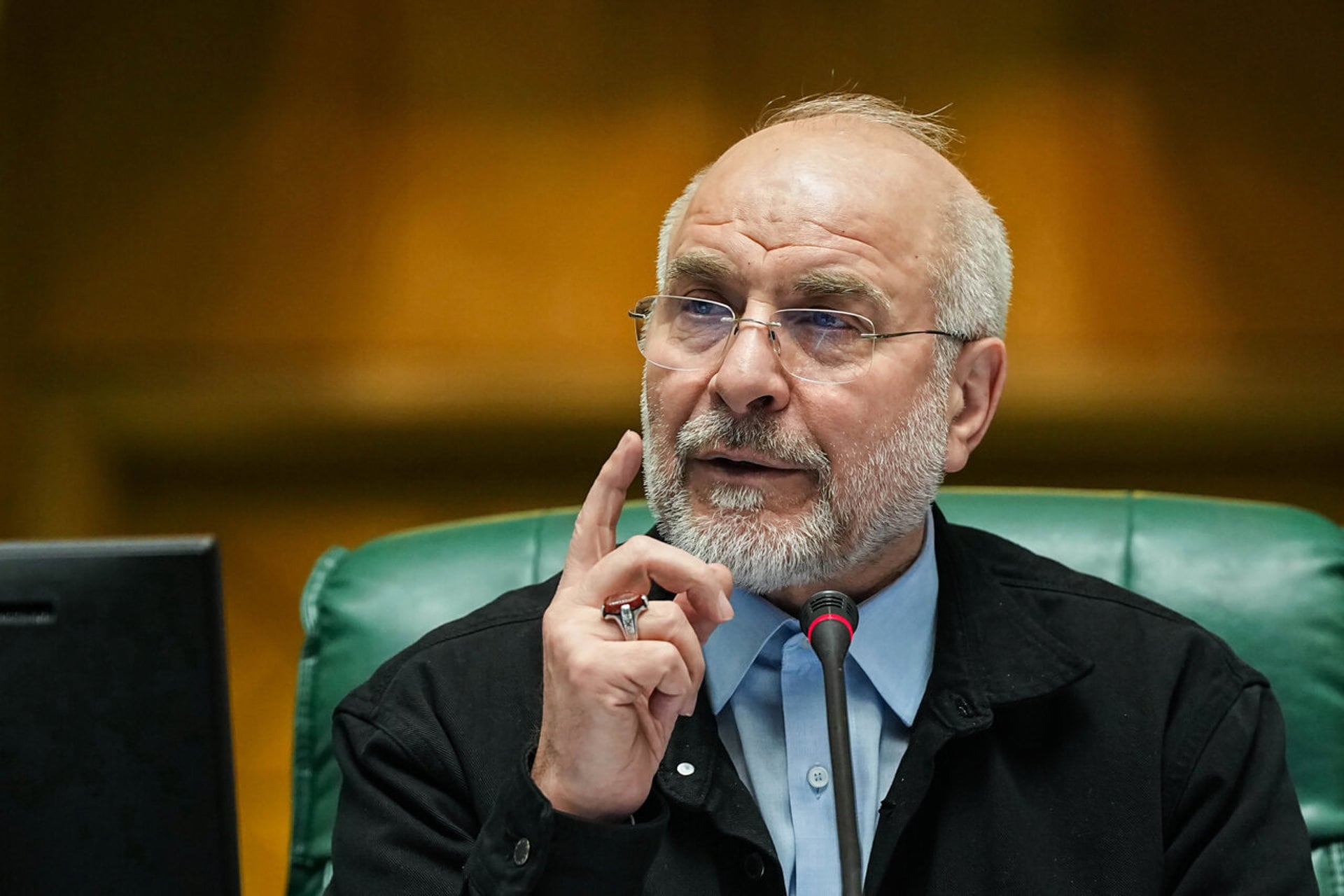
    El presidente del Parlamento iraní, Mohammad Bagher Ghalibaf, en una sesión celebrada en Teherán (EP/Archivo)

    “A memorandum of understanding only makes sense when its clauses are valid and are upheld. If Iran does not obtain any benefit from the agreement, we have no reason to honor it,” he said.

    The focal point of the confrontation remains the Strait of Hormuz, a strategic passage through which a significant portion of the world’s oil and gas trade transits. Iran again restricted transit through the strait after accusing the United States of failing to honor agreed commitments, while Washington responded with new military operations and the reinstatement of maritime restrictions on Iranian ports.

    CENTCOM said the attacks aim to degrade the regime’s military capacity to threaten commercial navigation. In recent hours, Iranian state media reported explosions in Bandar Abbas, Qeshm Island, Bandar Imam Khomeini and later in Bushehr, the city that hosts the country’s only civilian nuclear power plant.

    The conflict has also begun to affect civilians and maritime transport in the region. A Norwegian tanker suffered an explosion off the coast of Oman caused by an undetermined device, while Kuwait reported that one of its naval vessels was struck during an Iranian missile and drone attack, an incident that left four crew members injured.

    Un barco navega por el estrecho de Ormuz, una de las rutas marítimas más estratégicas para el comercio mundial de petróleo (REUTERS/Archivo)

    Trump also announced that he had decided not to impose a 20% levy on ships transiting the Strait of Hormuz, a measure proposed days earlier. Instead, he said he would pursue trade and investment agreements with Gulf countries allied with Washington.

    According to the Iranian regime, the U.S. strikes resumed last week have killed at least 30 civilians, while the country’s armed forces reported that seven additional military personnel were killed during attacks carried out on Wednesday. Meanwhile, Israeli Prime Minister Benjamin Netanyahu warned that his country would respond “harshly” if Iran chose to extend attacks into Israeli territory.

    (more…)

  • US launches new wave of strikes on Tehran targets in Strait of Hormuz

    US launches new wave of strikes on Tehran targets in Strait of Hormuz

    El Comando Central estadounidense aseguró que las operaciones buscan hacer rendir cuentas al régimen iraní por los ataques contra la navegación comercial

    The United States Armed Forces launched a new round of strikes against Iran on Wednesday, the U.S. Central Command (CENTCOM) said, adding that the operation was ordered by President Donald Trump.

    In a statement posted on X, CENTCOM said, “At 3:00 p.m. ET, U.S. forces conducted operations for a second wave of strikes today against Iran.”

    The military command said the strikes targeted Iranian military capabilities used to threaten vessels transiting the Strait of Hormuz, a strategically important international shipping lane.

    CENTCOM also stated that “the U.S. military is holding Iran accountable at the direction of the commander in chief,” referring to President Trump.

    The new offensive came hours after Washington confirmed it had reimposed a naval blockade on Iranian ports and reported diverting two commercial ships that, according to the Pentagon, attempted to evade U.S. restrictions.

    Un mensaje del Comando Central de Estados Unidos comunica el lanzamiento de ataques contra capacidades militares iraníes en el Estrecho de Ormuz.

    Since operations resumed, the conflict has spread across multiple fronts in the region. Iran’s Revolutionary Guard reported attacks on U.S. Fifth Fleet positions in Bahrain, Bahraini authorities said they intercepted projectiles aimed at civilian targets, and Jordan reported its air defenses shot down three missiles launched by Iran toward its territory.

    Tensions also rose in northern Iraq, where explosions occurred overnight near the U.S. consulate in Erbil, the capital of the Kurdistan Region. Authorities have not reported casualties or detailed the extent of the incidents.

    At the same time, President Trump intensified his rhetoric toward Tehran and warned the military campaign could expand in the coming days if Iran does not return to negotiations. During an interview with Fox News he said the situation “will be very bad for them” next week if there is no change.

    Despite the escalation, diplomatic channels remain partially open. However, Mohammad Bagher Ghalibaf, speaker of the Iranian Parliament and the regime’s chief negotiator, said the memorandum of understanding with Washington was no longer valid after the U.S. reinstated the naval blockade.

    El presidente del Parlamento iraní, Mohammad Bagher Ghalibaf, en una sesión celebrada en Teherán (EP/Archivo)

    “A memorandum of understanding only has meaning when its provisions are valid and implemented. If Iran receives no benefit from the agreement, we have no reason to respect it,” he said.

    The Strait of Hormuz remains the central focus of the confrontation. Iran again restricted transit through the waterway after accusing the United States of failing to honor agreed commitments, and the U.S. responded with new military operations and renewed maritime restrictions on Iranian ports.

    CENTCOM said the strikes aim to reduce the regime’s military capacity to threaten commercial shipping. State-run Iranian media reported explosions in Bandar Abbas, Qeshm Island, Bandar Imam Khomeini and later in Bushehr, where Iran’s only civilian nuclear power plant is located.

    The conflict has started to affect civilians and regional maritime traffic. A Norwegian tanker suffered an explosion off the coast of Oman caused by an undetermined device, and Kuwait reported one of its naval vessels was hit during an Iranian missile and drone attack, leaving four crew members wounded.

    Un barco navega por el estrecho de Ormuz, una de las rutas marítimas más estratégicas para el comercio mundial de petróleo (REUTERS/Archivo)

    President Trump also said he would not impose a previously proposed 20% levy on vessels transiting the Strait of Hormuz. Instead, he said he plans to pursue trade and investment agreements with U.S. allies in the Gulf.

    According to Iranian authorities, the U.S. strikes resumed last week have killed at least 30 civilians, while Iran’s Armed Forces reported seven service members were killed during Wednesday’s attacks. Israeli Prime Minister Benjamin Netanyahu warned that Israel would respond “forcefully” if Iran extends attacks to Israeli territory.

    (more…)

  • Zelensky nominates Naftogaz chief as Ukraine’s new prime minister

    Zelensky nominates Naftogaz chief as Ukraine’s new prime minister

    FOTO DE ARCHIVO: Helicópteros Boeing AH-64 Apache del ejército británico sobrevuelan durante el ejercicio militar Swift Response cerca de Nurmsi, Estonia, el 10 de mayo de 2024
REUTERS/Ints Kalnins/Foto de archivo

    Ukrainian President Volodymyr Zelensky on Wednesday endorsed the state energy company Naftogaz CEO Serhii Koretsky as his candidate to lead the new government, a day after parliament accepted Prime Minister Yulia Svyrydenko’s resignation. The Verkhovna Rada is scheduled to vote on the new appointment on Thursday, and the governing party’s parliamentary majority makes his confirmation highly likely.

    “The priorities are clear: prepare for the winter,” Zelensky told reporters in Kyiv, according to Reuters. “Therefore, after all consultations, Serhii Koretsky is undoubtedly the best-prepared candidate for the office of prime minister of Ukraine.”

    Koretsky’s selection highlights Kyiv’s urgency in preparing for the upcoming heating season. Since Russia launched its full-scale invasion in February 2022, it has regularly targeted Ukraine’s energy infrastructure, and each winter becomes a major test for civilians. Koretsky took the helm at Naftogaz in May 2025 after turning the state oil company Ukrnafta from a loss-making entity into one of the most profitable state-owned firms—a track record Zelensky specifically cited when offering him the post. According to sources cited by Ukrainska Pravda, the president outlined the future government’s priorities in that meeting: securing gas reserves, protecting energy infrastructure, and stabilizing the economy under wartime conditions.

    Imagen de archivo del presidente ucraniano, Volodímir Zelensky, durante una conferencia de prensa tras la cumbre de la Coalición de los Voluntarios en el Hotel des Invalides de París, Francia. 13 julio 2026
Teresa Suárez/Pool vía Reuters

    Svyrydenko’s dismissal automatically triggered the resignation of the entire cabinet and set in motion the largest government reshuffle since the war began. Zelensky announced the reorganization on July 12 via a Telegram message, saying changes were needed to “implement an updated political strategy,” without providing further details. Parliament accepted her resignation on Tuesday, July 14, with 258 votes in favor and only one against. An economist by training, Svyrydenko became prime minister in July 2025 and was responsible for securing the strategic minerals agreement with the United States. Her departure comes amid the Midas affair, an alleged $100 million bribery scheme at the state nuclear company Energoatom that already led to the dismissal of presidential chief of staff Andriy Yermak and several ministers since November 2025.

    The most sensitive question for the new cabinet is the fate of Defense Minister Mykhailo Fedorov, 35, who took the post in January 2026 after serving at the Ministry of Digital Transformation. Fedorov is the architect of Ukraine’s long-range drone strategy: under his leadership the number of domestic drone manufacturers rose from seven at the start of the war to over 500 today. Asked whether he would remain in office, Zelensky said he planned to meet with Fedorov and military commanders before meeting with his party’s deputies, without giving a definitive answer.

    That ambiguity has practical implications. For weeks Ukraine has stepped up drone attacks on Russian territory, a tactic that has changed the conflict’s dynamics and requires continuity in technical leadership. Zelensky’s decision to prioritize energy management at the head of the executive comes as the power grid remains a primary target for Moscow. The unresolved status of the minister overseeing the technological aspects of the war underscores how much of the government reshuffle is still being worked out.

    (more…)

  • Zelensky proposes Naftogaz head as Ukraine’s new prime minister

    Zelensky proposes Naftogaz head as Ukraine’s new prime minister

    FOTO DE ARCHIVO: Helicópteros Boeing AH-64 Apache del ejército británico sobrevuelan durante el ejercicio militar Swift Response cerca de Nurmsi, Estonia, el 10 de mayo de 2024
REUTERS/Ints Kalnins/Foto de archivo

    El presidente de Ucrania, Volodímir Zelensky, anunció este miércoles su apoyo a Serguéi Koretsky, director general de la empresa estatal Naftogaz, como candidato a primer ministro. La decisión se produce un día después de que la Rada Suprema aceptara la renuncia de la primera ministra Yulia Svyrydenko. El parlamento tiene previsto votar el nombramiento el jueves, y la mayoría del partido gobernante hace probable la confirmación de Koretsky.

    Zelensky dijo ante la prensa en Kiev que las prioridades están definidas y que, tras las consultas realizadas, Koretsky es el candidato más preparado para el cargo, según informó Reuters.

    La elección responde a la urgente necesidad de preparar al país para el próximo invierno, cuando la infraestructura energética suele ser blanco de ataques. Desde el inicio de la invasión a gran escala en febrero de 2022, Rusia ha atacado sistemáticamente la red eléctrica ucraniana, convirtiendo cada temporada fría en una prueba para la población. Koretsky asumió la dirección de Naftogaz en mayo de 2025 después de convertir a Ukrnafta, entonces en pérdidas, en una de las empresas públicas más rentables del país. Según fuentes citadas por Ukrainska Pravda, Zelensky le expuso como prioridades garantizar reservas de gas, proteger la infraestructura energética y estabilizar la economía en condiciones de guerra.

    Imagen de archivo del presidente ucraniano, Volodímir Zelensky, durante una conferencia de prensa tras la cumbre de la Coalición de los Voluntarios en el Hotel des Invalides de París, Francia. 13 julio 2026
Teresa Suárez/Pool vía Reuters

    La dimisión de Svyrydenko implica la renuncia automática de todo el gabinete y abre el mayor reajuste gubernamental desde el inicio de la guerra. Zelensky anunció la reorganización el 12 de julio mediante un mensaje en Telegram, indicando que los cambios buscaban aplicar una estrategia política actualizada. El parlamento aceptó la renuncia el 14 de julio con 258 votos a favor y uno en contra. Svyrydenko, economista de formación y primera ministra desde julio de 2025, promovió el acuerdo sobre minerales estratégicos con Estados Unidos. Su salida se produce en el contexto del caso Midas, un supuesto esquema de sobornos por 100 millones de dólares en la empresa nuclear estatal Energoatom que ya provocó la destitución del jefe de la administración presidencial, Andri Yermak, y de varios ministros desde noviembre de 2025.

    Una de las decisiones más relevantes pendientes es el futuro del ministro de Defensa, Mykhailo Fedorov, de 35 años, que asumió el cargo en enero de 2026 tras su paso por el Ministerio de Transformación Digital. Fedorov impulsó la estrategia ucraniana de drones de largo alcance y fomentó el crecimiento del sector: según datos oficiales, el número de empresas fabricantes de vehículos no tripulados pasó de siete al inicio de la guerra a más de 500. Ante la pregunta sobre su continuidad, Zelensky indicó que se reuniría con él y con los mandos militares antes de hablar con los diputados del partido, sin dar una respuesta definitiva.

    La falta de decisiones claras tiene efectos prácticos. Ucrania ha intensificado ataques con drones sobre territorio ruso, una táctica que ha cambiado la dinámica del conflicto y que requiere continuidad en el liderazgo técnico. Al mismo tiempo, Zelensky sitúa la gestión energética en el centro del nuevo gobierno mientras la red eléctrica sigue siendo un objetivo prioritario de Moscú. Que aún no se haya resuelto el puesto del ministro que dirige la guerra tecnológica muestra que el reajuste ministerial sigue en proceso.

    (more…)