Dangerous encounters with wild animals in parks and nature reserves can occur anywhere in the world, although most visitors do not experience serious incidents. Several specialists and park officials interviewed by National Geographic agree that being informed and cautious can help prevent attacks by wildlife.
Kathy Kupper, a spokesperson for the U.S. National Park Service, warns that injuries do not come only from large animals: small mammals can also bite or attack when disturbed or fed, and no animal should be harassed or given food by visitors.
Between 2018 and 2023 there were 1,604 deaths related to encounters with animals, often caused by domestic or venomous species. Although these incidents are rare compared with the total number of people who visit natural areas, experts emphasize that the risk never completely disappears.
Maintaining an appropriate distance and observing animal behavior are key. Rolf Olson, a manager at a U.S. national reserve, recommends researching which species inhabit an area and how they typically react to people before entering a natural site.
Experts insist that if an animal reacts to a person’s presence it means its space has been invaded and the likelihood of aggressive behavior increases, both in predators and in large herbivores.
Factors that increase the likelihood of dangerous wildlife encounters
The chance of a risky encounter rises during busy seasons or in high-traffic areas, when wildlife is surprised by people or becomes accustomed to finding food near trails and campsites. Park officials say lack of prior information and not knowing the habits of local species are frequent causes of incidents.
Human behaviors such as getting too close to observe or photograph animals, feeding them, or leaving waste increase the risk. Experts warn that many animals learn to associate people with food, which alters their natural behavior and increases the likelihood of an attack.
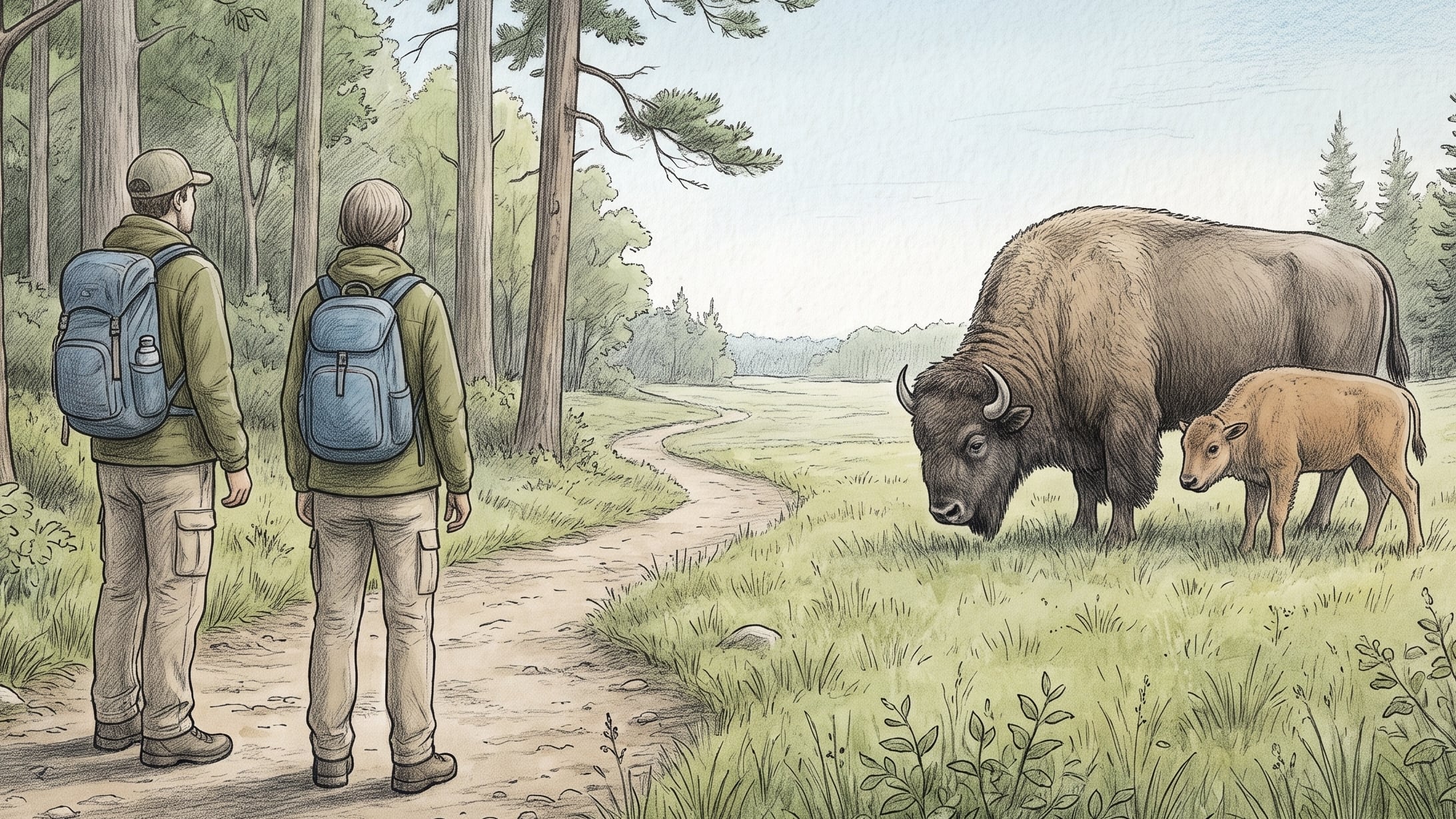
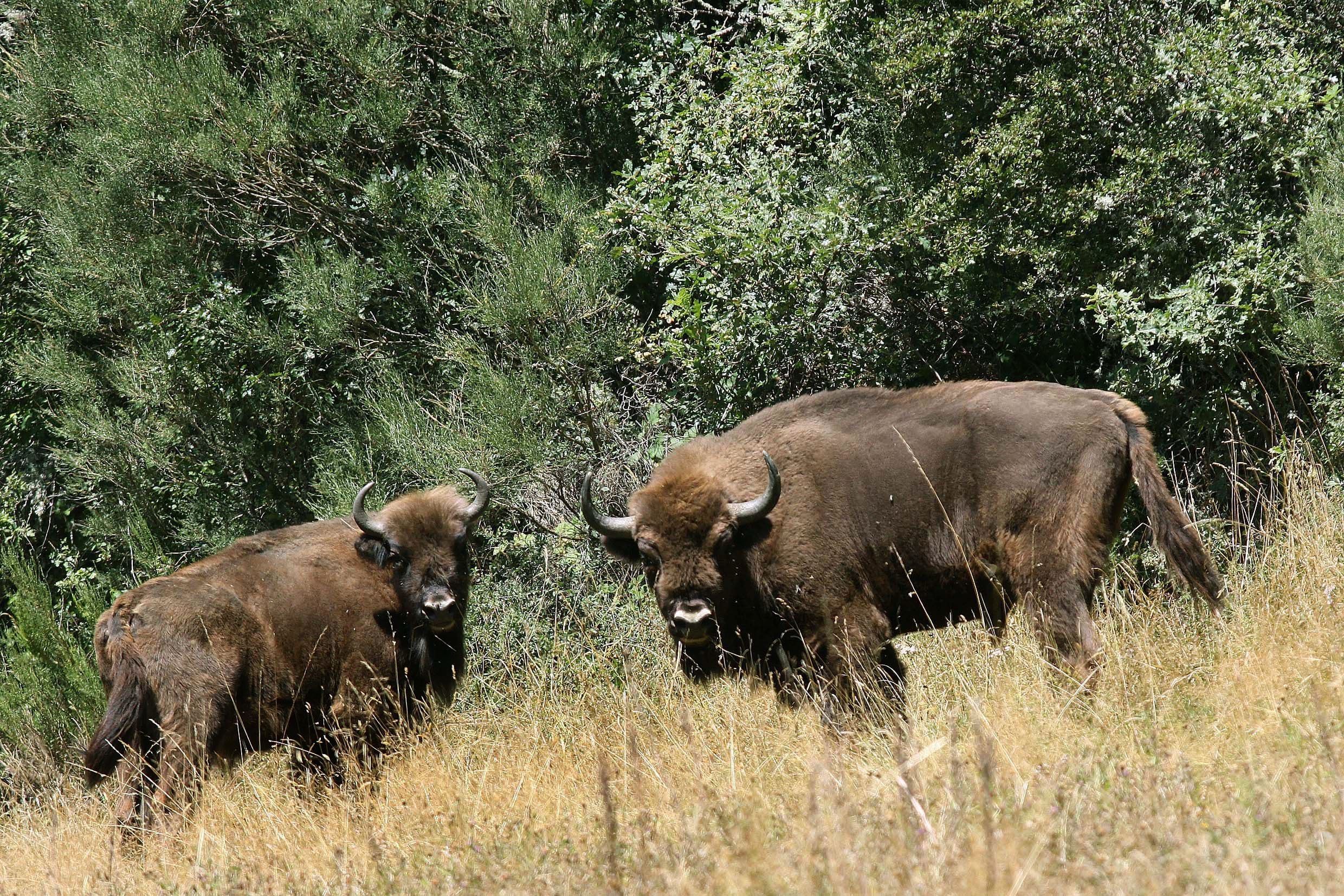
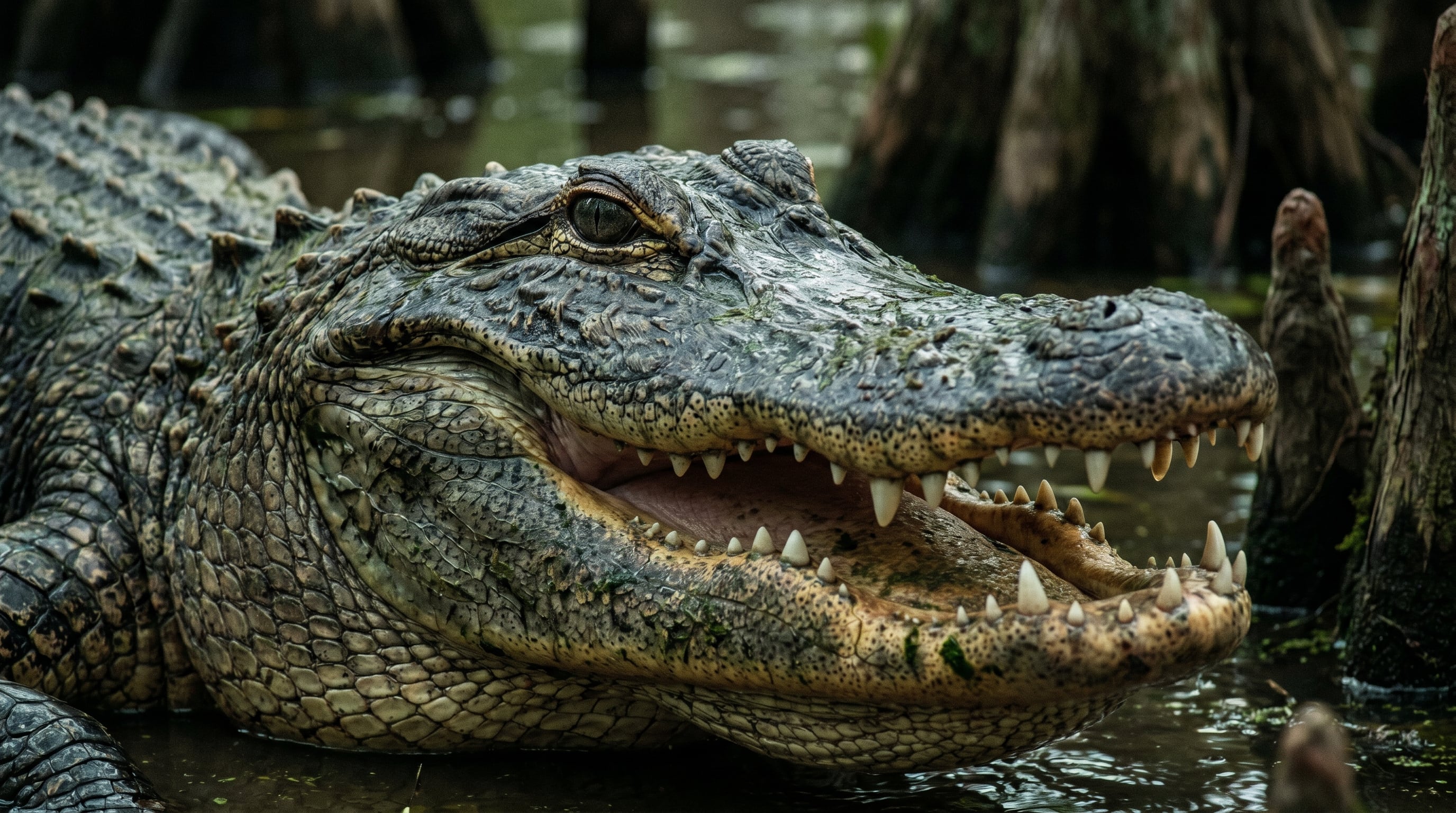
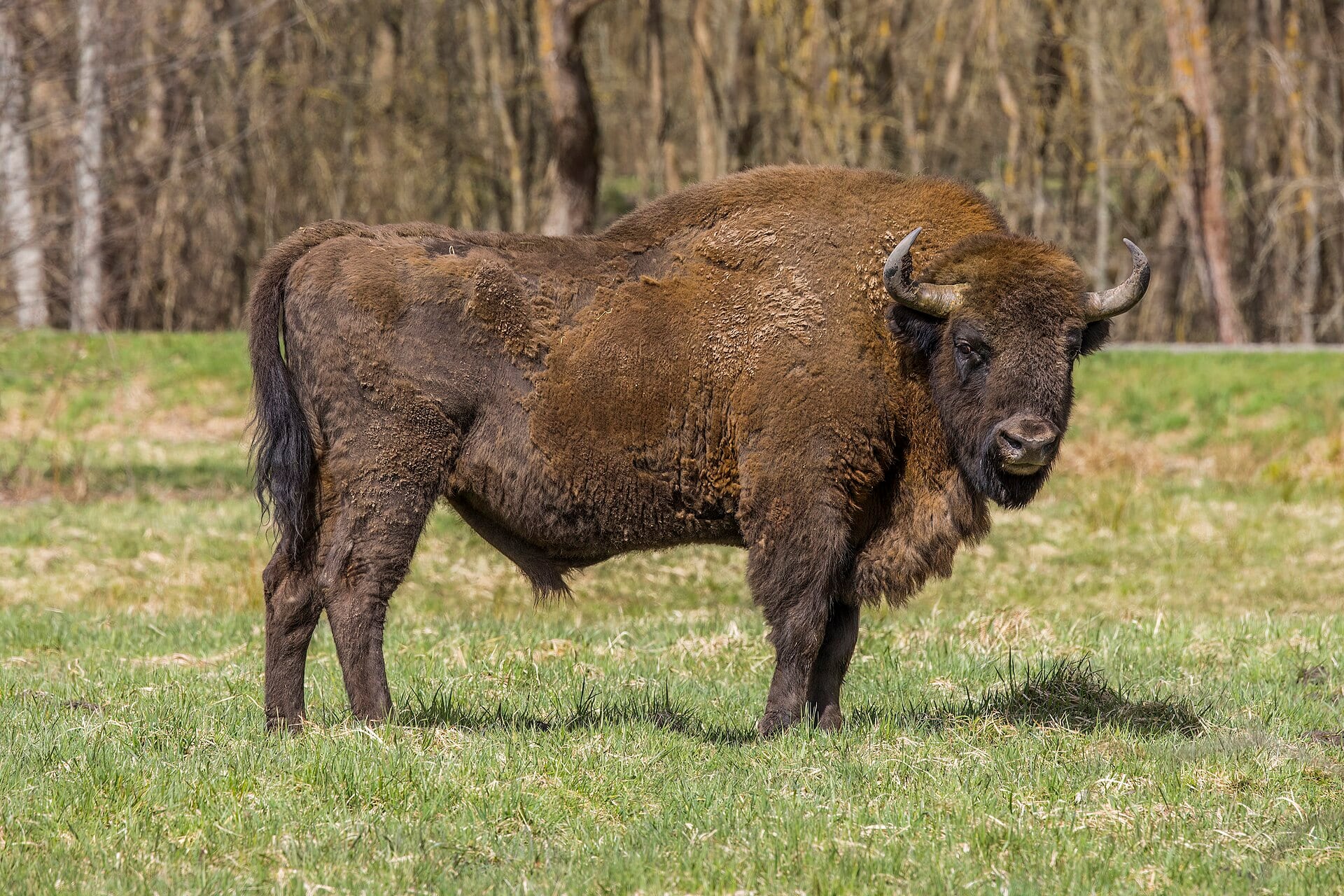
Large mammals such as bison, hippos, or moose can react with extreme violence if they feel invaded or threatened. Species like alligators are especially dangerous in the water, where they move quickly and efficiently.
Key rules and recommendations to survive a wildlife encounter
Surviving a wildlife encounter depends largely on prevention and on responding properly when danger arises. Specialists recommend keeping a minimum distance of 100 meters from large predators such as bears, wolves, or big cats, and at least 25 meters from other species. If an animal behaves restlessly, it is best to back away slowly and avoid sudden movements or loud noises.
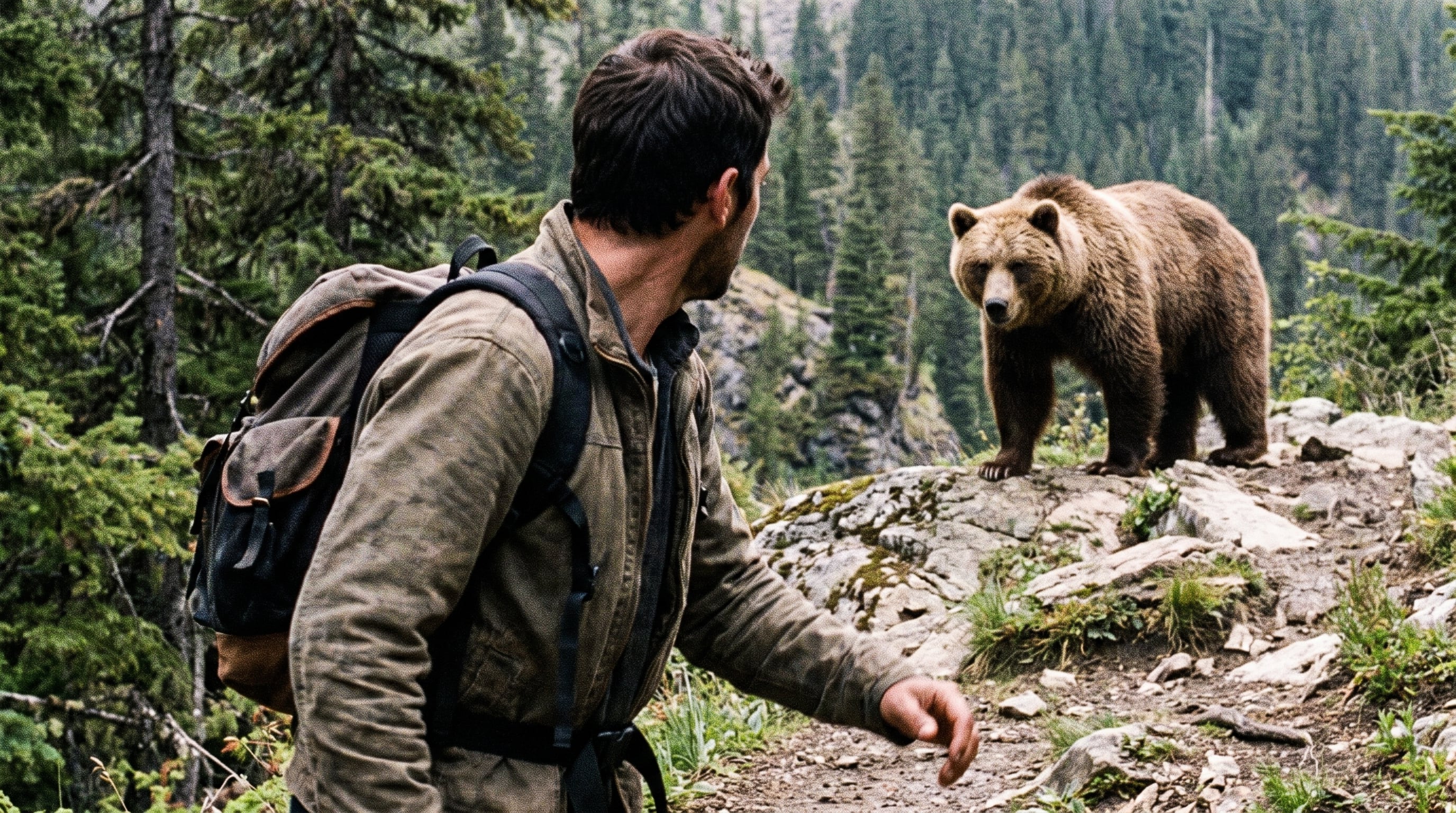
Never feed animals or leave food or trash in accessible areas. Experts note that an animal habituated to human presence and camp food becomes more dangerous and often must be captured or euthanized to prevent risks. It is essential to store all food and scented items in secure containers and to keep pets leashed so as not to provoke defensive reactions from local wildlife.
For species like alligators, Rolf Olson recommends staying away from the water and avoiding activities such as splashing at the shore, since this behavior can trigger an attack. In any encounter, specialists emphasize that prevention, information, and respect for wildlife are the best tools.
Recent examples and lessons learned from incidents in natural parks
Recent cases show the consequences of ignoring safety recommendations. Records include a bison attacking a visitor who tried to flee after getting too close, causing serious injuries. There are also numerous reports of bites from small mammals, such as squirrels, due to the habit of feeding them or attempting to interact with them.
These incidents demonstrate that overconfidence or seeking close experiences with wild animals can have severe results. Data collected by park officials reinforce the need to keep distance and avoid any behavior that disturbs wildlife’s natural behavior.
Impact of these encounters on park management and the wildlife involved
When incidents occur between visitors and animals, the consequences affect more than people. Reserve managers are forced to intervene, which can involve capturing, relocating, or euthanizing animals that have lost fear of humans or become dangerous.
This situation, in addition to affecting the animals’ lives, complicates conservation efforts and reduces opportunities for other visitors to enjoy the natural environment.
The increase in these episodes requires strengthened monitoring and the implementation of new educational strategies for visitors. Experts stress that each problematic encounter represents a setback for both animal protection and the safe experience of those who visit these areas. Respecting the rules and taking individual precautions are therefore essential to preserve the delicate balance in protected natural areas.